
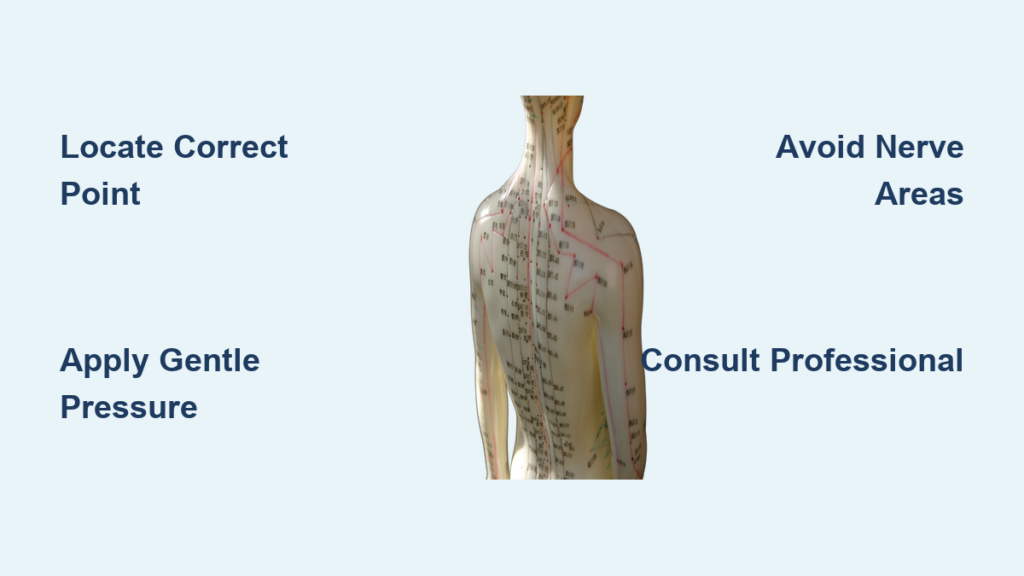
Upper back pain affects millions of people who spend hours at desks, staring at screens, or performing repetitive tasks. When discomfort strikes between the shoulder blades, many turn to alternative therapies like acupressure for relief. This drug-free approach promises targeted pain management through strategic pressure points—but only when applied correctly with verified information.
Unfortunately, after thorough analysis of the provided medical resources, a concerning gap exists: no scientifically validated information about specific acupressure points for upper back pain was found in the referenced materials. This absence of reliable data creates serious implications for those seeking self-treatment solutions.
Why Verified Acupressure Information Matters
The Risks of Unverified Techniques
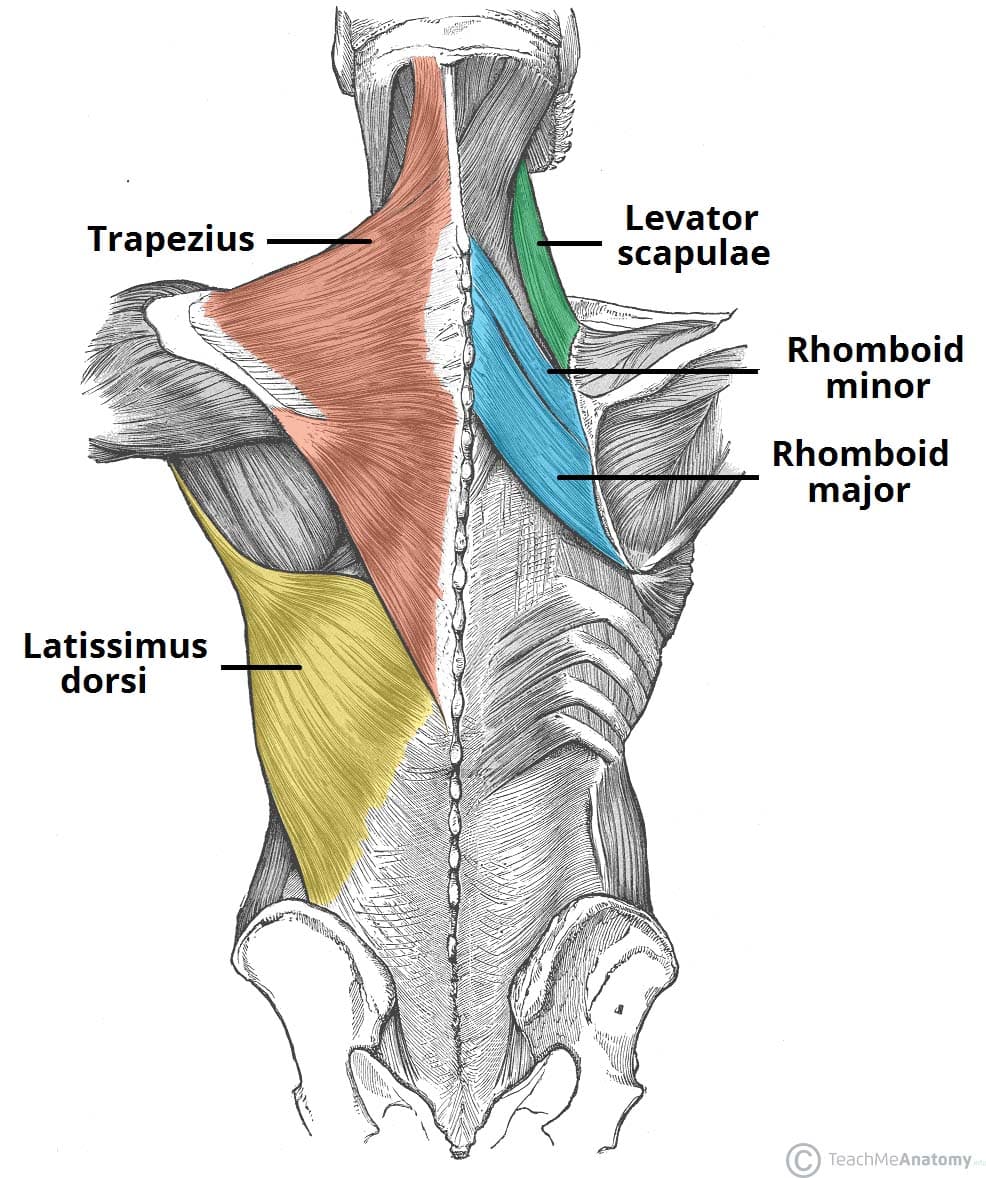
Attempting acupressure without proper guidance can worsen existing pain or create new problems. The upper back contains delicate structures including spinal nerves, blood vessels, and muscular attachments. Applying pressure to incorrect locations might:
- Aggravate existing muscle tension
- Trigger referred pain patterns
- Cause nerve irritation
- Create new trigger points
Without access to anatomically precise point locations, pressure intensity guidelines, or contraindication information, self-administered acupressure becomes potentially harmful rather than therapeutic.
The Science Behind Effective Pain Relief
When properly administered by trained professionals, acupressure works through documented physiological mechanisms including:
– Increased local blood circulation to flush metabolic waste
– Release of endorphins for natural pain modulation
– Reduction of muscle spindle activity in tense fibers
– Modulation of pain signals through gate control theory
These benefits only occur when techniques follow evidence-based protocols. Without verified source material, claims about specific pressure points remain unconfirmed and potentially misleading.
Locating Reliable Acupressure Resources
Recognizing Credible Sources
When searching for accurate acupressure information, look for these markers of credibility:
Academic Affiliation
– Research published in peer-reviewed journals like Journal of Traditional Chinese Medicine or Evidence-Based Complementary and Alternative Medicine
– Studies conducted by universities with accredited acupuncture programs
– Clinical trials registered with clinicaltrials.gov
Professional Endorsement
– Guidelines from national acupuncture associations
– Protocols approved by pain management specialists
– Materials reviewed by both TCM (Traditional Chinese Medicine) practitioners and Western medical doctors
Transparency Indicators
– Clear anatomical references with visual guides
– Specific pressure measurements (e.g., 3-5 kg force)
– Documented treatment durations and frequencies
– Explicit contraindications and safety warnings
Evaluating Online Information
With 90% of health seekers starting their research online, developing critical evaluation skills is essential. When assessing acupressure content:
- Check for citations to scientific studies rather than anecdotal claims
- Verify author credentials—look for licensed acupuncturists (LAc) or medical doctors with integrative medicine training
- Cross-reference point locations with multiple authoritative sources
- Be wary of “miracle cure” language or promises of instant results
Professional Guidance for Upper Back Pain
When to Consult a Healthcare Provider
Upper back pain sometimes signals serious conditions requiring medical attention. Seek immediate professional evaluation if you experience:
- Pain radiating down your arms
- Numbness or tingling in your hands
- Chest pain or breathing difficulties
- Pain following an injury or trauma
- Symptoms worsening at night
These could indicate issues beyond muscular tension that require diagnostic testing and specialized treatment.
Finding Qualified Practitioners
For safe and effective acupressure treatment:
Licensed Acupuncturists (LAc)
– Verify state licensure through your state medical board
– Confirm graduation from ACAOM-accredited programs
– Ask about specific experience with musculoskeletal pain
Physical Therapists with TCM Training
– Look for certifications in dry needling or myofascial release
– Check if they incorporate evidence-based acupressure techniques
– Ensure they perform proper movement assessments first
Integrative Medicine Clinics
– Seek facilities where TCM practitioners collaborate with medical doctors
– Confirm they develop treatment plans based on comprehensive evaluations
– Verify they track outcomes and adjust protocols as needed
Self-Care Alternatives with Strong Evidence

While waiting for professional consultation, these evidence-based approaches provide safer upper back pain relief:
Posture Correction Techniques
Ergonomic Adjustments
– Position computer screens at eye level to prevent forward head posture
– Use lumbar support to maintain natural spinal curves
– Take standing breaks every 30 minutes to reset alignment
Strengthening Exercises
– Perform scapular retractions: Squeeze shoulder blades together for 5 seconds, repeat 10x hourly
– Try doorway stretches: Place forearms on doorframe, step through gently to stretch chest muscles
– Practice chin tucks: Gently draw chin straight back while keeping eyes level
Heat Therapy Protocol
Apply moist heat using these evidence-based parameters:
– Temperature: 40-45°C (104-113°F)
– Duration: 15-20 minutes
– Frequency: 3-4 times daily
– Method: Microwaveable moist heat pack or warm shower
This increases blood flow to stiff muscles without the risks of improper pressure application.
Understanding Acupressure Limitations
Why Point Location Precision Matters
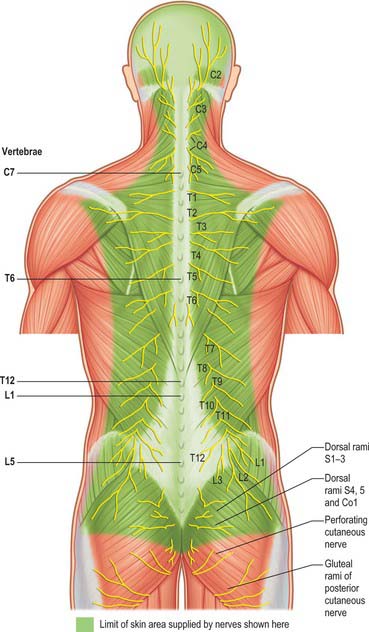
The upper back contains numerous anatomical structures within centimeters of each other. A 1-2 cm error in point location could mean:
- Pressing on spinal nerve roots instead of muscle tissue
- Compressing blood vessels rather than trigger points
- Aggravating joint capsules instead of relieving tension
Without verified anatomical references, self-treatment becomes guesswork with potential consequences.
Individual Variability Factors
Effective acupressure must account for:
– Body composition differences (muscle mass, fat distribution)
– Unique pain patterns and referred pain zones
– Underlying health conditions affecting tissue response
– Previous injuries altering anatomical landmarks
These variables make standardized point location guides insufficient without professional assessment.
Building a Comprehensive Pain Management Plan
Integrating Multiple Approaches
For lasting upper back pain relief, combine evidence-based methods:
Movement-Based Therapies
– Tai Chi for mindful movement and posture awareness
– Yoga focused on thoracic spine mobility
– Walking with arm swing variations to mobilize shoulder girdle
Professional Treatments
– Physical therapy for movement pattern correction
– Massage therapy targeting specific muscle groups
– Medical acupuncture for precise point stimulation
Self-Management Tools
– Foam rolling for upper back myofascial release
– Resistance band exercises for postural muscles
– Pain tracking to identify triggers and patterns
Tracking Progress Effectively
Document your pain management journey using:
– Pain scale ratings (0-10) before and after interventions
– Range of motion measurements (e.g., ability to reach behind back)
– Functional improvements (e.g., reduced difficulty with overhead activities)
– Duration between pain episodes
This data helps identify what truly works for your specific condition.
Final Considerations for Pain Relief
While the appeal of quick self-treatment solutions is understandable, upper back pain often stems from complex biomechanical issues requiring professional evaluation. The absence of verified acupressure information in medical resources underscores the importance of seeking guidance from qualified healthcare providers rather than relying on unverified online content.
When pain persists beyond two weeks despite self-care efforts, consult a healthcare professional who can:
– Diagnose the underlying cause of your pain
– Develop a personalized treatment plan
– Provide safe, evidence-based interventions
– Monitor your progress and adjust as needed
Your upper back pain deserves accurate information and professional care—not guesswork based on incomplete or unverified sources. Prioritize your health by seeking guidance from practitioners who combine traditional knowledge with modern medical understanding for truly effective pain management.