
Lower back pain affects millions of people, making everyday movements like bending, lifting, and even sitting uncomfortable or impossible. When traditional land exercises feel too painful, water therapy offers a powerful alternative that 85% of physical therapists recommend for back pain sufferers. The unique properties of water create a healing environment where you can move freely without pain while strengthening the muscles that support your spine. In this guide, you’ll discover specific aquatic exercises that provide immediate relief and long-term healing for back pain, all backed by clinical practice.
Water’s natural buoyancy supports your body weight, warm temperatures relax tight muscles, and gentle resistance builds strength without strain. Unlike land-based exercises that can aggravate back pain, aquatic therapy allows you to begin rehabilitation even during acute flare-ups. Whether you’re recovering from injury, managing chronic pain, or looking for preventive care, these water exercises deliver results you can feel from the very first session.
How Water Therapy Targets Back Pain at the Source
Buoyancy Creates Instant Spinal Decompression
Standing in chest-deep water immediately reduces gravitational pressure on your spine by supporting approximately 90% of your body weight. This natural decompression creates space between vertebrae, relieving pressure on compressed discs and irritated nerves. When you’re struggling with sharp lower back pain, simply standing in chest-deep water for 5 minutes can provide noticeable relief as your spine begins to realign without strain.
Hydrostatic Pressure Accelerates Healing Process
The surrounding water exerts gentle, consistent pressure on your entire body that functions like a natural compression garment. This hydrostatic pressure improves circulation to damaged tissues while simultaneously reducing inflammation that contributes to back pain. Many patients report decreased pain intensity within minutes of entering therapeutic water, making it the perfect starting point before progressing to active exercises.
Warm Water Temperature Eases Muscle Spasms
Therapeutic pools maintain temperatures between 83-88°F, providing deep-penetrating warmth that relaxes tight muscles responsible for much back pain. This heat increases blood flow to injured areas while improving tissue elasticity, allowing you to move through greater ranges of motion without triggering protective muscle spasms. The warm water environment makes stretching more effective and comfortable than land-based alternatives.
Critical Pool Setup for Maximum Back Pain Relief
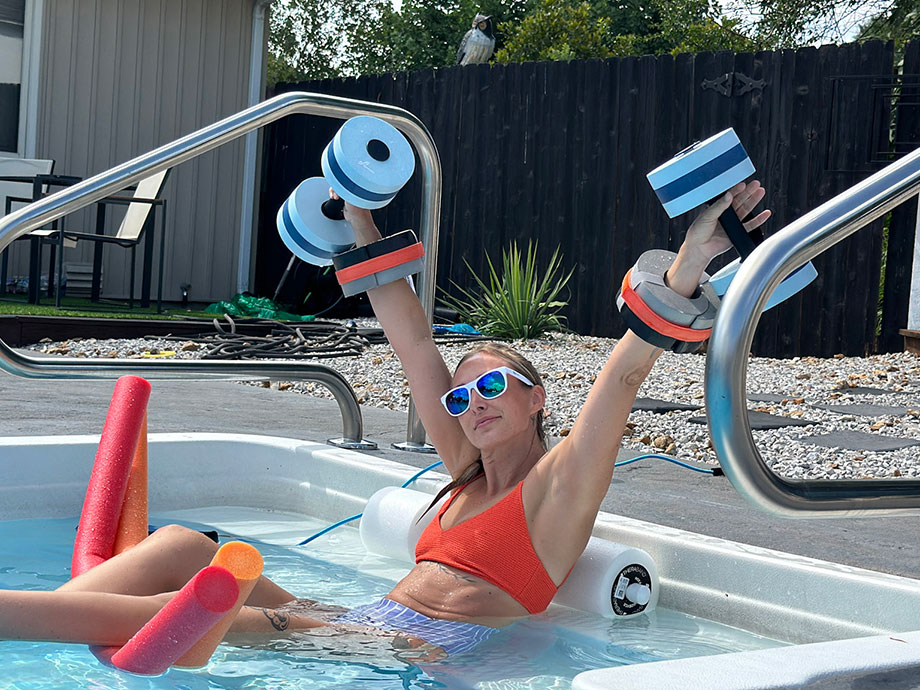
Selecting the Optimal Water Depth for Your Condition
Chest-deep water provides the perfect balance of buoyancy and stability for back pain rehabilitation. When water reaches your nipple line, you experience maximum spinal decompression while maintaining enough resistance for effective strengthening exercises. Avoid deeper water initially, as it can compromise your posture control and breathing patterns, potentially worsening back pain symptoms during early rehabilitation stages.
Essential Equipment for Safe and Effective Sessions
- Non-slip water shoes: Prevent dangerous slips on pool surfaces while providing stable footing
- Foam dumbbells: Add progressive resistance to upper body movements without straining your back
- Pool noodle: Provides crucial support during floating exercises to maintain proper spinal alignment
- Kickboard: Assists with balance during leg movements when your back needs extra support
- Therapy belt: Optional but valuable for deep water exercises when you’re ready to advance
Non-Negotiable Safety Precautions for Back Pain Sufferers
Never attempt aquatic exercises alone when managing back pain. Always inform pool staff about your condition or bring a responsible companion. Begin with just 10-minute sessions and gradually increase duration as your tolerance improves. Stop immediately if you experience sharp pain, radiating symptoms, or increased discomfort after exiting the pool. Consult your physician before starting any new exercise program, especially if you have underlying health conditions.
Core Strengthening Water Exercises That Stabilize Your Spine
Wall-Supported Flutter Kicks for Pain-Free Core Activation
Stand facing the pool wall with hands shoulder-width apart on the edge. Keep your body straight from head to heels while alternating small, controlled leg kicks up and down. Focus on engaging your deep abdominal muscles to prevent your lower back from arching. Perform 3 sets of 20 kicks, taking 30-second rests between sets. This modified version eliminates the strain of traditional flutter kicks while still building essential core strength.
Water-Modified Plank Hold for Gentle Core Endurance
Place your forearms on a kickboard floating at chest level while extending your legs behind you. Maintain a straight body line from head to heels, resisting the temptation to let your hips drop. Hold for 15-30 seconds while breathing normally, completing 3 repetitions with 20-second rests. The water’s buoyancy makes this foundational core exercise accessible even during acute back pain episodes.
Standing Bicycle Crunches with Natural Resistance
Stand in chest-deep water with feet hip-width apart, placing hands behind your head with elbows wide. Bring your right elbow toward your left knee in a controlled motion, then alternate sides. The water provides natural resistance that intensifies the core workout while supporting your spine throughout the movement. Complete 2 sets of 15 repetitions per side, focusing on smooth, pain-free motion.
Spinal Mobility Movements to Restore Natural Movement
Water-Assisted Cat-Camel Stretch for Full Spinal Articulation
Stand with feet shoulder-width apart and knees slightly bent. Round your back fully like an angry cat, then arch it in the opposite direction like a stretching camel. The water supports your weight, allowing fuller spinal movement than you could achieve on land without pain. Perform 10 slow repetitions, emphasizing smooth transitions between positions to improve segmental mobility.
Controlled Spinal Rotations for Disc Health
Stand tall with arms extended to sides at shoulder height. Slowly rotate your torso left and right while keeping hips facing forward. The water resistance provides gentle strengthening for rotational muscles while buoyancy reduces strain on facet joints. Complete 15 controlled rotations each direction, focusing on initiating movement from your core rather than just your arms.
Hip Circles to Mobilize Lumbopelvic Junction
Stand with feet wider than shoulders, making slow, controlled circles with your hips first clockwise then counterclockwise. This movement gently mobilizes the connection between your lower spine and pelvis where many back pain issues originate. Perform 10 circles in each direction, maintaining a slight knee bend and focusing on fluid motion rather than range.
Pain Relief Floating Exercises for Immediate Decompression

Supported Back Float for Natural Spinal Traction
Lie on your back with a pool noodle under your knees and another supporting your neck. Allow your entire body to relax into the water’s support. This position creates natural spinal traction that relieves pressure on compressed discs. Hold for 2-5 minutes while focusing on deep diaphragmatic breathing to enhance relaxation.
Alternating Knee-to-Chest Float for Targeted Relief
From your supported back float position, gently bring one knee toward your chest while keeping the other leg extended. Hold for 15-30 seconds, focusing on the stretch in your lower back and glutes. The water supports your body weight while providing gentle traction. Alternate legs, completing 5 repetitions each side to address imbalances.
Vertical Spinal Traction Position for Disc Rehabilitation
Using a therapy belt in deep water, allow your body to hang vertically with arms extended overhead. The water’s buoyancy creates gentle, sustained spinal traction that relieves pressure on compressed discs. Start with 1-2 minutes and gradually increase as tolerated, focusing on complete relaxation throughout your spine.
Progressive Program Structure for Long-Term Results
.jpg)
Foundation Phase: Weeks 1-2 for Pain Reduction
Focus exclusively on pain relief and gentle mobility during your initial sessions. Begin with 10-minute sessions including supported floating, gentle stretches, and basic water walking. Track your pain levels on a 1-10 scale before and after each session to monitor progress. This phase establishes your baseline tolerance while beginning the healing process.
Building Phase: Weeks 3-4 for Core Activation
Gradually introduce core strengthening exercises while increasing session length to 15-20 minutes. Add modified planks and wall-supported flutter kicks to your routine. Monitor how your back responds 24 hours after each session and adjust intensity accordingly. This phase builds the foundational strength needed for more advanced movements.
Strengthening Phase: Weeks 5-6 for Functional Recovery
Combine all exercise types in 25-30 minute sessions, increasing repetitions and adding resistance equipment. Focus on maintaining proper form as you fatigue to build endurance. This phase prepares your back for everyday movements and reduces the risk of future pain episodes through comprehensive strengthening.
Common Mistakes That Worsen Back Pain in Water
Overextending During Water Exercises
Many back pain sufferers compensate by hyperextending their spine during water movements. Keep all motions controlled and within your pain-free range. Stop immediately if you feel sharp pain or increased symptoms after exiting the pool. Proper form trumps range of motion when recovering from back pain.
Ignoring Postural Cues During Fatigue
Poor posture in water negates therapeutic benefits and can worsen back pain. Maintain neutral spine alignment throughout exercises, even as you fatigue. Use pool walls or equipment for support when needed rather than compromising your form. Your physical therapist can provide specific alignment cues for your condition.
Skipping the Essential Warm-Up Period
Entering the pool and immediately starting exercises can trigger muscle spasms. Always begin with 5 minutes of gentle water walking or supported floating to acclimate your body. This warm-up increases blood flow to injured tissues and prepares your spine for more active movements.
Daily Maintenance Routine: For lasting relief, incorporate 5 minutes of morning water stretches to address overnight stiffness, practice posture awareness while standing in chest-deep water for 2-3 minutes daily, and end each day with 5-10 minutes of supported floating to decompress your spine after daily activities. Consistent aquatic exercise delivers measurable improvement for back pain sufferers, with most patients reporting reduced pain within 2-3 sessions and significant functional gains within 4-6 weeks of regular practice. The key is starting gently, progressing wisely, and maintaining proper form throughout your water therapy journey.