
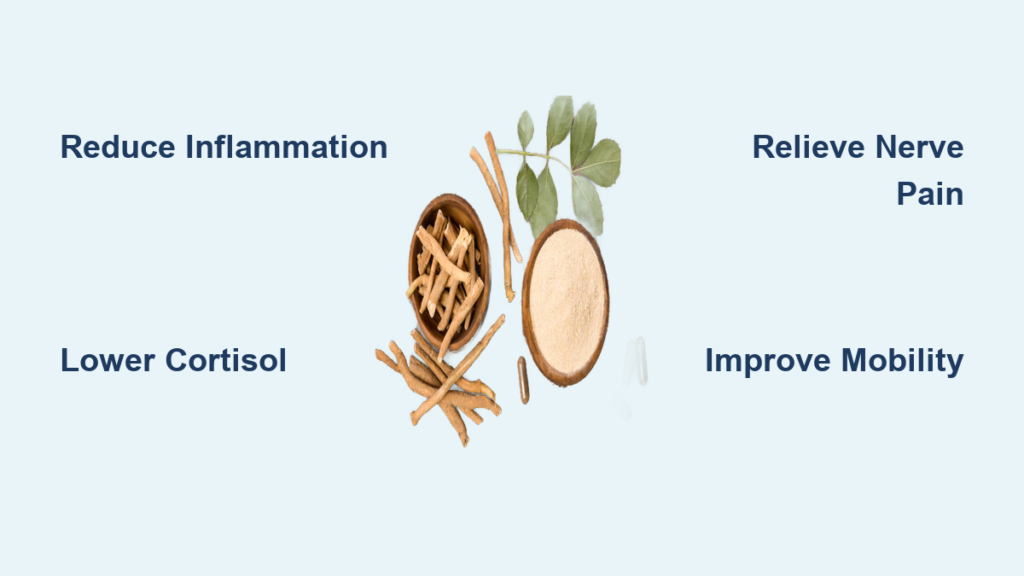
That persistent ache in your lower back that flares up during stressful workdays isn’t just bad luck—it’s your body signaling inflammation and nerve irritation that ashwagandha can effectively address. Unlike conventional painkillers that merely mask symptoms, this ancient Ayurvedic herb works through multiple biological pathways to reduce inflammation, calm overactive pain signals, and restore your body’s natural equilibrium. Recent clinical studies confirm what traditional healers have known for 5,000 years: ashwagandha benefits for back pain extend far beyond simple symptom relief.
When your back pain worsens with stress or seems to have no clear physical cause, ashwagandha’s unique adaptogenic properties target the root mechanisms driving your discomfort. The herb’s dual action on both inflammatory processes and neurological pain pathways creates a comprehensive solution that builds effectiveness over time. You’ll discover how this natural remedy can become your go-to solution for back pain that resists conventional treatments.
Why Ashwagandha Outperforms Typical Pain Relievers for Back Discomfort
Blocking Pain Signals at the Nerve Level
Ashwagandha’s active compounds work as natural gatekeepers preventing pain messages from reaching your brain. When you experience back pain, inflammatory chemicals activate nerve endings that send distress signals up your spinal cord. Ashwagandha interrupts this process by modulating neurotransmitter activity at the nerve junctions, effectively turning down the volume on your pain perception.
Unlike NSAIDs that merely reduce inflammation, ashwagandha targets the communication system between your nerves and brain. This explains why many users report both immediate comfort during acute flare-ups and progressive improvement with consistent use. The herb’s analgesic effects kick in within hours of absorption, while its anti-inflammatory benefits build over weeks.
Reducing Spinal Inflammation Without Gut Damage
Traditional pain medications often damage your digestive system while addressing back pain, but ashwagandha works differently. The herb’s potent anti-inflammatory compounds—particularly withanolides—target pro-inflammatory cytokines that cause swelling around spinal nerves and joints. This reduces pressure on sensitive nerve roots that trigger radiating pain down your legs.
You’ll notice decreased morning stiffness and improved mobility within weeks of consistent use as ashwagandha cools inflammation from within. Clinical evidence shows measurable reductions in inflammatory markers like C-reactive protein, directly correlating with decreased pain levels in musculoskeletal conditions. Unlike steroids or NSAIDs, this natural approach avoids damaging side effects while addressing the root cause.
Proven Science Behind Ashwagandha’s Back Pain Relief
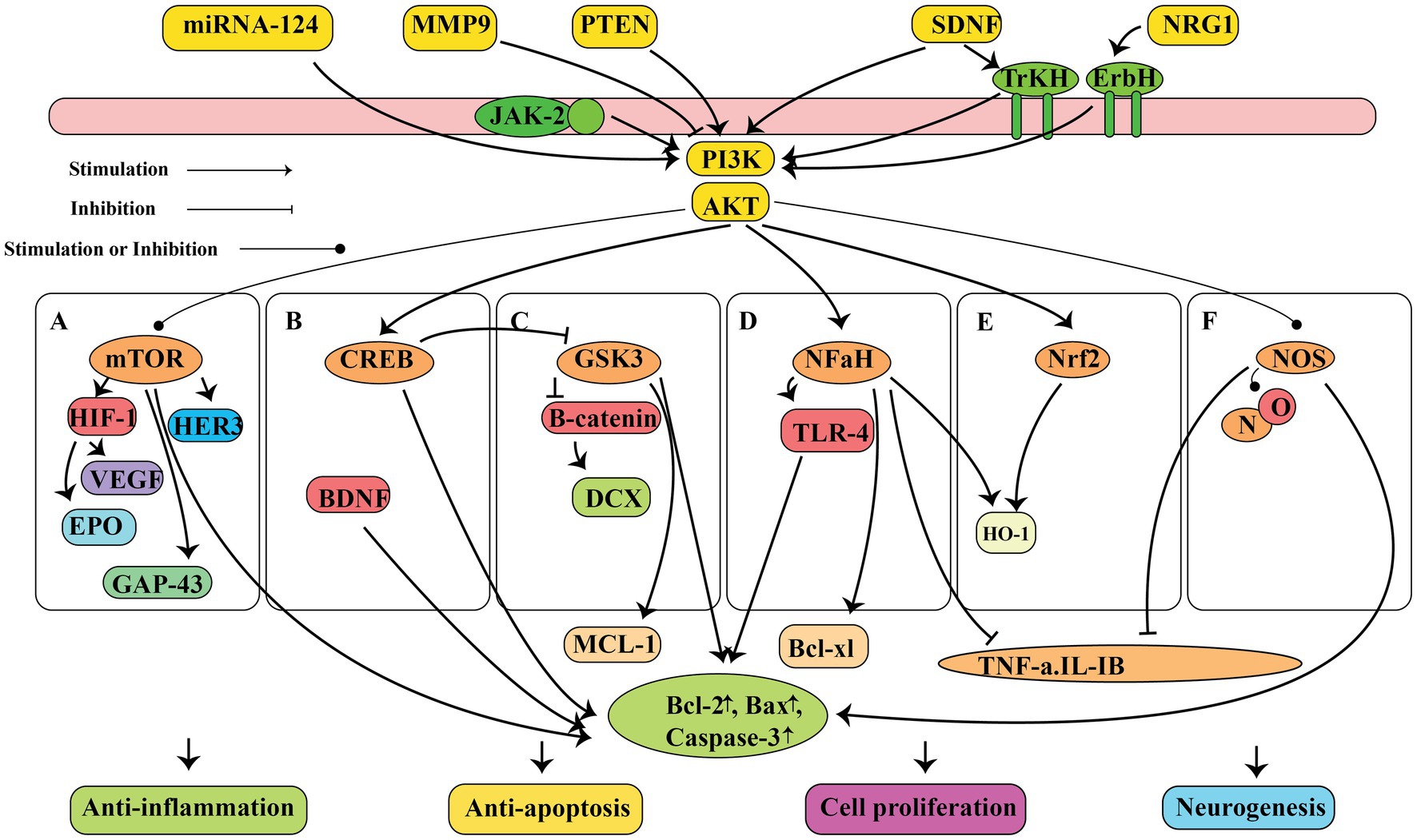
2016 Knee Pain Study Translates Directly to Back Pain
While this landmark study focused on knee pain, the underlying mechanisms apply perfectly to back pain relief. Patients taking ashwagandha experienced significant reductions in both pain scores and visible inflammation within eight weeks. The study documented decreased levels of inflammatory markers and improved joint function—findings directly applicable to spinal joints and surrounding tissues.
You can expect similar results for back pain because the same inflammatory pathways affect both knees and spinal structures. The study’s 500mg daily dosage of standardized extract produced measurable benefits without adverse effects, establishing a reliable benchmark for effective back pain management.
Rheumatoid Arthritis Research Confirms Autoimmune Back Pain Relief
The 2015 clinical trial on rheumatoid arthritis revealed ashwagandha’s ability to regulate immune system overactivity—a key factor in autoimmune-related back pain conditions like ankylosing spondylitis. Participants experienced reduced joint swelling and pain scores, with researchers noting the herb’s capacity to modulate inflammatory responses without suppressing the entire immune system.
If your back pain stems from autoimmune activity, ashwagandha offers targeted relief by addressing the underlying immune dysregulation. This makes it particularly valuable for chronic back pain that worsens with stress or follows an unpredictable pattern, as it tackles both the symptom and disease process simultaneously.
Ayurvedic Back Pain Protocol: Beyond Simple Supplementation
Fixing Vata Imbalance Causing Your Stiffness
Ayurveda identifies most back pain as Vata dosha imbalance—characterized by dryness, movement, and space in your system. When Vata becomes aggravated through stress, irregular schedules, or cold exposure, it manifests as muscle spasms, nerve pain, and stiffness in your back. Ashwagandha’s warming, grounding properties directly counteract this excess Vata energy.
You’ll notice significant improvement when using ashwagandha consistently because it literally “weighs down” the chaotic Vata energy causing erratic pain signals. This explains why the herb works exceptionally well for back pain that worsens with travel, weather changes, or emotional stress—all classic Vata-aggravating factors.
Kati Basti: Ayurvedic Back Pain Treatment Enhanced by Ashwagandha
Traditional Kati Basti therapy creates a reservoir of warm, medicated oil on your lower back to penetrate deep into affected tissues. When prepared with ashwagandha-infused oil, this treatment delivers concentrated pain relief directly to your lumbar region. The herb’s muscle-relaxing compounds absorb through your skin while the warmth improves circulation.
For best results, combine internal ashwagandha supplementation with weekly Kati Basti treatments. The dual approach addresses both systemic inflammation and localized tissue stiffness, creating synergistic relief that neither method achieves alone. You’ll experience faster recovery from acute flare-ups and better long-term management of chronic back pain.
Stress-Back Pain Connection: How Ashwagandha Breaks the Cycle

Lowering Cortisol to Release Chronic Muscle Tension
Your stress hormone cortisol directly fuels back pain by keeping your muscles perpetually tight and triggering inflammatory responses. Ashwagandha’s remarkable ability to normalize cortisol levels breaks this vicious cycle. When you’re chronically stressed, your back muscles remain in constant contraction, creating trigger points and restricted movement.
Clinical studies show ashwagandha can reduce cortisol levels by up to 30% in stressed individuals. This hormonal balancing translates to visibly relaxed back muscles and decreased pain sensitivity within weeks. You’ll notice your back pain diminishing proportionally with your stress levels—a testament to the mind-body connection ashwagandha helps restore.
Anxiety Reduction Without Drowsiness or Dependency
Unlike pharmaceutical anxiety medications, ashwagandha provides calm alertness without sedation. Research comparing it to Lorazepam found it equally effective for anxiety relief but without the drowsiness that can interfere with daily activities. This is crucial because anxiety amplifies pain perception through heightened nervous system sensitivity.
You’ll benefit from reduced pain perception without compromising your ability to work, drive, or exercise safely. Users typically report feeling both calmer and more energized—a combination that supports active recovery from back pain while breaking the pain-anxiety-pain cycle.
Effective Ashwagandha Dosage Strategies for Back Pain

Choosing Your Optimal Delivery Method
Powder: Mix ½-1 teaspoon in warm milk or herbal tea before bed for maximum absorption and relaxation benefits. Traditional preparation enhances the herb’s Vata-pacifying properties.
Capsules: Select standardized extracts containing 5% withanolides for consistent dosing—ideal for busy schedules. Take 300-500mg twice daily with food for sustained relief.
Liquid extracts: Use 30-60 drops in water for rapid absorption during acute flare-ups. Sublingual application allows faster entry into your bloodstream.
Customizing Your Dosing Schedule
Start with lower doses (300mg daily) to assess tolerance before gradually increasing. For stress-related back pain, take half your dose in the morning and half before bed to maintain cortisol regulation throughout the day. Consistent use for 6-8 weeks yields optimal results as ashwagandha’s adaptogenic effects build cumulatively.
Track your progress using a simple 1-10 pain scale and note improvements in morning stiffness duration. Most users report noticeable relief within 2-3 weeks, with significant improvements emerging around the 6-week mark when combined with stress management practices.
Critical Safety Information for Back Pain Sufferers
Avoid These Dangerous Combinations
Never take ashwagandha if you’re pregnant or breastfeeding—it can stimulate uterine contractions and affect hormone levels. Individuals with autoimmune conditions should use cautiously as ashwagandha may stimulate immune function.
Watch for these medication interactions:
– Thyroid medications (may require dosage adjustment)
– Blood pressure drugs (risk of excessive lowering)
– Diabetes medications (may affect blood glucose levels)
– Sedatives (potential additive effects)
Recognizing and Managing Side Effects
While most users tolerate ashwagandha well, some experience digestive upset, drowsiness, or low blood pressure at higher doses. Start with smaller doses and take with food to minimize these effects. If you experience unusual fatigue or dizziness, reduce your dose by half and consult your healthcare provider.
Keep a symptom journal tracking pain levels, sleep quality, and any side effects. This helps identify your optimal dose while providing valuable information for healthcare providers managing potential medication interactions.
Maximizing Results with Complementary Therapies
Synergistic Herb Combinations for Back Pain
Ashwagandha + Boswellia: This powerful duo targets both pain perception and inflammation simultaneously. Boswellia’s resin compounds inhibit inflammatory enzymes while ashwagandha calms nervous system responses.
Ashwagandha + Guggulu: Traditional Ayurvedic formulations combine these herbs for enhanced joint and back pain relief. Guggulu’s detoxifying properties remove inflammatory waste products while ashwagandha reduces pain sensitivity.
Essential Movement Practices to Amplify Benefits
Bhujangasana (Cobra Pose): Hold for 15-30 seconds while breathing deeply to gently stretch your lower back as ashwagandha reduces inflammation.
Shalabhasana (Locust Pose): Strengthen posterior muscles while the herb improves recovery—perform 3 sets of 10 repetitions daily.
Pranayama (Breathing Exercises): Practice Nadi Shodhana (alternate nostril breathing) for 5 minutes twice daily to enhance ashwagandha’s stress-reducing effects.
Final Note: Ashwagandha provides a scientifically validated pathway to address back pain at its source rather than merely masking symptoms. By consistently using the right form and dosage while avoiding dangerous interactions, you can harness this ancient remedy’s full potential for lasting relief. Always consult your healthcare provider before starting ashwagandha, especially if you have underlying health conditions or take medications. For optimal results, combine supplementation with stress management techniques and gentle movement practices to create a comprehensive back pain solution that builds resilience against future flare-ups. Start with a conservative dose, track your progress, and adjust based on your body’s response for personalized pain relief that improves with time.