

That deep, aching discomfort in your buttock that sometimes shoots down your leg isn’t just ordinary muscle soreness—it’s likely piriformis syndrome, a condition affecting 0.3-6% of people with lower back pain. When you experience persistent back bum pain that intensifies after sitting through a long meeting or driving, you’re dealing with sciatic nerve compression caused by your piriformis muscle. This often-misdiagnosed condition creates misery for thousands who mistakenly treat it as general lower back pain.
Unlike typical muscle strains, back bum pain from piriformis syndrome follows a distinct pattern that sets it apart from other conditions. You’ll notice the pain originates specifically in your buttock region rather than your lower spine, and it tends to worsen with certain movements like climbing stairs or rotating your hip. The good news? Most cases respond well to targeted treatment within days to weeks when addressed properly.
This guide reveals exactly how to identify whether your back bum pain stems from piriformis syndrome, distinguish it from similar conditions, and implement proven relief strategies you can start today. You’ll discover why this condition develops, how to modify your activities for immediate comfort, and specific exercises that provide lasting relief without medication or surgery.
How to Confirm Piriformis Syndrome vs. Sciatica
Understanding whether your back bum pain comes from piriformis syndrome or true sciatica determines your entire treatment approach. While both conditions involve sciatic nerve irritation and can cause similar leg pain, their origins differ significantly. True sciatica typically stems from spinal issues like herniated disks or spinal stenosis, with pain radiating from your lower back through your buttock and down your leg.
Piriformis syndrome, however, originates directly in your buttock where the piriformis muscle compresses the sciatic nerve. This creates more localized symptoms centered specifically in your buttock region, though the pain can still follow the nerve pathway down your leg. The key difference? Piriformis-related back bum pain rarely involves significant lower back discomfort.
Critical Diagnostic Clues
Pinpointing your exact condition requires attention to specific symptom patterns:
- Pain origin: Piriformis syndrome causes pain that starts deep in your buttock, while sciatica typically begins in your lower back
- Trigger activities: Your back bum pain worsens significantly with prolonged sitting or hip rotation (like crossing your legs), not necessarily with forward bending
- Symptom quality: You’ll typically describe piriformis pain as a deep ache rather than sharp or burning
- Back involvement: Minimal to no lower back stiffness or pain distinguishes piriformis syndrome from spinal issues
The Hidden Anatomy Behind Your Back Bum Pain
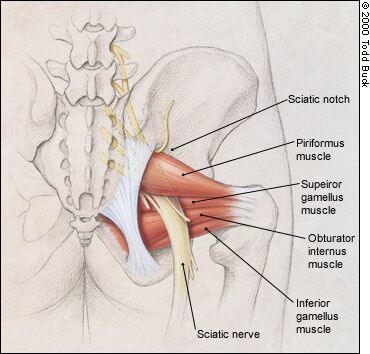
Your piriformis muscle—a flat, narrow band running from your lower spine across your buttock to your thigh—plays a crucial role in nearly every lower body movement. This often-overlooked muscle enables walking, running, and even maintaining balance while standing. Directly beneath it travels the sciatic nerve, the longest nerve in your body, which extends from your spinal cord down the back of each leg to your feet.
When your piriformis muscle becomes tight, swollen, or develops scar tissue, it compresses this vital nerve pathway, creating the characteristic symptoms of piriformis syndrome. This compression explains why your back bum pain often radiates down the back of your leg following the sciatic nerve’s path. In most people, the nerve passes cleanly beneath the muscle, but when inflammation occurs, that space disappears, causing your debilitating symptoms.
What Actually Causes Your Back Bum Pain Flare-Ups
Understanding what triggers your piriformis syndrome helps prevent future episodes. Most cases (classified as secondary piriformis syndrome) develop from:
- Muscle injury from falls, sports, or overuse that creates inflammation
- Swelling following trauma or repetitive strain activities
- Muscle spasms that maintain constant pressure on the sciatic nerve
- Scar tissue formation within the piriformis muscle from previous injuries
A smaller percentage of cases (primary piriformis syndrome) stem from anatomical variations present from birth, including unusual sciatic nerve pathways or atypical muscle formation. While you can’t change your anatomy, recognizing activity-related triggers gives you control over managing your back bum pain.
Spotting Piriformis Syndrome Symptoms Before They Worsen
Your back bum pain likely stems from piriformis syndrome if you experience these specific symptoms:
- Deep buttock pain that feels like it’s inside your hip rather than on the surface
- Radiating discomfort that travels down the back of your thigh, sometimes reaching your calf or foot
- Aching quality rather than sharp, shooting, or burning sensations
- Activity-specific worsening during prolonged sitting, stair climbing, or hip rotation movements
Unlike spinal conditions, piriformis syndrome rarely causes significant lower back pain. Many sufferers report their back bum pain intensifies after sitting through a movie or long car ride, improving temporarily with walking. If you notice your pain follows this pattern, piriformis syndrome is likely the culprit.
Your At-Home Diagnostic Checklist

Since no specific test confirms piriformis syndrome, use this practical assessment method:
Self-Testing Techniques
- Piriformis palpation: Gently press deep into the center of your buttock—tenderness here suggests involvement
- Freiberg maneuver: Lie on your back and have someone slowly rotate your straight leg inward—pain indicates piriformis issues
- Pace sign: Pain when walking with a slight external rotation of your hip often points to piriformis syndrome
Warning Signs Needing Professional Evaluation
Contact a healthcare provider immediately if you experience:
– Frequent tripping or falling due to leg weakness
– Persistent symptoms lasting beyond 2-3 weeks despite home treatment
– Numbness or tingling that doesn’t improve with position changes
– Functional decline affecting your ability to perform daily tasks
Immediate Relief Strategies for Back Bum Pain
Most piriformis syndrome cases respond well to conservative treatment when implemented correctly. Follow this step-by-step approach for rapid symptom reduction:
First 72 Hours Protocol
- Strategic rest: Limit aggravating activities for 2-3 days but maintain light walking to prevent muscle tightening
- Strategic positioning: When sitting, place a small pillow under your affected buttock to reduce nerve compression
- Gentle heat application: Use a heating pad on low for 15-20 minutes to relax the tight piriformis muscle
Essential Stretching Routine
Perform these stretches gently, holding each for 30 seconds, 3 times daily:
- Supine piriformis stretch: Lie on your back, cross your affected ankle over the opposite knee, and gently pull your thigh toward your chest
- Seated figure-four stretch: Sit upright in a chair, cross your affected ankle over the opposite knee, and lean forward slightly
- Standing piriformis stretch: Stand holding a wall for balance, cross your affected ankle behind the opposite knee, and slowly lower into a squat position
Preventing Back Bum Pain Recurrence for Good
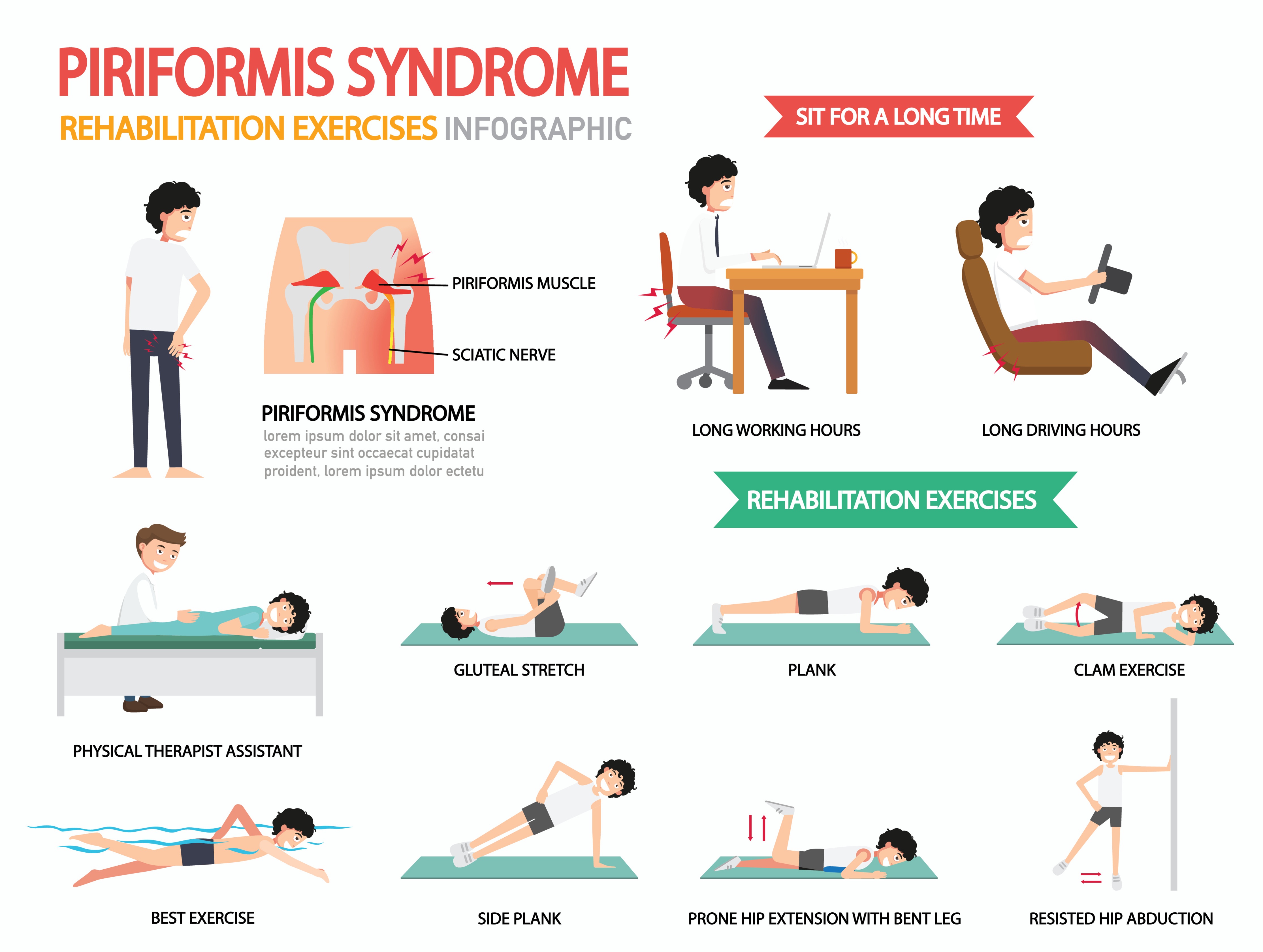
Piriformis syndrome tends to recur without proper prevention strategies. Implement these evidence-based approaches:
Daily Prevention Habits
- Regular movement breaks: Stand and walk for 2-3 minutes every 30 minutes when sitting for extended periods
- Proper warm-up: Always perform dynamic stretches before exercise or physical activity
- Posture awareness: Maintain neutral spine alignment when sitting, especially in office chairs or cars
Long-Term Strengthening Plan
Build resilience with these targeted exercises 3 times weekly:
– Clamshells: Lie on your side with knees bent, keeping feet together while lifting your top knee
– Glute bridges: Lie on your back with knees bent, lifting your hips while squeezing your glutes
– Side-lying leg lifts: Strengthen hip abductors to support proper pelvic alignment
When to Consider Advanced Treatment Options
Most back bum pain cases resolve with conservative management, but persistent symptoms may require additional interventions. If you’ve consistently followed the home treatment protocol for 4-6 weeks without improvement, consult a physical therapist specializing in pelvic health.
Physical therapy typically includes targeted manual therapy techniques to release the piriformis muscle and specialized exercises to address muscle imbalances. In rare cases where all conservative approaches fail, your healthcare provider might discuss injection therapy to reduce inflammation around the sciatic nerve.
Surgery remains an absolute last resort, reserved for severe cases unresponsive to all other treatments after thorough evaluation. The procedure involves removing scar tissue or other compressive elements affecting the sciatic nerve, but this becomes necessary in only a small percentage of cases.
Critical Takeaways for Permanent Back Bum Pain Relief

Your back bum pain from piriformis syndrome, while uncomfortable, responds exceptionally well to proper management when addressed early. The key to lasting relief lies in recognizing the specific symptom pattern, implementing targeted stretches immediately, and establishing preventive habits that protect your piriformis muscle long-term.
Most importantly, consistent adherence to preventive exercises significantly reduces recurrence risk—those who skip their maintenance routines face repeated flare-ups. Remember that persistent buttock pain radiating down your leg deserves professional evaluation if it limits your daily activities or fails to improve within 2-3 weeks of home treatment.
By understanding your piriformis muscle’s role and implementing these evidence-based strategies, you can expect substantial improvement within days and complete resolution within weeks. Don’t let back bum pain dictate your life—take control today with these practical, proven solutions that address the root cause rather than just masking symptoms.