
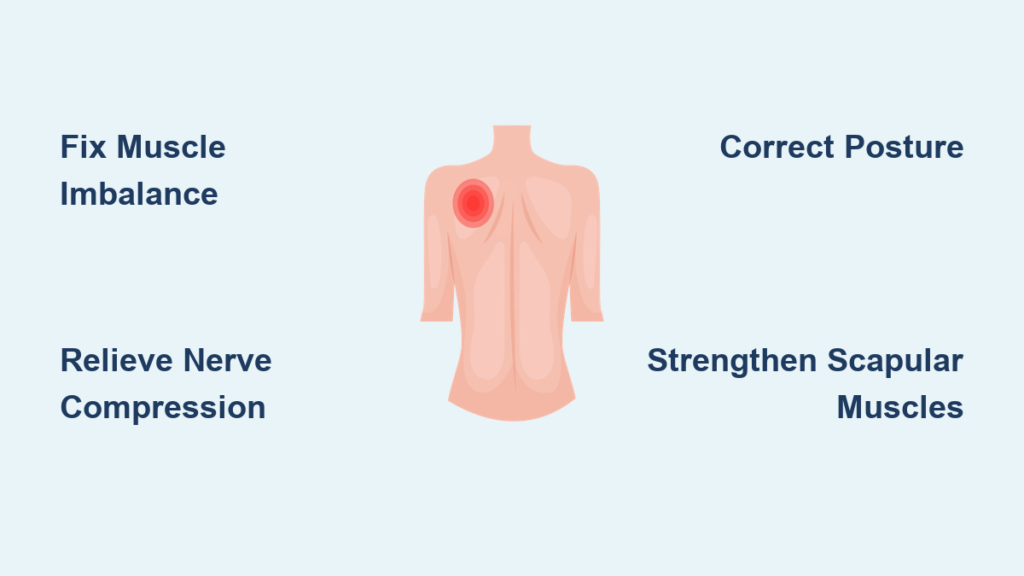
That sharp twinge between your shoulder blades when reaching for the top shelf or the dull ache that wakes you at night—back left shoulder blade pain disrupts everything from simple daily tasks to your quality of sleep. If you’re right-handed, you’re especially vulnerable as your dominant side compensates for repetitive motions, leaving your left scapular region bearing abnormal stress. This specific discomfort affects millions who mistakenly dismiss it as “just muscle strain” while the underlying issue worsens.
Understanding the precise cause of your back left shoulder blade pain transforms your recovery journey from guesswork to targeted treatment. Whether it’s muscle imbalance pulling your scapula out of alignment or nerve compression creating radiating sensations, this guide delivers actionable steps you can implement today. You’ll learn to differentiate between minor muscular issues and serious conditions requiring medical attention, plus discover exercises proven to restore proper scapular positioning within weeks.
Why Your Left Shoulder Blade Pain Won’t Go Away
Muscle Imbalance Patterns
Your scapular stabilizers—particularly the serratus anterior, rhomboids, and lower trapezius—create the foundation for shoulder blade stability. When these muscles weaken on your left side while your pectoral muscles tighten from slouching at your desk, your shoulder blade loses its proper resting position. This imbalance creates visible “winging” where the inner border of your left scapula protrudes outward, especially noticeable when raising your arm.
Right-handed individuals develop left-sided shoulder blade pain more frequently because daily activities favor the dominant arm. Extended computer use with rounded shoulders, repetitive lifting motions, or consistently sleeping on your left side create uneven stress patterns. The resulting muscle imbalance restricts normal scapular movement during arm elevation, causing pain along the top and inner border of your left shoulder blade.
Nerve Compression Warning Signs
Nerve-related back left shoulder blade pain presents differently than simple muscle strain. Thoracic nerve compression creates burning sensations that radiate from your spine toward your shoulder blade, often accompanied by numbness or tingling down your left arm. You might notice sudden weakness when attempting to lift objects or perform overhead movements. These neurological symptoms require immediate professional evaluation to prevent permanent nerve damage.
Diagnose Your Left Shoulder Blade Pain at Home
Visual Self-Assessment Steps
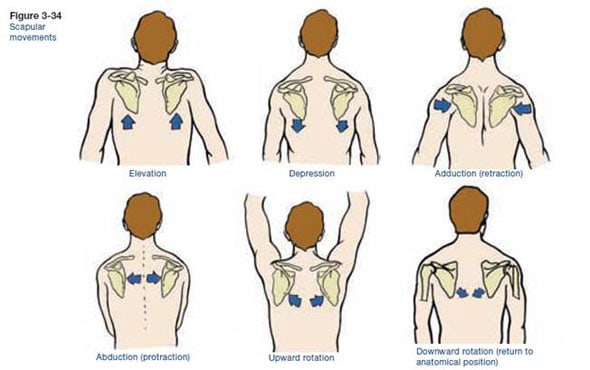
Stand before a full-length mirror and observe your shoulder blade positioning without clothing. Normal scapulae rest flat against your ribcage, approximately 2-3 inches from your spine. Look for these critical warning signs specific to your left side:
- Medial border prominence where your left shoulder blade sticks out more than the right
- Asymmetrical height with one shoulder blade sitting higher than the other
- Visible winging when raising your arms overhead
- Muscle wasting in the upper back area near your left scapula
Perform the wall push test to confirm scapular dyskinesis: Place both palms flat against a wall at shoulder height. Slowly push away while watching your reflection. If your left shoulder blade pops away from your back while the right remains stable, you’ve identified scapular dyskinesis requiring targeted intervention.
Movement Pattern Testing
Identify your specific pain triggers through controlled movements. Start with gentle arm circles forward and backward, noting when pain intensifies on your left side. Test overhead reach by attempting to touch the ceiling with your left arm while keeping your right arm down—pain occurring above shoulder level suggests rotator cuff involvement.
Document your findings by rating pain on a scale of 1-10 during different activities. This creates a baseline for tracking improvement and helps healthcare providers understand your specific presentation. Pain that worsens with deep breathing or coughing may indicate rib-related issues rather than pure muscular problems.
Fix Scapular Dyskinesis Fast with These Techniques
Immediate Pain Relief Methods
Apply targeted heat therapy for 15-20 minutes using a heating pad positioned directly over your painful area. Heat increases blood flow, relaxes tight muscles, and reduces pain signals. Follow with gentle stretching: Place your left hand behind your head, gently pulling the elbow toward the opposite shoulder until you feel a comfortable stretch across your upper back.
Use the tennis ball method for trigger point release: Lie on your back with a tennis ball positioned between your left shoulder blade and spine. Roll gently to massage tight spots, pausing on tender areas for 30-60 seconds until they release. This technique directly addresses the muscular knots causing your back left shoulder blade pain.
Correct Posture Instantly at Work
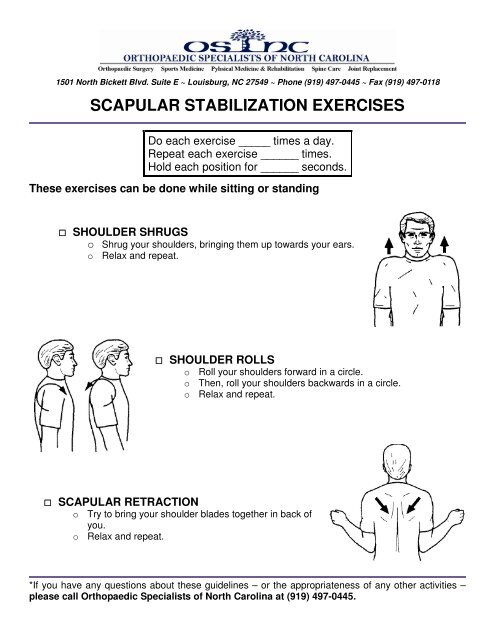
Reset your shoulder position throughout the day using the “shoulder blade squeeze” technique. Pull both shoulder blades down and back, imagining you’re trying to put them into your back pockets. Hold for 5 seconds, release slowly. Perform 10 repetitions every hour during workdays to counteract forward head posture.
Adjust your workspace immediately: Position your computer monitor at eye level, keep elbows at 90 degrees when typing, and use a chair supporting your lower back. These ergonomic changes prevent the muscle imbalances causing your persistent back left shoulder blade pain. Set phone reminders to check your posture every 30 minutes.
Strengthen Weak Scapular Muscles in 8 Weeks
Essential Strengthening Exercises
Begin with the prone Y-T-W sequence: Lie face-down on a mat. Form each letter with your arms, lifting them 2-3 inches off the ground. Hold each position for 2-3 seconds. Progress to resistance bands: Anchor a band at chest height, pull straight back while squeezing shoulder blades together.
Wall slides provide gentle strengthening: Stand with back against wall, arms at 90-degree angles. Slowly slide arms upward, maintaining contact with wall throughout movement. Stop before pain occurs. Aim for 2-3 sets of 10-15 repetitions, 3 times weekly to rebuild scapular stability.
Advanced Progression Plan
Weeks 1-2: Focus on pain reduction and posture awareness. Perform gentle stretches and wall slides daily.
Weeks 3-4: Add resistance band exercises. Increase hold times from 2 to 5 seconds.
Weeks 5-6: Introduce light weights (2-3 pounds) for rows and reverse flies. Maintain strict form.
Weeks 7-8: Progress to functional movements that mimic daily activities. Add reaching exercises and multi-directional arm movements.
Stretch Tight Chest Muscles Causing Left Shoulder Pain
Doorway Stretch Protocol
Open your chest muscles that pull shoulders forward. Stand in a doorway with arms at 90-degree angles against door frame. Step through until you feel gentle stretching across chest and front shoulders. Hold for 30-45 seconds, repeating 3-5 times daily. This counteracts the rounded shoulder posture contributing to your back left shoulder blade pain.
Modify based on pain levels: Reduce arm height if overhead positions hurt. Focus on gentle sustained stretches rather than bouncing movements that can aggravate symptoms. Consistent stretching for just two weeks significantly improves scapular positioning.
Foam Rolling Chest Release
Lie face-down with foam roller positioned horizontally under your collarbones. Slowly roll from collarbone to sternum, pausing on tender spots. Cross your left arm over your body to target the pectoralis minor muscle contributing to shoulder blade dysfunction.
Spend 2-3 minutes total chest rolling, 5-6 days per week. Stop immediately if pain worsens or radiates down your arm. This technique releases the tight anterior muscles pulling your left scapula out of alignment.
Prevent Back Left Shoulder Blade Pain Recurrence
Daily Maintenance Routine
Implement this 3-times-weekly maintenance program to prevent pain recurrence:
– 5 minutes of chest stretching to maintain muscle balance
– 10 strengthening repetitions of each scapular exercise
– Posture checks every 30 minutes during computer work
– Regular movement breaks every 60 minutes to reset positioning
Track your consistency using a simple calendar system. Mark successful days with a checkmark to build sustainable habits that protect your left shoulder blade long-term.
Activity Modifications That Work
Modify repetitive activities that strain your left shoulder. When lifting, engage your core and keep objects close to your body. Alternate sleeping positions to reduce overnight stress on the affected shoulder blade. Consider a pillow between knees when side-sleeping to maintain spinal alignment.
Invest in these ergonomic upgrades: An adjustable chair with lumbar support, a standing desk converter, and a supportive pillow for nighttime use. These small changes prevent the muscle imbalances causing your back left shoulder blade pain.
When to Seek Professional Help for Left Shoulder Pain
Critical Red Flag Symptoms
Seek immediate medical attention if you experience:
– Numbness or tingling radiating down your left arm
– Chest pain accompanying shoulder blade pain
– Sudden weakness in hand grip or arm strength
– Unexplained weight loss with persistent symptoms
– Pain worsening at night or disrupting sleep consistently
These symptoms suggest potentially serious conditions including heart problems, nerve compression, or systemic issues requiring specialized evaluation.
Choosing the Right Healthcare Provider
Start with a physical therapist specializing in shoulder disorders. They provide detailed movement assessments and create personalized exercise programs. Orthopedic consultation becomes necessary if conservative treatment fails after 6-8 weeks of dedicated effort.
Ask these critical questions: What’s causing my specific pain? How long until improvement? Which exercises should I avoid? When can I resume normal activities? The right provider will address your back left shoulder blade pain with targeted solutions.
Your back left shoulder blade pain represents a correctable problem, not a permanent limitation. The combination of targeted stretching, strengthening, and postural retraining addresses root causes rather than masking symptoms. Start with gentle movements today, progress systematically, and reclaim pain-free function through consistent application of these proven strategies. Most cases show significant improvement within 4-6 weeks when following this structured approach—your path to relief begins with the first shoulder blade squeeze.