

When lower back pain strikes alongside digestive troubles, most people treat them as separate problems. Yet groundbreaking research reveals they’re frequently intertwined. A landmark study tracking 38,000 Australian women found those with multiple bowel symptoms were three times more likely to experience frequent back pain—regardless of age. This isn’t coincidence but biology: your gut and spine share nerve pathways, muscle systems, and inflammatory responses that create a vicious pain cycle. Understanding this connection transforms how you address both issues, preventing misdiagnosis and ineffective treatments. You’ll discover why constipation strains your spine, how IBS triggers referred pain, and specific steps to break this cycle—starting today.
How Bowel Straining Causes Lower Back Damage
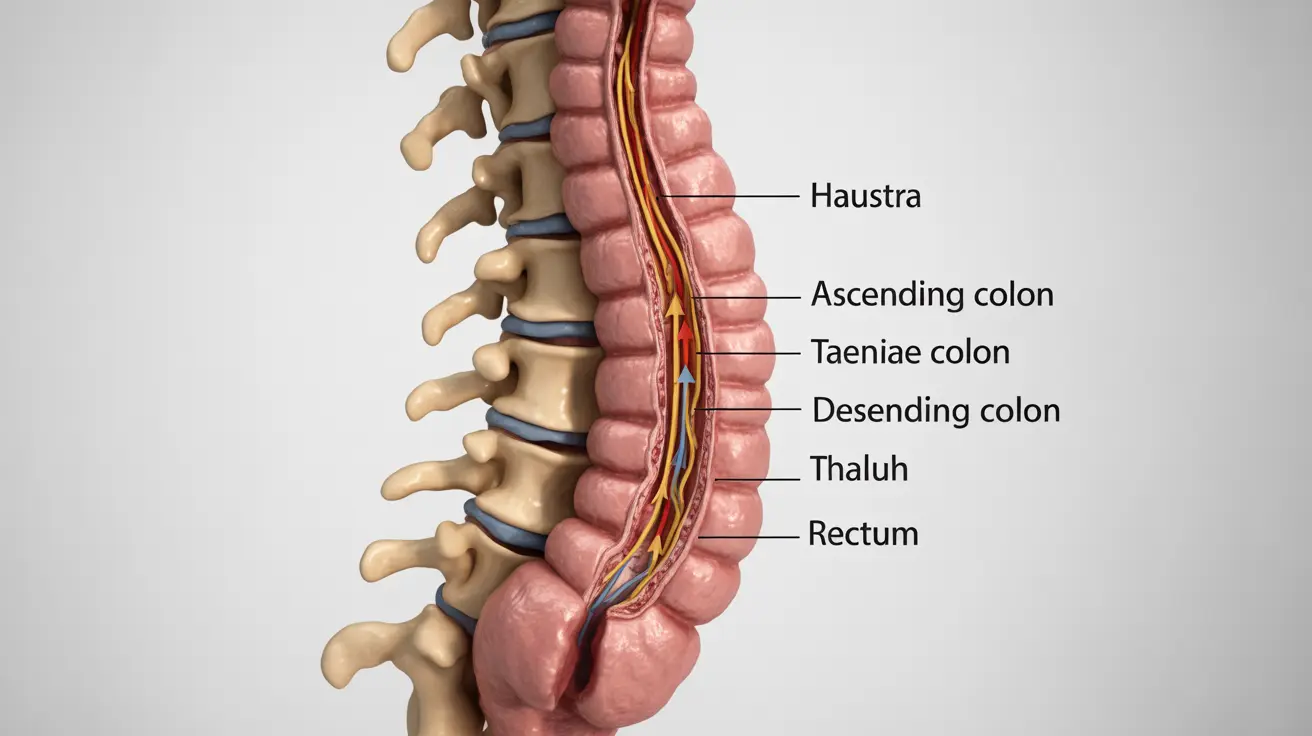
Shared Nerve Pathways Confuse Pain Signals
Your spinal cord processes gut and back pain through identical nerve segments, causing sensory misdirection. This viscerosomatic convergence explains why kidney stones create flank pain radiating to your groin, and why endometriosis triggers lower back agony despite originating in the pelvis. When bowel inflammation occurs, your brain often misinterprets the signals as muscular back pain—delaying proper treatment. You might feel deep lower back discomfort during IBS flare-ups even without spinal injury, because nerve signals from your distended colon hijack pathways meant for your lumbar region.
Straining Overloads Your Lumbar Discs
The Valsalva maneuver during difficult bowel movements spikes abdominal pressure up to 100 mmHg—transferring dangerous force directly to your lumbar discs. Chronic constipation compounds this through sustained abdominal distension, forcing your paraspinal muscles into constant contraction to stabilize your posture. This relentless tension creates micro-tears in spinal ligaments and accelerates disc degeneration. Warning: Repeated straining can cause disc herniation or sacroiliac joint dysfunction, turning temporary discomfort into chronic pain. If you routinely grip bathroom fixtures while defecating, your spine is absorbing damaging pressure.
Stress Intensifies Both Systems Simultaneously
Psychological stress activates your gut-brain axis, heightening visceral sensitivity while triggering back muscle guarding. This creates a self-fueling loop: anxiety worsens IBS symptoms, which increases referred back pain, which then triggers more anxiety. You might notice your lower back tightens during bowel urgency or diarrhea episodes—not from spinal issues, but from stress-induced muscle spasms responding to gut distress. Breaking this cycle requires addressing both systems concurrently.
5 Conditions That Cause Both Back Pain and Bowel Issues

IBS: The Triple-Threat Pain Generator
Affecting 10-15% of people globally, IBS links to lower back pain through three mechanisms: nerve convergence misdirecting gut pain, bloating altering spinal alignment, and stress amplifying muscle tension. Women experience this more frequently due to hormonal influences on pain perception. Key sign: Back pain worsening with bloating or after meals, improving after bowel movements. Unlike mechanical back pain, IBS-related discomfort often fluctuates with bowel patterns and menstrual cycles.
Inflammatory Bowel Disease and Spinal Arthritis
Enteropathic arthritis strikes 20% of IBD patients, causing sacroiliac joint inflammation that produces dull lower back pain with morning stiffness—improving with movement. This differs from typical back pain as it flares alongside bloody stools or diarrhea. Critical distinction: If your back pain eases with activity but worsens overnight, and coincides with intestinal symptoms, IBD-related arthritis is likely the culprit.
Fecal Impaction in Any Age Group
Large, hard stool lodged in your rectum creates pressure radiating to your sacrum and lower back. Often overlooked in younger adults, this frequently stems from chronic laxative overuse. Red flag: Paradoxical diarrhea (liquid stool leaking around the impaction) masking severe constipation. You may feel constant lower back pressure relieved only by manual disimpaction.
Endometriosis: Bowel-Invading Pain
Endometrial tissue growing on bowel surfaces or pelvic ligaments causes cyclic back pain worsening during menstruation. When implants press on sacral nerves, you might experience sciatica-like symptoms during bowel movements. Telltale sign: Deep back pain during defecation or intercourse, unresponsive to standard back treatments.
Pancreatic Disease: Radiating Upper-Abdominal Pain
Acute or chronic pancreatitis generates epigastric pain piercing straight through to your mid-back, often with nausea and greasy stools. Pancreatic cancer causes similar but progressive pain with unexplained weight loss. Urgent indicator: Back pain worsening when lying flat, relieved by leaning forward.
7 Emergency Signs Needing Immediate ER Care
Seek emergency help if you experience:
– Severe pain rapidly worsening in both abdomen and back
– Fever with chills alongside bowel changes
– Blood in stool or unexplained weight loss
– Loss of bowel/bladder control
– Jaundice (yellow skin) or clay-colored stools
– Leg weakness or saddle anesthesia (numbness in groin)
– Persistent vomiting with inability to keep fluids down
These indicate life-threatening conditions like bowel perforation, severe infection, or spinal cord compression requiring immediate intervention.
Your Doctor’s Diagnostic Checklist
Symptom Tracking That Reveals Causes
Document pain timing relative to meals, bowel movements, and menstrual cycles for two weeks. Note:
– Pain intensity (0-10 scale)
– Stool consistency (Bristol Stool Chart)
– Food triggers and stress levels
This diary helps distinguish IBS from structural issues. For example, back pain improving after gas release suggests visceral hypersensitivity, while pain worsening with sitting points to disc problems.
Targeted Physical Tests You Should Expect
Your doctor will:
– Palpate costovertebral angles for kidney involvement
– Perform straight-leg raises to rule out nerve root compression
– Conduct digital rectal exams to assess for impaction or inflammation
– Evaluate pelvic floor muscle tension affecting both systems
Pro tip: Mention if pain shifts with position—IBD-related joint pain eases with movement, while disc pain worsens.
4 Proven Treatments to Stop the Pain Cycle
Dietary Fixes That Help Both Systems
Start with these evidence-based steps:
1. Hydrate aggressively: 2-3 liters daily softens stool and reduces muscle tension
2. Use soluble fiber: Psyllium (not bran) absorbs water to ease constipation without bloating
3. Adopt low-FODMAP diet: Eliminate trigger foods (onions, garlic, apples) under dietitian guidance
4. Eat small meals: Prevents abdominal distension straining your spine
Avoid: Insoluble fiber (wheat bran) which worsens bloating in IBS.
Core Strengthening That Supports Gut and Spine
Begin with these spine-sparing exercises:
– Pelvic tilts: Lie on back, flatten lower spine into floor (10 reps, 3x daily)
– Heel slides: While lying down, slowly slide heels out while maintaining pelvic stability
– Diaphragmatic breathing: 5 minutes twice daily to relax gut cramps and back muscles
Critical: Stop if pain increases—these should relieve, not aggravate.
Medication Strategies That Avoid Harm
Choose wisely:
– Acetaminophen for safe dual pain relief (avoid NSAIDs with IBD)
– Antispasmodics (dicyclomine) for intestinal cramping triggering back pain
– Gabapentin for neuropathic pain from endometriosis or nerve compression
Never combine laxatives and stool softeners without medical supervision—they worsen impaction.
3 Daily Habits to Prevent Back Pain and Bowel Issues
Optimize Toilet Positioning Immediately
Place a footstool under your feet to elevate knees above hips. This straightens the anorectal angle, reducing straining pressure on spinal discs by 30%. Aim for 30 seconds of gentle breathing during bowel movements—never force.
Walk After Every Meal
Just 10 minutes of walking stimulates gut motility while preventing back stiffness from sitting. This simple habit reduces constipation risk by 40% and maintains spinal fluidity. Set phone reminders if needed.
Manage Stress with Gut-Brain Techniques
Practice this 4-7-8 breathing method when bowel urgency hits:
1. Inhale 4 seconds through nose
2. Hold 7 seconds
3. Exhale 8 seconds through pursed lips
Repeat 4x. This calms intestinal spasms and back muscle tension simultaneously.
When to See a Specialist Immediately
Consult a gastroenterologist if:
– Symptoms persist beyond 2 weeks of dietary changes
– You experience blood in stool or unexplained weight loss
– Pain disrupts sleep or daily activities
Don’t wait: Early intervention for conditions like IBD prevents permanent joint damage. For cyclic menstrual-related pain, see a gynecologist specializing in endometriosis—laparoscopic diagnosis is often needed.
3 Key Takeaways for Long-Term Relief

Your back pain and bowel issues aren’t random—they’re biologically connected through shared nerves, muscle systems, and inflammatory pathways. The Australian study proves this link isn’t theoretical but statistically significant across all age groups. Start today by tracking symptoms together, optimizing toilet posture, and implementing gentle core exercises. Most importantly, recognize that persistent symptoms require professional evaluation—early diagnosis of conditions like enteropathic arthritis or endometriosis prevents irreversible damage. By treating your gut and spine as one integrated system, you’ll break the pain cycle and reclaim daily comfort.