

Your lower back screams when you stand up from your desk chair. That nagging ache has turned into sharp pain that disrupts your sleep and makes simple tasks feel impossible. You’re tired of masking symptoms with painkillers and ready for a solution that addresses the root cause. A back pain chiropractor offers a drug-free approach focused on spinal alignment and nervous system function to restore your mobility.
Most people don’t realize chiropractic care involves more than just “cracking backs.” This comprehensive treatment addresses nerve, muscle, bone, and joint issues contributing to your discomfort. Whether your pain stems from poor posture, an old injury, or sudden strain, a qualified back pain chiropractor develops a personalized plan targeting your specific condition.
You’ll discover exactly what happens during your first visit, how many sessions you’ll need, and which types of back pain respond best to chiropractic care. Most importantly, you’ll learn how to maximize results and avoid common pitfalls that delay recovery. This guide cuts through the confusion so you can make informed decisions about your spinal health.
First Chiropractic Visit: What Actually Happens
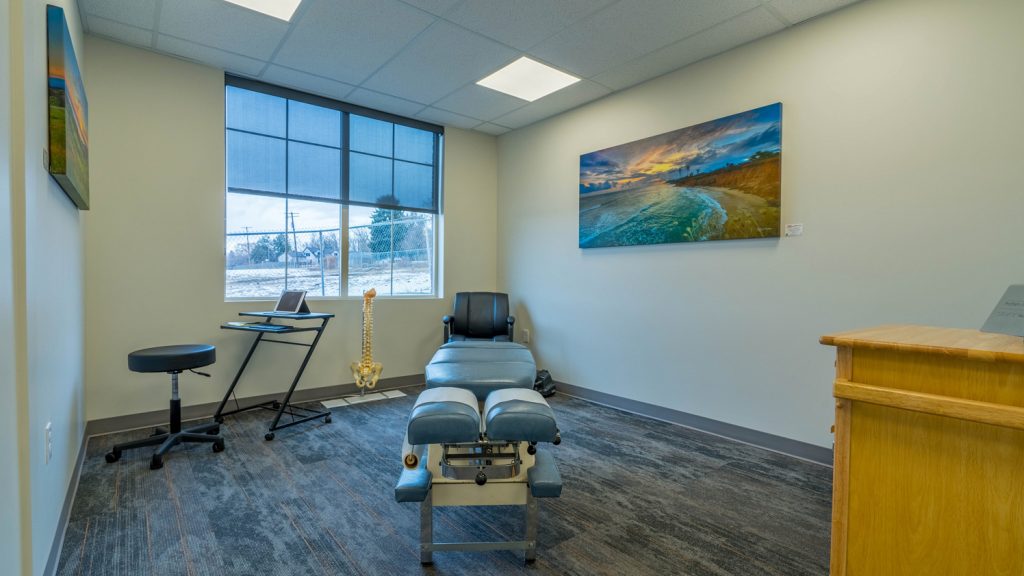
Your initial appointment with a back pain chiropractor sets the foundation for your entire treatment journey. Expect to spend 30-60 minutes discussing your symptoms and undergoing a thorough assessment before any adjustments begin. This comprehensive evaluation ensures your chiropractor understands exactly what’s causing your discomfort.
Health Questions Your Back Pain Chiropractor Asks
Your chiropractor will ask detailed questions about your pain history and overall health to identify potential causes. They need to know your complete treatment goals and any past injuries that might affect your current back condition. Be prepared to describe specific limitations that prevent you from performing daily activities comfortably.
Your chiropractor specifically investigates neurological symptoms like numbness, tingling sensations, or weakness that could indicate nerve involvement. These details help determine whether your back pain stems from spinal misalignment or another underlying condition requiring different treatment.
Physical Assessment Process
After reviewing your health history, your back pain chiropractor conducts a physical examination to evaluate your spine’s condition. They assess your spinal mobility by having you move through various positions to determine range of motion limitations. This hands-on evaluation reveals areas where your spine isn’t functioning properly.
Your chiropractor also performs standard diagnostic procedures like blood pressure measurement and may recommend digital X-rays. These imaging tests identify structural issues contributing to your pain that aren’t visible during physical examination alone. The posture analysis during standing and sitting positions shows alignment patterns affecting your spinal health.
Treatment Starts Immediately
Most patients receive their first spinal adjustment during the initial visit, though some complex cases might wait until the second appointment. Your back pain chiropractor determines the best timing based on their assessment findings and your specific condition. You’ll typically leave your first session feeling some immediate relief from tension and discomfort.
This initial adjustment serves as both treatment and diagnostic tool, helping your chiropractor understand how your body responds to manipulation. The gentle realignment of mispositioned vertebrae reduces pressure on nerves causing your pain while restoring proper spinal function.
Post-Adjustment Sensations Explained
That first spinal adjustment might feel unfamiliar, especially if you’ve never visited a back pain chiropractor before. Many patients worry about the popping sounds or temporary sensations they experience afterward, but these are normal signs your body is responding to treatment.
Normal Reactions After Spinal Manipulation
Mild achiness in treated areas feels similar to post-workout soreness as your muscles adjust to new spinal positioning. Temporary stiffness occurs as surrounding tissues adapt to the realignment of your spine. Some patients experience general fatigue because your body expends energy adjusting to structural changes.
These sensations typically fade within 24-48 hours and indicate your body responding positively to the adjustment. Importantly, the spinal manipulation itself should never cause pain during the procedure—your back pain chiropractor uses controlled force tailored to your specific needs and comfort level.
Treatment Schedule: How Often You’ll Visit Your Back Pain Chiropractor

Chiropractic care requires multiple sessions to achieve lasting results, as your spine has likely developed compensatory patterns over time. Your treatment schedule evolves based on your progress, with most patients following a predictable timeline toward pain relief.
Initial Intensive Phase
During the first few weeks, your back pain chiropractor typically recommends 2-3 sessions weekly lasting 10-20 minutes each. This intensive schedule continues until you experience significant improvement in pain levels and mobility. The goal during this phase is reducing inflammation and restoring basic spinal function.
This frequent treatment helps your body establish new movement patterns before old habits can reassert themselves. Your chiropractor monitors your progress at each visit, adjusting techniques as needed to address your changing condition.
Maintenance Phase Transition
As your pain decreases and mobility improves, your back pain chiropractor gradually reduces treatment frequency. Most patients transition to weekly visits once they’ve achieved substantial relief. Your chiropractor makes this decision based on your meeting established treatment goals and reduced pain between sessions.
The maintenance phase focuses on stabilizing your spine in its new alignment and preventing recurrence. Your chiropractor continues evaluating your progress and may adjust your schedule based on how well you maintain proper posture and movement during daily activities.
Back Pain Types That Respond Best to Chiropractic Care
Not all back pain responds equally to chiropractic treatment. Understanding which conditions improve most with spinal manipulation helps set realistic expectations for your recovery timeline.
Subacute Back Pain (0-3 Months)
Recent injuries from lifting, falls, or sudden movements typically respond quickly to chiropractic care. Your spine hasn’t developed long-term compensation patterns, making corrections easier during this window. A back pain chiropractor can often resolve these issues within 4-8 treatment sessions.
The shorter duration means less time for surrounding muscles to tighten and form protective patterns around the injured area. This makes subacute pain the ideal candidate for spinal manipulation as your primary treatment approach.
Chronic Pain Flare-Ups
If you’ve lived with back pain for years but experience sudden worsening of symptoms, chiropractic care effectively manages these acute episodes. Your back pain chiropractor addresses both the immediate flare-up and underlying dysfunction contributing to your long-term condition.
Regular maintenance visits between flare-ups can significantly reduce their frequency and intensity. Many chronic pain sufferers find they need fewer pain medications after establishing a consistent chiropractic care routine.
Neck Pain Syndromes
Cervical spine issues frequently accompany lower back problems, creating a chain reaction of misalignment throughout your spine. Your back pain chiropractor treats both areas simultaneously to restore overall spinal balance and reduce compensatory strain.
Neck adjustments often provide surprising relief for lower back pain by addressing the complete kinetic chain. This holistic approach ensures your entire spine functions optimally rather than just treating isolated symptoms.
Safety Screening: Who Shouldn’t Get Adjusted by a Back Pain Chiropractor

Your safety comes first—every reputable back pain chiropractor performs comprehensive risk assessments before any manipulation. Certain conditions require modified approaches or alternative treatments to prevent complications.
Absolute No-Go Conditions
Active bone fractures in the treatment area make spinal manipulation dangerous and potentially harmful. Bone tumors, whether primary or metastatic, also contraindicate standard adjustments as pressure could worsen these conditions. Your chiropractor will identify these through thorough questioning and diagnostic imaging.
Severe osteoporosis increases fracture risk during manipulation, requiring specialized techniques or alternative treatments. Your back pain chiropractor determines this through medical history review and diagnostic tests before proceeding with any adjustments.
Your Safety Assessment Process
During your first visit, expect your chiropractor to conduct a complete symptom discussion and medical history review. They specifically look for “red flag” indicators that might contraindicate certain techniques. This comprehensive screening identifies patients who need modified treatment approaches.
If any risk factors emerge—particularly for neck manipulation—your back pain chiropractor will skip this technique entirely or use gentler alternatives. Your safety assessment continues throughout treatment as your condition evolves and responds to care.
Maximizing Your Back Pain Chiropractor Treatment Results
Your active participation determines how quickly you recover. Following these strategies ensures you get the most from each session with your back pain chiropractor.
Between Visit Care Essentials
Perform prescribed exercises exactly as demonstrated to strengthen supporting muscles. Apply ice or heat as directed to manage inflammation between appointments. Maintain proper posture during daily activities to prevent undoing your progress. Tracking your pain levels and activities in a simple journal helps your chiropractor adjust your treatment plan effectively.
Consistency with these recommendations often determines success—many patients undermine their progress by returning to poor habits between visits. Your back pain chiropractor wants you to succeed, but they need your commitment to the full treatment process.
Red Flags Requiring Immediate Attention
Contact your chiropractor immediately if you experience sudden severe pain after treatment. New numbness, weakness, or loss of bladder/bowel control requires urgent medical evaluation. Fever accompanying back pain could indicate infection needing different treatment.
While rare, recognizing these warning signs ensures prompt intervention if complications arise. Your back pain chiropractor should provide clear instructions on when to seek immediate care.
Long-Term Success Strategies with Your Back Pain Chiropractor
Most patients transition to monthly maintenance visits after achieving their initial pain relief goals. This preventive approach maintains spinal health and catches minor issues before they become major problems.
Lifestyle Modifications That Support Treatment
Optimize your workspace ergonomics by adjusting chair height and monitor position. Choose proper pillow height and mattress firmness to support spinal alignment during sleep. Take movement breaks every 30-60 minutes to prevent stiffness from prolonged positions. Incorporate simple core strengthening exercises to provide ongoing support for your spine.
These modifications work synergistically with chiropractic care, creating lasting change rather than temporary relief. Your back pain chiropractor can recommend specific adjustments tailored to your daily routine and physical demands.
Key Takeaway: A qualified back pain chiropractor offers a safe, drug-free solution for subacute injuries and chronic pain flare-ups. Success requires consistent treatment, proper screening, and your active participation between visits. Most patients experience noticeable improvement within 2-4 weeks when following their recommended treatment schedule. When combined with lifestyle modifications, chiropractic care provides sustainable relief that addresses the root cause of your pain rather than just masking symptoms. Ready to reclaim your mobility? Schedule your consultation with a licensed back pain chiropractor who can assess your specific condition and create a personalized treatment plan tailored to your needs.