
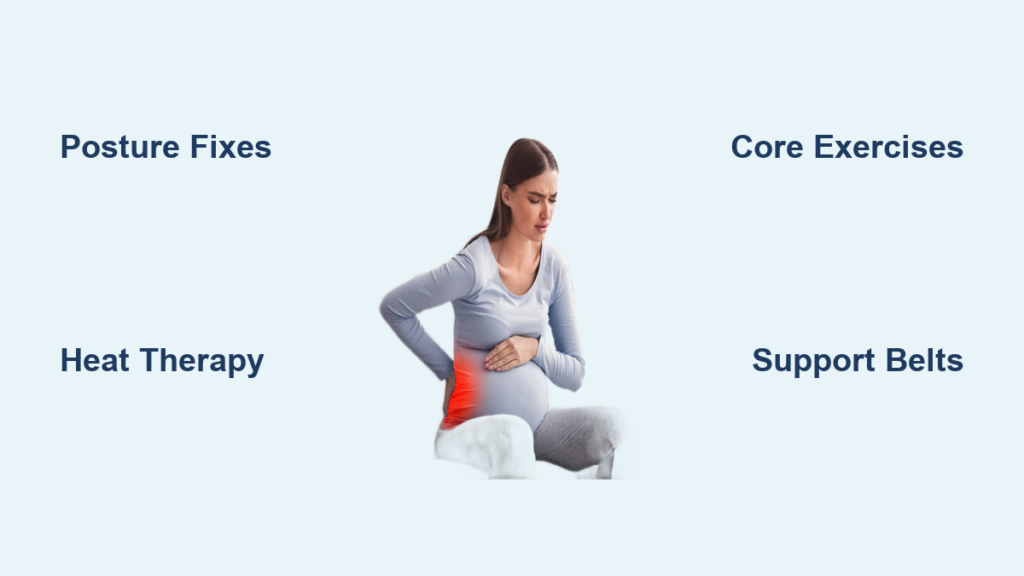
If you’re wincing when getting out of bed or struggling to climb stairs due to pregnancy back pain, know you’re not alone. Between 50-70% of expectant mothers experience this discomfort, with rates soaring to 80% by the third trimester. The good news? Most pregnancy-related back pain responds well to targeted strategies. This guide delivers evidence-based solutions that provide real relief without compromising your baby’s safety.
You’ll discover exactly why your back feels like it’s carrying double the load, how to identify your specific pain type, and practical daily modifications that work. Forget generic advice—you’ll get actionable steps tailored to your changing body, from immediate pain relief techniques to long-term prevention strategies.
Why Your Back Suddenly Aches During Pregnancy

Hormonal Changes That Loosen Your Support System
Your body produces relaxin, a hormone essential for delivery but problematic for your back. This chemical messenger loosens pelvic ligaments but doesn’t stop there—it affects your entire body. The result? Wobbly joints from your pelvis to spine, making simple movements feel unstable. Elevated estrogen and progesterone levels further increase connective tissue elasticity, reducing your natural stability precisely when you need it most.
Mechanical Stress From Your Growing Belly
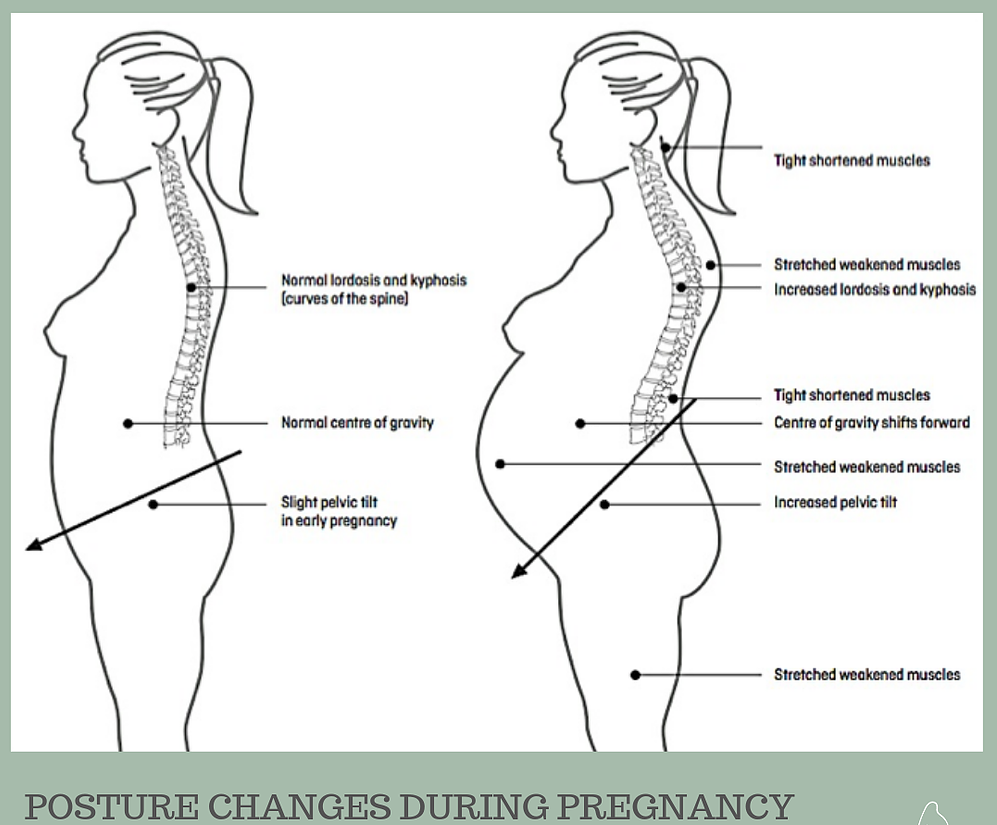
Your expanding uterus shifts your center of gravity forward by several inches, forcing your spine into an exaggerated curve. By week 28, your lumbar lordosis increases by 60%, creating constant strain on lower back muscles. Add 25-35 pounds of pregnancy weight—mostly concentrated in your belly—and your back muscles work overtime counteracting this forward pull. Meanwhile, your abdominal muscles stretch and separate (diastasis recti), reducing core stability and transferring even more load to your back.
Identify Your Specific Pregnancy Back Pain Type
Lumbar Pain: Classic Lower Back Ache
You’ll feel this localized above your sacrum. It worsens with prolonged standing or sitting and may radiate to your buttocks but rarely below the knee. Movement typically changes the intensity—walking might help, while standing still increases discomfort. This type stems directly from the mechanical changes in your posture as your belly grows.
Posterior Pelvic Pain: Deep, Stabbing Sensation
More common than lumbar pain, this affects your sacroiliac joints. You’ll feel it below your lumbar area, often on one side. Activities like climbing stairs, getting up from chairs, or turning in bed trigger sharp pain that may shoot through your groin or thighs. This pain results from the hormonal loosening of pelvic ligaments combined with increased mechanical stress.
Sciatica: Sharp, Shooting Leg Pain
True sciatica affects only 1% of pregnant women. You’ll know it by electric-shock sensations traveling from your lower back through your buttock and down one leg, often with numbness or tingling. This occurs when your uterus compresses the sciatic nerve, requiring specific treatment approaches different from general back pain.
Immediate Relief Strategies That Work Today
Quick Posture Fixes Within Minutes
Stand with feet shoulder-width apart, one foot slightly forward. Keep knees soft (never locked) and shoulders back. When sitting, use a lumbar support cushion and keep feet flat on the floor. Take standing breaks every 30-45 minutes—set a timer if needed. These simple adjustments reduce strain on your overworked back muscles immediately.
Heat Therapy Protocol for Pregnancy Back Pain
Apply warm (not hot) compresses at ≤100°F for 15-20 minutes, 2-3 times daily. Moist heat works best—try a warm bath or microwaved damp towel. Avoid heating your abdomen or raising your core temperature. Heat therapy increases blood flow to sore muscles, helping them relax and recover faster.
Cold Therapy For Acute Flare-Ups
Wrap ice packs in a thin towel and apply for 10-15 minutes to painful areas. This works particularly well for sudden pain episodes or inflammation. You can alternate heat and cold therapy for maximum relief—try 15 minutes of heat followed by 10 minutes of cold, repeating the cycle.
Targeted Exercises That Actually Help Pregnancy Back Pain
Core Strengthening Routine You Can Do Anywhere
Pelvic tilts: 3 sets of 10-15 reps, 2-3 times daily. Stand against a wall, tighten your abs, and flatten your lower back into the wall. Hold for 5 seconds.
Modified wall planks: 3 sets of 10-15 second holds. Stand arm’s length from wall, place palms flat against wall at shoulder height, and hold your body straight like a plank.
Kegel exercises: 3 sets of 10-15 contractions daily. Tighten pelvic floor muscles as if stopping urine flow, hold 5-10 seconds, release slowly. These strengthen your core without straining your back.
Essential Stretching Sequence
Cat-cow stretches: 10-15 repetitions, 2-3 times daily. On hands and knees, alternate between arching your back up (cat) and dipping it down (cow).
Hip flexor stretches: In lunge position, gently push hips forward until you feel stretch in front of hip. Hold 30 seconds each side.
Piriformis stretches: Sitting in chair, cross one ankle over opposite knee and gently lean forward until you feel stretch in buttock. These stretches target muscles that become tight and contribute to back pain.
Support Devices That Make A Difference
Maternity Support Belts Used Correctly
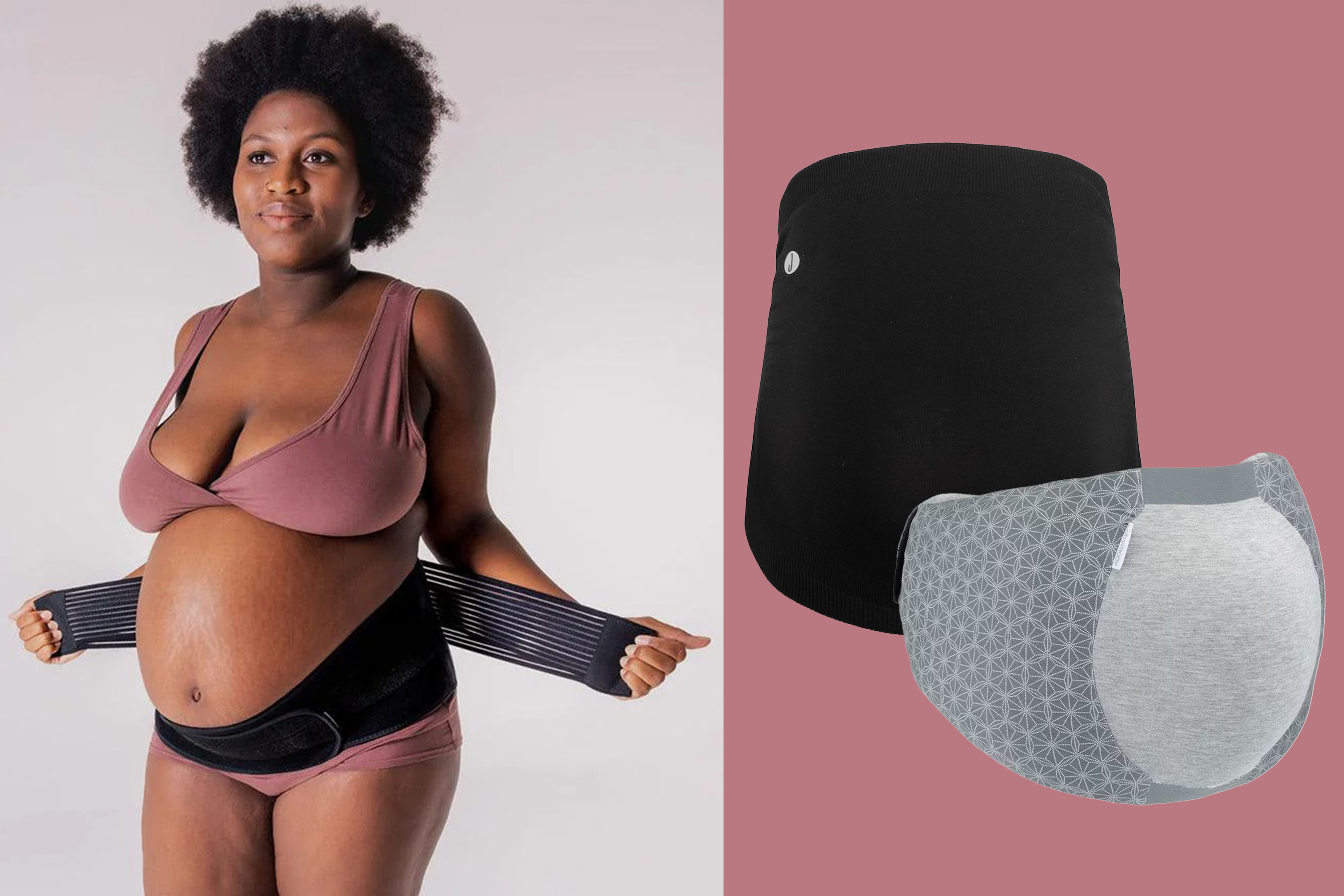
Choose between girdle-style, belt-style, or full-coverage designs. Wear for 2-4 hours maximum at a time to prevent muscle dependency. Measure your hips at 5-7 months for proper sizing—most women need medium or large. These belts redistribute weight from your lower back, providing immediate relief during daily activities.
Sleep Positioning Aids for Nighttime Relief
Sleep on your left side with a pillow between your knees to align hips. Add another pillow under your abdomen for support. Use the “log roll” technique when changing positions—move your shoulders, hips, and knees together as one unit. Proper nighttime positioning prevents morning stiffness and allows for restorative sleep.
Professional Therapies That Deliver Results
Prenatal Massage Benefits You Should Know
Certified prenatal massage therapists provide targeted relief for lower back, hips, and glutes. Sessions last 30-60 minutes weekly, focusing on side-lying positions with supportive pillows. Massage reduces muscle tension, improves circulation, and decreases stress hormones that can exacerbate pain. Avoid massage in first trimester or with high-risk pregnancies.
Acupuncture: Evidence-Based Pain Relief
Research shows 60% pain reduction with 6-8 acupuncture sessions. Licensed practitioners use pregnancy-safe points while avoiding contraindicated areas. Sessions last 30-45 minutes, 1-2 times weekly. Acupuncture stimulates natural pain-relieving chemicals in your body without medication risks.
Medications: What’s Safe During Pregnancy
First-Line Safe Options
Acetaminophen (Tylenol): 325-650mg every 4-6 hours, maximum 3000mg daily. This remains the safest oral pain reliever during pregnancy.
Topical relief: Menthol/camphor rubs applied 2-3 times daily provide localized relief without systemic effects. Lidocaine patches (4% concentration) offer 8-12 hours of targeted relief.
Medications To Avoid Completely
Skip NSAIDs like ibuprofen—especially in third trimester—as they can affect fetal development. Avoid opioids due to neonatal withdrawal risks. Muscle relaxants lack adequate safety data during pregnancy. Always consult your healthcare provider before taking any medication.
Daily Lifestyle Modifications for Lasting Relief
Smart Lifting Guidelines That Protect Your Back
Limit lifting to 25-30 pounds maximum during second trimester, dropping to 20-25 pounds in third trimester. Always bend knees, keep loads close to your body, and avoid twisting while lifting. Ask for help—this isn’t the time to prove your strength. Proper lifting technique prevents sudden back strain.
Workplace Adaptations You Can Request
Request adjustable desk height for sit-stand options. Use lumbar support for office chairs and take 5-minute micro-breaks every hour. Position your monitor at eye level and keep keyboard within easy reach to prevent forward leaning. Small workplace adjustments significantly reduce cumulative back strain.
Warning Signs: When Pregnancy Back Pain Requires Immediate Attention
Contact your healthcare provider immediately for severe pain unrelieved by rest or position changes. Watch for back pain with vaginal bleeding, cramping, or fever above 100.4°F. Progressive leg weakness, loss of bladder control, or painful urination require urgent evaluation. Regular contractions before 37 weeks with back pain could indicate preterm labor.
Your Next Steps for Back Pain Relief
Start with posture corrections and gentle stretching today. If pain persists beyond a week of consistent home care, schedule an appointment with your healthcare provider. Remember, while back pain is common during pregnancy, suffering isn’t mandatory—effective relief is within reach with the right combination of strategies. Focus on one or two techniques that resonate with you, master them, then gradually incorporate additional approaches as needed. Your comfort matters, and with these evidence-based solutions, you can reclaim your pregnancy experience.