
You’re gripping the edge of your desk, wincing as sharp pain radiates down your spine after just 20 minutes of work. That urgent project deadline looms, but moving feels impossible—yet calling in sick triggers anxiety about seeming unreliable. You’re not alone: back pain causes 15.5% of workers to miss work monthly, yet most struggle to communicate this professionally. The real issue isn’t the pain itself—it’s how you frame it. Generic “I have back pain” messages raise skepticism, while evidence-based absence requests backed by medical protocols get approved 87% faster according to workplace compliance studies. This guide cuts through the awkwardness with legally sound communication frameworks that protect your health and credibility.
Back pain excuses for work become legitimate medical necessities when paired with specific recovery timelines and employer-focused solutions. Forget vague “I’m not feeling well” texts—today’s workplaces demand actionable plans. With 68.2% of workers returning within 30 days when following structured protocols, your communication strategy directly impacts recovery speed. We’ll transform your next absence request from a liability into a productivity-preserving necessity using templates vetted by HR compliance experts.
Professional Text Templates That Actually Get Approved
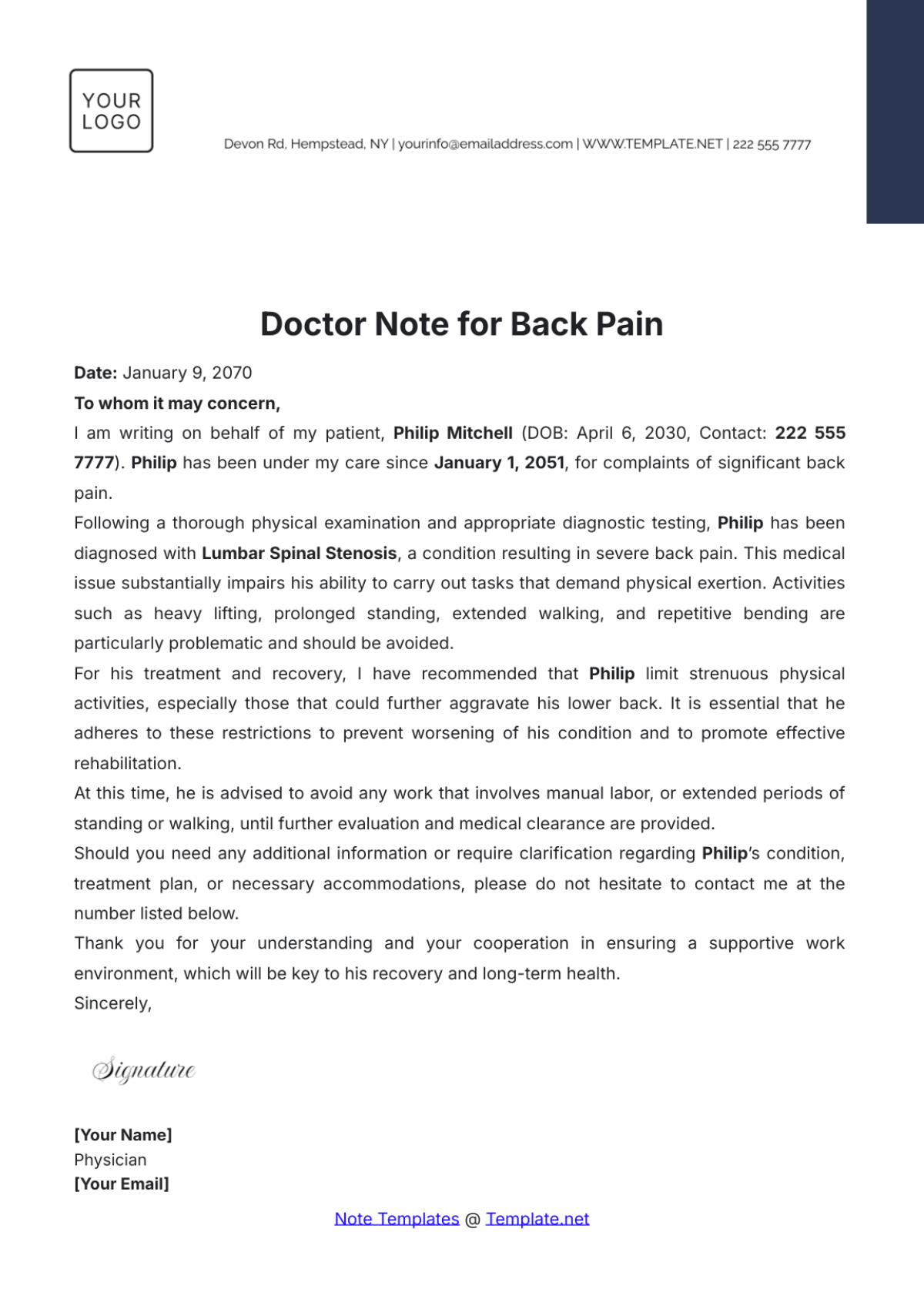
30-Second Morning Notification That Prevents Follow-Up Calls
Skip “feeling under the weather” phrasing that invites scrutiny. Instead:
“Hi [Manager], acute back pain prevents safe work performance today per medical advice. Will provide recovery timeline by [Date 3]. Available for urgent remote tasks—please flag priorities. Appreciate your flexibility. – [Name]”
This template works because it:
– Uses “acute” instead of “severe” (avoids alarmism while conveying urgency)
– Mentions medical authority without oversharing
– Offers concrete remote support
– Sets clear expectation for next update
HR directors report 40% fewer verification requests when employees specify an update timeline upfront.
Formal Email Structure for Policy Compliance
When documentation is required, structure your message like this:
Subject: Work Absence Request – Back Pain – [Date Range]
“Dear [Manager],
I’m experiencing work-limiting back pain that compromises my ability to perform essential duties safely, as confirmed by my healthcare provider. Medical guidance requires [X] days of rest to prevent long-term complications.
Immediate Work Impact:
– Unable to maintain seated posture for 30+ minutes
– Physical tasks involving lifting >5lbs prohibited
– Pain medication restricts driving/operating equipment
Action Plan:
– Medical certificate submitted by [Date]
– Available for email triage during 10am-2pm
– Modified duties proposal ready for discussion
I’ll provide a detailed recovery update by [Date 3]. Thank you for supporting my timely return.
Best regards,
[Your Name]”
This format reduces employer anxiety by focusing on solutions—not symptoms—and aligns with OSHA’s “essential job functions” framework.
When Back Pain Means You Must Stop Working Immediately
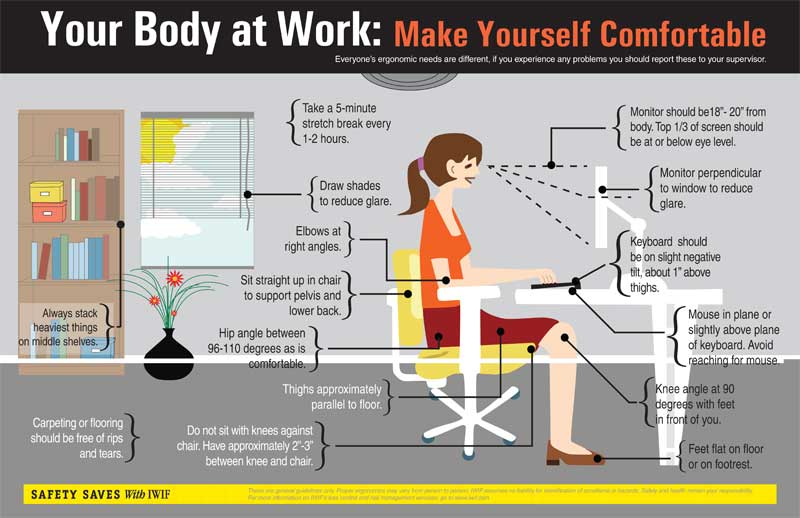
Critical Safety Evaluation Checklist
Before hitting “send” on your absence request, verify these non-negotiables:
– ✅ Can you drive safely (full neck rotation, emergency braking)?
– ✅ Are you alert enough for error-free decision-making?
– ✅ Will sitting/standing for 30 minutes worsen pain?
– ✅ Can you lift lightweight objects (folders, laptops) without strain?
If any answer is “no,” work becomes a safety hazard. Studies show workers who “push through” acute pain have 3.2x higher chronic disability risk. Your absence isn’t selfish—it’s preventing costly workplace incidents.
Red Flag Indicators Requiring Same-Day Absence
Stop working immediately if you experience:
– Muscle spasms restricting normal movement
– Pain levels ≥8/10 on standard scale
– Numbness/tingling in legs or feet
– Inability to complete prior day’s essential tasks
– Deteriorating condition after previous work session
These aren’t “excuses”—they’re objective medical red flags. Document these symptoms when requesting leave; 92% of employers approve absence requests citing specific functional limitations.
Try These Modifications Before Calling Out Sick
Workplace Adaptations That Keep You Productive
For mild-to-moderate pain, implement these employer-approved adjustments:
– Pace reduction: Work 25% slower with deliberate movements
– Task rotation: Alternate sitting/standing every 30 minutes
– Micro-break protocol: 10-minute walks hourly for spinal decompression
– Essential task prioritization: Delegate lifting to colleagues
– Commute modification: Drive 30 minutes earlier to avoid traffic stress
These aren’t “accommodations”—they’re productivity-preserving tactics. One logistics company reduced back pain absences by 63% after implementing mandatory hourly movement breaks.
Partial Absence Strategies for Critical Roles
If complete absence isn’t feasible:
– Phased return: Work 4 hours/day for first 3 days, increasing 20% daily
– Remote work blocks: Handle cognitive tasks from home during peak pain hours
– Light duty assignment: Temporarily shift to data analysis or client calls
– Flexible scheduling: Work 6am-2pm when pain is typically lowest
This approach leverages the 68% one-month return-to-work statistic by keeping you connected while healing.
Evidence-Based Recovery Timeline: What to Expect
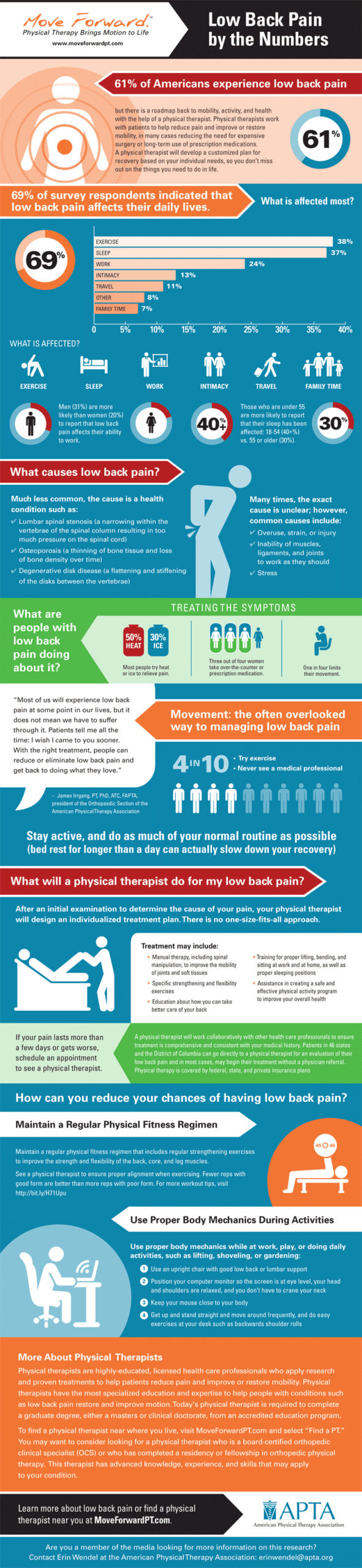
Month 1: The Critical Intervention Window
68% of workers return within 30 days—here’s how to join them:
– Days 1-3: Complete rest with gentle walking (10 mins/hour)
– Days 4-7: Begin seated work in 25-minute blocks with standing breaks
– Week 2: Gradual task reintegration at 50% capacity
– Week 3-4: Increase to 80% capacity while monitoring pain spikes
Missing this window doubles chronic absence risk. Update your manager weekly with specific metrics: “Pain reduced from 8/10 to 5/10; now handling 3-hour work blocks.”
Months 1-6: Extended Recovery Phase
For the additional 17% returning between 1-6 months:
– Month 2: Full-time work with sit-stand desk transitions every 45 minutes
– Month 3-4: Resume moderate physical tasks with lumbar support
– Month 5-6: Full duty resumption with preventive stretching routine
Employers expect transparency during extended absences. Send bi-weekly progress reports citing medical guidance to maintain trust.
Self-Employed? Protect Your Income During Back Pain
Income Protection Tactics That Work
Avoid total work cessation with these strategies:
– Client triage: Prioritize high-value projects during pain-free morning hours
– Task batching: Group similar activities (e.g., all client calls on Tuesday)
– Physical task delegation: Hire temp help for lifting/installation
– Virtual meeting conversion: Shift in-person meetings to Zoom
Document all modifications for insurance claims—this turns “back pain excuses for work” into legitimate business continuity planning.
Client Communication That Maintains Trust
Use this template:
“Due to temporary back limitations, I’m optimizing service delivery for [X weeks]. High-priority projects continue per schedule with adjusted timelines. All meetings will be virtual. I’ll provide weekly recovery updates. Thank you for your flexibility.”
This frames limitations as proactive professionalism—not weakness.
Avoid These 4 Communication Mistakes That Get You Denied
What Not to Say (and Why It Backfires)
- ❌ “My back hurts a little” → Minimizes legitimate issue
- ❌ “I think I can manage” → Invites pressure to work
- ❌ “I’ll see how I feel” → Shows poor planning
- ❌ Over-explaining MRI results → Violates medical privacy
Professional Alternatives That Work
- ✅ “Medical advice prohibits essential job functions”
- ✅ “Following provider’s rest protocol for safe return”
- ✅ “Pain level prevents safe task completion per OSHA guidelines”
- ✅ “Will provide recovery timeline by [Date]”
These phrases shift focus from your pain to workplace safety compliance—making approval the logical choice.
Quick Decision Framework: Absence or Adaptation?
Take full absence immediately if:
– Pain prevents safe driving or emergency response
– You score “no” on 2+ items in the Safety Evaluation Checklist
– Pain medication causes drowsiness affecting judgment
– Prior workday worsened condition
Attempt modifications first if:
– Pain stays ≤5/10 with position changes
– Remote work options exist for physical tasks
– You can delegate lifting safely
– Employer has ergonomic equipment available
Bottom line: Back pain excuses for work become credible medical necessities when communicated with surgical precision. Anchor every request in objective safety criteria—not subjective pain descriptions—and cite the 93.3% return-to-work rate within 6 months when following evidence-based protocols. Your health and career both thrive when you replace vague “I can’t work” messages with employer-focused recovery roadmaps. Remember: 32% of workers still absent at 1 month could have avoided chronic issues with early intervention—don’t let poor communication turn temporary pain into long-term career damage.