
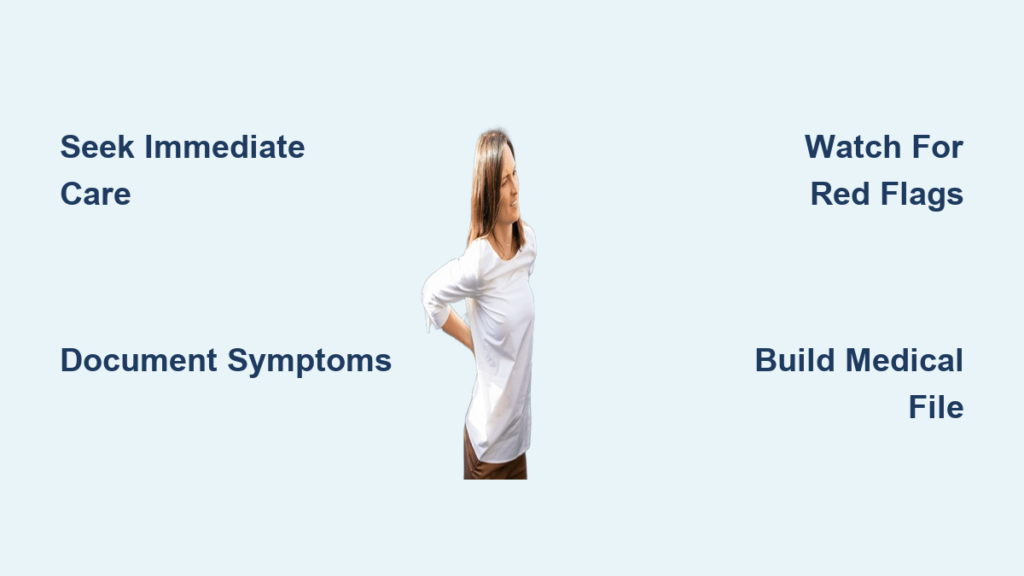
You were in a collision, felt that jarring impact, and now you’re dealing with persistent back pain that affects your daily life. Like many accident victims, you’re searching for answers about recovery—but what happens when reliable information is hard to find? This guide addresses the reality many face: navigating back pain after an accident with limited medical resources available.
If you’re experiencing back pain following an accident, you’re not alone in feeling frustrated by the lack of clear information. The challenge isn’t just the physical discomfort—it’s the uncertainty about proper treatment, recovery timelines, and what steps you should take next. This guide helps you understand how to proceed when comprehensive medical information isn’t readily available, while emphasizing the importance of seeking professional medical evaluation.
Why Medical Documentation Matters After an Accident
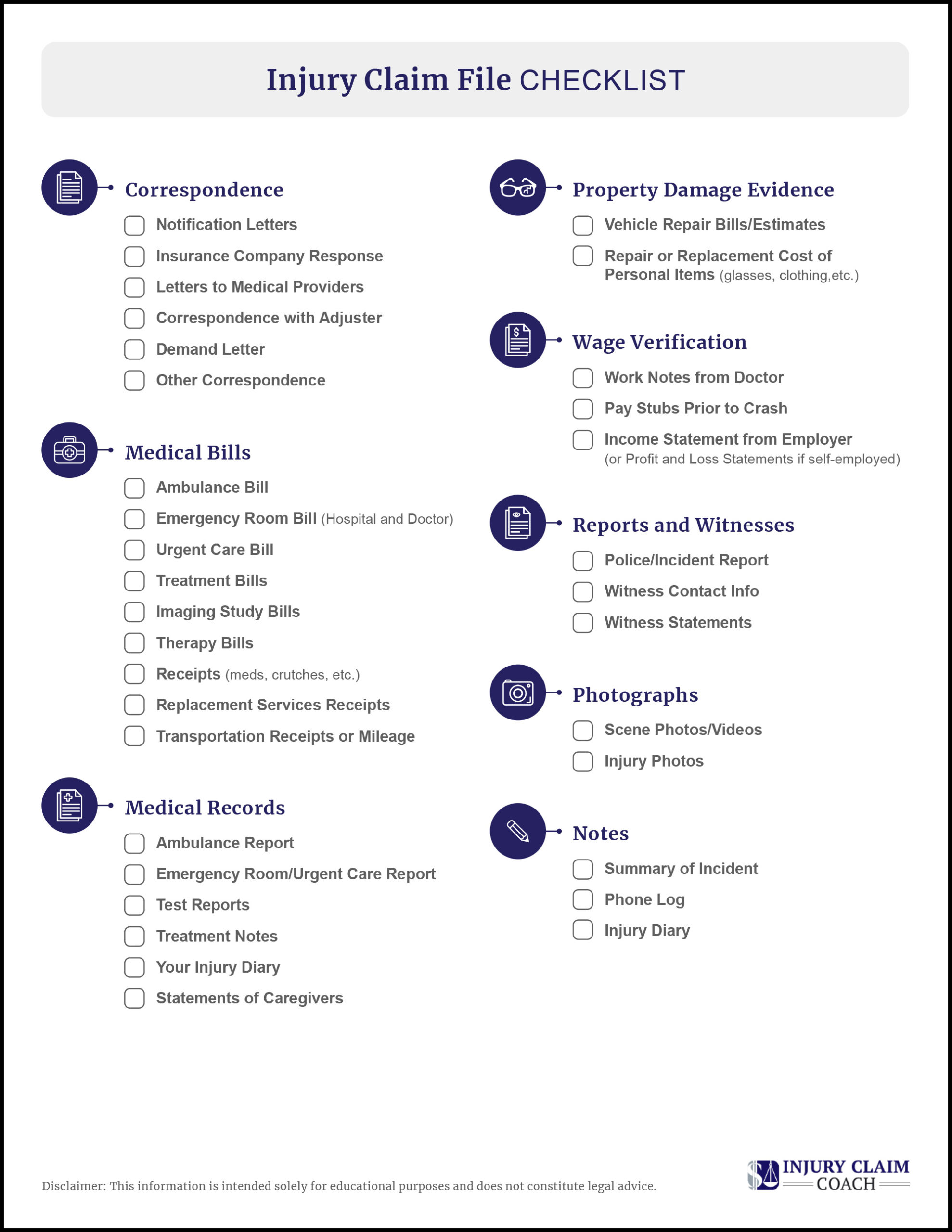
When back pain follows an accident, proper documentation forms your foundation for appropriate care. Without verified medical information, determining the exact nature of your injury becomes significantly more challenging.
The Critical First Steps with Limited Information
Immediate Post-Accident Actions:
– Seek medical evaluation even if pain seems minor initially
– Request comprehensive documentation of your condition
– Ask for specific terminology describing your injury
– Obtain copies of all diagnostic imaging and reports
– Document your symptoms daily including pain intensity and triggers
Without proper medical records, understanding whether you’re dealing with soft tissue damage, spinal alignment issues, or other conditions becomes guesswork. Insurance providers and healthcare professionals require accurate documentation to determine appropriate treatment pathways.
Building Your Own Information Repository
Creating a Personal Medical File:
– Organize all medical records chronologically
– Note dates, providers, and treatments received
– Track symptom changes alongside interventions
– Document functional limitations affecting daily activities
– Record questions for your healthcare provider
When official resources lack detail, your personal documentation becomes invaluable. This self-tracking helps identify patterns and provides concrete information when consulting with medical professionals who can offer proper diagnosis and treatment.
Navigating Healthcare When Resources Are Scarce

The absence of comprehensive information shouldn’t prevent you from seeking appropriate care. Understanding how to work within this limitation helps you advocate for yourself effectively.
Questions to Ask Your Healthcare Provider
Essential Inquiries for Informed Care:
– “What specific structures appear affected based on my symptoms?”
– “What diagnostic tests do you recommend to determine the exact cause?”
– “What treatment options are available for this type of injury?”
– “What warning signs indicate I should seek immediate re-evaluation?”
– “What realistic recovery timeline should I expect?”
When general resources provide limited information, personalized medical guidance becomes even more critical. Your healthcare provider can offer specific answers based on your individual condition rather than relying on incomplete general information.
Understanding Diagnostic Process Limitations
Common Diagnostic Approaches When Information Is Limited:
– Physical examination to assess range of motion and pain points
– Imaging studies to visualize potential structural issues
– Neurological testing to check for nerve involvement
– Gradual elimination process to identify pain sources
– Trial treatments to determine effective approaches
Without comprehensive reference materials, the diagnostic process becomes more individualized. Your provider will likely use a combination of clinical evaluation and targeted testing to determine the appropriate treatment pathway for your specific condition.
Safe Approaches to Pain Management Without Complete Information
When detailed resources aren’t available, focusing on universally accepted safe practices helps manage symptoms while avoiding potential harm.
Evidence-Based Pain Relief Strategies
Generally Safe Initial Approaches:
– Modified rest avoiding positions that worsen pain
– Ice application for acute pain (15 minutes every 2-3 hours)
– Gentle movement within pain-free range
– Over-the-counter pain relief as directed on packaging
– Proper positioning with supportive pillows
These approaches represent conservative measures commonly recommended for musculoskeletal pain while awaiting proper diagnosis. They minimize risk while providing some symptom relief during the information-gathering phase.
Activity Modifications That Reduce Risk
Daily Adjustments for Pain Management:
– Avoid twisting motions and heavy lifting initially
– Use proper body mechanics for essential movements
– Take frequent position changes to prevent stiffness
– Apply lumbar support when sitting for extended periods
– Gradually increase activity based on pain response
Without specific injury details, these general modifications help prevent potential worsening of unknown conditions while maintaining some functional ability.
Recognizing When to Seek Additional Help
The absence of comprehensive information makes recognizing warning signs even more crucial. Knowing when your situation requires urgent attention prevents potential complications.
Critical Warning Signs Regardless of Diagnosis
Symptoms Requiring Immediate Medical Attention:
– Numbness or tingling in legs or feet
– Loss of bladder or bowel control
– Inability to move legs or walk normally
– Pain that prevents finding comfortable positions
– Symptoms that significantly worsen over time
These red flags indicate potential serious conditions that require prompt evaluation regardless of the specific diagnosis. When detailed information is unavailable, these universal warning signs become your primary guide for determining urgency.
Building Your Support Network
Essential Contacts for Comprehensive Care:
– Primary care physician for overall coordination
– Physical therapist specializing in post-accident recovery
– Pain management specialist for persistent symptoms
– Legal advisor if accident involved another party
– Support groups connecting with others in similar situations
Without readily available information, assembling a knowledgeable healthcare team becomes your most reliable resource. These professionals can provide specific guidance based on your individual condition rather than relying on incomplete general information.
Creating Your Personal Recovery Roadmap

When standardized information is limited, developing your personalized recovery plan with medical professionals ensures appropriate progression.
Establishing Realistic Recovery Expectations
Factors Influencing Individual Recovery:
– Your specific injury type (once properly diagnosed)
– Timeliness of initial medical intervention
– Consistency with recommended treatments
– Overall health and pre-existing conditions
– Adherence to activity modifications
Without comprehensive data on specific injuries, recovery timelines remain highly individualized. Your healthcare team can provide more accurate expectations once they’ve properly evaluated your condition.
Documentation for Future Reference
Building Your Personal Knowledge Base:
– Keep detailed records of all medical appointments
– Note responses to different treatments
– Track functional improvements weekly
– Document questions for future appointments
– Maintain copies of all diagnostic imaging reports
This personalized documentation creates your own reference material, filling the gap left by limited general resources. Over time, this record becomes invaluable for understanding your specific recovery process.
Finding Reliable Information Sources
The absence of comprehensive resources in one location doesn’t mean quality information doesn’t exist—it may simply require more targeted searching.
Trusted Medical Information Channels
Reputable Sources for Back Pain Information:
– Board-certified orthopedic specialists
– Physical therapy associations
– Academic medical centers
– Government health agencies
– Peer-reviewed medical journals
When general resources prove insufficient, seeking information from authoritative medical sources ensures accuracy. Look for content created or reviewed by healthcare professionals with expertise in musculoskeletal injuries.
Evaluating Information Quality
Criteria for Assessing Reliable Resources:
– Clear identification of authors and credentials
– References to scientific studies or clinical guidelines
– Publication dates indicating current information
– Absence of commercial bias or product promotion
– Comprehensive coverage of risks and limitations
With limited information available, developing skills to evaluate source quality becomes essential. This helps you identify trustworthy guidance while avoiding potentially harmful misinformation.
Moving Forward with Confidence
The journey to recovery from accident-related back pain requires patience and persistence, especially when comprehensive information isn’t readily available. Your most valuable resource remains qualified healthcare professionals who can provide personalized guidance based on your specific condition.
Remember that while general information has limitations, proper medical evaluation delivers the specific answers you need. Take proactive steps to document your symptoms, seek professional evaluation, and build a healthcare team that understands your situation. Recovery may take time, but with appropriate medical guidance and careful monitoring of your progress, most people experience significant improvement with proper treatment.
Your path to recovery begins with that first medical consultation—don’t let information gaps prevent you from getting the care you need. By working closely with healthcare professionals and maintaining thorough documentation of your experience, you’ll create your own reliable roadmap to recovery, one appointment at a time.