

That morning cup of coffee might be brewing more than just energy—it could be fueling your back pain. While millions rely on caffeine to jumpstart their day, emerging evidence suggests your daily coffee habit may be silently contributing to persistent lower back discomfort, muscle spasms, and spinal instability. For some individuals, eliminating coffee has resolved years of recurring back issues that resisted traditional treatments.
Research reveals that coffee affects back health through multiple pathways: from dehydrating spinal discs to triggering stress hormones that weaken supporting ligaments. The connection isn’t obvious until you understand how caffeine disrupts the delicate balance your spine needs for optimal function. This guide explores the science behind coffee-induced back pain, helps you identify if caffeine is your hidden culprit, and provides practical steps to reduce intake while maintaining your energy levels.
Why Your Morning Coffee Weakens Sacroiliac Joint Stability
:background_color(FFFFFF):format(jpeg)/images/library/13208/ZzTBXyAOEp5TcstuOZbGqg_Sacroiliac_Joint_01.png)
Your daily coffee habit triggers a cascade of hormonal changes that directly compromise spinal integrity. When caffeine stimulates your adrenal glands—the small organs perched atop your kidneys—they flood your system with stress hormones like cortisol and adrenaline. This hormonal surge might feel energizing, but it comes at a steep cost to your back health.
Chronic adrenal stimulation from regular coffee consumption leads to what practitioners call “adrenal fatigue,” where these glands become overworked and hormone production becomes erratic. Your body responds by diverting vital nutrients away from supporting structures like ligaments and tendons, prioritizing adrenal recovery instead. This nutrient diversion particularly targets your lower back region, especially the sacroiliac joint that connects your spine to your pelvis and bears your body’s entire weight.
The result? Weakened supportive structures create spinal instability. Chiropractic adjustments become difficult to maintain as your vertebrae slip back into misalignment. This creates a vicious cycle where misalignments cause pain, pain triggers stress, and stress increases coffee consumption to cope—further weakening your spine’s support system.
How to Identify Sacroiliac Joint Instability from Coffee
Check for these telltale signs:
– Back pain that returns within days after chiropractic adjustments
– Increased discomfort when standing or walking after coffee consumption
– Pain that radiates from your lower back to your hips or buttocks
– Morning stiffness that improves with movement but returns after caffeine
Caffeine-Induced Muscle Spasms: Why Your Coffee Causes Back Pain
Caffeine doesn’t just affect your energy levels—it directly impacts muscle tissue. The stimulant increases cortisol release, leading to sustained muscle contractions and elevated muscle tone. This effect ranges from minor eyelid twitches to severe, debilitating back spasms that can leave you bedridden for days.
Individual tolerance varies dramatically. Some people experience muscle tension even with moderate caffeine intake, while others tolerate higher amounts before symptoms appear. Documented cases show individuals experiencing monthly back “blowouts” that resolved completely after eliminating coffee from their diet.
How to Break the Caffeine-Muscle Tension Cycle
Implement these immediate actions:
– Track your caffeine threshold: Keep a log of coffee consumption alongside pain levels
– Substitute strategically: Replace afternoon coffee with green tea (lower caffeine plus L-theanine for calm focus)
– Stretch regularly: Perform gentle lower back stretches every 2 hours if you consume caffeine
– Hydrate properly: Drink one glass of water for each cup of coffee to counteract diuretic effects
Coffee Dehydration: How Dry Spinal Discs Trigger Back Pain

Your spinal discs—those crucial cushioning pads between vertebrae—are approximately 70% water. Coffee’s diuretic properties increase urine production, potentially dehydrating these vital structures when fluid intake isn’t adequately increased. Dehydrated discs lose elasticity and shock-absorbing capacity, making your spine more vulnerable to injury and pain.
The dehydration effect compounds over time. As discs lose water content, they become flatter and less effective at cushioning spinal movements. This can accelerate disc degeneration, increasing susceptibility to herniation and chronic back pain. The process is subtle—you won’t feel immediately thirsty—but the long-term consequences for spinal health are significant.
Spinal Disc Rehydration Protocol
Follow this daily routine to counteract coffee’s dehydrating effects:
– Drink 8-10 glasses of water daily, with one glass for each coffee consumed
– Include electrolyte-rich fluids like coconut water or mineral water
– Monitor urine color (pale yellow indicates adequate hydration)
– Perform gentle spinal decompression stretches before bed
– Avoid caffeine within 8 hours of bedtime to maximize overnight disc rehydration
Sleep Disruption Cycle: How Afternoon Coffee Sabotages Back Recovery
Caffeine’s 5-6 hour half-life means that afternoon latte can still be affecting your system at bedtime. Poor sleep quality is particularly problematic for back pain sufferers because restorative sleep is crucial for healing and pain management. During deep sleep, your body performs essential repair processes, including muscle recovery and inflammation reduction.
Disrupted sleep patterns intensify pain perception and delay recovery from back injuries. Even when total sleep time appears adequate, caffeine can reduce the amount of deep, restorative sleep. This creates a cycle where poor sleep increases pain, pain disrupts sleep further, and increased coffee consumption attempts to compensate for fatigue—ultimately worsening both problems.
Caffeine Sleep Protection Strategy
Implement these boundaries to protect your recovery sleep:
– Morning cutoff: No caffeine after 12 PM
– Half-life awareness: Remember caffeine’s 5-6 hour half-life
– Pre-workout timing: If using caffeine for exercise, consume 30-60 minutes before workout, never within 6 hours of bedtime
– Sleep hygiene enhancement: Establish consistent sleep/wake times, implement relaxing bedtime routine, keep bedroom cool (65-68°F)
392mg Threshold: The Caffeine Amount Linked to Chronic Back Pain
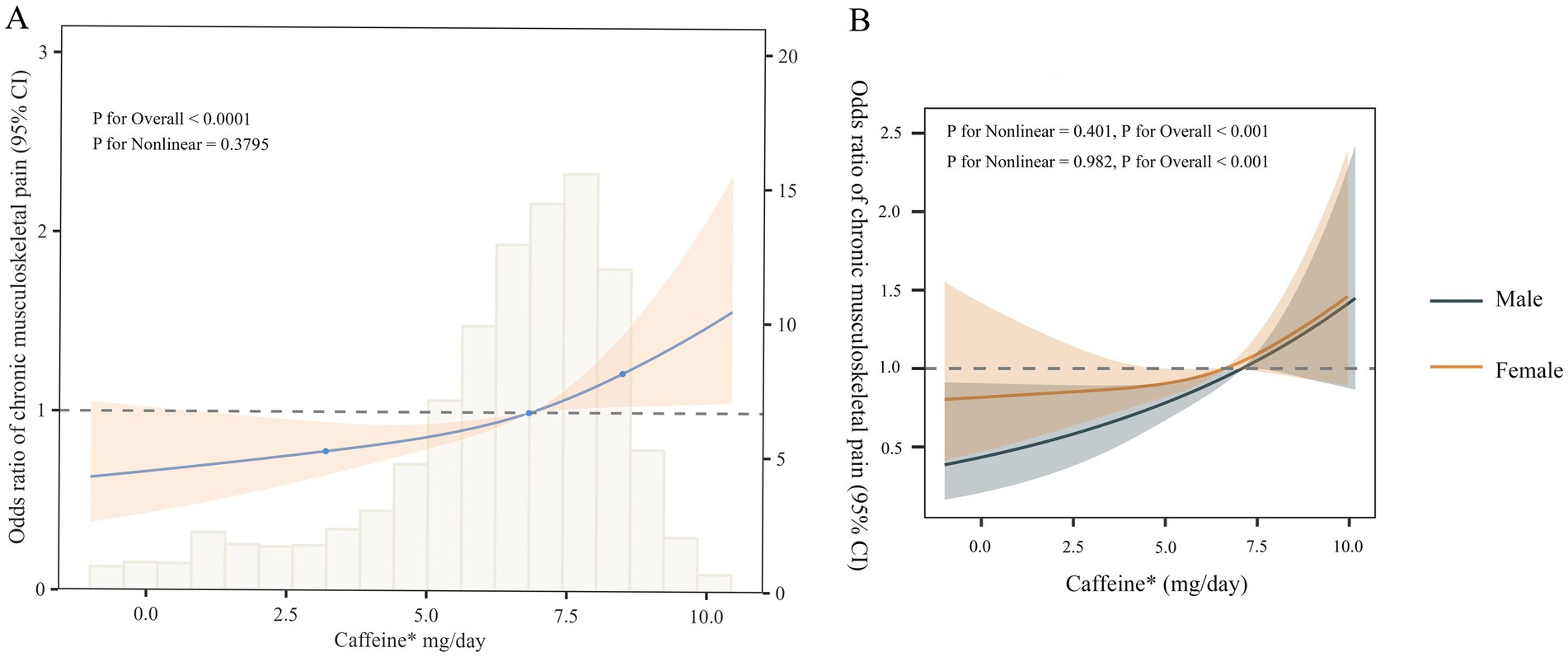
Research reveals a critical threshold where coffee consumption strongly correlates with back pain. A case-control study comparing 60 chronic back pain patients with 60 pain-free controls found that chronic pain patients consumed an average of 392.4 mg daily caffeine compared to just 149.8 mg in controls—a statistically significant difference. This translates to approximately 3-4 cups of coffee daily as the potential tipping point for many individuals.
Men consumed 86% more caffeine than women, suggesting gender-specific vulnerability. While moderate consumption (1-2 cups daily) may not trigger symptoms in most people, crossing this threshold appears to significantly increase back pain risk through multiple physiological pathways.
Hidden Caffeine Sources You’re Probably Overlooking
Check these unexpected places:
– Chocolate and cocoa products (especially dark chocolate)
– Energy drinks and pre-workout supplements (often contain 150-300mg per serving)
– Some pain medications and cold remedies
– Decaffeinated coffee (still contains 2-15mg per cup)
– Tea (black, green, white varieties contain varying amounts)
Coffee Reduction Protocol: Eliminate Back Pain Without Withdrawal Headaches
Abrupt caffeine cessation often triggers withdrawal headaches, fatigue, and irritability. Instead, implement this gradual reduction protocol specifically designed to minimize back pain during the transition:
Week 1-2: Reduce intake by one beverage daily. Replace your afternoon coffee with green tea (lower caffeine plus L-theanine for calm focus).
Week 3-4: Switch morning coffee to half-caf, then quarter-caf. Begin incorporating herbal teas like chamomile or passionflower.
Week 5-6: Transition to full decaf or herbal alternatives. Expect some adjustment period as your body recalibrates.
Managing Withdrawal Symptoms That Worsen Back Pain
When reducing coffee intake, you might experience temporary back pain increases as your body adjusts. Counter these with:
– Hydration boost: One glass of water per eliminated coffee serving
– Gentle stretching: To ease muscle tension during adjustment
– Magnesium supplementation: To support muscle relaxation (300-400mg daily)
– Early bedtime: To combat fatigue without reaching for caffeine
Morning Coffee Alternatives That Won’t Worsen Your Back Pain
Replace coffee with these spine-friendly alternatives that provide energy without triggering back pain:
- Green tea: Provides sustained energy with L-theanine for calm focus (25-45mg caffeine)
- Matcha: Offers longer-lasting energy with reduced jitters (30-70mg caffeine)
- Cacao drinks: Natural mood elevation with minimal caffeine (12mg per ounce)
- Adaptogenic herbs: Rhodiola or ashwagandha for stress resilience (caffeine-free)
Energy Optimization Without Coffee
Sustainable energy comes from addressing root causes:
– Optimize sleep quality and duration
– Implement morning sunlight exposure for circadian rhythm
– Engage in regular, moderate exercise
– Maintain stable blood sugar through balanced nutrition
Key Takeaway: The connection between coffee and back pain is highly individual. While moderate consumption may not affect everyone, excessive intake appears to contribute to back pain through multiple mechanisms. Track your intake, implement gradual reduction, and monitor changes in your pain levels. Your spine—and your energy levels—may thank you for breaking the caffeine cycle. If back pain persists after eliminating coffee, consult a healthcare professional to explore other potential causes.