
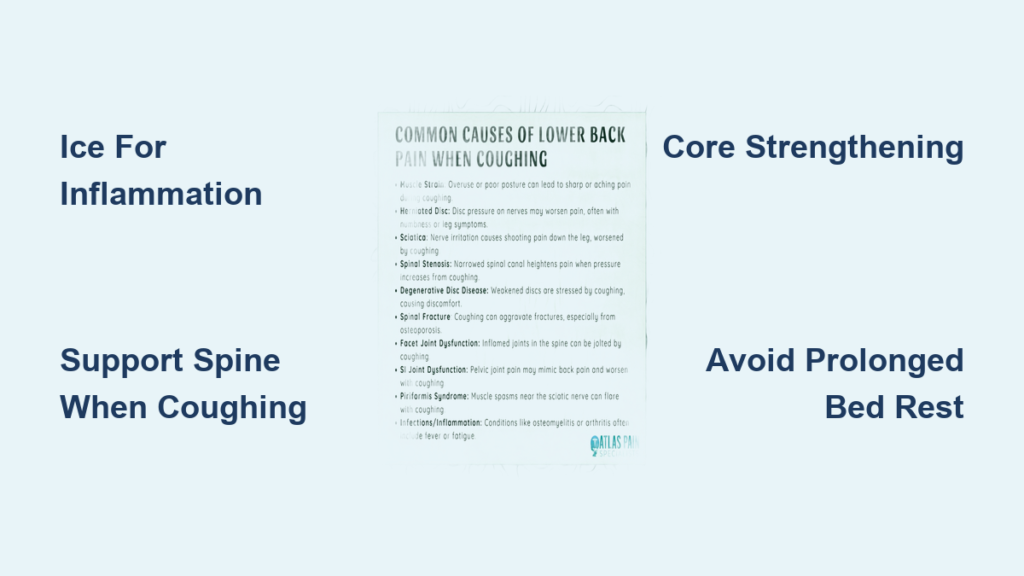
That hacking cough shouldn’t leave you doubled over in agony—but if you’ve ever experienced sharp back pain with every cough, you know this vicious cycle all too well. When your body is already fighting illness, the last thing you need is each cough triggering debilitating spinal pain that lingers long after the cold passes. This happens because coughing generates extreme pressure (300-400 mmHg) in your chest cavity—enough force to load your spine 6-8 times beyond normal levels. In this guide, you’ll discover exactly why coughing hurts your back, proven immediate relief techniques, and long-term strategies to break the pain cycle for good.
Why Coughing Creates Spinal Pressure Overload
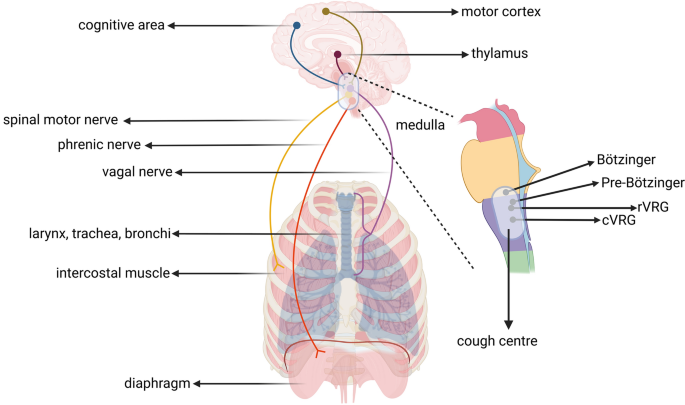
When you cough, your body creates a perfect storm of spinal stress through a biomechanical cascade that most people never consider. As your diaphragm thrusts downward with tremendous force, your abdominal muscles simultaneously contract to increase intra-abdominal pressure—creating a pressure spike that travels directly through your entire spinal column. This sudden load concentrates at your most vulnerable spinal junctions: where your thoracic spine meets your lumbar (T12-L1) and where your lumbar connects to your sacrum (L5-S1).
What happens in your spine during a cough:
– Your intercostal muscles compress the rib cage violently
– Facet joints jam together under unexpected pressure
– Intervertebral discs experience sudden compression
– Paraspinal muscles spasm to protect vertebrae
– Nerve roots become temporarily irritated
Understanding this mechanism explains why seemingly minor coughs can trigger significant back pain from coughing episodes. The force isn’t just in your chest—it transmits through your entire spinal structure, often targeting pre-existing weaknesses you didn’t even know you had.
Muscle Strain vs. Disc Damage: Spot the Difference
Signs of muscle-related pain:
– Sharp, localized pain that appears only during coughing
– Tenderness when pressing along your spine
– Pain improves with heat therapy and gentle movement
– Full recovery typically occurs within 1-4 weeks
Warning signs of disc involvement:
– Pain radiating down your buttocks or legs
– Numbness or tingling in your lower extremities
– Worsening pain when bending forward or sitting
– Recovery often takes 6-12 weeks with proper care
If your coughing pain radiates beyond your back, you’re likely dealing with nerve compression from a bulging disc rather than simple muscle strain. This distinction is crucial because treatment approaches differ significantly between these two common causes of back pain from coughing.
Location-Specific Pain Patterns
Lower back pain (65-70% of cases):
– Most commonly affects L4-L5 or L5-S1 disc levels
– Often linked to previous back injuries or poor core strength
– Pain may shoot down your leg when coughing hard
– Frequently worsens with prolonged sitting or bending
Upper back pain (20-25% of cases):
– Typically involves rib dysfunction or costovertebral joints
– Pain intensifies with deep breathing or twisting motions
– Often mistaken for lung problems or heart issues
– May cause referred pain around your shoulder blade
Knowing where your pain originates helps target the right solutions. Lower back pain from coughing usually responds well to core strengthening, while upper back pain often requires rib mobilization techniques.
Immediate Pain Relief Strategies That Work
Stop the Pain Cycle in 24 Hours
First 72 hours action plan:
1. Apply ice for 15-20 minutes every 2-3 hours to reduce inflammation
2. Modify your cough technique by supporting your spine with hands or a pillow
3. Position strategically—lie on your side with knees bent during coughing fits
4. Take appropriate medication—ibuprofen 400-600mg or acetaminophen 500-1000mg
Spine-protective coughing technique:
– Place both hands behind your lower back for support
– Bend your knees slightly to reduce spinal loading
– Lean forward at the hips (not the waist) to distribute pressure
– Perform gentle pelvic tilts after coughing to reset your spine
This simple technique reduces spinal stress by 40-60% compared to coughing while standing upright. Implement it immediately to prevent turning a minor issue into chronic pain.
Fast-Acting Pain Management Options
Most effective over-the-counter solutions:
– NSAIDs: Ibuprofen 400mg taken with food reduces inflammation
– Topical treatments: Diclofenac gel applied directly to painful areas
– Heat therapy: After 48 hours, use heating pads for 20-minute intervals
– Muscle relaxants: Consider cyclobenzaprine 5-10mg for severe spasms (short-term)
Critical warning: Avoid prolonged bed rest beyond 48 hours, as movement actually speeds recovery. Gentle walking for 5-10 minutes every hour maintains blood flow to healing tissues without aggravating your spine.
Home Diagnostic Tests You Can Perform

Emergency Red Flag Screening
Seek immediate medical care if you experience:
– Numbness in your inner thighs or groin area (“saddle anesthesia”)
– Loss of bladder or bowel control
– Severe leg weakness that affects walking
– Fever over 101°F combined with back pain
These symptoms could indicate cauda equina syndrome—a rare but serious condition requiring emergency intervention. Don’t wait days for an appointment if you notice these warning signs.
Simple Self-Assessment Techniques
The cough test: Gently cough while sitting upright. If pain is sharp and localized to one spot, it’s likely muscular. If pain radiates down your leg, suspect disc involvement.
Straight leg raise test: Lie on your back and slowly raise one straight leg. Pain below your knee during this maneuver suggests nerve root irritation from a herniated disc.
Slump test: Sit slouched forward, then straighten one knee while keeping your head bent down. Increased back or leg pain indicates neural tension that needs professional attention.
Professional Treatment Pathways
When Imaging Becomes Necessary
Get X-rays if:
– Pain persists beyond 6 weeks despite home treatment
– You have a history of spinal trauma or osteoporosis
– You’re over 50 with new-onset back pain from coughing
Schedule an MRI when:
– You experience progressive leg weakness
– Numbness continues between coughing episodes
– Pain remains severe after 4-6 weeks of conservative care
– You have risk factors like cancer history or unexplained weight loss
These imaging studies help distinguish between simple muscle strain and more serious structural issues requiring specialized treatment.
Physical Therapy Protocol That Works
Weeks 1-2 focus:
– Pain control through modalities like TENS or ultrasound
– Gentle range-of-motion exercises to prevent stiffness
– Core activation techniques targeting transverse abdominis
– Postural education for sitting, standing, and coughing
Weeks 3-6 progression:
– Progressive core strengthening (bird-dog, bridges, planks)
– Flexibility training for tight hip flexors and hamstrings
– Functional movement retraining for daily activities
– Gradual return to normal activities with proper body mechanics
This phased approach addresses both immediate pain and underlying weaknesses that make you vulnerable to back pain from coughing.
Long-Term Prevention Strategies That Stick
Core Strengthening Routine (10 Minutes Daily)
Essential exercises:
– Transverse abdominis activation: 3 sets of 10-second holds, 10 reps
– Bird-dog: 3 sets of 10 reps per side, focusing on spinal stability
– Pelvic tilts: 3 sets of 15 reps to improve lumbar control
– Glute bridges: 3 sets of 15 reps to strengthen posterior chain
Perform these exercises daily to build the muscular support that protects your spine during inevitable coughing episodes. Consistency matters more than intensity—start gently and gradually increase difficulty.
Critical Lifestyle Modifications
Ergonomic essentials:
– Use lumbar support while sitting for more than 30 minutes
– Sleep on a medium-firm mattress with a pillow between your knees
– Change positions every 30-45 minutes to prevent stiffness
– Practice proper lifting mechanics even for light objects
Weight impact: Every extra pound adds 4 pounds of pressure on your lumbar spine during coughing. Losing just 5-10% of your body weight significantly reduces back pain episodes and improves overall spinal health.
Special Considerations for Vulnerable Groups
Pregnancy-Related Back Pain Solutions
Safe modifications:
– Use a pregnancy pillow between your knees while side-lying
– Practice modified coughing technique with hands supporting your lower back
– Try prenatal yoga or water exercises for gentle strengthening
– Wear supportive maternity garments during daily activities
Hormonal changes during pregnancy increase ligament laxity, making your spine more vulnerable to coughing stress. Addressing this proactively prevents long-term issues.
Elderly Patient Adjustments
Age-specific strategies:
– Prioritize low-impact exercises like seated marches or wall push-ups
– Screen carefully for medication interactions before starting new treatments
– Implement aggressive fall prevention measures during recovery
– Monitor bone density to address osteoporosis concerns
Older adults face higher risks of compression fractures during forceful coughing, making proper spinal protection essential.
When to Call Your Doctor Immediately
Emergency Warning Signs
- Severe pain following a fall or injury
- Numbness in the “saddle area” (inner thighs, groin)
- Loss of bladder or bowel control
- Fever over 101°F with back pain
Schedule an Appointment If
- Pain shows no improvement after 1 week of home treatment
- Back pain from coughing interferes with sleep quality
- You experience recurrent episodes with minor illnesses
- Pain limits your ability to perform daily work tasks
Long-Term Success Maintenance Plan
Daily: 5-minute core activation routine upon waking
Weekly: 3 sessions of 30-minute low-impact cardio (walking, swimming)
Monthly: Postural self-check and ergonomic adjustments
Quarterly: Professional therapy check-up if prone to recurrent issues
Address cough causes promptly, maintain healthy weight, stay hydrated for disc health, and manage stress through proven techniques. Most back pain from coughing resolves within 4-6 weeks with proper care—the key is managing both the cough and protecting your spine simultaneously. Implement these strategies consistently to break the painful cough-spine cycle for good.