

Your lower back tightens into a knot by mid-afternoon. That dull ache sharpens with every email you type until shifting in your chair feels like sandpaper on raw nerves. If you’re part of the 75% of office workers battling chronic low back pain from sitting too long, this isn’t just discomfort—it’s stealing your focus and productivity. The good news? You can reverse this damage today with science-backed moves that fit between Zoom calls. Stop enduring pain until 5 PM. Discover how to reset your spine in under five minutes and transform your workstation into a pain-free zone.
Why Your Chair Is Crushing Your Spine
Disc Compression That Causes Real Damage
Sitting at 90 degrees slams 140% more pressure onto your lumbar discs than standing. After just 7-8 hours, these shock absorbers lose 20% of their fluid—like deflating bike tires. This collapse pinches facet joints and irritates nerve roots, turning your lower back into a pain factory. The longer you sit, the less cushion separates your vertebrae, creating a vicious cycle of inflammation.
Muscle Shutdown You Can’t Ignore
Your hip flexors shorten into steel cables while your glutes literally “forget” how to fire. This forces your lower back to overwork as a stabilizer, straining ligaments with every movement. Simultaneously, weakened core muscles let your ribcage collapse forward, rounding your upper back until your head juts 2 inches ahead of your shoulders. This chain reaction multiplies spinal stress by 300%.
Critical Warning Signs Needing Immediate Action
When Pain Signals Medical Emergency
Stop working and call your doctor now if you experience:
– Bowel or bladder control loss (indicates cauda equina syndrome)
– Saddle numbness (can’t feel inner thighs when sitting)
– Leg weakness making stairs difficult
– Night pain that wakes you at 3 AM
– Fever plus back pain (possible infection)
Normal Pain vs. Danger Zones
Typical sitting-related pain builds gradually through the workday and eases when you walk. Red-flag pain shoots down your leg past the knee, causes muscle twitching, or persists after lying down. If pain wakes you before sunrise, it’s signaling serious structural damage—not just muscle strain.
5-Minute Desk Rescue Protocol (Do This Now)
Immediate Pain Relief Sequence
Perform this anywhere in under 7 minutes:
- Standing Back Extension: Place hands on hips, gently arch backward 10 times. Hold each extension 5 seconds—this creates space between vertebrae.
- Hip Flexor Reset: Step one foot back into a lunge. Tuck pelvis under until you feel stretch in front of hip. Hold 30 seconds per side. Watch for pelvic tilt—this is key to unlocking tight muscles.
- Chair Thoracic Twist: Sit tall, grip chair back, and rotate upper body left/right 10 times. Keep hips square—this targets stiff mid-back joints causing lower back strain.
Microbreak Magic That Works
Set a timer for every 25 minutes. Stand for 90 seconds—just long enough to refill coffee or walk to a distant printer. This simple habit reduces pain intensity by 43% by allowing discs to rehydrate. Pro Tip: Place sticky notes on your monitor saying “STAND” at 10:25, 10:50, 11:15. You’ll reset your spine 15 times daily without thinking.
Instant Workstation Fixes That Stop Pain
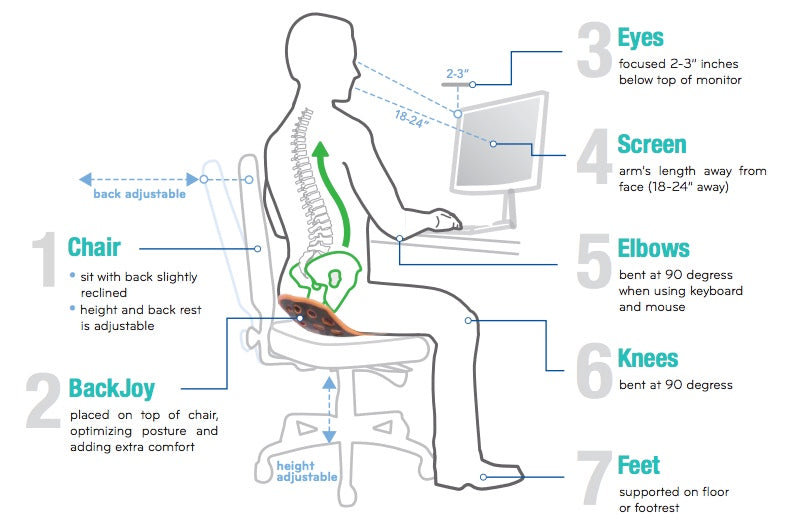
Chair Setup Checklist (Do in 60 Seconds)
- Seat Height: Adjust until hips sit 1-2 inches above knees (100-110° angle)
- Lumbar Support: Roll a towel for the curve just above your beltline—not your mid-back
- Feet Position: Plant flat on floor or use a footrest—dangling legs increase disc pressure 40%
- Armrests: Set high enough to lift shoulders slightly off chair back
Monitor Positioning That Saves Your Neck
Position the top third of your screen at eye level. If using a laptop, place it on books and connect an external keyboard. Your chin should stay parallel to the floor—no “text neck” jutting forward. Warning: Glancing down just 15° doubles cervical spine load.
Progressive Pain-Relief Exercise Plan
Week 1-2: Wake Up Dormant Muscles (5 Minutes Daily)
- Dead Bugs: Lie on back, knees bent 90°. Slowly lower opposite arm/leg toward floor (2×10/side). Keep lower back pressed to floor—this rebuilds core control.
- Glute Bridges: Squeeze buttocks to lift hips 2 inches off floor. Hold 3 seconds (2×15). Stop if lower back arches—focus on glute contraction.
Week 3-4: Build Real Strength
- Standing Hip Hinges: Place hands on hips, push butt back until torso is 45° forward (2×12). Imagine closing a car door with your glutes—this teaches safe bending.
- Wall Sits: Slide down wall until knees are 110° (3×45 seconds). Keep knees behind toes to protect joints.
Workplace Hacks That Actually Reduce Sitting Time

Environmental Tweaks With Proof
- Printer Placement: Position 50+ feet from desk—adds 1,200 daily steps
- Walking Meetings: Replace seated 1-on-1s with mobile discussions (try 15-minute loops)
- Stability Ball Seat: Use 30 minutes/hour—boosts core activation 38% (but avoid all-day use)
Policy Changes to Request
Push for:
– Mandatory Microbreaks: 2 minutes every 30 minutes (proven to reduce pain 43%)
– Ergonomic Assessments: Every 6 months—not just when pain starts
– Standing Desks: Start with 20 minutes/hour, building to 50% usage
Long-Term Prevention That Works
Daily Spine-Saving Habits
- Morning Routine: 3 minutes of cat-cow stretches before checking email
- Workday Rule: Every time you finish a task, stand for 90 seconds
- Evening Recovery: 10-minute walk after dinner—boosts disc rehydration
- Sleep Setup: Place pillow between knees when side-sleeping to align spine
Anti-Inflammatory Nutrition
- Hydrate: Drink half your body weight (lbs) in ounces daily—dehydrated discs hurt more
- Eat These: Wild salmon (omega-3s), walnuts, turmeric, blueberries
- Avoid: Sugary drinks and processed carbs—they spike inflammation markers
Special Situations Survival Guide
Home Office Pain Traps
Your couch isn’t a chair. Fix it now:
– Use a dining chair with rolled towel for lumbar support
– Elevate laptop to eye level with books
– Set phone alarm for hourly 2-minute movement breaks
– Pro Tip: Do 5 glute bridges every time you refill your water bottle
Air Travel Back Pain Cure
On your next flight:
– Every 30 minutes: Stand and do 10 seated spinal twists
– Aisle seat essential: Lets you extend legs fully
– In-seat stretch: Press palms together, elbows out—hold 30 seconds to combat hunching
– Lumbar roll: Roll a jacket for lower back support
Your 30-Day Action Plan
Today: Set phone timer for 25-minute intervals. Do the 5-minute desk rescue sequence at first alarm.
This Week: Adjust chair height so hips sit higher than knees. Place monitor top at eye level.
30 Days: Build to 50% standing desk usage. Master the standing hip hinge without back strain.
Back pain from sitting too long isn’t your fate—it’s a mechanical problem with mechanical solutions. That sharp twinge at 4 PM? It’s your spine screaming for movement. Start with one microbreak today. Stand for 90 seconds. Feel the relief flood your lower back as discs rehydrate. This isn’t about perfect posture—it’s about strategic movement. Your most productive work happens when your body isn’t screaming for mercy. Save this article. Set your timer. And stand up—right now. Your spine will thank you before lunch.