

That sharp twinge when you bend to pick up your coffee cup. The dull ache that makes getting out of bed feel like a workout. If back pain controls your daily life, you’re not alone—millions seek back pain relief chiropractic solutions each year. Unlike temporary fixes that mask symptoms, chiropractic care targets the actual source of your discomfort through natural, non-invasive methods. This guide reveals exactly how chiropractic adjustments work, which specific techniques deliver the fastest results, and what to expect during your first visit—so you can finally break free from chronic back pain without drugs or surgery.
Chiropractic care operates on a simple but powerful principle: proper spinal alignment enables your body to heal itself. When vertebrae shift out of position (subluxations), they compress nerves and trigger muscle spasms that create cascading pain patterns. The American College of Physicians now recommends spinal manipulation as a primary conservative treatment for low back pain, alongside heat therapy and massage. Major medical centers like Duke’s Spine Health program have integrated chiropractic care into their whole-person approach, validating its effectiveness through clinical results.
How Chiropractic Adjustments Target the Root Cause of Your Back Pain
Your spine houses the nerves controlling every movement and sensation in your body. When misalignments occur, they don’t just cause localized pain—they disrupt your entire nervous system function. Chiropractors use precise, controlled adjustments to restore proper spinal alignment, which reduces nerve pressure, decreases inflammation, and improves overall spinal function. This isn’t theoretical; the body’s innate healing ability activates once structural integrity is restored, addressing the actual source of your discomfort rather than merely masking symptoms with medication.
Unlike medications that simply dull pain signals, chiropractic back pain relief creates physiological changes that promote genuine healing. Each adjustment improves joint mobility in restricted areas while calming overactive muscles—a dual-action approach that resets your body’s pain response. Research shows this method works particularly well for subacute back pain (lasting 3 months or less), where the body still has significant healing capacity when given proper support.
Specific Back Pain Conditions That Respond Fastest to Chiropractic Care

Lower Back Pain That Won’t Quit
Lumbar spine issues show remarkable improvement with chiropractic care, especially when caused by:
– Herniated discs triggering sciatic pain down your leg
– Muscle spasms from lifting injuries or sudden movements
– Sacroiliac joint dysfunction creating hip and lower back pain
– General stiffness from prolonged sitting or poor posture
Neck and Upper Back Pain Relief
Thoracic and cervical problems often stem from modern lifestyle habits:
– Text neck syndrome from looking down at devices
– Whiplash injuries causing lingering discomfort
– Disc degeneration in the neck area
– Pinched nerves resulting in arm pain or tension headaches
Disc Problems That Seem Hopeless
Chiropractic excels at treating disc-related issues through specialized techniques that:
– Create negative pressure within discs to encourage retraction
– Improve disc hydration and nutrient flow
– Reduce sciatic nerve compression
– Restore normal movement patterns without surgery
5 Proven Chiropractic Techniques for Immediate Back Pain Relief
Manual Spinal Manipulation That Restores Mobility
Your chiropractor uses controlled, high-velocity thrusts with their hands to specific vertebrae, restoring proper alignment. You’ll often hear a popping sound (cavitation) as gas releases from the joint—this isn’t bones cracking but pressure equalizing in the joint space. This technique reduces nerve pressure and inflammation while improving overall spinal function.
Flexion-Distraction for Disc-Related Pain
Imagine lying face-down as a specialized table gently stretches and flexes your spine in a rhythmic motion. This technique:
– Creates negative pressure within discs
– Helps retract herniated disc material
– Reduces sciatic nerve irritation
– Feels more like gentle stretching than an adjustment
Thompson Drop-Table Method for Precise Correction
This technique uses a table with sections that drop slightly during adjustment, allowing your chiropractor to use less force while achieving precise corrections. It’s particularly effective for acute injuries where minimal force is needed and for sacroiliac joint dysfunction causing lower back pain.
Activator Method for Gentle Treatment
If you prefer ultra-gentle care, the Activator delivers precise adjustments using a handheld instrument. This spring-loaded device provides controlled force without the twisting of traditional adjustments—perfect for osteoporosis patients, those with sensitive spines, or anyone nervous about manual adjustments.
Trigger Point Release for Muscle Tension
Tight muscle knots can perpetuate back pain even after spinal alignment. Your chiropractor applies direct pressure to these trigger points, releasing tension and improving blood flow to affected areas—providing immediate relief from referred pain patterns.
What Actually Happens During Your First Back Pain Chiropractic Appointment
Your initial visit typically lasts 30-60 minutes and includes a comprehensive health history review where your chiropractor will ask about when your pain started, what triggers it, previous injuries, and your specific treatment goals. The physical examination assesses your spinal mobility, neurological function, posture, and performs specific orthopedic tests to reproduce your pain—helping pinpoint the exact source.
During the treatment planning phase, you’ll receive a clear explanation of what’s causing your pain, a customized treatment plan with recommended visit frequency, home exercise recommendations, and lifestyle modification suggestions. Most patients begin with 2-3 visits weekly during the initial phase, with follow-up appointments lasting just 10-20 minutes—making it easy to fit into busy schedules.
Realistic Timeline: When You’ll Feel Back Pain Relief After Chiropractic Care
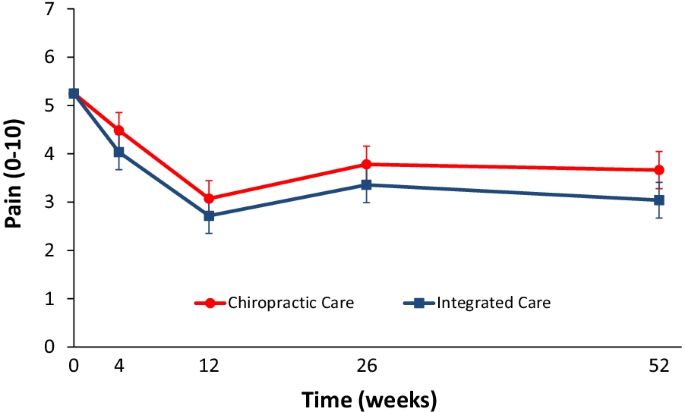
Many patients experience noticeable improvement after just 1-2 sessions, with significant reduction in pain within 2-3 weeks of consistent treatment. A complete treatment course typically lasts 4-8 weeks for most conditions, though chronic issues may require periodic maintenance visits. The key is consistency—sporadic visits won’t produce lasting results.
Beyond pain reduction, you’ll notice long-term benefits including improved posture that reduces future strain, better sleep from decreased discomfort, increased activity tolerance for daily tasks, reduced medication dependence, and enhanced overall nervous system function. These cumulative effects create sustainable chiropractic back pain relief that keeps you moving freely for years.
Daily Habits That Prevent Back Pain from Returning After Chiropractic Care

Critical Home Exercises to Extend Your Relief
Your chiropractor will teach you specific exercises to maintain spinal health between visits:
Bridge Exercise
Lie on your back with knees bent. Tighten your core and lift your hips until your body forms a straight line from knees to shoulders. Hold 5-10 seconds, then lower slowly. Repeat 10-15 times daily to strengthen lower back support.
Cat-Cow Stretch
On hands and knees, alternate between arching your back up (cat) and dipping your belly down (cow). Perform 10 slow repetitions to improve spinal flexibility and reduce tension.
Lifestyle Modifications for Lasting Results
- Sit with feet flat on floor, shoulders back, and screen at eye level
- Take micro-breaks every 30 minutes to reset your posture
- Sleep on your side with a pillow between your knees
- Lift heavy objects with your legs, not your back
- Stay hydrated to maintain disc hydration and flexibility
7 Questions to Ask Before Choosing a Back Pain Chiropractor
Don’t settle for the first chiropractor you find—ask these critical questions to ensure you get effective back pain relief chiropractic care:
- “How many years of experience do you have treating my specific condition?”
- “What percentage of your practice focuses on back pain cases like mine?”
- “Which techniques do you specialize in for lumbar spine issues?”
- “How do you coordinate care with my primary physician if needed?”
- “What home exercises will you prescribe to support my treatment?”
- “What’s your typical treatment timeline for someone with my condition?”
- “Do you offer new patient consultations to assess if we’re a good fit?”
Verify they hold a Doctor of Chiropractic (DC) degree and state license in good standing. The right chiropractor will explain their approach clearly, welcome your questions, and make you feel confident in their ability to deliver genuine back pain relief.
Bottom line: Chiropractic care offers a safe, evidence-based path to back pain relief chiropractic solutions that address root causes rather than masking symptoms. By combining precise spinal adjustments with targeted exercises and lifestyle modifications, most patients experience significant improvement within weeks—regaining the freedom to move, work, and live without pain controlling their days. If back pain has limited your life, schedule a consultation with a qualified chiropractor to discover if this drug-free approach can finally bring you the lasting relief you deserve.