
That sharp twinge beneath your ribs when you breathe deeply. The dull ache that worsens after long days at your desk. Back pain under ribs affects millions, yet most people suffer in silence, unsure whether it’s a pulled muscle or something more serious. This comprehensive guide cuts through the confusion to deliver the answers you need—fast.
You’ll discover exactly what’s causing your pain, how to tell if it’s an emergency, and the most effective treatment strategies backed by medical research. Whether you’re dealing with a recent injury or chronic discomfort, this guide provides clear, actionable steps to get you back to pain-free living.
Why Your Rib Area Back Pain Isn’t Just a Simple Strain
Muscle Strain vs. Internal Issues
Most rib-back pain stems from musculoskeletal problems—typically muscle strain, rib dysfunction, or joint inflammation. These conditions create localized pain that worsens with movement or deep breathing. However, internal organs can also refer pain to this area, making accurate diagnosis crucial.
Musculoskeletal causes include muscle strain from poor posture or sudden movements, rib dysfunction at joint connections, costochondritis (rib cartilage inflammation), trigger points in thoracic muscles, and disc problems in the thoracic spine. These typically cause pain that intensifies with specific movements or breathing patterns.
Internal causes to watch for include gallbladder issues (right-sided pain), kidney problems (flank pain radiating forward), pancreatitis (mid-back pain with nausea), and lung conditions (pain with breathing). These often present with additional symptoms beyond localized pain and may not follow typical musculoskeletal pain patterns.
Red Flags: When Pain Signals Emergency
Certain symptoms demand immediate medical attention. Seek emergency care if you experience fever with back pain, severe pain following trauma, difficulty breathing, chest pain radiating to arm/jaw, numbness or weakness in legs, or loss of bladder/bowel control. Unexplained weight loss, progressive neurological deficits, and severe unrelenting night pain also warrant urgent evaluation.
Pinpoint Your Exact Pain Source in Minutes
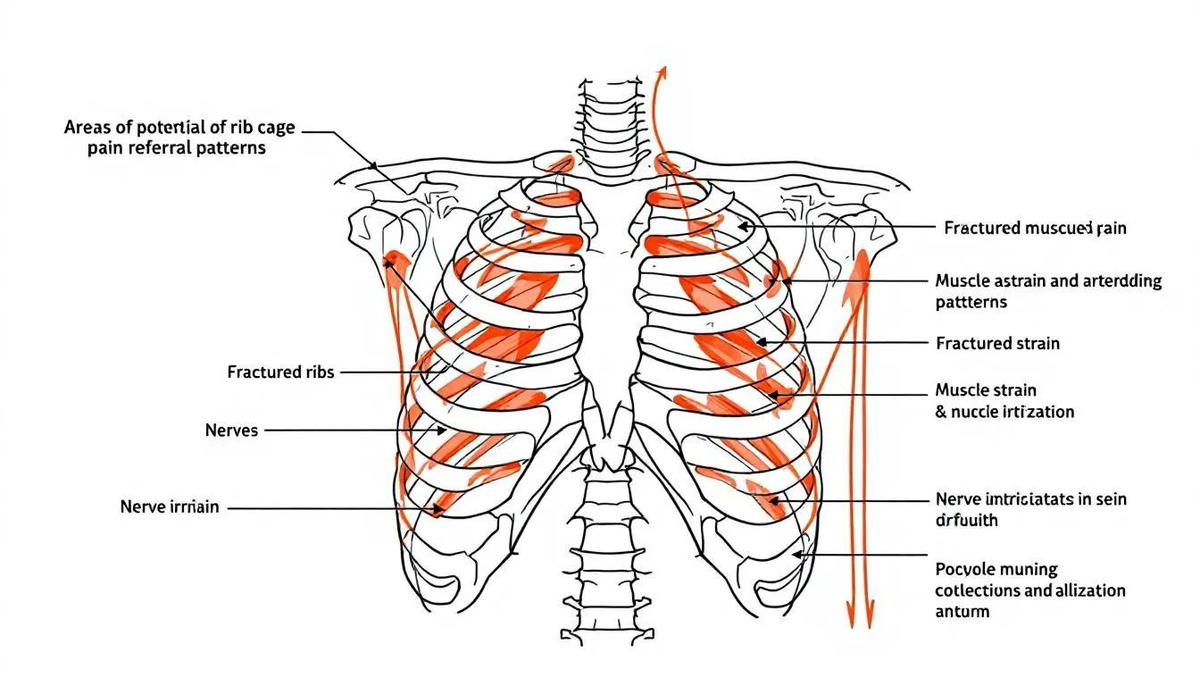
Pain Location Mapping
Your pain’s location provides crucial diagnostic clues. The human rib cage consists of 12 pairs of ribs attached to the thoracic vertebrae (T1-T12). Upper ribs (T1-T6) pain often relates to neck/shoulder issues, mid ribs (T6-T9) commonly suffer from poor posture strain, and lower ribs (T9-T12) frequently get strained during lifting or twisting motions. Palpate these areas gently to identify specific tender points.
Movement Pattern Testing
Perform these gentle tests to identify your pain source. Test 1: Deep Breathing – Take a slow, deep breath. Sharp pain worsening with inhalation typically suggests rib dysfunction or muscle strain. Test 2: Spinal Rotation – While seated, slowly rotate left and right. Pain with rotation points to facet joint or muscle issues. Test 3: Rib Compression – Gently press on your ribs from the side. Localized tenderness indicates musculoskeletal problems rather than internal causes.
Immediate Pain Relief Strategies That Work
First 24-48 Hour Protocol
For acute back pain under ribs, follow this proven sequence. Hour 1-6: Apply ice for 20 minutes every 2-3 hours to reduce inflammation. Hour 6-24: Begin gentle range-of-motion exercises – complete rest prolongs healing. Day 2: Introduce heat therapy for muscle relaxation, alternating with ice if swelling persists. Avoid aggressive stretching during this initial phase to prevent further tissue damage.
Medication Guidelines
Over-the-counter options include ibuprofen (400-800mg every 6-8 hours, max 2400mg/day), naproxen (220-500mg twice daily), and acetaminophen (1000mg every 6-8 hours) for those avoiding NSAIDs. Topical treatments like diclofenac gel applied 3-4 times daily, lidocaine patches for localized relief, and menthol-based creams provide cooling sensation without systemic effects. Always follow dosage instructions and consult your doctor if you have underlying health conditions.
Physical Therapy Exercises for Lasting Relief
Thoracic Extension Routine
The foam roller extension (5 minutes daily) provides significant relief: Position roller horizontally under mid-back, support head with hands, gently arch backward over roller, holding 30 seconds while moving up/down spine. The doorway chest stretch counters forward posture: Place forearms on doorframe, step forward until gentle stretch felt, hold 30 seconds, repeat 3 times each side. These exercises restore natural thoracic mobility often lost from desk work.
Rib Mobilization Techniques
The rib lift exercise targets restricted ribs: Lie on painful side with knees bent, top hand behind head, exhale while lifting top elbow toward ceiling, hold 3 seconds, repeat 10 times. The thread-the-needle stretch improves rotation: Start on hands and knees, slide one arm under body while rotating spine, hold 30 seconds, repeat 3 times each side. These movements specifically address the costovertebral joints where ribs connect to vertebrae.
Manual Therapy Options Worth Considering
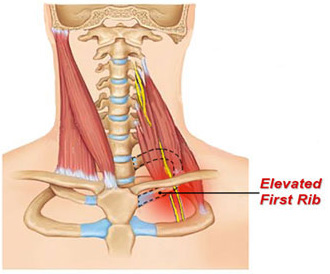
Chiropractic Adjustments
Specific rib adjustment techniques provide rapid relief for subluxated ribs, restricted costovertebral joints, and thoracic spine dysfunction. These precise manipulations restore normal joint mechanics often causing back pain under ribs. Expect 3-6 sessions for acute conditions, with maintenance care recommended for chronic issues. Research shows manual therapy significantly improves pain and function in rib-related back pain.
Osteopathic Muscle Energy Techniques
These gentle methods use muscle energy techniques to restore normal rib motion: You actively contract specific muscles while the practitioner provides precise resistance, followed by relaxation and stretching. Typically requiring 3-5 repetitions per restricted area, this approach addresses rib dysfunction without forceful manipulation. This technique is particularly effective for chronic rib pain related to breathing mechanics.
Prevention Strategies That Stick Long-Term
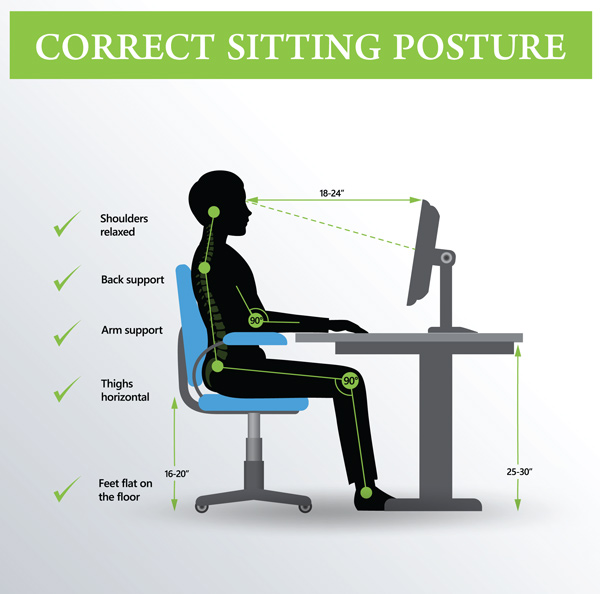
Postural Correction Blueprint
Optimize your desk setup: Keep monitor at eye level 20-26 inches away, ensure chair supports lumbar curve, keep feet flat on floor with knees at 90 degrees, and take micro-breaks every 30 minutes. For sleep positioning, side sleeping with pillow between knees or back sleeping with knee support maintains spinal alignment. Avoid stomach sleeping as it twists the spine and strains rib attachments.
Daily Movement Habits
Implement a micro-break routine every 2 hours: Perform shoulder blade squeezes (20 reps), doorway chest stretches (30 seconds), gentle spinal twists (10 each side), and deep breathing exercises (5 cycles). These brief interventions counteract the cumulative effects of prolonged sitting that contribute to back pain under ribs. Consistency with these small movements prevents pain from developing in the first place.
When Professional Help Becomes Essential
Primary Care Indicators
Schedule an appointment if pain persists beyond 2 weeks, over-the-counter medications become ineffective, pain consistently interrupts sleep, or daily activities become significantly limited. Simple muscle strains typically show improvement within 4-6 weeks with proper care – continued pain suggests a more complex issue requiring professional evaluation.
Diagnostic Imaging Decisions
X-rays serve as first-line imaging for trauma or suspected fractures. MRI provides detailed soft tissue visualization for persistent pain or neurological symptoms. CT scans evaluate complex bony anatomy, while ultrasound assesses soft tissue abnormalities and guides injections. Your healthcare provider will determine which imaging is appropriate based on your specific symptoms and physical examination findings.
Long-Term Management Success Strategies
Minimal Effective Dose Exercise Program
Maintain rib health with just 15 minutes daily: Thoracic extension over foam roller (2 minutes), doorway chest stretch (2 minutes each side), bird-dog exercise (2 sets of 10), and deep breathing practice (3 minutes). This minimal routine addresses the key components of rib mobility, muscle balance, and breathing mechanics responsible for most back pain under ribs.
Red Flags for Reassessment
Monitor for changes requiring medical review: new neurological symptoms, progressive weakness, bowel/bladder changes, fever with back pain, or unexplained weight loss. These indicators suggest your condition may have evolved or that an underlying systemic issue requires attention beyond typical musculoskeletal management.
Key Takeaway: Most back pain under ribs resolves with conservative care within 4-6 weeks. Success depends on early intervention, proper movement restoration, and addressing underlying causes rather than just symptoms. Stay consistent with your prevention routine—even after pain subsides—to maintain long-term spinal health. Simple daily habits like proper posture, regular movement breaks, and targeted exercises prevent recurrence and keep your rib attachments functioning optimally.