
That sharp ache between your shoulder blade and spine on the left side can stop you mid-reach or wake you from sleep. While most cases stem from muscle tension or poor posture, the left-sided location demands attention—your heart, lungs, and other vital organs can refer pain here. This guide breaks down exactly what’s causing your discomfort and delivers practical solutions you can start today.
Left back shoulder pain left side affects millions daily, often disrupting work and sleep. Whether you’re a desk worker hunched over a computer or an athlete pushing physical limits, this specific pain pattern requires targeted treatment. Understanding the precise source—whether muscular, skeletal, or referred from elsewhere—determines the most effective relief strategy. Let’s uncover what’s really happening behind your left shoulder blade and how to fix it permanently.
Why Your Left Shoulder Blade Aches After Sitting All Day
Rotator Cuff and Scapular Muscle Strain Patterns
Your supraspinatus and infraspinatus muscles attach near your shoulder blade’s upper edge. When these muscles overwork from poor posture or repetitive motions, they develop micro-tears that create deep, persistent pain. The rhomboids—those muscles running between your spine and shoulder blades—become especially vulnerable when you slouch, forcing them to work overtime to pull your shoulders back.
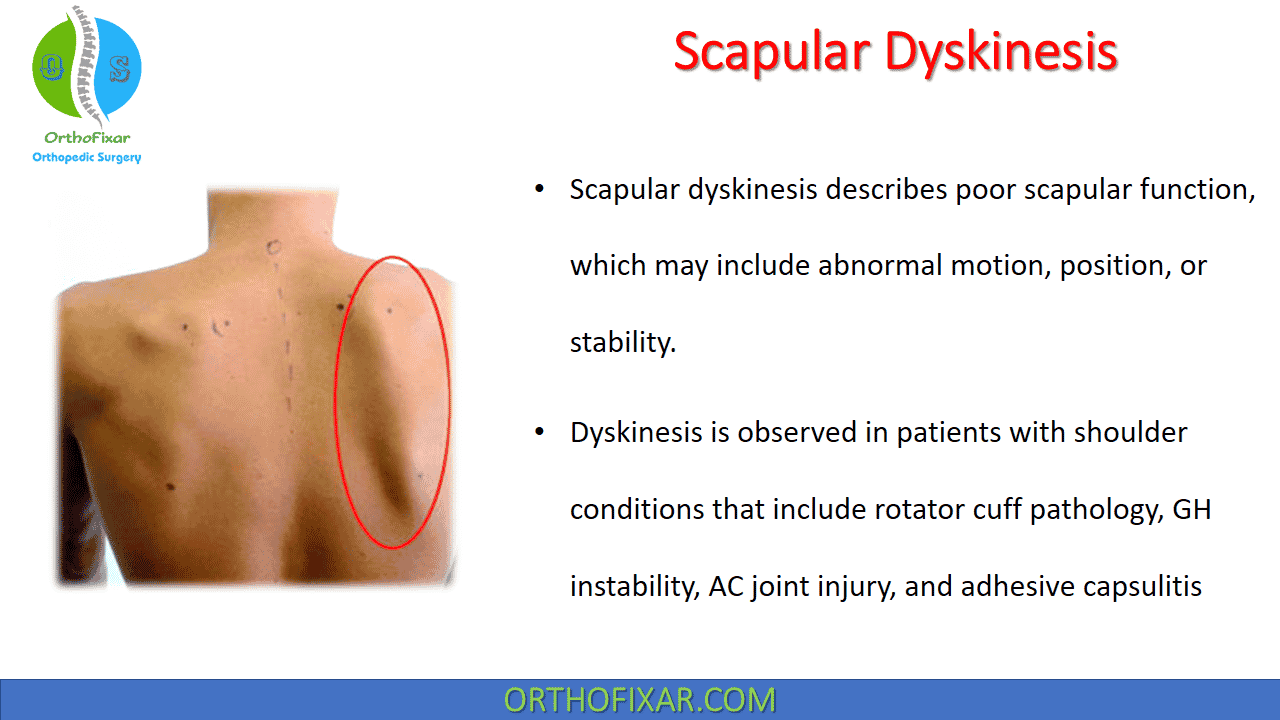
Notice how your pain intensifies when reaching behind your back or lifting objects overhead? This indicates scapular dyskinesis, where your shoulder blade moves abnormally during arm motions. Your body compensates with other muscles, creating trigger points that feel like marble-sized knots under your skin. These hyperirritable spots in your levator scapulae muscle (connecting neck to shoulder blade) often cause that familiar burning sensation along your left shoulder’s upper edge.
Thoracic Spine Joint Dysfunction Signs
Your upper back contains 12 thoracic vertebrae, each connected to ribs and surrounded by facet joints. When these small joints become inflamed from prolonged poor posture—like staring at a phone or computer—they send pain signals directly to your left shoulder region. Costovertebral joint dysfunction occurs where ribs meet your spine; irritation here creates pain that wraps around your torso and settles precisely where your shoulder blade meets your spine.
Press gently along your left spine with your opposite hand. If you find specific tender spots that reproduce your shoulder pain, thoracic facet syndrome is likely the culprit. This condition often worsens when twisting your torso or taking deep breaths, distinguishing it from pure muscular pain.
Heart-Related Pain vs. Muscular Discomfort
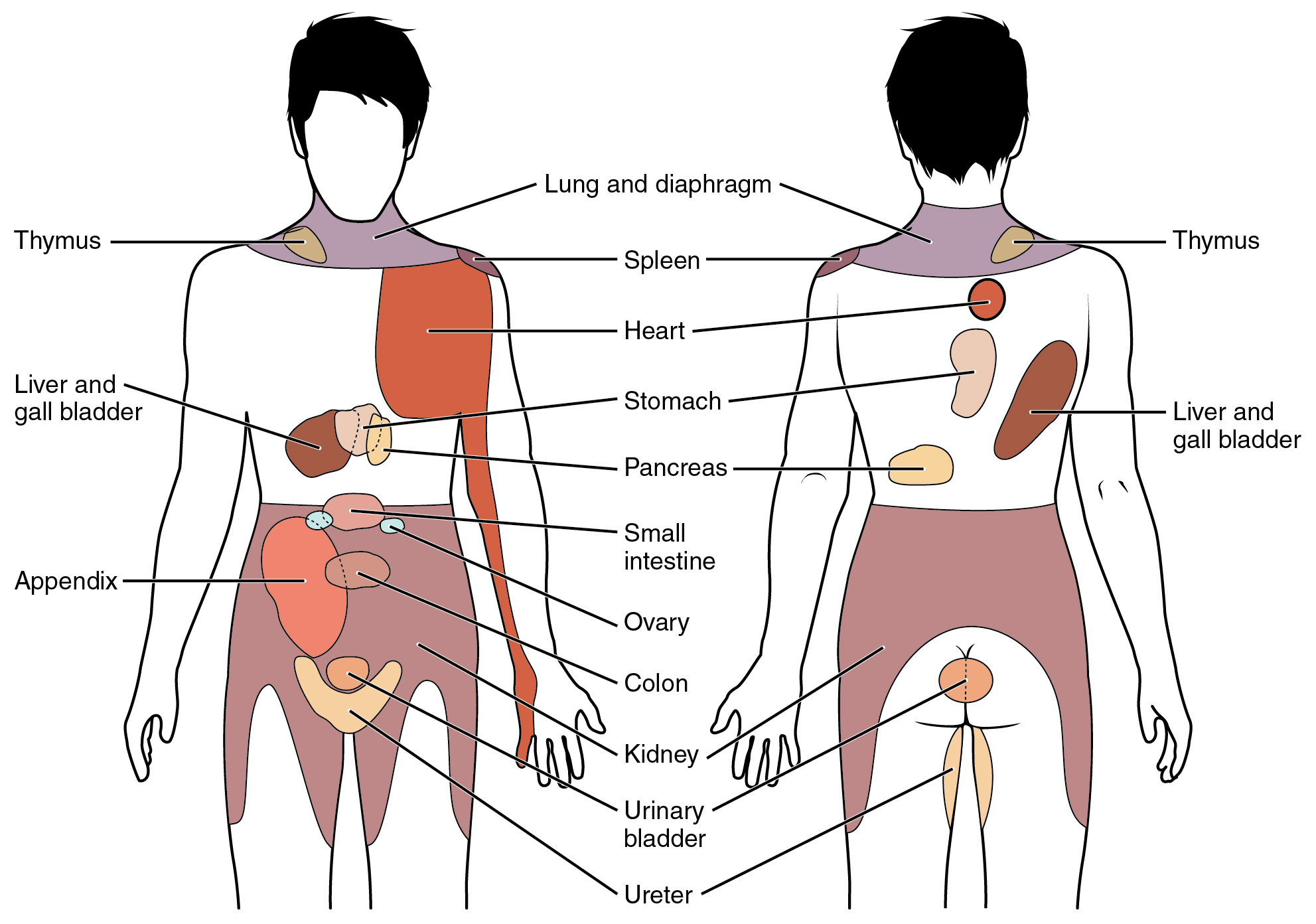
Critical distinction: Cardiac pain often radiates to the left shoulder blade, especially during inferior wall heart attacks. Unlike muscular pain that worsens with movement, cardiac-related discomfort typically presents with chest pressure, shortness of breath, or pain spreading to your jaw. If your left back shoulder pain left side appears suddenly with nausea or sweating, seek emergency care immediately.
Pulmonary issues like pneumonia can also refer pain to this area, usually worsening with deep breathing. Gallbladder problems occasionally manifest as left shoulder pain—though more commonly on the right—so consider recent digestive issues when evaluating your symptoms.
Quick Left Shoulder Pain Diagnosis at Home
Mirror Assessment for Postural Imbalances
Stand shirtless before a full-length mirror. Look for these telltale signs:
– One shoulder blade protruding further from your spine than the other
– Visible muscle wasting along your left shoulder blade’s inner edge
– Head positioned noticeably forward of your shoulders
– Rib flare on one side when taking a deep breath
These visual clues indicate scapular dyskinesis or muscular imbalances contributing to your pain. A winging shoulder blade (protruding outward) suggests serratus anterior weakness, while excessive rounding points to tight pectoral muscles pulling your shoulders forward.
Targeted Movement Tests That Reveal the Cause
Wall slide test: Stand against a wall with arms at 90 degrees (forming goalposts). Slowly raise arms overhead while maintaining contact with the wall. Pain or inability to keep arms against the wall indicates rotator cuff involvement or scapular dysfunction.
Neck rotation test: Turn your head left and right while seated upright. If left shoulder pain increases significantly when looking right, cervical spine issues are likely contributing. This occurs because turning away from the painful side stretches already irritated nerve pathways.
Immediate Relief for Left Back Shoulder Pain
Strategic Ice and Heat Application Protocol
Ice therapy works best for acute pain or recent injuries. Freeze a paper cup of water, peel back the top inch, and massage the area in circular motions for 5-7 minutes. This targets inflammation without risking ice burn. Use this method every 2-3 hours during the first 48 hours after pain onset.
Heat therapy provides superior relief for chronic tension. Heat a damp towel in the microwave for 1 minute and apply to your left shoulder blade area for 15-20 minutes. The moisture enhances heat penetration to relieve deep muscular knots in your rhomboids and trapezius.
Trigger Point Release Techniques You Can Do Alone
Tennis ball mobilization: Place a tennis ball between your left shoulder blade and a wall. Lean into it and slowly move your body to roll the ball across tender areas. When you find a particularly sensitive spot, hold pressure for 20-30 seconds until you feel the knot release.
Doorway pec stretch: Stand in a doorway with your left forearm against the frame, elbow bent at 90 degrees. Step forward gently until you feel a stretch across your chest. Hold for 30 seconds—this counteracts the forward shoulder position that strains your back muscles.
Essential Exercises for Lasting Left Shoulder Pain Relief
Scapular Stabilization Routine (3 Minutes Daily)
Wall angels: Stand with your back against a wall, head, shoulders, and buttocks touching the surface. Raise arms to form a goalpost position, then slowly slide them up and down the wall while maintaining contact. Complete 2 sets of 10 repetitions daily to retrain proper shoulder blade movement.
Prone Y-T-W raises: Lie face down on a mat with arms extended overhead in a Y position. Squeeze shoulder blades together and lift arms 2-3 inches off the floor. Hold for 3 seconds, then repeat in T (arms out to sides) and W (elbows bent, hands near shoulders) positions. Perform 2 sets of 8 in each position.
Rotator Cuff Strengthening Protocol
Sleeper stretch: Lie on your left side with affected arm extended at shoulder height, elbow bent to 90 degrees. Use your right hand to gently press your left hand toward the floor until you feel a stretch in the back of your shoulder. Hold for 30 seconds, repeat 3 times. This addresses internal rotation restrictions common in shoulder blade pain.
External rotation with resistance band: Anchor a light resistance band at waist height. With your left elbow bent at 90 degrees and tucked against your side, rotate your forearm outward against the band’s resistance. Complete 2 sets of 15 daily to strengthen the infraspinatus muscle critical for shoulder stability.
When to Seek Professional Help for Left Shoulder Pain
Red Flags Requiring Immediate Medical Attention
Seek emergency care if your left back shoulder pain left side appears with:
– Chest tightness or pressure
– Shortness of breath unrelated to exertion
– Pain radiating down your left arm
– Sudden dizziness or nausea
– Unexplained sweating
These symptoms could indicate cardiac issues requiring immediate intervention. Don’t dismiss left-sided pain as muscular without ruling out serious conditions.
Effective Medical Interventions for Persistent Pain
Physical therapists specializing in shoulder rehabilitation typically implement a three-phase approach: First, manual therapy to release tight structures; second, neuromuscular re-education to correct movement patterns; third, progressive strengthening. Most patients experience significant improvement within 4-6 sessions when following the prescribed home exercise program.
Corticosteroid injections provide rapid relief for stubborn cases when precisely placed near irritated structures. Your doctor may inject between your shoulder blade and spine for scapulothoracic bursitis or into the subacromial space for rotator cuff involvement. These injections work best when combined with physical therapy to address the underlying cause.
Prevent Recurring Left Back Shoulder Pain
Office Ergonomics That Actually Work
Position your computer monitor directly in front of you at eye level—use books or a stand if needed. Your keyboard should sit close enough that your elbows rest at 90 degrees with shoulders relaxed. Set a timer to stand and perform shoulder blade squeezes every 30 minutes to prevent the forward head posture that strains your upper back.
When talking on the phone, avoid cradling it between your ear and shoulder—a habit that chronically irritates the levator scapulae muscle. Use a headset or speakerphone to maintain neutral neck positioning.
Sleep Position Adjustments for Pain-Free Mornings
Sleep on your back with a pillow supporting your neck’s natural curve. If you prefer side sleeping, place a pillow between your knees and hug another pillow to your chest—this prevents shoulder rotation that strains muscles overnight. Avoid sleeping on your stomach, which forces your neck into extreme rotation and flattens your natural spinal curves.
Long-Term Prevention Strategy
Consistent scapular stabilization exercises performed 3 times weekly maintain shoulder health long-term. Track your progress with simple measurements: Note how many wall angels you can perform with perfect form, or measure how close your chin can come to your chest during chin tucks. Small improvements compound into significant pain reduction over time.
Your left back shoulder pain left side isn’t just an annoyance—it’s your body’s warning sign to address underlying imbalances. By implementing these targeted strategies immediately, you’ll relieve current discomfort while building resilience against future episodes. Start with just two exercises today, and within weeks you’ll notice improved posture, reduced pain, and greater freedom of movement that makes daily activities effortless again.