

That sharp twinge when you bend to tie your shoes or the constant ache that follows you through your workday – lower back pain hits 39% of adults globally and costs the U.S. $200 billion annually. If you’re among the 85% who’ll seek medical help for back pain in your lifetime, you’ve probably faced the frustrating choice between painkillers and surgery. But there’s a third option gaining serious traction: chiropractic treatment of lower back pain. This non-invasive approach targets the root cause rather than masking symptoms, offering real relief for mechanical pain through precise spinal adjustments and personalized care plans. Let’s cut through the confusion about whether chiropractic care could be your solution.
Acute, Subacute, and Chronic Lower Back Pain Relief Options
Why Acute Pain (Less Than 6 Weeks) Responds Best
When sudden pain strikes from lifting improperly or twisting awkwardly, early chiropractic intervention delivers the fastest results. Your spine hasn’t yet developed compensatory patterns, so adjustments restore normal joint motion before inflammation sets in. Research shows patients starting care within this window often need fewer sessions – typically 3-6 visits over two weeks – with many reporting immediate mobility improvements after their first adjustment. Don’t wait hoping it’ll “work itself out”; delayed treatment risks progression to subacute pain.
Subacute Pain (6-12 Weeks) Recovery Strategies
This critical phase determines whether your pain becomes chronic. Chiropractic care shines here by addressing the body’s maladaptive changes – like tightened muscles protecting injured joints. A landmark JAMA study found military personnel receiving chiropractic care during weeks 6-12 showed 40% greater functional improvement than those on standard medication protocols alone. Key treatments include gentle mobilization paired with therapeutic exercises to rebuild proper movement patterns before permanent dysfunction sets in.
Chronic Pain (Beyond 12 Weeks) Management Solutions
While trickier to resolve, chronic pain still responds well to chiropractic treatment of lower back pain through a layered approach. Expect spinal adjustments combined with targeted exercises like bird-dog stabilization and hamstring stretches to address long-standing muscle imbalances. Evidence confirms this dual strategy outperforms medication-only care, with 68% of chronic sufferers reporting meaningful pain reduction after 12 sessions. Success hinges on consistent home exercises – your chiropractor will teach you self-care techniques to maintain gains between visits.
Herniated Discs, Sciatica, and Other Treatable Conditions
Mechanical Dysfunction and Disc-Related Pain Fixes
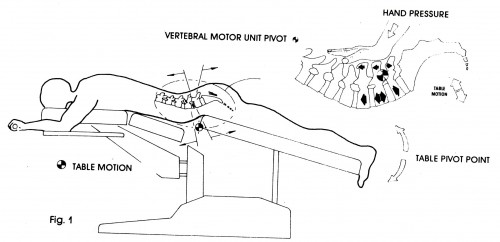
Over 80% of chiropractic cases involve mechanical dysfunction where joints restrict movement without structural damage. For herniated discs causing sciatica, flexion-distraction therapy on a specialized table gently decompresses nerves – many patients feel leg pain reduction within 3 sessions. Sacroiliac joint dysfunction (often misdiagnosed as disc pain) responds dramatically to Gonstead adjustments targeting pelvic alignment. Even acute muscle strains heal faster when soft tissue therapy follows spinal realignment.
Osteoarthritis and Osteoporosis-Safe Approaches
Don’t assume age-related conditions rule out care. For osteoarthritis, chiropractors focus on preserving joint mobility through low-force mobilization – not reversing damage but reducing pain during daily activities. With osteoporosis, high-velocity adjustments are avoided; instead, the Activator instrument delivers precise micro-thrusts while exercise protocols prioritize bone-strengthening movements. Always disclose bone density concerns – your chiropractor will modify techniques to ensure safety while maintaining effectiveness.
JAMA Military Study Proof and Real-World Results

Military Trial Data You Can Trust
The 2018 JAMA Network Open study tracking 750 active-duty personnel remains the gold standard for chiropractic evidence. After six weeks of care combining standard treatment with chiropractic adjustments:
– Pain scores dropped 32% compared to 18% in medication-only groups
– Zero serious complications occurred
– Only 10% experienced mild, temporary stiffness
– Function improvements persisted at 12-week follow-up
This rigorous trial proves chiropractic treatment of lower back pain isn’t just theoretical – it delivers measurable, safe outcomes even in high-stress populations.
What Comprehensive Research Confirms
Analysis of 887 studies reveals spinal manipulation provides strongest evidence for chronic lower back pain, with results matching or exceeding standard care. Crucially, combining adjustments with prescribed exercises like cat-cow stretches reduces recurrence rates by 50%. While evidence is limited for severe radiating leg pain, mild sciatica often improves significantly. Remember: chiropractic works best as part of your pain management toolkit, not a magic bullet.
Spinal Adjustments That Actually Fix Your Pain
High-Velocity Adjustments: How They Work
When you hear that “pop” during spinal manipulation, it’s harmless gas bubbles releasing from joint fluid – not bones cracking. This high-velocity, low-amplitude thrust corrects restricted vertebrae in seconds, restoring normal motion. Ideal for acute mechanical pain, most patients feel immediate relief in stiffness and range of motion. Never attempt self-adjustment – improper force can cause injury. Leave this to trained professionals who target specific segments.
Flexion-Distraction for Disc Herniation Relief
This specialized table treatment is your best option for herniated discs. As the table gently stretches your spine, negative pressure inside discs helps retract bulging material away from nerves. Sessions last 15 minutes with gradual, rhythmic motions – no sudden thrusts. Most sciatica patients need 8-12 sessions, often combined with pelvic tilts exercises to stabilize the area. Many avoid surgery entirely through this approach.
What Happens During Your First Chiropractic Visit
Diagnostic Assessment You Won’t Get Elsewhere
Your initial consultation goes beyond “where does it hurt?” Chiropractors analyze your gait, posture, and spinal alignment while asking targeted questions about pain triggers and daily activities. They’ll test nerve function through reflex checks and sensation tests – crucial for ruling out serious conditions like fractures. This comprehensive evaluation identifies why your back hurts, not just where.
When Imaging Is (and Isn’t) Necessary
X-rays assess spinal alignment only when red flags exist like unexplained weight loss or trauma history. Most mechanical back pain requires no imaging – studies show scans often reveal “abnormalities” in pain-free people, leading to unnecessary worry. MRIs remain reserved for cases with progressive neurological symptoms. Your chiropractor will order tests only when clinically indicated, avoiding unnecessary radiation exposure.
Cost Breakdown and Insurance Coverage Secrets
Real Session Pricing and Insurance Hacks
Expect $60-$200 per session depending on location and complexity. Here’s the insider tip: Most major insurers including Medicare now cover chiropractic treatment of lower back pain, but pre-authorization is often required. Always verify:
– Your plan’s visit limit (typically 12-20/year)
– Whether a physician referral is needed
– Co-pay amounts (usually $20-$50)
HSA/FSA funds cover uncovered costs – keep receipts. For uninsured patients, many clinics offer sliding-scale fees or package discounts for upfront payment.
Warning Signs You Need Different Care
When Chiropractic Isn’t Enough
Seek immediate medical referral if you experience:
– Progressive leg weakness causing foot drop
– Loss of bowel/bladder control
– Fever with back pain indicating possible infection
– Unexplained weight loss alongside pain
These “red flags” signal conditions needing urgent medical intervention. Chiropractors are trained to recognize these and will refer you promptly – quality care means knowing when not to adjust.
Maintenance Plans That Prevent Relapse
Your Long-Term Pain Prevention Strategy
Research shows regular maintenance care reduces recurrence by 60%. After initial recovery, most patients benefit from:
– Monthly check-ups if you have physically demanding work
– Quarterly visits for stable chronic pain
– Daily home exercises like bird-dog stabilization
Critical warning signs requiring prompt follow-up include morning stiffness lasting over 30 minutes or pain returning with specific movements you’d previously overcome. Catching flare-ups early prevents full relapses.
Chiropractic treatment of lower back pain delivers proven, drug-free relief when mechanical dysfunction is the culprit – which covers most cases. Success requires realistic expectations: acute pain often resolves in 4-6 visits, while chronic issues need consistent care. Pair adjustments with prescribed exercises and ergonomic tweaks for lasting results. If you’re tired of masking pain with pills, consult a licensed chiropractor for a thorough assessment – your path to a pain-free back could start with a single adjustment. Remember to verify insurance coverage first, and never ignore neurological red flags requiring immediate medical attention.