

Persistent back pain that doesn’t respond to standard treatments can be deeply unsettling. Many people searching for answers online encounter information suggesting a possible connection between lung cancer and back pain, which often creates anxiety and confusion. This concern is understandable—when discomfort lingers without explanation, your mind naturally races to worst-case scenarios. Understanding the actual relationship between these conditions is essential for making informed decisions about your health without unnecessary alarm.
While back pain affects approximately 80% of adults at some point, and lung cancer remains one of the most common cancer types, determining whether your specific back pain relates to lung cancer requires professional medical evaluation. This guide addresses what current medical understanding reveals about this connection, helping you recognize when symptoms might warrant further investigation and when they’re likely unrelated to serious conditions.
Recognizing Lung Cancer-Related Back Pain Patterns
:max_bytes(150000):strip_icc()/back-pain-as-a-symptom-of-lung-cancer-2249303-final-f86eb298503d4b43baf1d381dd8b793d.png)
Back pain associated with lung cancer typically presents with specific characteristics that distinguish it from common musculoskeletal discomfort. When lung cancer causes back pain, it often manifests as a deep, persistent ache in the middle or upper back region rather than the lower back where most mechanical issues occur. This discomfort may intensify during deep breathing, coughing, or laughing due to lung movement affecting nearby structures.
Unlike typical muscle strain that improves with rest and targeted treatment, lung cancer-related back pain often worsens over time regardless of position changes or standard pain management approaches. Many patients report that the pain becomes more noticeable at night, potentially interfering with sleep—a pattern that differs from ordinary back strain which often eases when lying down.
How Tumor Location Affects Pain Experience
The position of lung tumors creates specific pain patterns that can help differentiate cancer-related discomfort from other causes. Tumors developing in the upper lobes of the lungs or near the spine may press against nerves, causing referred pain that radiates to the back. This pressure often produces a constant, dull ache between the shoulder blades that doesn’t respond to typical pain medications or physical therapy.
When lung cancer spreads to the spine (a process called metastasis), it can cause more localized bone pain that intensifies with movement. This type of pain frequently feels different from muscle-related discomfort—it may be described as a deep, boring sensation that persists regardless of position or activity level. The pain might also radiate around the chest wall, creating a band-like sensation that’s difficult to pinpoint precisely.
Distinguishing Night Pain Characteristics
Nighttime back pain that consistently wakes you from sleep deserves attention, especially when combined with other concerning symptoms. While many types of back pain improve when resting, lung cancer-related discomfort often intensifies when lying down due to increased pressure on the lungs and surrounding structures. This pattern differs significantly from mechanical back pain that typically responds positively to rest and position changes.
If you’re experiencing back pain that worsens at night alongside unexplained weight loss, persistent cough, or shortness of breath, these combined symptoms warrant prompt medical evaluation. The presence of multiple concerning symptoms increases the need for professional assessment, though it’s important to remember that many non-cancerous conditions can cause similar symptom combinations.
Critical Warning Signs That Demand Medical Attention
Certain symptom combinations should prompt immediate consultation with a healthcare provider. Back pain accompanied by a persistent cough that produces blood-tinged sputum requires urgent evaluation, as this pairing could indicate lung involvement. Similarly, experiencing progressive shortness of breath with minimal exertion alongside unrelenting back discomfort suggests the need for thorough medical investigation.
The progression pattern of your pain provides crucial diagnostic information. Lung cancer-related back pain typically worsens gradually over weeks to months rather than appearing suddenly. You might notice the discomfort becoming more constant and severe, eventually interfering with daily activities regardless of rest or position changes. This progressive nature contrasts sharply with injury-related pain that usually improves with appropriate care.
Red Flag Symptom Combinations
Pay particular attention to back pain that coincides with systemic symptoms like unexplained fatigue, night sweats, or unintended weight loss. These accompanying symptoms rarely occur with simple back strain but often accompany serious medical conditions including cancer. When multiple concerning symptoms appear together—especially in individuals with risk factors like smoking history or family cancer history—the need for medical evaluation increases significantly.
Another critical warning sign is back pain that doesn’t respond to conventional treatments. If muscle relaxants, physical therapy, or anti-inflammatory medications fail to improve your discomfort within the expected timeframe, this lack of response serves as an important clinical signal. While non-response doesn’t automatically indicate cancer, it does warrant further investigation to determine the underlying cause.
High-Risk Factors That Increase Concern
Your personal risk profile affects how seriously certain symptoms should be taken. Current or former smokers, individuals exposed to asbestos or other carcinogens, and those with family histories of lung cancer should be particularly vigilant about persistent, unexplained back pain. For these higher-risk groups, even mild symptoms that might be dismissed in others deserve thorough medical evaluation.
Age also factors into risk assessment—while lung cancer can occur at any age, the risk increases significantly after age 50. Back pain in older adults with additional risk factors requires careful evaluation, as symptoms might present differently than in younger populations. Never dismiss new or changing pain patterns simply because you “feel too young” for serious conditions.
Medical Evaluation Process for Concerning Back Pain
When back pain raises concerns about possible lung cancer, healthcare providers follow a systematic evaluation process. This begins with a comprehensive medical history focusing on symptom onset, character, duration, and associated factors. Your doctor will specifically inquire about smoking history, occupational exposures, and family cancer history to assess your individual risk profile.
Physical examination involves careful assessment of both respiratory and musculoskeletal systems. Your physician will listen for abnormal lung sounds, check for spine tenderness, and evaluate neurological function. Specific maneuvers may reproduce pain patterns that help distinguish lung-related discomfort from mechanical back issues, though definitive diagnosis requires further testing.
Essential Diagnostic Imaging Options
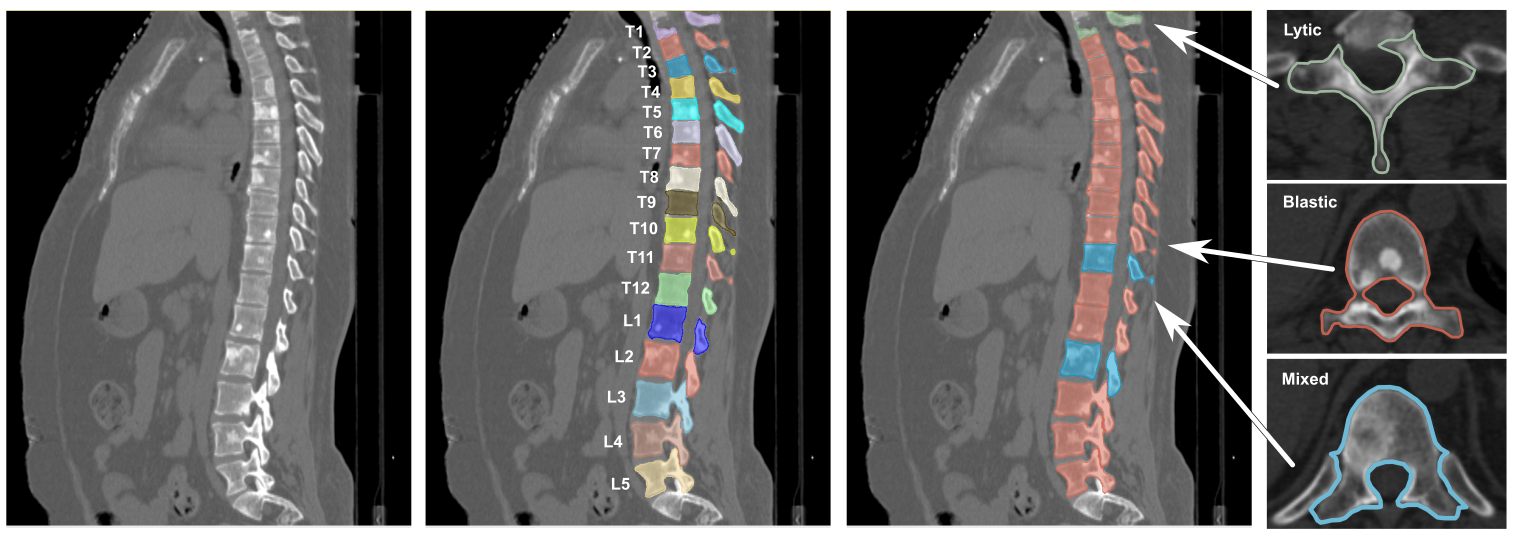
Chest X-rays serve as the initial screening tool for lung concerns, though they may miss small or early-stage tumors. When clinical suspicion remains high despite normal X-rays, computed tomography (CT) scans provide more detailed images that can detect smaller abnormalities. These scans reveal not only potential lung tumors but also any bone involvement or metastatic spread to the spine.
Magnetic resonance imaging (MRI) becomes necessary when neurological symptoms accompany back pain. This study excels at visualizing spinal cord compression or nerve root involvement that might stem from either primary lung tumors or metastatic disease. Your healthcare team will select the most appropriate imaging based on your specific symptoms and risk factors.
Differentiating Lung Cancer Pain From Common Back Issues
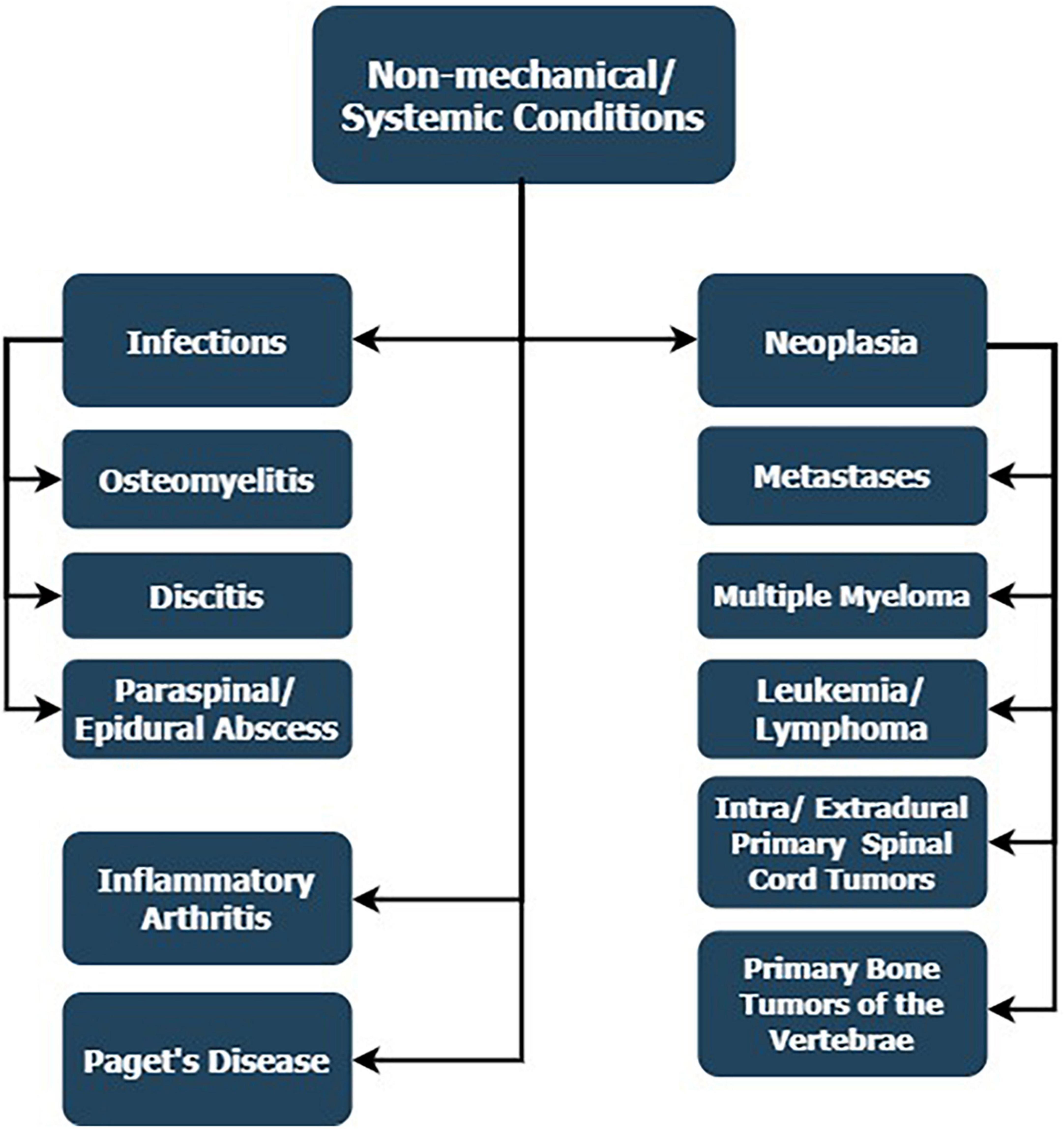
Understanding key differences between cancer-related back pain and typical musculoskeletal discomfort helps guide appropriate care-seeking behavior. Mechanical back pain usually responds to position changes, improves with rest, and has identifiable triggers like heavy lifting or awkward movements. In contrast, lung cancer-related pain persists regardless of activity modification and often worsens progressively over time.
The quality of pain provides important diagnostic clues. Muscle strain typically causes sharp pain during specific movements that improves with rest. Cancer-related pain tends to be more constant, described as deep and aching, and may not be clearly related to physical activity. This pain often feels like it’s coming from inside the chest rather than the back muscles themselves.
Response to Standard Treatments
Monitor how your back pain responds to conventional treatments. Muscle relaxants, physical therapy, or anti-inflammatory medications typically improve mechanical back pain within days to weeks. Cancer-related pain often persists or worsens despite these interventions, signaling the need for further investigation. This lack of response serves as an important clinical indicator, though it doesn’t automatically confirm cancer.
Consider the location and radiation pattern of your pain. Pain originating from lung cancer typically affects the upper to mid-back regions, often between the shoulder blades. This discomfort may radiate around the chest wall or toward the shoulders, creating a band-like sensation that’s difficult to pinpoint precisely—unlike localized muscle strain with a clear point of tenderness.
When to Seek Immediate Medical Attention
Don’t ignore back pain that comes with neurological symptoms like numbness, tingling, or weakness in your legs, as these could indicate spinal cord compression requiring emergency treatment. Similarly, sudden loss of bladder or bowel control alongside back pain represents a medical emergency that needs immediate attention regardless of suspected cause.
Seek prompt evaluation if your back pain develops alongside unexplained weight loss, persistent cough, or shortness of breath. While these symptoms might stem from non-cancerous conditions, their combination warrants professional assessment to determine the underlying cause. Early detection remains crucial for optimal outcomes with any serious medical condition.
Trust your instincts—if something feels different about your pain pattern or you’re experiencing multiple concerning symptoms, don’t delay seeking professional medical assessment. While most back pain has benign causes, timely evaluation provides peace of mind and ensures appropriate treatment if a serious condition is present. Your healthcare provider can help determine whether your symptoms require further investigation or represent a more common, treatable condition.