
That persistent ache between your shoulder blades isn’t just an annoyance—it’s your body’s urgent signal that your thoracic spine needs attention. Unlike lower back pain, dull pain in the middle of back is less common due to rib cage stability, but when it strikes, it can turn simple tasks like reaching for a coffee cup or sleeping comfortably into daily struggles. Whether you’re slumped at a desk for hours or recently lifted something awkwardly, this discomfort often stems from mechanical strain rather than serious conditions.
The good news? Over 80% of cases resolve within two weeks with targeted self-care. This guide delivers proven strategies to pinpoint your specific triggers, implement immediate relief techniques, and build long-term resilience. You’ll learn exactly when to handle it yourself and when to seek professional help—plus specific exercises and ergonomic tweaks that prevent recurrence. Stop letting that nagging middle back pain dictate your life.
Pinpoint Your Pain Source
Confirm It’s Thoracic Spine Pain
Your middle back spans from the base of your neck to your rib cage bottom—doctors call this the thoracic spine region. Unlike your lower back, this area has extra stability from rib attachments, making pain here less frequent but often more stubborn. True thoracic pain typically feels like a constant ache between shoulder blades, tightness worsening with deep breaths, or stiffness that eases with movement. If pain radiates to your arms, chest, or abdomen, it could indicate nerve irritation requiring professional assessment.
Identify Your Trigger Activities
Track your discomfort for 3-5 days using this simple method: Rate pain 0-10 each morning, noon, and night while noting activities. Common culprits include prolonged computer use (especially with monitors below eye level), phone hunching, or improper lifting techniques. You might discover patterns like sharp increases after 45 minutes of typing or relief after foam rolling. This tracking reveals whether your dull pain in middle of back stems from posture strain or other factors like muscle knots.
Recognize Emergency Warning Signs
While most cases are benign, certain symptoms demand immediate action. Call 911 for chest pain with shortness of breath, sudden limb weakness, or loss of bowel/bladder control. Contact your doctor within 24 hours if you experience fever with back pain (signaling possible infection), unrelenting night pain, or numbness in your chest/abdomen. These red flags could indicate serious conditions like vertebral infection or spinal compression requiring urgent imaging.
Apply Immediate Relief Tactics

Choose Correct Thermal Therapy
Most chronic dull pain in middle of back responds best to heat therapy, which relaxes tight muscles and improves blood flow. Use a microwavable heat pad for 20 minutes 2-3 times daily, or take a hot shower directing water at the affected area. For acute injuries within 48 hours, try ice therapy: wrap a gel pack in a thin towel and apply for 15 minutes to reduce inflammation. Never apply ice directly to skin—frozen peas work perfectly as they contour to your spine.
Reset Your Posture in 90 Seconds
Combat desk-related strain with this hourly routine: First, perform shoulder blade squeezes—pull shoulders back and down while holding for 5 seconds. Next, do chin tucks by gently drawing your chin straight backward (creating a “double chin”) for 3 seconds. Finally, execute chest openers: clasp hands behind your back, straighten arms, and lift your chest while holding 10 seconds. This sequence counteracts forward-head posture that strains thoracic muscles.
Use Targeted Pain Relievers
Start with over-the-counter options proven effective for middle back discomfort. For oral relief, take acetaminophen (650-1000mg every 6-8 hours) or ibuprofen (200-400mg with food every 6-8 hours). Topical NSAID gels applied directly over the painful area provide localized relief without stomach upset. If trying capsaicin cream (0.025% concentration), test on a small skin patch first—initial burning sensation typically fades after several applications.
Correct Posture Damage
Optimize Your Workspace Now
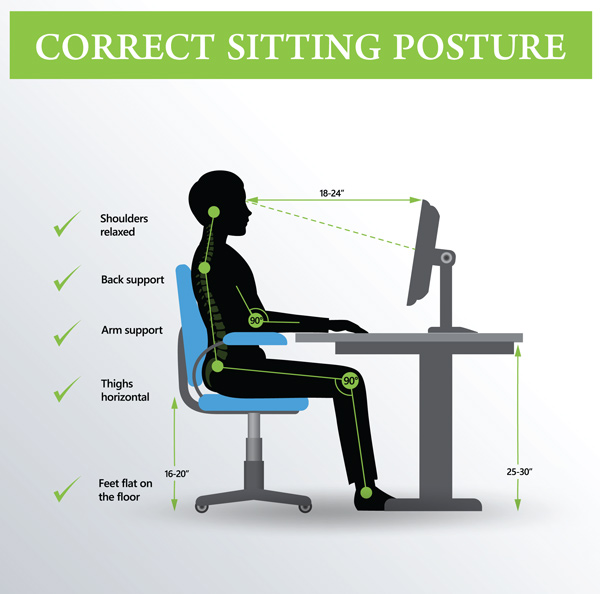
Transform your desk into a spine-friendly zone with these adjustments. Position your monitor so the top is at eye level and exactly an arm’s length away. Use a lumbar roll to maintain your lower back’s natural curve while keeping hips and knees bent at 90 degrees. Set phone alarms every 30 minutes to stand and stretch—simply marching in place for 60 seconds resets muscle tension. These micro-adjustments prevent the sustained poor posture that causes most dull pain in middle of back cases.
Fix Sleep-Related Aggravation
Your mattress significantly impacts morning pain levels. Test firmness by placing a broom handle across it—if the gap exceeds 1.5 inches, replace your mattress (especially if older than 7 years). When sleeping, avoid stomach positions that twist your spine. Instead, sleep on your side with a pillow between knees, or on your back with a pillow under your knees and a rolled towel supporting your lower back. These positions maintain spinal alignment through the night.
Break Phone-Induced Strain Cycles
“Text neck” now drives middle back pain as we cradle devices below eye level. Hold phones and tablets at eye height using both hands to prevent shoulder rounding. Install posture-correcting apps like Posture Reminder that vibrate when you slouch. During calls, stand and pace—this engages core muscles while preventing the sustained forward-head position that strains thoracic vertebrae.
Build Core and Thoracic Strength
Activate Your Stabilizing Muscles
Perform this 10-minute routine 3-4 times weekly to reduce spinal strain. The dead bug exercise builds core control: lie on your back with arms up and knees bent 90 degrees, then slowly extend opposite arm/leg while pressing your lower back into the floor (3 sets of 10). Pair this with bird dogs—on hands and knees, extend opposite arm/leg while keeping hips level (3 sets of 8 per side). These movements reinforce the deep muscles protecting your thoracic spine.
Restore Natural Spine Movement
Counteract stiffness with daily mobility work. The cat-camel stretch on hands and knees (10-15 slow repetitions) alternates spinal flexion and extension. For deeper release, use a foam roller horizontally under your mid-back: support your head with hands and gently arch over it, holding 5 seconds before rolling slightly up/down. Finish with doorway pec stretches—place forearms on the frame at 90 degrees and step through until you feel chest opening (30 seconds, 3 reps).
Strengthen Postural Muscles with Bands
Add resistance training twice weekly using a loop band. Perform band pull-aparts by holding the band at shoulder height and pulling apart while squeezing shoulder blades (3 sets of 15). External rotations target rotator cuff muscles: keep elbows at sides while rotating forearms outward (3 sets of 12). These exercises combat the rounded-shoulder posture that strains middle back tissues.
Prevent Recurrence Long-Term
Integrate Movement Micro-Breaks
Combat sedentary damage with these habits: Park farther from building entrances to add walking, take the stairs for 2-3 flights while engaging your core, and use phone calls as walking opportunities. Set hourly reminders to stand and perform 30 seconds of shoulder blade squeezes. These micro-movements prevent the sustained postures that trigger dull pain in middle of back.
Master Safe Lifting Mechanics
Before lifting any object, test its weight with your foot and plan your path. Squat deeply with knees bent (never bend at the waist), keep the load against your torso, and power upward using leg strength while tightening your core. Pivot with your feet—never twist your spine while holding weight. For objects exceeding 25% of your body weight, get assistance. Proper lifting prevents the muscle strains causing 60% of middle back pain cases.
Manage Stress-Induced Tension
Chronic stress manifests as thoracic muscle tightness. Practice diaphragmatic breathing 3 times daily: place one hand on your stomach, inhale for 4 seconds through your nose (feeling belly rise), then exhale for 6 seconds through pursed lips. Pair this with progressive muscle relaxation—tense shoulder muscles for 5 seconds, then release while noticing the contrast. These techniques reduce the muscle guarding that amplifies dull pain in middle of back.
When to Seek Professional Help
Schedule a doctor visit if pain persists beyond two weeks despite self-care, disrupts sleep, or causes numbness/tingling. Physical therapy provides hands-on relief through manual therapy and personalized exercise programs—most insurance covers 6-12 sessions with a referral. For stubborn cases, doctors may order X-rays to rule out fractures or MRI scans for soft-tissue evaluation. Advanced options like trigger point injections or radiofrequency ablation become relevant only after conservative measures fail.
Key Takeaway: Most dull pain in middle of back resolves within 2-4 weeks through consistent posture correction, targeted exercises, and ergonomic adjustments. Start today with the 90-second posture reset and heat therapy—then commit to hourly micro-breaks. If pain worsens or persists beyond 14 days, seek professional evaluation to rule out underlying issues. Your spine’s resilience depends on daily habits, not heroic efforts; small consistent actions build the foundation for lasting relief.