

Eight out of ten Americans will battle lower back pain at some point in their lives, and hip discomfort often intensifies the misery. If you wince when standing up from your desk or feel that familiar ache after a short walk, these specific exercises for lower back pain and hip pain can help you reclaim daily comfort without medication or surgery. This guide delivers precise movements addressing both pain patterns, complete with step-by-step instructions, progression timelines, and safety checks that protect your spine while building strength where you need it most. You’ll learn exactly which exercises match your pain pattern, how to perform them safely, and when to expect meaningful relief.
Red Flags Requiring Medical Consultation Before Exercise
Don’t grab your yoga mat just yet—know when professional guidance comes first. Schedule an appointment with a doctor or physical therapist immediately if your pain shoots down your leg, follows a recent injury, or hasn’t improved within six weeks. The same rule applies if you’ve had recent back surgery or carry a specific diagnosis like spinal stenosis or herniated disc—follow professional guidance to avoid setbacks.
During any exercise, rate your pain on a 0-10 scale. If it climbs above 5, stop immediately. Sharp pain or symptoms that worsen the next morning signal you to pause and reassess. Prescribed pain medication from your GP can help manage flare-ups, but it shouldn’t mask severe discomfort during movement—your body’s warning system needs to stay active.
Identify Your Pain Pattern for Targeted Relief
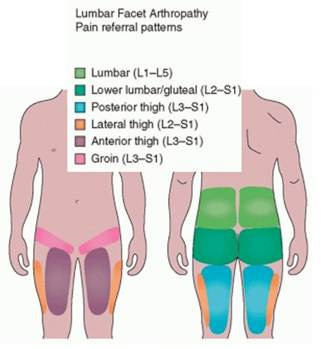
Your body’s preferred positions reveal which exercises will help most. Stand up and notice if your pain eases—that’s an extension-biased pattern. If sitting brings relief, you’re flexion-biased. Some people find no position helps; these general stabilization exercises work for anyone.
Extension-Biased Relief (Pain Eases Standing or Lying)
Backward bend: Stand hip-width apart with hands on your low back. Gently lean backward for 2-4 reps, holding each position briefly. This counteracts the forward-leaning posture that often triggers this pain pattern.
Bridging: Lie on your back with knees bent 90°, feet flat on floor. Tighten your abs and glutes while lifting hips to create a straight line from shoulders to knees. Hold 6 seconds before lowering slowly. This activates your posterior chain without straining your spine.
Flexion-Biased Relief (Pain Eases Sitting)
Double knee-to-chest: Lie on your back with knees bent and feet flat. Hug both knees to your chest until you feel a comfortable stretch in your lower back. Hold 15-30 seconds. This gently compresses your spine to relieve pressure on irritated nerves.
Piriformis stretch: Lie on your back, cross one ankle over the opposite knee, then pull the uncrossed knee toward your opposite shoulder. Hold 15-30 seconds to release tension in this deep glute muscle that often refers pain to your lower back.
Core Stabilization Fundamentals for Spinal Protection

Your core isn’t just your abs—it’s a three-layer system wrapping around your spine like a natural corset. The transverse abdominus, your deepest core muscle, runs from ribs to hips and stabilizes every movement. Engage it by gently pulling your belly button toward your spine while breathing normally. This activation protects your lower back during all exercises.
Start every session with a 10-15 minute warm-up of brisk walking or marching in place. This increases blood flow to tight muscles and preps your nervous system for movement. Use a yoga mat or carpet to cushion your spine during floor exercises—hard surfaces can exacerbate discomfort.
Supine Floor Exercises for Immediate Lower Back Relief
These movements work while lying on your back, taking pressure off your spine while building strength and flexibility.
Knee-to-Chest Stretch for Tension Release
Lie on your back with knees bent, feet flat. Grasp one knee with both hands and gently pull it toward your chest until you feel a comfortable stretch in your lower back and hip. Hold for 15-30 seconds, then switch legs. Finish by hugging both knees together. Perform 2-3 reps each variation morning and evening.
Bridge Exercise for Glute Activation
From the same starting position, tighten your abs and glutes, then lift your hips until your body forms a straight line from shoulders to knees. Hold for 3 deep breaths or 6 seconds, then lower slowly. Begin with 5 reps and progress to 30 as you get stronger. Strong glutes reduce strain on your lower back during everyday movements.
Lower Back Rotational Stretch for Desk-Related Pain
Keep your shoulders pressed to the floor as you roll both knees to one side, creating a gentle twist through your lower back. Hold for 5-10 seconds, return to center, then twist to the opposite side. This releases tension in your quadratus lumborum—the muscle that often screams after long hours at a desk.
Quadruped Movements to Build Hip-Back Coordination
These hands-and-knees exercises build coordination between your core and hips while keeping your spine neutral.
Bird Dog Progression for Spinal Stability
Start on hands and knees with wrists under shoulders and knees under hips. Extend your right arm forward while simultaneously extending your left leg back, creating a straight line from fingertips to heel. Hold for 6 seconds, working up to 30 seconds as your balance improves. Perform 8-12 reps each side.
Pro tip: If your lower back sags during the bird dog, reduce the hold time and focus on keeping your core engaged throughout the movement—quality trumps duration.
Cat-Cow Flow for Joint Lubrication
On hands and knees, inhale as you arch your back downward (cow position), then exhale as you round your spine upward (cat position). Move slowly through 3-5 cycles, twice daily. This gentle mobilization lubricates spinal joints and releases tension in your paraspinal muscles.
Standing Exercises for Daily Function Improvement
Build strength in the positions you use most throughout your day.
Hip Flexor Stretch to Address Postural Imbalances
Kneel on your right knee with your left foot forward in a lunge position. Push your hips forward until you feel a stretch in the front of your right hip. Keep your torso upright—no leaning forward. Hold for 15-30 seconds, then switch sides. Tight hip flexors often contribute to lower back pain by pulling your pelvis forward.
Good Mornings for Proper Hinging Mechanics
Stand with feet shoulder-width apart, hands behind your head. Hinge forward at your hips, keeping your back straight, until your torso is nearly parallel to the floor. Return to standing. Start with 10 reps, once or twice weekly, focusing on form over depth. This teaches proper movement patterns that protect your spine during lifting.
Your 4-Week Progression Timeline to Pain-Free Movement
Week 1 Foundation Building
Choose 1-2 stretches and 1-2 strengthening moves matching your pain pattern. Perform 10 reps once or twice weekly. Focus on learning proper form and breathing patterns—don’t push through pain.
Weeks 2-4 Volume and Frequency Increase
Add one new exercise at a time while maintaining 10 reps per movement. Increase frequency to daily small doses—perform a few reps every hour rather than one long session. Consistency beats intensity for healing.
Month 2 Strength Development
Progress to 2-3 sets of 10-15 reps for strengthening exercises. Stretch for 20-30 seconds, 2-3 sets per stretch, twice daily. This is where you’ll see significant improvements in pain levels and daily function.
Daily Movement Integration for Long-Term Relief
Walking is your secret weapon against lower back pain and hip pain. Start with just a few minutes daily, focusing on posture—head up, shoulders relaxed, avoiding forward or backward lean. Every hour, stand up and perform the standing lumbar extension stretch: hands on hips, gently arch backward 5-10 times to counter prolonged sitting effects.
Emergency Pain Relief Techniques for Sudden Flare-Ups
When pain flares unexpectedly, try these immediate interventions:
– Supported rest: Lie on your back with a pillow under your knees and rolled towel under your neck for 10 minutes
– Cat-camel flow: 3-5 gentle cycles on hands and knees
– Standing extension: Hands on hips, gently arch backward 5-10 times
These targeted exercises for lower back pain and hip pain work because they address the root causes—weak stabilizers, tight hip flexors, and poor movement patterns. Start conservatively, progress gradually, and remember that consistency trumps intensity. Your spine will thank you with improved mobility, reduced pain, and the strength to handle whatever your day demands. Within weeks of proper implementation, most people experience meaningful relief that transforms their daily life without medication or invasive procedures.