
You’re not imagining it—that persistent ache in your lower back is one of the most common physical complaints in America. Eight out of ten adults will battle this discomfort at some point, with over 25% reporting recent lower back pain. If you’re hunched over your phone right now trying to ease the tension, know this: strategic movement is your fastest path to relief, not rest. Ignoring those twinges only tightens muscles and worsens the cycle.
This guide cuts through the noise with 15 clinically backed exercises to reduce lower back pain, precisely matched to your specific discomfort pattern. Whether your pain eases when standing, sitting, or never quite lets up, these movements require zero equipment and fit into even the busiest schedule. You’ll learn exactly which positions create space in compressed vertebrae, which stretches release hidden hip culprits, and how to build a bulletproof core—all within 15 minutes daily.
Extension-Biased Moves for Disc Relief
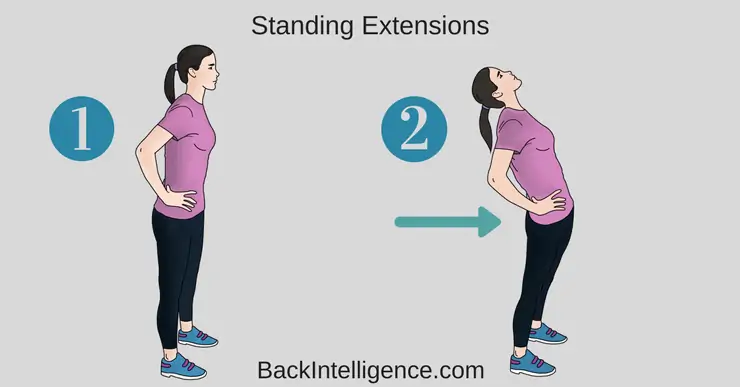
When sitting triggers sharp pain but standing or lying down brings relief, you’re likely dealing with disc compression. These gentle backward bends create space between vertebrae to alleviate pressure on herniated or bulging discs. Perform them hourly during flare-ups for fastest results.
Standing Lumbar Extension
Why it works: Counteracts the forward flexion that aggravates disc issues.
Stand with feet hip-width apart, hands firmly on your hips. Slowly lean backward just 5–10 degrees—never force this motion. Hold for 5 seconds while breathing deeply, then return to neutral. Repeat 10 times every hour when pain flares. Critical cue: Stop immediately if you feel radiating leg pain. This isn’t about dramatic arching; subtle movement prevents nerve irritation while creating vital disc space.
Cobra Press-Up
Why it works: Gently mobilizes stiff spinal segments without compressing discs.
Lie face-down with palms flat under your shoulders, elbows tucked close to your ribs. Press through your palms to lift your chest just 2–4 inches off the floor, keeping your pelvis grounded. Hold for 10 seconds while relaxing your glutes—your lower back should feel a mild stretch, not strain. Lower slowly. Start with 5 repetitions, building to 15 as discomfort decreases. Pro tip: Place a folded towel under your pelvis if floor contact causes pain.
Prone Superman
Why it works: Strengthens deep spinal stabilizers without disc compression.
Lie on your stomach with arms extended overhead and legs straight. Simultaneously lift your arms and legs 2–3 inches off the floor, engaging your glutes—not your lower back. Hold for 5 seconds while exhaling, then lower slowly. Begin with 8 repetitions, progressing to 15. Avoid this mistake: Arching aggressively or lifting too high. Your movement should feel like a subtle “hover,” not a dramatic lift.
Flexion-Based Relief for Stenosis
If sitting or forward bending eases your pain (common with spinal stenosis or arthritis), these movements safely flex your spine to open narrowed spaces. Never force these stretches—stop at the first sign of tingling.
Double Knee-to-Chest
Why it works: Unloads arthritic joints by gently flexing the lumbar spine.
Lie flat on your back with knees bent and feet on the floor. Grasp behind your thighs (not knees) and slowly pull both knees toward your chest. Hold for 30 seconds while feeling your lower back flatten against the floor. Release slowly. Warning: Skip this if you have spinal stenosis—flexion can worsen symptoms for some. Always keep your neck relaxed; place a pillow under your head if needed.
Child’s Pose Stretch
Why it works: Decompresses vertebrae while stretching tight hip flexors.
Begin on hands and knees, then sit your hips back toward your heels. Extend arms forward with palms down, lowering your forehead to the floor. Breathe deeply into your lower back for 60 seconds. Key adjustment: Place a pillow between your calves and hamstrings if hip tightness prevents full relaxation. Never do this: Force your hips backward if you feel knee pressure—modify by keeping knees wider than hip-width.
Core Stability Circuit
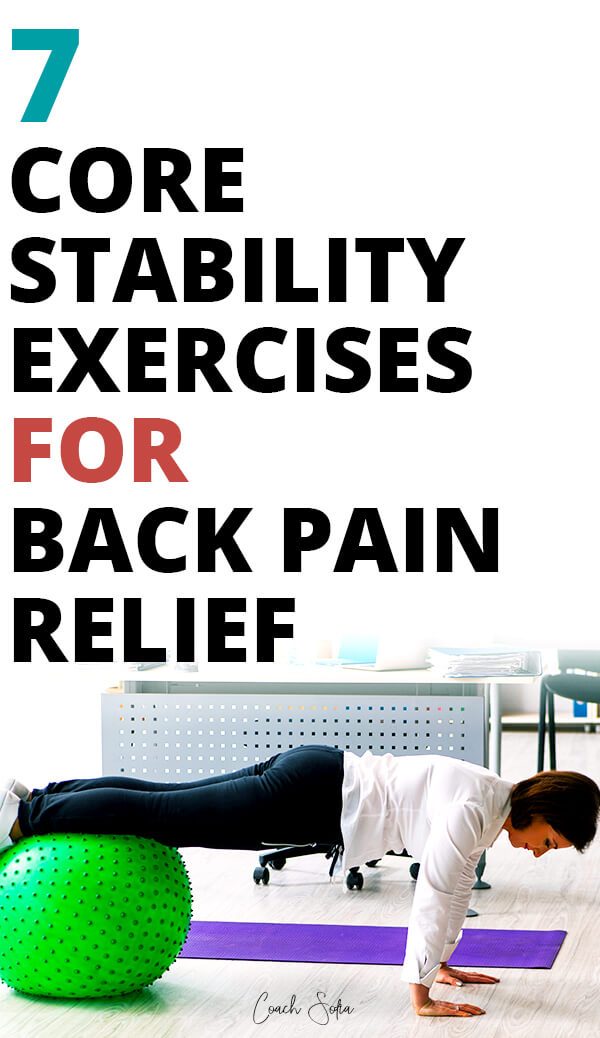
Weak core muscles force your spine to bear excess load. These foundational moves build a “natural back brace” without straining healing tissues. Master pelvic control before progressing.
Pelvic Tilt Foundation
Why it works: Activates deep abdominal muscles that stabilize your spine.
Lie on your back with knees bent and feet flat. Gently tighten your lower abs to press your lower back into the floor—imagine zipping a tight pair of jeans. Hold for 5 seconds while breathing normally, then release. Complete 15 perfect repetitions twice daily. Critical mistake to avoid: Holding your breath or thrusting your pelvis upward. This should feel like a subtle “scooping” motion, not a crunch.
Bridge Progression
Why it works: Strengthens glutes and hamstrings to reduce lumbar strain.
Start in the pelvic tilt position. Lift your hips until your shoulders, hips, and knees form a straight line. Squeeze your glutes hard while keeping your lower back flat against the floor. Hold for 10 seconds, then lower slowly. Do 15 repetitions. Progression: Once pain-free, try single-leg bridges by extending one leg straight while lifting.
Hip Flexor & Piriformis Release
Tight hips often masquerade as back pain. These targeted releases address the hidden culprits pulling your pelvis out of alignment.
Hip Flexor Lunge
Why it works: Relieves tension from prolonged sitting that strains the lower back.
Half-kneel on a pillow with your rear knee down. Shift your hips forward until you feel a stretch in the front of your rear hip. Keep your torso upright and squeeze your glutes—this prevents arching your lower back. Hold 30 seconds per side. Pro modification: Place your hands on a wall for balance if needed. Never let your front knee travel past your toes.
Piriformis Figure-4
Why it works: Releases the deep buttock muscle that irritates sciatic nerves.
Lie on your back with knees bent. Cross your right ankle over your left knee, then grasp behind your left thigh (not knee). Gently pull your left thigh toward your chest until you feel a deep stretch in your right buttock. Hold 45 seconds. Stop immediately if you feel leg tingling—this indicates nerve irritation. Switch sides carefully.
Your 15-Minute Daily Routine
Combine these exercises to reduce lower back pain systematically:
Minutes 1–3: Warm-up
– March in place (60 seconds)
– Seated trunk rotations (10 slow reps per side)
– Standing side bends (10 reps per side)
Minutes 4–8: Stretching
– Single knee-to-chest: 30 seconds per leg
– Hamstring doorway stretch: 60 seconds per leg (lie near a doorway, one leg up the frame)
– Cat-camel: 10 slow repetitions on hands and knees
Minutes 9–13: Strengthening
– Pelvic tilts: 15 reps
– Bridges: 15 reps with 5-second hold
– Bird-dog: 10 reps per side (hold 10 seconds)
– Clamshells: 15 reps per side (side-lying, knees bent)
Minutes 14–15: Cool-down
– Child’s pose: 60 seconds
– Diaphragmatic breathing: 10 deep breaths (hand on belly)
Red Flags & Progress Tracking
Stop exercising and see a doctor immediately if you experience:
– Numbness, tingling, or weakness radiating down your legs
– Loss of bladder or bowel control
– Pain preventing sleep for three consecutive nights
– Sharp pain that worsens with movement
Track your progress daily using a simple 0–10 pain scale. Rate your discomfort before and after each session. Expect mild soreness for 24 hours—sharp pain means you’ve overdone it. Most people see meaningful improvement within 2–3 weeks of consistent practice. If pain persists beyond 4–6 weeks, consult a physical therapist for personalized modifications.
Long-Term Prevention Strategy
True relief comes from weaving these habits into your daily life:
– Walk daily: Start with 10 minutes on flat ground, building to 30 minutes. Focus on upright posture.
– Break sitting spells: Set phone alarms for hourly standing breaks—even 60 seconds of walking resets spinal pressure.
– Optimize sleep: Sleep on your side with a pillow between your knees, or on your back with a pillow under your knees.
– Ditch worn shoes: Replace athletic shoes every 300–500 miles—your back absorbs every uneven step.
These exercises to reduce lower back pain work best as daily maintenance, not emergency fixes. Commit to just 15 minutes today, and you’ll spend fewer days sidelined by pain tomorrow. Your spine thrives on movement—give it the strategic motion it needs, and you’ll reclaim your comfort for good.