

That sharp ache between your shoulder blades. The stiffness that greets you every morning. The tension headaches that steal your focus. If you’re searching for how to fix back neck pain, you’re not alone—60-80% of adults experience this discomfort at some point. When left untreated, localized pain triggers surrounding muscles to tense up protectively, transforming a single clenched muscle under your shoulder blade into widespread discomfort that affects shoulders and causes headaches. The good news? Most cases respond dramatically to targeted interventions you can start today.
This guide delivers actionable strategies proven to reduce pain intensity and improve mobility. Whether your discomfort stems from computer-induced strain, poor posture, or unexplained aches, you’ll discover exactly how to fix back neck pain with science-backed techniques you can implement immediately. Patients completing structured stretching programs see an average 58% improvement in back pain within four weeks—your relief journey starts right now.
Cold Therapy First 72 Hours
When pain strikes, your immediate response determines healing speed. During the critical first three days, inflammation needs controlled management—ice becomes your most effective ally.
Apply cold therapy correctly:
– Wrap commercial cold packs or frozen vegetables in a thin towel
– Target painful areas for 10-15 minute sessions
– Repeat every 2-3 hours while awake
– Never apply ice directly to skin
This protocol reduces inflammation while numbing pain signals. After day three, switch to alternating heat and cold based on symptom type—ice for injury-related pain (10-15 minutes), heat for muscle tension (15-20 minutes). The key is recognizing which therapy serves your specific pain pattern rather than following a rigid schedule.
Quick Posture Fixes That Work Immediately
Poor posture causes 85% of back and neck pain cases, yet most people don’t realize they’re slouching until pain strikes. Transform your alignment with these instant corrections that require zero equipment.
Standing posture reset:
– Imagine a string pulling your chest toward the ceiling
– Roll shoulders back and down (not backward)
– Tuck chin slightly to avoid forward head position
– Distribute weight evenly across both feet
Sitting posture check:
– Keep feet flat on floor with knees at 90 degrees
– Position screen at eye level (stack books under laptops)
– Maintain contact between lower back and chair support
– Set phone reminders to reset posture hourly
These micro-adjustments prevent the cumulative strain that leads to chronic pain. The moment you catch yourself slouching, perform a “posture pulse check”—a 10-second reset that prevents hours of muscle tension.
5-Minute Morning Stretch Routine

Start each day with these targeted stretches to prevent pain from building up. Consistency matters more than duration—just five minutes daily creates remarkable improvements.
Neck Release Sequence
Head tilt stretch:
– Sit upright, grasp chair seat with right hand
– Tilt left ear toward left shoulder without raising shoulder
– Hold through one deep breath cycle, repeat 10 times
– Switch sides, maintaining relaxed shoulders throughout
Neck retraction:
– Gently pull head straight back (creating subtle double chin)
– Hold 5 seconds while breathing normally
– Release slowly, repeat 10 times throughout the day
– Perform every time you stand up from sitting
Back Relief Stretches
Trunk rotation:
– Sit with feet flat, hands on hips
– Rotate right while keeping hips firmly forward
– Hold 15 seconds feeling gentle stretch between shoulder blades
– Repeat 2-3 rounds each side
Standing extension:
– Place hands on lower back, fingers pointing down
– Gently arch backward, pushing hips forward
– Lift chest while keeping knees soft
– Hold 15 seconds, repeat 3 times
Evening Yoga Flow for Pain Relief
Dedicate 10-15 minutes before bed to these restorative poses. Research confirms yoga reduces pain intensity and medication usage while improving functional mobility.
Cat-cow sequence:
– Start on all fours with wrists under shoulders
– Inhale while dropping belly (cow pose), lifting chest and gaze
– Exhale while rounding spine toward ceiling (cat pose)
– Move slowly through 8-10 breath cycles
Child’s pose:
– Kneel with knees wider than hip-width, feet together
– Sit back toward heels, placing pillow behind knees if needed
– Walk hands forward, resting forehead on floor
– Breathe deeply for 30-60 seconds, allowing back muscles to release
Heat Therapy After Day 3
Once initial inflammation subsides, heat becomes crucial for releasing chronic muscle tension. Proper application makes all the difference between relief and wasted time.
Heat application protocol:
– Use heating pad set to medium or warm towel
– Target specific tension areas between shoulder blades
– Apply for 15-20 minutes maximum per session
– Combine with gentle stretching during application
For persistent pain, alternate heat and cold: 5 minutes heat followed by 2 minutes cold. This “contrast therapy” boosts circulation more effectively than heat alone. Remember to continue ice therapy for 10-15 minutes if you experience sharp pain after activity.
Workplace Ergonomic Setup

Transform your workspace into a pain-prevention zone with these specific adjustments that address the root causes of computer-related strain.
Screen positioning:
– Top of monitor must sit at eye level
– Use laptop stands or book stacks to raise screen height
– Position 20-26 inches from eyes (about arm’s length)
– Angle screen slightly downward for optimal neck position
Chair adjustments:
– Lower back must maintain contact with lumbar support
– Feet flat on floor or footrest (no dangling legs)
– Elbows bent at 90 degrees when typing
– Take standing breaks every 25 minutes—set a timer
Myofascial Release at Home
Release stubborn knots using simple tools you likely already own. This technique targets the connective tissue surrounding muscles that often holds tension longer than muscles themselves.
Foam rolling technique:
– Place roller horizontally under upper back
– Support head with hands while gently rolling
– Pause on tender spots for 30 seconds (breathe through discomfort)
– Never roll directly on neck or lower back
Tennis ball method:
– Place ball between wall and upper back
– Locate trigger points under shoulder blades
– Apply steady pressure for 30-60 seconds per spot
– Perform daily for best results
Strengthening Weak Muscles
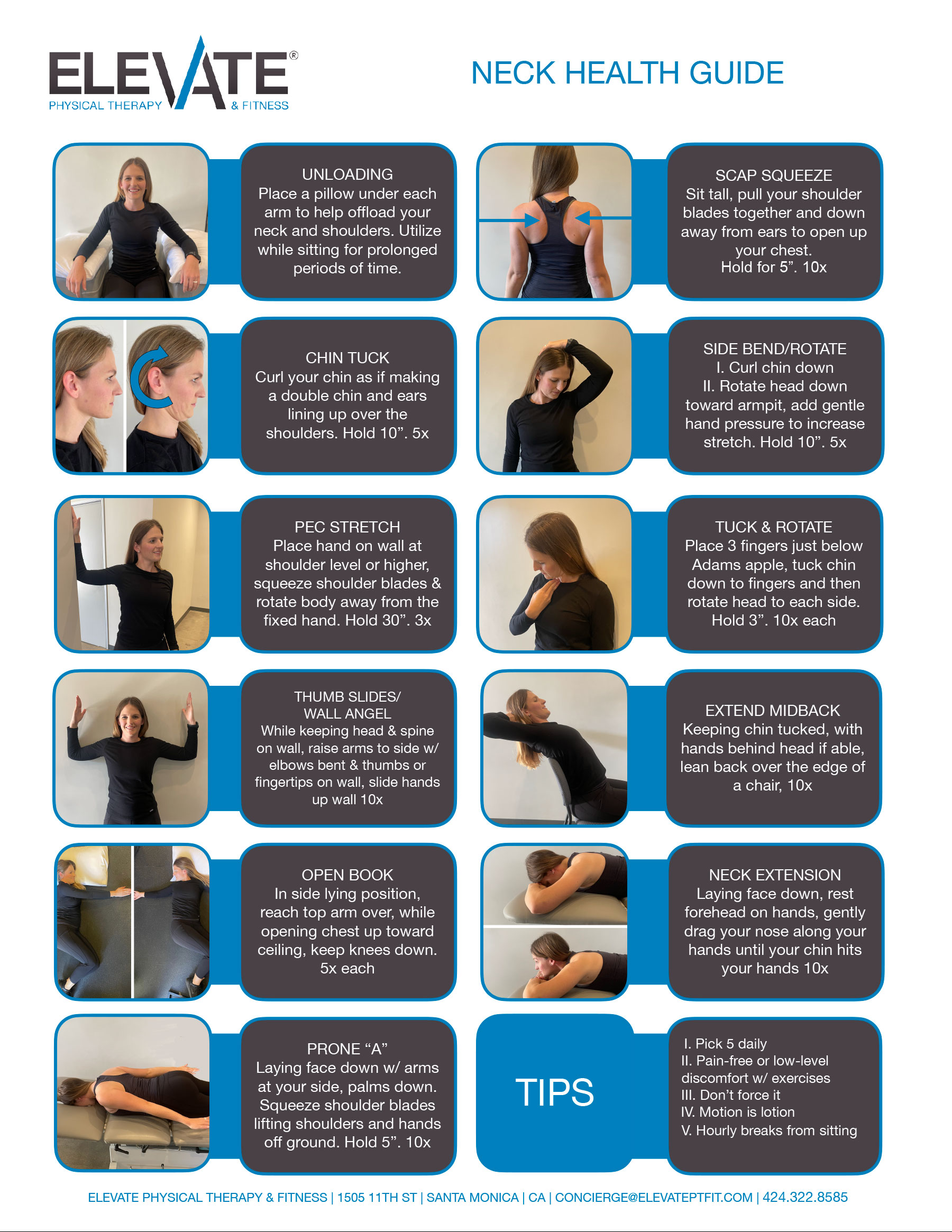
Building supporting muscle strength prevents pain recurrence. These simple exercises target the often-neglected muscles that stabilize your spine.
Neck resistance exercises:
– Place palm on forehead, gently push head against resistance
– Hold 5 seconds while maintaining steady breathing
– Repeat 10 times, then perform on back and sides of head
– Do daily to build endurance in supporting muscles
Shoulder blade squeezes:
– Sit or stand with straight spine
– Squeeze shoulder blades together as if holding pencil
– Hold 5 seconds, release slowly
– Aim for 15 repetitions hourly while working
Pillow Selection Secrets
Your pillow choice dramatically impacts morning pain levels. The right support maintains spinal alignment while you sleep—critical for pain prevention.
Memory foam pillows:
– Choose medium-firm density that contours to neck curves
– Replace every 18-24 months as material breaks down
– Look for cervical support design with raised center
Sleeping position tips:
– Back sleepers: Use thinner pillow supporting neck curve
– Side sleepers: Select pillow filling ear-to-shoulder gap
– Avoid stomach sleeping—this twists neck unnaturally
– Test pillows by lying down before purchasing
Warning Signs: See Doctor Now
While most pain resolves with home treatment, certain symptoms require immediate attention. Recognizing these red flags prevents serious complications.
Seek immediate care for:
– Numbness or tingling in arms/hands
– Pain following significant injury or fall
– Weakness affecting grip strength
– Severe headache with neck stiffness
Schedule appointment if:
– Pain persists beyond one week despite home treatment
– Home remedies show no improvement after 72 hours
– Movement remains significantly limited after two weeks
– Pain interferes with sleep or daily activities
Build Your Daily Prevention Plan
Consistency prevents pain from returning. Create your sustainable routine with these specific time blocks that fit into any schedule.
Morning (5 minutes):
– Perform neck rotation stretches while brushing teeth
– Complete 10 shoulder blade squeezes before computer
– Check posture alignment before leaving home
Workday:
– Set hourly reminders for 30-second stretch breaks
– Perform posture reset each time you stand
– Drink water every 45 minutes (hydration prevents stiffness)
Evening (10 minutes):
– Complete yoga flow sequence before dinner
– Apply heat therapy while watching TV
– Check pillow positioning before sleep
Remember, your back and neck pain didn’t develop overnight. Lasting relief comes from daily commitment to healthy movement habits. Start with just one technique today—your first step toward pain-free living begins now. Consistent implementation of these strategies will transform your discomfort into comfort, one stretch at a time.