
That sharp, electric pain shooting from your lower back down your leg isn’t just another ache—it’s your body signaling a herniated disc pressing on your sciatic nerve. You’re not alone; this condition affects millions yearly, with most people experiencing their first episode between ages 30-50. The good news? Nine out of ten cases heal without surgery, and this guide walks you through exactly how to accelerate your recovery while preventing future flare-ups.
Whether you’re currently battling intense sciatica or want to understand what to do when back pain strikes, you’ll discover evidence-based strategies that physical therapists and spine specialists use daily. From immediate relief techniques to long-term prevention strategies, every recommendation here comes from proven medical protocols designed specifically for how to fix disc pain in lower back effectively.
Why Your Sciatic Nerve Pain Points to Disc Damage
Recognizing True Disc-Related Pain Patterns
Unlike general back strain, disc pain follows a specific nerve pathway—typically shooting from your lower back through one buttock and down your leg, sometimes reaching your foot. This sciatic nerve pain often worsens with simple movements like bending forward to tie shoes or sitting for extended periods. You might notice numbness in specific toes or weakness when trying to stand on your affected leg, which are telltale signs of nerve compression from a herniated disc.
Movement Triggers That Confirm Disc Involvement
Pay attention to whether coughing, sneezing, or lifting light objects triggers sharp pain episodes. Disc-related pain typically intensifies throughout the day rather than improving with movement. If your pain radiates down one leg following the sciatic nerve path and worsens with forward bending, this strongly indicates disc involvement rather than simple muscle strain.
Emergency Warning Signs Requiring Immediate Attention
Seek urgent medical care if you experience numbness in your groin area (saddle anesthesia) or difficulty controlling bladder/bowel function. These rare but serious symptoms indicate cauda equina syndrome, which requires emergency surgical intervention. Progressive weakness in your leg or foot drop (inability to lift your foot when walking) also demands immediate professional evaluation.
Immediate Home Treatments That Reduce Disc Pressure
First 72-Hour Action Plan
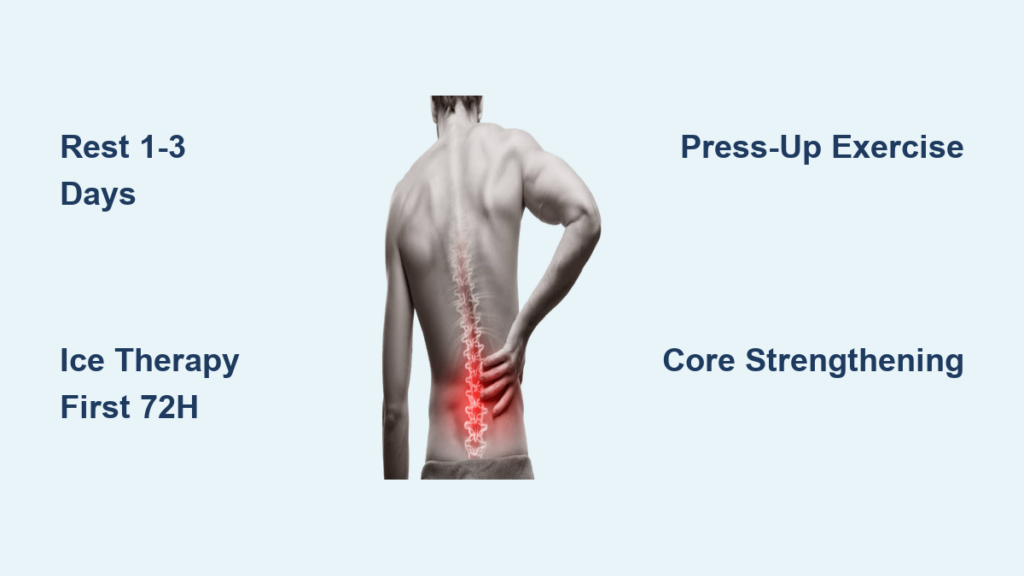
Limit bed rest to 1-3 days maximum during acute flare-ups. Prolonged inactivity weakens supporting muscles and actually prolongs recovery. Instead, alternate between 20-30 minutes of rest and gentle movement around your home. Apply cold therapy for the first 48-72 hours—use ice packs wrapped in thin cloth for 15-20 minutes every 2-3 hours to reduce inflammation around the compressed nerve.
Effective Medication Protocol
Start with over-the-counter options: ibuprofen (400-600mg every 6-8 hours) or naproxen (220mg every 8-12 hours) to reduce inflammation. If pain remains intense after 3-4 days, add acetaminophen (500-1000mg every 6 hours) between anti-inflammatory doses. Never exceed recommended dosages, and consult your doctor if you take blood thinners or have kidney issues.
Optimal Resting Positions for Pain Relief
Lie on your back with knees bent and feet flat on the floor—this reduces disc pressure by maintaining your spine’s natural curve. Place a pillow under your knees for additional support. For side sleepers, position a pillow between your knees to keep your spine aligned. Avoid stomach sleeping, which increases lumbar extension and disc pressure significantly.
Physical Therapy Exercises That Accelerate Healing
Day-One Gentle Relief Techniques
Begin with the press-up exercise: Lie face-down, place hands under shoulders, and gently push up until your elbows are straight while keeping hips on the ground. Hold for 5-10 seconds, then lower. Repeat 10 times, twice daily. This creates space between vertebrae, reducing disc pressure on the nerve and providing immediate relief for many sufferers.
Progressive Core Strengthening Routine
Once acute pain subsides (usually 3-7 days), start pelvic tilts: Lie on your back, tighten abdominal muscles to flatten your lower back against the floor, hold 5 seconds, then release. Progress to bird-dog exercises: On hands and knees, extend opposite arm and leg simultaneously, hold 5 seconds, switch sides. These build deep stabilizing muscles without stressing the healing disc.
Nerve Mobilization Exercises
Perform sciatic nerve flossing: Sit in a chair, slump forward slightly, then slowly straighten one knee while pointing your toes toward the ceiling. Return to starting position and repeat 10 times per leg. This gentle movement prevents nerve adhesions and reduces radiating pain by improving nerve mobility.
Professional Treatment Options Worth Considering
Physical Therapy Timeline That Works
Begin formal physical therapy within 2-3 weeks if symptoms persist. Expect 2-3 sessions weekly for 4-6 weeks, with each session including manual therapy, therapeutic exercises, and education on proper body mechanics. A skilled therapist will assess your specific movement patterns and provide targeted exercises that address your unique disc issue.
Medical Interventions When Home Care Isn’t Enough
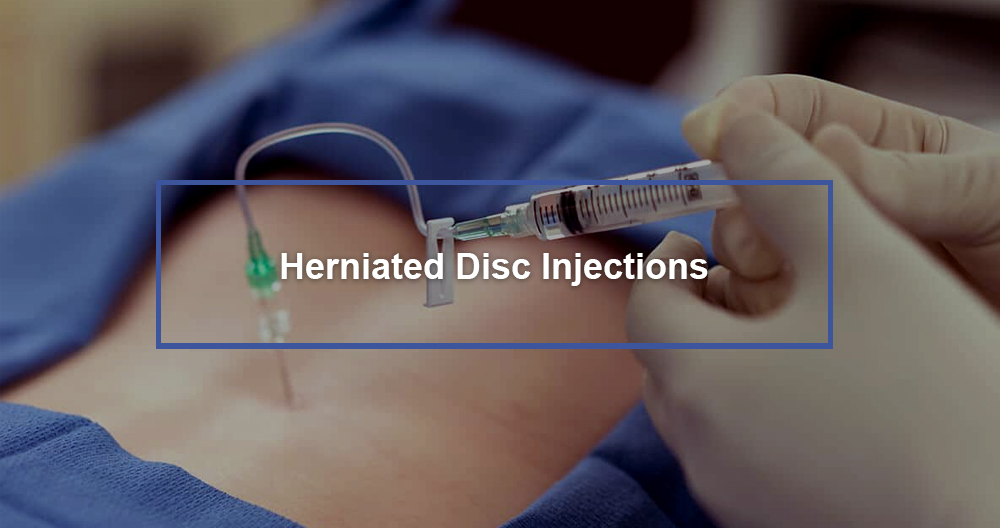
Corticosteroid injections become an option after 4-6 weeks if conservative treatment fails. These provide targeted anti-inflammatory relief directly around the compressed nerve root. MRI imaging typically precedes injections to confirm the exact disc level involved. Your doctor may also recommend neuropathic medications like gabapentin or pregabalin to manage nerve-related pain.
Surgical Options as Last Resort
Consider microdiskectomy—the most common surgical procedure—only after 6-8 weeks of failed conservative treatment, or immediately if progressive neurological deficits develop. This minimally invasive procedure removes just the herniated portion through a 1-2 inch incision, preserving the healthy disc. Most people return to normal activities within 2-6 weeks after surgery.
Building Your Personal Disc Recovery System
Essential Home Equipment Checklist
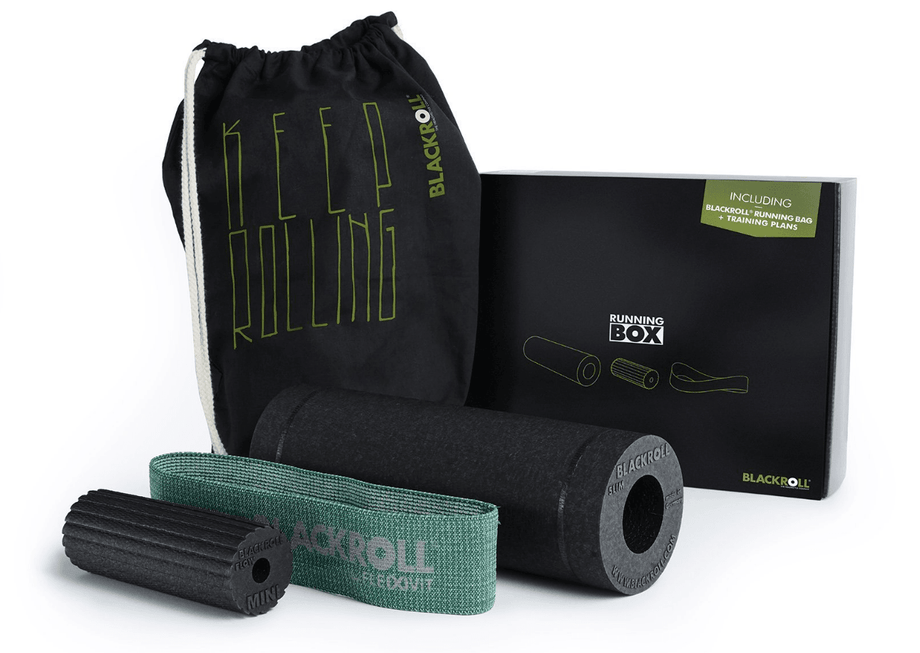
- Lumbar support cushion for chairs and car seats (maintains natural spine curve)
- Medium-density foam roller (releases tight hip flexors and hamstrings)
- Light and medium resistance bands (for progressive strengthening without disc stress)
Daily Movement Modifications That Prevent Flare-Ups
Transform routine activities: When picking items from the floor, squat by bending your knees while keeping your back straight—never bend at the waist. Set phone reminders to stand and walk every 30 minutes if you work at a desk. Place frequently used items between waist and shoulder height to minimize bending.
Optimal Sleep Environment Setup
Choose a medium-firm mattress that supports your natural curves without sagging. Memory foam toppers (2-3 inches) can add comfort while maintaining support. Replace pillows that have lost their shape—your neck should remain aligned with your spine whether sleeping on your back or side.
Preventing Future Disc Problems Permanently
Core Stability Program That Works
Commit to a 15-minute daily routine starting with dead bugs: Lie on your back, arms up, knees bent at 90 degrees. Slowly lower opposite arm and leg toward the floor while maintaining a stable core. Progress to plank variations, beginning with 15-second holds and building to 60 seconds as strength improves. These deep core exercises protect your discs during daily activities.
Functional Movement Training
Learn proper hip hinge patterns using a dowel rod along your spine to master safe bending mechanics. Practice goblet squats holding a light weight at chest level—this teaches squatting while keeping your torso upright. Add Romanian deadlifts with light dumbbells to strengthen posterior chain muscles that support your spine during lifting.
Critical Lifestyle Adjustments
Maintain a healthy weight—every extra pound adds 4 pounds of pressure on your lumbar discs when walking. If you smoke, quit immediately as smoking reduces disc nutrition by restricting blood flow. Set up an ergonomic workstation with your monitor at eye level, chair supporting your lower back, and feet flat on the floor or a footrest.
Recovery Timeline: What to Expect Week by Week
Weeks 1-2: Inflammation Reduction Phase
Expect 30-50% pain reduction within 7-10 days with proper treatment. Continue gentle movement and avoid complete rest. Track your pain level (1-10 scale) and the distance you can walk without increased symptoms. Most people notice significant improvement during this critical initial healing period.
Weeks 3-6: Strengthening and Return to Activity
This marks the strengthening phase where pain continues decreasing while you build endurance. Return to modified work duties—avoid prolonged sitting or heavy lifting. Expect 70-80% improvement by week six if consistently following your treatment protocol. Gradually increase activity levels as tolerated.
Long-term Disc Health Maintenance
Even after pain resolves, maintain your exercise program 3-4 times weekly. Discs continue healing for 3-6 months, so gradual return to full activity is crucial. Schedule annual check-ins with your physical therapist to adjust your program and prevent recurrence. Consistent core strengthening protects against future disc problems.
Your herniated disc doesn’t have to control your life. By implementing these evidence-based strategies for how to fix disc pain in lower back, most people achieve significant relief within weeks. Start with the gentle press-up exercises today, progress gradually through the strengthening phases, and maintain your prevention program long after symptoms resolve. Remember: staying active within pain limits accelerates healing far more than complete rest. With consistent application of these techniques, you’ll reclaim pain-free movement and protect your spine for years to come.