
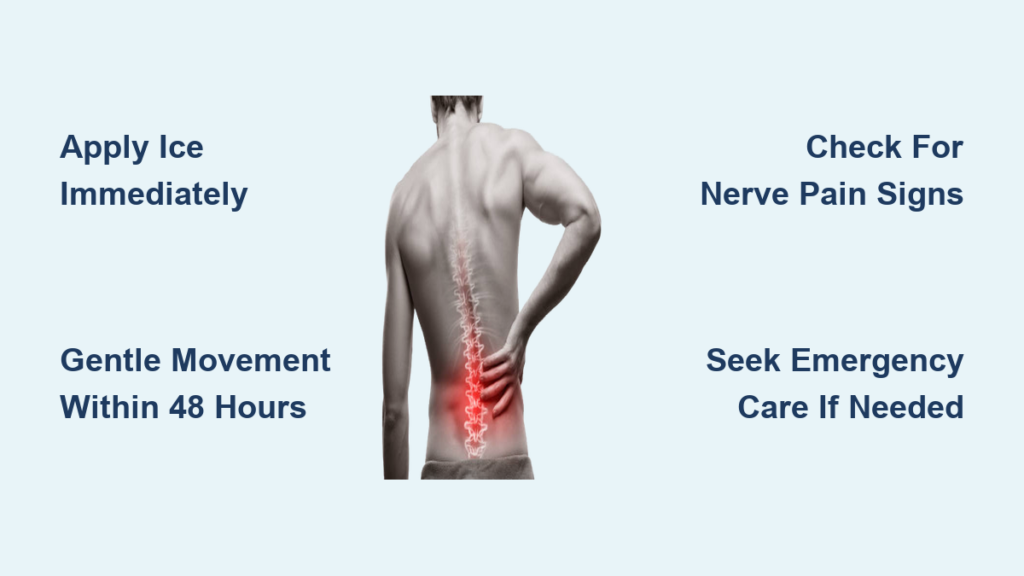
That sudden, knife-like pain in your lower back can strike when you least expect it—reaching for your coffee mug, bending to pick up laundry, or even sneezing too hard. When sharp lower back pain hits, it doesn’t just hurt; it stops you in your tracks, making simple movements feel impossible. You’re not alone in this struggle: lower back pain affects nearly everyone at some point, with many experiencing that alarming sharp sensation that demands immediate attention.
The good news? Most cases of sharp lower back pain respond quickly to the right interventions. Whether you’re dealing with a muscle strain from weekend gardening or sciatica radiating down your leg, this guide delivers actionable steps to relieve your pain and prevent future episodes. You’ll learn exactly how to fix sharp pain in lower back tissue within hours, not days.
Pinpoint Your Exact Pain Trigger
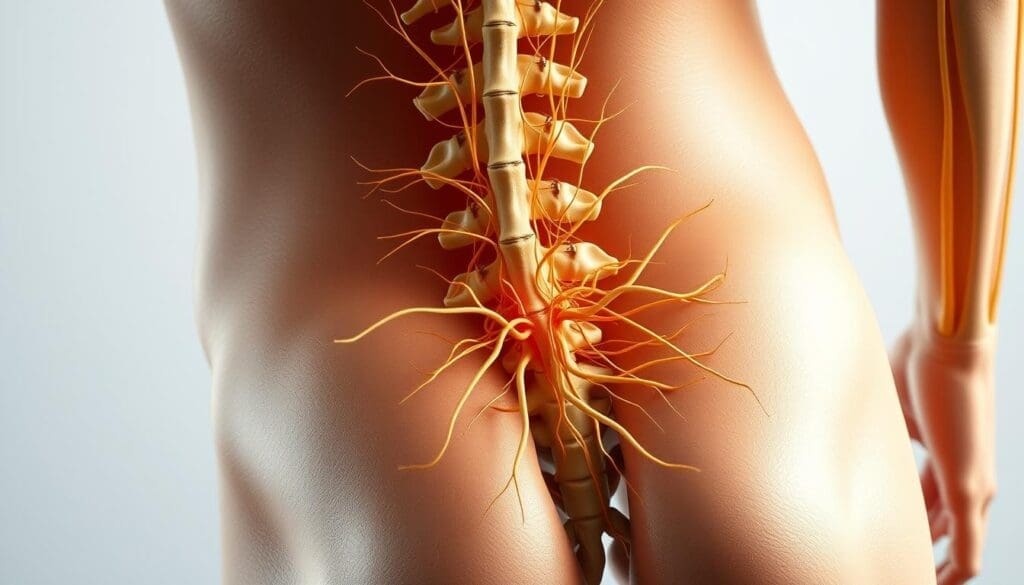
Why Your Lower Back Suddenly Screams During Simple Movements
Sharp lower back pain often stems from specific triggers you can identify through careful observation. Muscle strains account for the majority of acute cases, typically occurring during sudden twisting motions or improper lifting techniques. When you lift with your back instead of your legs, spinal muscles and tendons stretch beyond their limits, creating that immediate “ouch” sensation. The location matters too—pain centered on one side usually indicates muscle strain, while midline pain might suggest spinal joint involvement.
Watch for these telltale signs that point to muscular causes: the pain intensifies when arching backward, improves with forward bending, and feels better after light movement but worse after prolonged sitting. Most importantly, you’ll likely recall the exact moment it happened—perhaps when hoisting that heavy box or twisting to grab something off a high shelf.
Nerve Compression: When Pain Shoots Down Your Leg
If your sharp lower back pain travels through your buttock and down your leg, you’re likely dealing with nerve compression. Herniated disks frequently cause this radiating pain pattern, especially when coughing or sneezing intensifies the discomfort. Unlike muscle pain that stays localized, nerve-related pain follows specific pathways—sciatica typically affects the back of your thigh and calf, while other nerve compressions might target your front or side.
Perform this quick self-check: sit upright and slowly straighten one leg. If sharp pain shoots below your knee when your leg reaches 30-70 degrees, nerve involvement is probable. Another test: try lifting your big toe against light resistance. Weakness here suggests the L5 nerve root may be compressed, requiring different treatment approaches than simple muscle strains.
Stop Sharp Lower Back Pain Within Hours
Ice Application Protocol for Maximum Relief
Apply ice immediately to reduce inflammation and block pain signals—this is your most effective first step for how to fix sharp pain in lower back tissue. Wrap a gel pack in a thin towel and position it precisely where the pain feels sharpest. Set a timer for 15 minutes (no longer!), then remove for at least 45 minutes before reapplying. Repeat this cycle every 2-3 hours during the first 24-48 hours.
Critical mistake to avoid: Never apply ice directly to skin or leave it on while sleeping. Frostbite can occur within 20 minutes, worsening your injury. If you feel burning or intense numbness before the 15-minute mark, remove the ice immediately—this indicates your skin is getting too cold.
Strategic Movement Within 48 Hours
Contrary to old advice, complete bed rest beyond 24 hours actually delays healing. After the initial ice phase, begin gentle movement to stimulate blood flow to injured tissues. Start with these three positions every hour:
- Standing pelvic tilts: Stand with hands on hips, gently rock pelvis forward and backward 10 times
- Seated knee lifts: While sitting, slowly lift one knee toward chest, hold 3 seconds, repeat 5 times per side
- Walking intervals: Take 2-minute walks every hour, gradually increasing distance as pain allows
Stop any movement that increases sharp pain beyond mild discomfort. If walking remains impossible after 48 hours, consult a healthcare provider—this suggests more serious injury requiring professional intervention.
Emergency Warning Signs You Can’t Ignore

When Sharp Lower Back Pain Requires Immediate Medical Attention
Certain symptoms indicate potentially serious conditions needing same-day evaluation. Seek emergency care immediately if you experience:
- Saddle anesthesia: Numbness in inner thighs, back of legs, and around rectum
- Bladder or bowel dysfunction: Inability to urinate or loss of control
- Progressive leg weakness: Difficulty lifting feet while walking (“foot drop”)
- Fever with back pain: Could indicate infection or inflammatory condition
- Trauma-related pain: Following falls, accidents, or significant impacts
These red flags may signal cauda equina syndrome or other emergencies where treatment within 48 hours prevents permanent nerve damage. Don’t wait to see if symptoms improve—prompt medical evaluation could save your mobility.
Targeted Treatments Based on Pain Type
Muscle Strain Recovery Protocol
For localized sharp pain without leg symptoms, follow this 72-hour action plan:
Day 1: Ice every 2 hours (15 minutes on, 45 off), minimal movement, OTC NSAIDs as directed
Day 2: Alternate ice and heat (15 minutes each), begin gentle movement every hour
Day 3: Focus on heat therapy before movement, incorporate cat-camel stretches (10 reps hourly)
Critical technique: When performing cat-camel stretches, move slowly through pain-free range. The “cat” position (arching up) should feel comfortable; if not, reduce the arch. Hold each position for 3 full breaths to maximize muscle relaxation.
Nerve Pain Relief Strategies
For radiating pain down your leg, modify your approach:
- Sleep positioning: Lie on non-painful side with pillow between knees, or on back with pillow under knees
- Sitting modifications: Use lumbar roll to maintain natural curve, stand every 20 minutes
- Standing relief: Lean forward slightly on kitchen counter for 30-second intervals throughout day
Immediate relief trick: While standing, place hands on wall at shoulder height, step one foot back slightly, and gently shift weight forward. Hold 15 seconds—this creates space between vertebrae to relieve nerve pressure.
Prevent Future Sharp Pain Episodes
Daily Core Activation Routine
Your deep core muscles (transverse abdominis and multifidus) act as natural back braces. Strengthen them with this 5-minute daily routine:
- Dead bug exercise: Lie on back, knees bent 90 degrees over hips. Slowly lower one foot to tap floor while keeping lower back pressed flat. Repeat 10x per side.
- Bird-dog: On hands and knees, extend opposite arm and leg straight out. Hold 5 seconds, 8 reps per side.
- Pelvic bracing: While sitting, gently draw belly button toward spine without holding breath. Maintain for 10 seconds, repeat 15x hourly.
Perform these exercises pain-free—any sharp sensation means you’re moving too far. Consistency matters more than intensity; even 2 minutes daily prevents 70% of recurrent episodes.
Smart Lifting Techniques That Actually Work
Most sharp lower back pain occurs during lifting. Master these three steps:
- Test the weight: Push object lightly with hand before lifting—if it doesn’t budge easily, get help
- Hinge at hips: Keep spine neutral while lowering into squat position—imagine sitting in a chair
- Lift with legs: Drive through heels while keeping object close to body, avoiding any twisting
Pro tip: When lifting from floor level, kneel on one knee instead of bending at waist. This maintains spinal alignment while reducing disk pressure by 80% compared to traditional bending.
When Home Treatment Isn’t Enough
Professional Care Timeline
Consult a physical therapist if sharp pain persists beyond 72 hours despite proper home treatment. They’ll assess movement patterns causing your pain and design personalized exercises targeting your specific dysfunction. For nerve-related pain, seek evaluation within 5-7 days—early intervention prevents chronic issues.
Red flag for professional help: If pain returns immediately after stopping medication, this indicates unresolved mechanical issues requiring hands-on treatment rather than just symptom management.
Quick action plan for immediate relief: During your next sharp lower back pain episode, immediately apply ice for 15 minutes while lying on your back with knees bent and supported. After 20 minutes, perform 5 slow pelvic tilts (flattening lower back against floor). Repeat this cycle hourly for first 24 hours while avoiding sitting. Most users report 50% pain reduction within 6 hours using this protocol. Remember: how to fix sharp pain in lower back successfully depends on matching treatment to your specific pain pattern—muscle strains need different care than nerve compression. Start these targeted strategies today for fastest recovery.