
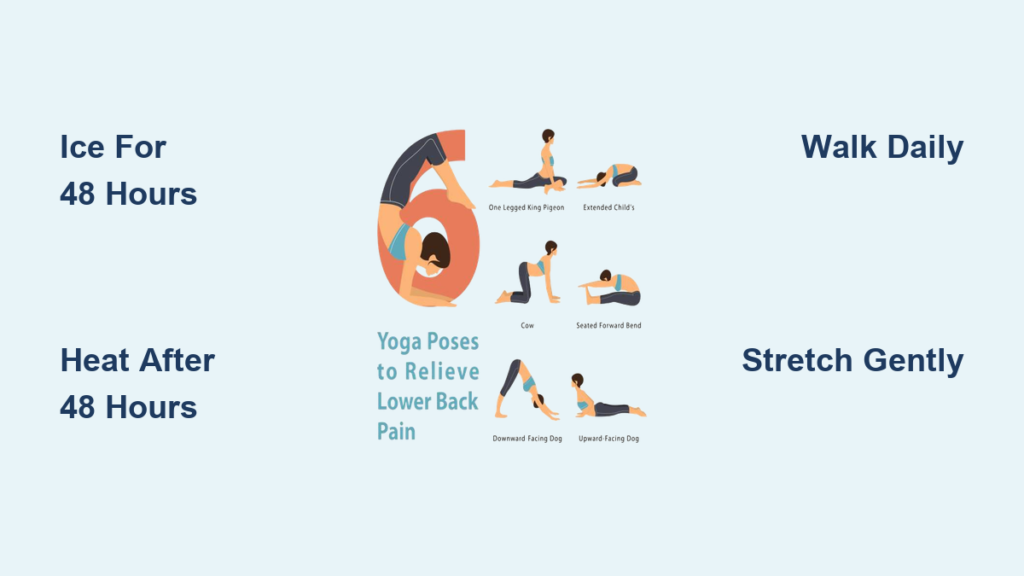
Four out of five people will battle back pain during their lifetime, and if you’re shifting uncomfortably in your chair right now, you’re likely part of that majority. The good news? Most back pain responds beautifully to simple, evidence-based home treatments—no expensive gadgets or prescription pads required. Whether you’re dealing with your first twinge or managing recurring episodes, this guide transforms medical research into an actionable home-care playbook. You’ll learn exactly when to apply ice versus heat, which stretches unlock tight muscles, and how to prevent tomorrow’s pain while treating today’s. Discover practical ways how to help back pain at home starting right now.
Recognize Serious Back Pain Warning Signs
When to Call 911 Immediately
Stop reading and seek emergency care if you experience saddle anesthesia (numbness in groin or inner thighs), loss of bladder or bowel control—even slight leakage—or progressive leg weakness causing foot dragging. These indicate possible cauda equina syndrome, where compressed spinal nerves require immediate surgical intervention. Don’t wait for symptoms to worsen; these red flags signal a medical emergency demanding same-day evaluation.
Schedule Doctor Visit Within 48 Hours
Contact your physician promptly if sciatica pain shoots past your knee and worsens despite home care, or if pain remains unchanged after 1-2 weeks. Recent significant trauma like falls or car accidents, unexplained weight loss with back pain, or fever accompanying discomfort also warrant urgent medical assessment. While most back pain resolves with self-care, these signs could indicate herniated discs, infections, or other conditions needing professional oversight.
How to Help Back Pain at Home with Cold and Heat Therapy

First 48 Hours: Ice Protocol
Apply ice packs wrapped in thin towels directly over the sorest spot for 15-20 minutes every 2-3 hours while awake. This constricts blood vessels to reduce inflammation after acute strain or injury. Never apply ice directly to skin—stop immediately if skin turns bright red or numb. Target only the specific painful area rather than icing your entire back for maximum effectiveness during the critical initial healing phase.
After 48 Hours: Heat Strategy
Switch to heat therapy 48 hours post-injury using warm showers, heating pads on medium settings, or hot water bottles against stiff areas. Apply for 20-minute sessions to relax tight muscles and boost blood flow. Some backs respond better to consistent heat while others prefer cold-heat alternation—test both approaches to determine your optimal relief method. Avoid applying heat over areas with topical pain creams to prevent skin irritation.
Gentle Movements to Help Back Pain at Home
Stop the Rest Trap
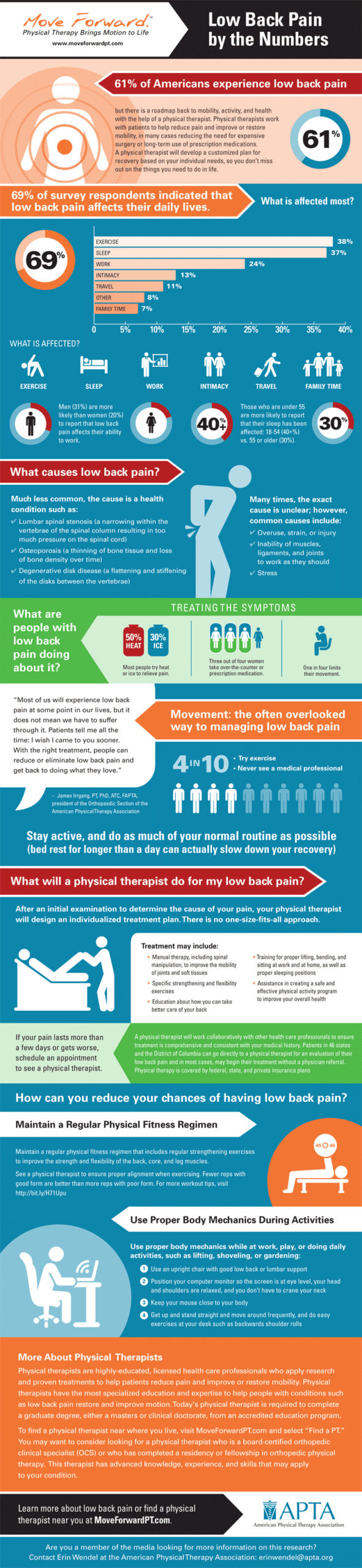
Contrary to outdated advice, prolonged bed rest actually prolongs back pain. Complete inactivity weakens spinal-supporting muscles within 72 hours, delaying recovery. Limit bed rest to 1-2 days maximum even for severe pain. Instead, resume light daily activities as soon as tolerated—research confirms gentle movement speeds healing far better than extended rest for most back pain cases.
Walking Prescription for Recovery
Start with 5-minute flat-surface walks three times daily during the first three days, focusing on tall posture with gently engaged core muscles. Progress to 10-minute walks by week one, then build to 20-30 minutes daily by week two. Maintain this 30-minute daily walking routine long-term as preventive medicine. Stop immediately if pain significantly worsens during movement—this indicates overexertion.
Perform Targeted Stretching Routine
Morning Lower Back Release
Complete these stretches before rising from bed: Gently hug one knee to your chest for 20 seconds, then both knees simultaneously while rocking side-to-side. Finish with spinal twists by dropping bent knees left and right. These movements lubricate stiff spinal joints after overnight immobility and prevent morning pain spikes common with disc issues.
Desk-Friendly Hamstring Loosener
Tight hamstrings pull tension into your lower back. Every two work hours, sit at your desk edge and extend one leg straight while reaching toward your toes. Hold 20-30 seconds per leg without bouncing, repeating 2-3 times. Consistent stretching here reduces mechanical strain on lumbar vertebrae caused by prolonged sitting.
Optimize Your Sleep Setup

Mattress & Pillow Strategy
Replace mattresses older than 8-10 years showing visible sagging, opting for medium-firm surfaces that balance support and pressure relief. Side sleepers should place a pillow between knees to align hips, while back sleepers benefit from a pillow under knees to reduce lumbar curve strain. Avoid stomach sleeping entirely as it hyperextends the spine.
Sleep Hygiene Checklist
Prioritize 7-9 hours nightly since sleep deprivation amplifies pain signals. Maintain a cool (65-68°F), dark room and ban screens 60 minutes before bed. Consistent sleep/wake times—even on weekends—regulate your body’s pain-modulation systems. Combine this with nightly gratitude journaling to address stress-related back tension.
Set Up an Ergonomic Workstation
Sitting Posture Protocol
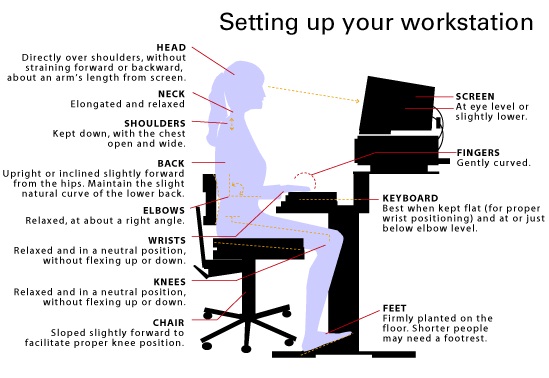
Position your screen’s top third at eye level to prevent forward head posture. Keep elbows bent at 90 degrees when typing with lumbar support (a small pillow or rolled towel) filling your lower back curve. Set a micro-break timer for every 30 minutes—stand and stretch for 60 seconds to reset spinal alignment and prevent stiffness buildup.
Lifting Mechanics
Master this five-step sequence: Stand with feet shoulder-width apart, squat down by bending knees (not waist), hold objects close to your body, lift using leg strength, and pivot feet instead of twisting your torso. Never lift heavy items alone—ask for help to avoid sudden strains that trigger disc injuries.
Week-by-Week Recovery Timeline
Days 1-3: Acute Management
Focus on inflammation control with 15-minute ice sessions hourly while awake. Take brief 5-minute walks every 2-3 hours to maintain mobility. Use over-the-counter NSAIDs as directed and perform gentle knee-to-chest stretches in bed to relieve initial muscle spasms without aggravating tissues.
Days 4-7: Gentle Activation
Transition to heat therapy for 20-minute sessions twice daily. Increase walking duration to 10-15 minutes three times daily while adding seated hamstring stretches. Focus on posture awareness during daily activities—set phone reminders to check your spinal alignment hourly.
Week 2-4: Strength Building
Introduce core bridges (2-3 sets of 10-15 repetitions) three times weekly. Progress walking to 30 minutes daily while addressing workstation ergonomics. Incorporate wall planks for spinal stabilization, stopping immediately if you experience sharp pain or radiating symptoms.
Master Self-Massage Techniques
Tennis Ball Therapy
Place a tennis ball between your back and a wall at sore spots near shoulder blades or lower back. Roll slowly for 1-2 minutes per area, applying gentle pressure until tension releases. Avoid rolling directly over the spine itself—target surrounding muscles instead. Perform daily, especially after prolonged sitting sessions.
Foam Rolling Protocol
For upper back relief, support your head with hands while rolling a foam roller from shoulders to mid-back for 5 minutes. Never roll directly on the lower back—instead focus on hip flexors and glutes which often contribute to lumbar strain. Limit sessions to 10 minutes total to prevent tissue irritation.
Your journey how to help back pain at home begins with one small action today. Whether it’s the 5-minute walk between meetings, adjusting your workstation pillow, or adding anti-inflammatory turmeric to dinner, consistent micro-efforts compound into lasting relief. Remember that 80% of back pain episodes resolve with proper self-care, but persistent or worsening pain deserves professional evaluation. Start with the ice protocol if you’re in acute pain, or the walking prescription if stiffness dominates. Your spine thrives on movement—not rest—so take that first step toward freedom from discomfort right now. Your future pain-free self will thank you for beginning today.