
Your morning run should leave you energized, not doubled over in lower back pain. If you’ve ever had to cut a run short because of aching in your lower back, you’re not alone. Learning how to prevent lower back pain from running is crucial for maintaining your training schedule and enjoying the sport long-term.
Research shows that marathon and half-marathon runners face the highest risk at 4.5% during training periods. The good news? Most running-related back pain is preventable with the right approach. In this guide, you’ll discover specific, actionable strategies to keep your back strong and pain-free mile after mile.
Why Marathoners Face Highest Back Pain Risk (4.5% Statistics)
Marathon and half-marathon runners experience lower back pain at a 4.5% rate during training periods—higher than ultramarathoners (4.3%) and non-ultramarathoners (2.7%). This surprising pattern reveals that intensity matters more than distance alone when it comes to back health.
The repetitive shock from running creates measurable stress on your vertebral structures. Studies show runners experience marginal spine shortening post-run, indicating compression of vertebral discs and surrounding tissues. This compression, while temporary, demonstrates the cumulative impact of each foot strike on your back health.
Why Your Spine Shortens After Every Run
When both feet leave the ground and crash back down, your spine absorbs significant impact. This repetitive stress creates the perfect conditions for back injuries to develop over time. Your spinal discs, the cushions between vertebrae, bear the brunt of this impact. When these discs become compressed or displaced, they can press against nearby nerves, triggering the sharp, radiating pain familiar to many runners.
Concrete Surfaces That Guarantee Back Pain
Your running surface dramatically influences back stress levels. Concrete, asphalt, and cement provide zero shock absorption, transferring maximum impact directly to your spine. These hard surfaces should be avoided whenever possible, especially during high-mileage training periods.
Best Running Surfaces for Back Health
Natural earth trails provide optimal shock absorption while offering varied terrain that strengthens stabilizing muscles. Park trails and dirt paths rank highest for back-friendly running. Spongy tracks offer excellent cushioning for speed work, though the repetitive oval pattern may stress different muscle groups.
Rotate between 2-3 different surface types throughout your training week. Run trails for long, slow distances, tracks for speed work, and grass fields for recovery runs. This variation prevents repetitive stress patterns while developing balanced muscle strength.
Herniated Disc Warning Signs Every Runner Should Know
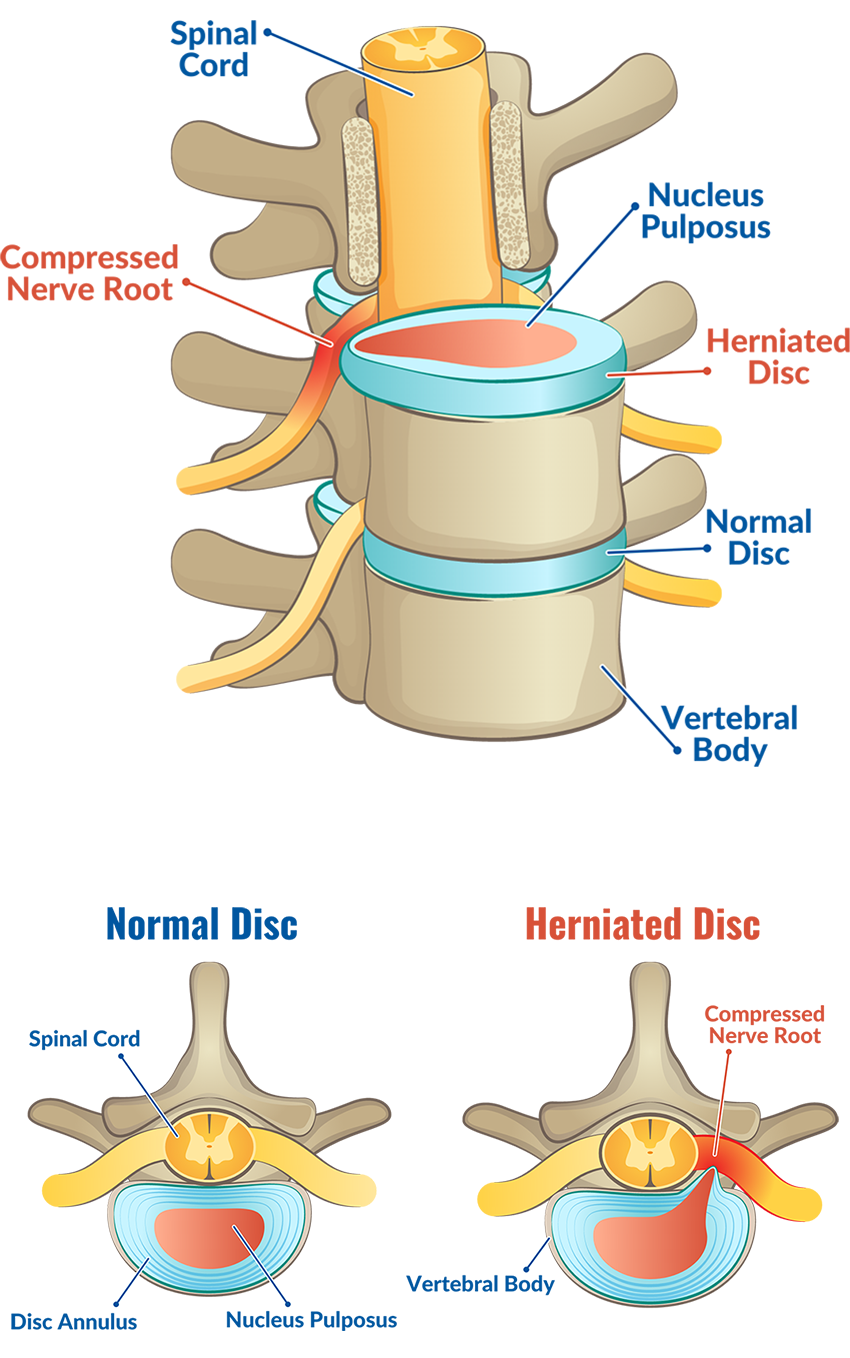
A herniated disc occurs when spinal cushions slip out of position, potentially pressing against nerves. This injury primarily affects the lower back where running motion concentrates. The pain often starts as mild discomfort before escalating to sharp, shooting sensations that radiate down your legs.
Watch for these early indicators: persistent lower back stiffness that worsens after runs, numbness or tingling in your legs, and pain that intensifies when bending forward or sitting for extended periods. Don’t ignore these warning signs—they’re your body telling you to adjust your training immediately.
Running Shoe Checklist for Back Pain Prevention
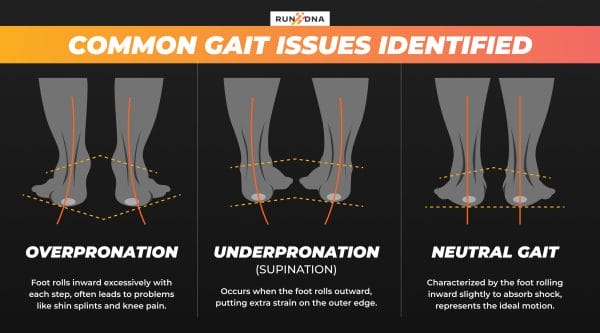
Generic athletic shoes won’t protect your back from running’s impact forces. You need footwear engineered specifically for running mechanics. Visit specialty running stores for professional gait analysis—this free service identifies your unique foot strike patterns and recommends shoes tailored to your needs.
Replace shoes every 300-500 miles when support systems break down. High-mileage runners should track shoe usage religiously. Consider special insoles if you have flat feet or high arches, as these conditions create uneven weight distribution that amplifies back stress.
Professional Gait Analysis Benefits
Specialty running stores use video analysis to identify overpronation, underpronation, and other biomechanical issues contributing to back pain. This 15-minute assessment can prevent months of injury downtime by matching you with shoes that correct your specific gait abnormalities.
Perfect Running Posture: 3 Critical Alignment Points
Stand tall with a slight forward lean from your ankles, not your waist. Keep your head aligned with your spine, shoulders relaxed and down, and core engaged. Your arms should swing naturally at 90-degree angles, hands relaxed—not clenched in fists.
Shorten your stride to reduce impact forces. When your foot lands, your shin should be perpendicular to the ground, striking with your midfoot rather than heel. This technique distributes impact more evenly throughout your kinetic chain, sparing your lower back from excessive stress.
When to Get Professional Form Evaluation
Consider professional form analysis if you experience persistent back pain despite proper footwear and surface selection. A running coach can identify subtle form flaws—like excessive hip drop or overstriding—that create long-term back problems. This investment typically costs less than one month of physical therapy.
The 10-Day Rest Rule for Back Pain Recovery
Your body adapts to training stress during rest periods, not during workouts. Schedule at least one complete rest day weekly, regardless of your training goals. Every 4-6 weeks, incorporate a recovery week with 50% reduced mileage to allow deeper adaptation.
Never run through back pain. This cardinal rule separates healthy runners from chronically injured ones. Pain indicates tissue damage in progress. Continuing to run transforms minor muscle strains into serious disc injuries requiring months of rehabilitation.
5-Minute Pre-Run Routine That Shields Your Spine
Start with hip flexor stretches: step forward into a lunge position, dropping your back knee toward the ground while keeping your torso upright. Hold for 15 seconds each side to loosen tight hip muscles that pull on your lower back.
Perform gentle torso rotations: stand tall, raise your arms overhead, and slowly twist left and right. This activates your core muscles and increases spinal mobility before impact forces arrive. Finish with knee-to-chest stretches lying on your back to ensure your lower back moves freely.
Dynamic Movement Preparation
Avoid static stretching before running. Instead, perform controlled leg swings, walking lunges, and gentle back rotations. These movements increase blood flow to supporting muscles without compromising the elastic properties needed for shock absorption.
Post-Run Stretches That Reverse Spinal Compression
Within 5 minutes of finishing your run, begin hip flexor stretches in a kneeling position. This prevents hip tightness from pulling your pelvis forward and stressing your lower back. Hold each stretch for 30 seconds, breathing deeply to enhance relaxation.
Perform double knee-to-chest stretches lying on your back. This decompresses your spine after impact forces have compressed it during your run. Follow with gentle quad stretches, holding each leg for 20-30 seconds to maintain balanced muscle flexibility.
Core Strength Protocol: 3 Exercises That Prevent Injury
Your core extends beyond abs to include lower back muscles, glutes, and hip stabilizers. These muscles form a natural corset that protects your spine during impact. Weakness in any component forces your vertebrae to absorb excess stress.
Prioritize these three exercises:
– Planks: Start with 30-second holds, building to 2-minute holds over 6-8 weeks
– Bridges: Begin with both feet on the ground, progressing to single-leg variations
– Controlled crunches: Focus on slow, deliberate movements for anterior core support
These exercises directly combat the muscle imbalances that lead to running-related back pain.
When to Stop Running: Red Flag Symptoms
Monitor your back’s response to running using a simple 1-10 pain scale after each run. Note any stiffness lasting longer than 24 hours, pain that worsens during runs, or discomfort that interferes with daily activities.
Seek immediate medical evaluation if you experience severe leg pain, numbness, weakness, or foot drop—these indicate potential nerve compression requiring professional intervention. Sciatica (pain radiating down your leg) or progressive neurological symptoms demand spine specialist evaluation.
Strategic Surface Rotation Schedule
Create a weekly running surface plan that minimizes repetitive stress:
– Monday: Trail run (natural earth surface)
– Wednesday: Track workout (spongy surface)
– Saturday: Long run on grass or dirt path
– Sunday: Recovery walk on varied terrain
This rotation prevents your spine from adapting to one specific impact pattern while developing balanced strength across all stabilizing muscle groups.
Return-to-Running After Back Pain Protocol
Resume running only after complete symptom resolution and restoration of full strength and flexibility. Start with 50% of your pre-injury mileage at conversational pace. Increase weekly mileage by no more than 10% while monitoring for symptom return.
Cross-train extensively during this phase to maintain fitness while your back adapts to renewed impact forces. Many runners emerge from back injuries stronger and faster by following disciplined return protocols.
Running offers tremendous health benefits when your back remains pain-free. By implementing these prevention strategies consistently, you’ll enjoy years of comfortable, strong running while protecting your spine. Remember: proper footwear, surface selection, form correction, and strategic rest aren’t optional extras—they’re essential components of how to prevent lower back pain from running. Start with just two of these strategies this week, and your future pain-free running self will thank you.