
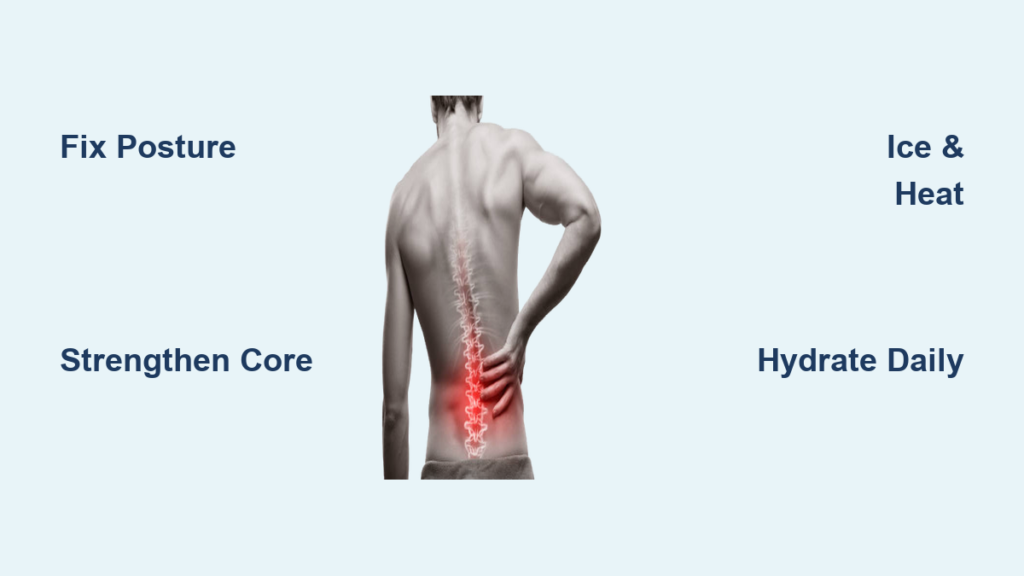
Eight in ten men battle back pain that sabotages gym sessions, interrupts sleep, and zaps work performance. That nagging lower back twinge after weekend DIY projects or the sharp upper back stab from hunching over your laptop isn’t just “part of aging”—it’s your body screaming for intervention. The critical truth? 90% of back pain cases resolve without surgery when men target the root cause early with precise movement patterns, posture corrections, and smart recovery habits. This guide delivers the exact protocol to eliminate current discomfort and build a resilient spine that handles heavy lifts, long workdays, and weekend adventures without complaint. Stop guessing—start fixing.
Pinpoint Your Exact Pain Type in 60 Seconds
Why Your Pain Location Reveals the Cause
Your pain’s zip code tells the whole story. Upper and middle back pain (between shoulder blades) almost always stems from desk slouching or neglected posture—especially when you feel stiffness after hours at your computer. Lower back pain below the ribs? This is the heavyweight champion of men’s back issues, triggered by weak core muscles, improper lifting form, or excess weight straining your lumbar spine. Track when it flares: Does it spike when standing up from your chair (disc issue) or during deadlifts (muscle strain)? This self-diagnosis shapes your entire recovery plan.
Emergency Warning Signs You Can’t Ignore
Don’t risk permanent damage by brushing off these red flags:
– Numbness in your groin or inner thighs (cauda equina syndrome requiring same-day ER care)
– Bladder control loss combined with back pain
– Fever plus back pain (possible spinal infection)
– Pain radiating down both legs with foot weakness
Seek immediate medical help if you experience these. For persistent pain waking you at night or blocking basic tasks like tying shoes, see a doctor within 72 hours—delaying treatment turns acute pain chronic 60% faster.
Execute This 15-Minute Daily Pain Relief Routine

Morning Mobility Circuit (Pre-Breakfast)
Perform these three moves before coffee to melt overnight stiffness:
1. Knee-to-Chest Stretch: Lie flat, pull one knee toward your chest for 5 seconds. Repeat with the other leg, then both together. Do 2-3 reps per variation—you’ll feel immediate tension release in your lumbar spine.
2. Pelvic Tilts: Flatten your lower back against the floor (posterior tilt), then gently arch it upward (anterior tilt). Complete 10-30 reps to reset spinal alignment.
3. Bridge Hold: With knees bent, lift hips until your body forms a straight line from shoulders to knees. Hold for 3 full breaths, repeat 5-30 times to activate glutes and reduce disc pressure.
Desk Job Rescue Moves (Every 60 Minutes)
Combat slouch fatigue with these stealth office exercises:
– Shoulder-Blade Squeezes: Sit tall, pinch shoulder blades together for 5 seconds. 3-5 reps instantly corrects forward head posture.
– Seated Spinal Twist: Cross right ankle over left knee, rotate torso toward right knee using left elbow for gentle pressure. Hold 10 seconds, 3 reps per side relieves mid-back tension.
Build a Bulletproof Core in 10 Minutes Daily
Foundational Bodyweight Circuit (2x Weekly)
Skip crunches—these target the deep stabilizers that actually protect your spine:
– Dead Bug: Lie on your back, alternately lower opposite arm and leg while keeping lower back pressed to floor. 8-12 reps per side engages transverse abdominis.
– Side Plank: Prop on elbow with body straight, lift hips off ground. Hold 20-40 seconds per side—stop immediately if you feel lower back strain.
– Bird-Dog: On hands and knees, extend opposite arm and leg straight out. Hold 5 seconds, 8 reps per side improves spinal stability.
Critical Form Fixes Men Miss
- Maintain neutral spine: Imagine balancing a tray on your lower back during all lifts—no arching or rounding.
- Exhale forcefully during exertion (e.g., when standing up from deadlifts). This automatically engages your deep core muscles.
Fix Your Workspace in 5 Minutes Flat
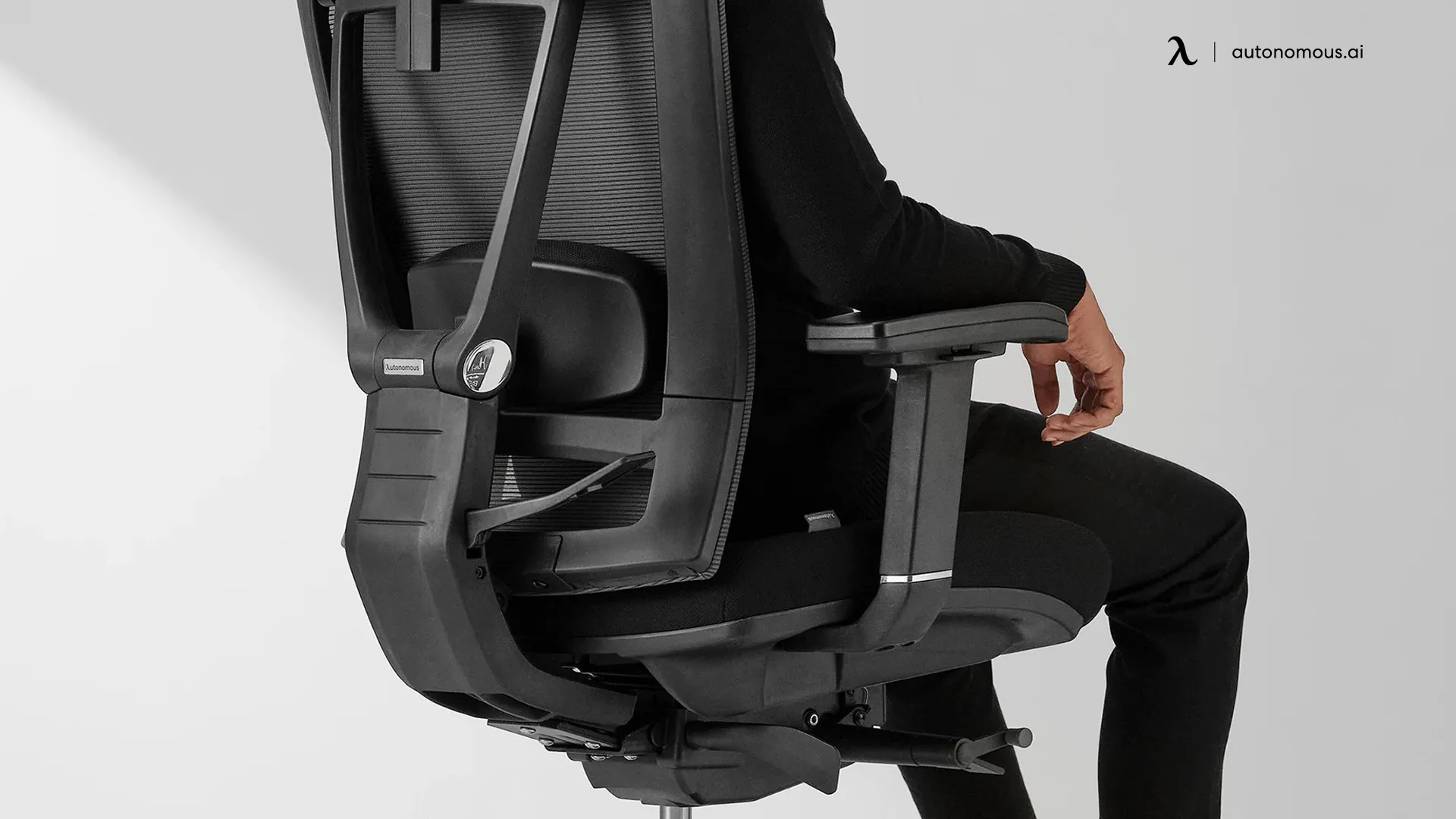
Chair Setup Checklist for Desk Warriors
- Seat height: Adjust so thighs run parallel to floor with feet flat (use a footrest if needed).
- Lumbar support: Roll a towel and place it in your lower back’s natural curve—this reduces disc pressure by 40%.
- Screen position: Top of monitor should hit eye level to prevent forward head creep (a major upper back pain trigger).
Nighttime Spine Reset Protocol
- Side sleepers: Place a pillow between knees to align hips and reduce lumbar strain.
- Back sleepers: Slide a pillow under knees to flatten excessive spinal curvature.
- Mattress rule: Replace sagging mattresses older than 8 years—medium-firm surfaces cut pain scores by 35%.
Slash Inflammation with These 3 Dietary Swaps
The Anti-Pain Plate Formula
Fill half your plate with colorful vegetables (spinach, bell peppers, berries) for inflammation-fighting antioxidants. Prioritize 25-30g protein per meal (salmon, chicken, lentils) to repair connective tissue. Add 2 tablespoons olive oil or a handful of walnuts daily for healthy fats that lubricate spinal joints.
Critical Mistake: Ignoring Hydration
Dehydrated spinal discs lose shock-absorbing capacity—drink 3 liters of water daily. One study showed men who hit this target reduced disc-related pain 28% faster than those who didn’t. Ditch nightly chips for Greek yogurt with berries: 15g protein plus anti-inflammatory polyphenols without trans fats.
Smart OTC Pain Relief Protocol
First 72 Hours: The Ice-to-Heat Switch
- Days 1-2: Ice packs for 20 minutes every 2-3 hours (reduces nerve inflammation). Never apply ice directly to skin.
- Days 3-7: Switch to heat therapy (heating pad or warm bath) for 20 minutes before gentle stretching. Heat boosts blood flow to heal strained tissues.
Medication Hierarchy for Maximum Safety
- NSAIDs first: Ibuprofen 200-400mg every 6-8 hours with food (max 3 days)
- Acetaminophen backup: 500-1000mg every 6 hours (max 3,000mg/day)
- Topical diclofenac gel: Apply twice daily to sore areas—avoids stomach risks of oral meds
Never combine NSAIDs with alcohol, and skip muscle relaxants beyond 3 nights—they mask pain without fixing weakness.
Foam Rolling Routine for Instant Tension Release
Target These 3 Pain Hotspots Weekly
- Glutes: Sit on foam roller, cross right ankle over left knee. Roll slowly for 30 seconds—this releases piriformis muscle pain mimicking sciatica.
- Mid-Back: Lie with roller under shoulder blades, arms crossed. Gently roll up/down 6 inches for 30 seconds to reverse “desk hunch.”
- Hip Flexors: Lie face-down with roller just below hip bone. Shift weight side-to-side for 20 seconds per side to eliminate forward pelvic tilt.
Pro Tip: Pair with Breathing
Inhale deeply for 4 seconds as you position on tender spot, then exhale slowly for 8 seconds while applying pressure. This resets nervous system pain signals.
Prevent Relapse With These Daily Micro-Habits
The 4-Minute Spine Maintenance Checklist
- Morning: Complete 3 minutes of the knee-to-chest and pelvic tilt routine
- Workday: Set hourly phone alerts to stand and do shoulder-blade squeezes
- Evening: Place water bottle on desk—refill it 4x before leaving work
- Bedtime: Perform 1 minute of lower-back rotations lying on your back
Monthly Progression Rules
- Add 10 seconds to plank holds every 2 weeks
- Lose 1-2 pounds monthly if overweight (each pound removed reduces spinal load by 4 pounds)
- Replace office chairs showing >1 inch cushion compression
Quick Reference Numbers Every Man Needs:
– 80% of men experience significant back pain
– 150 minutes of weekly cardio (walking/swimming) nourishes spinal discs
– 2 days minimum core training per week prevents re-injury
– 12 weeks is the chronic pain threshold—act before then
Back pain isn’t a life sentence—it’s a fixable mechanical issue. Start tomorrow with the 15-minute mobility routine, implement one desk setup tweak today, and add the anti-inflammatory plate swap at dinner. Consistency beats intensity: five minutes of targeted movement daily builds a spine that powers through deadlifts, work marathons, and weekend adventures pain-free. Your strongest back isn’t ahead—it’s built today, one deliberate action at a time.