
Your lower back throbs with every fever spike, turning simple movements into agony while you battle flu, COVID-19, or another infection. This brutal combination—fever amplifying muscle inflammation—leaves you stranded in bed when rest is most crucial. But here’s the critical truth: targeted home treatments can significantly reduce this pain within hours by addressing both the fever and muscle inflammation. Most cases resolve completely within a week when you apply the right strategies immediately.
This guide delivers proven, step-by-step methods to ease your suffering today, helps you recognize danger signs requiring emergency care, and prevents lingering pain after your fever breaks. You’ll learn exactly how to position your body, time medications, and choose between heat or cold therapy based on your specific symptoms—all verified by medical protocols.
Why Fever Turns Your Back Into a Pain Zone
Your immune system’s chemical warfare against infection directly targets your back muscles, especially the lower region. As inflammatory compounds flood your tissues, they trigger widespread muscle spasms while elevated body temperature hypersensitizes nerve endings. This one-two punch explains why back pain often feels more debilitating than the fever itself during illnesses like flu or pneumonia.
How Coughing and Resting Positions Worsen Pain
Violent coughing fits strain lumbar muscles with each contraction, creating micro-tears that intensify aching. Prolonged bed rest in poor positions—like flat on your back without support—compresses spinal discs and tightens muscles. Even slouching while watching TV during recovery places unnatural stress on vertebrae, turning mild discomfort into sharp, movement-limiting pain within hours.
Hidden Infections Masquerading as Back Pain
Kidney infections cause one-sided lower back pain that worsens with fever and urinary symptoms like burning or urgency. Pneumonia frequently refers pain to the lower back while you struggle to breathe. Spinal infections, though rare, produce constant, movement-aggravated pain requiring immediate intervention—don’t ignore pain that persists beyond 48 hours of home treatment.
Immediate Home Relief Tactics That Work Tonight
Heat vs. Cold: Your Pain-Specific Protocol
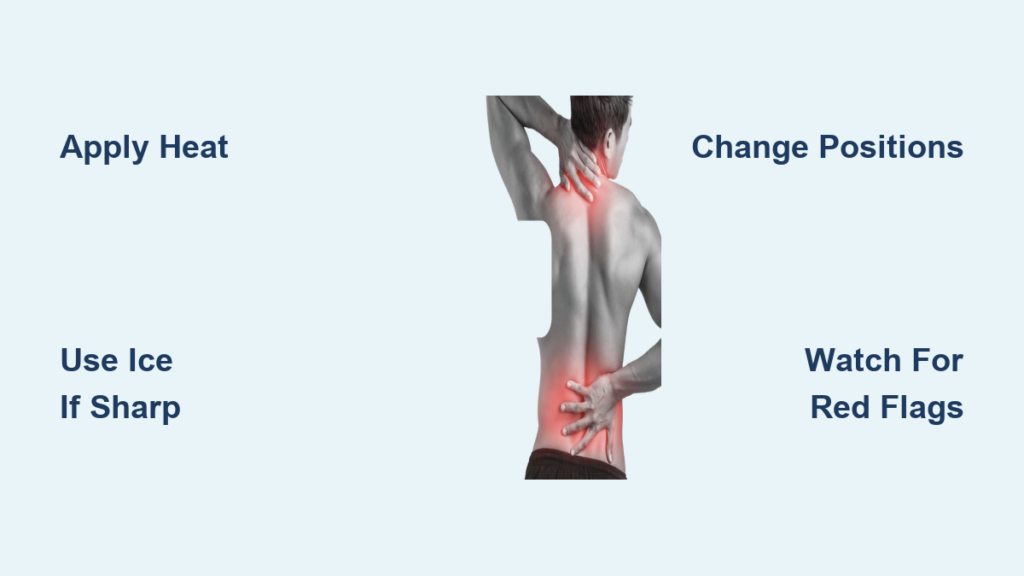
Apply heat immediately if you have deep muscle aching or stiffness:
– Use a heating pad on medium setting for exactly 15-20 minutes
– Repeat every 2-3 hours (never sleep with heating pad on)
– Microwave a damp towel for 60 seconds if no pad available—test temperature first
Reach for ice only with sharp, inflamed pain:
– Wrap ice pack in thin cloth for 15 minutes maximum
– Apply during acute pain spikes (not during chills)
– Stop immediately if skin turns red or numb—prevents tissue damage
Body Positioning That Reduces Pressure 50%
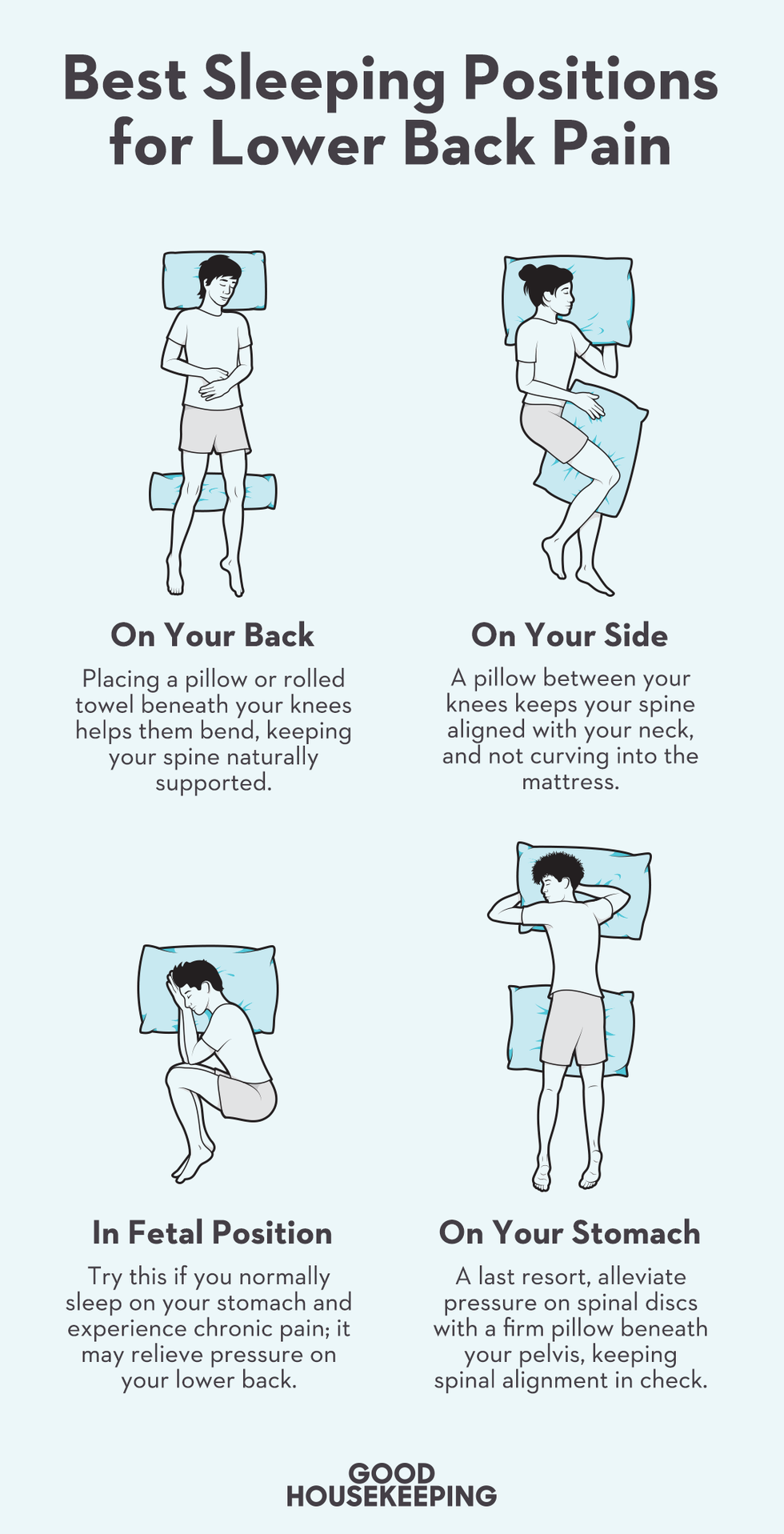
Never sleep flat on your back—this flattens spinal curves and strains muscles. Instead:
– Lie on your side with a pillow between knees to align hips
– Use a wedge pillow to recline at 30-45 degrees if lying down
– Sit in a recliner with lumbar roll behind lower back during wakeful hours
Pro Tip: Place a rolled towel under your knees when lying on your back temporarily—it reduces disc pressure by 30% immediately.
Medication Timing That Maximizes Relief
Take acetaminophen (Tylenol) first to lower fever and pain:
– 500mg dose every 6 hours (max 3,000mg daily)
– Wait 2 hours before adding ibuprofen for inflammation
Never combine NSAIDs like ibuprofen with blood thinners or kidney medications—check labels first. Hydrate with 1 full glass of water after each dose to protect your stomach.
Critical Warning Signs Needing ER Now
Stop Home Treatment If You Notice:
- Leg numbness or tingling that spreads downward
- Inability to control bladder/bowels (spinal emergency)
- Fever above 103°F with unrelenting back pain
- Neck stiffness with light sensitivity (possible meningitis)
- One-sided pain with nausea and urinary burning (kidney infection)
Call emergency services immediately if pain prevents standing or walking. Document your symptom timeline on your phone before leaving—this speeds ER diagnosis.
Targeted Movement to Prevent Stiffness
Safe Stretches During Fever

Knee-to-chest stretch (only if no dizziness):
– Lie on back, gently pull one knee toward chest
– Hold 15 seconds—stop if lightheaded
– Repeat 2 times per leg every 3 hours
Seated spinal twist in chair:
– Sit tall, place right hand on left knee
– Gently rotate torso left while breathing deeply
– Hold 10 seconds, repeat 3x daily
Never push through pain—these should feel like gentle releases, not stretches. Stop immediately if fever spikes during movement.
Professional Treatments Worth Pursuing
When to Schedule Urgent Care
Visit within 24 hours if:
– Pain persists beyond 48 hours of home treatment
– Fever returns after initially breaking
– You develop new weakness in legs
– OTC meds provide less than 50% relief
Bring this checklist to your appointment:
– Symptom timeline with fever readings
– List of medications and dosages
– Description of pain triggers (e.g., “worse when coughing”)
– Any urinary or neurological changes
Cost-Saving Diagnostic Approach
Start with these affordable tests (India pricing):
– Urine test (₹200-500) rules out kidney infection
– Basic blood work (₹500-1,500) checks infection markers
– X-ray (₹500-1,500) for structural issues—only if pain persists
Skip expensive MRI (₹3,000-8,000) unless neurological symptoms appear—most fever-related back pain resolves without imaging.
Prevent Pain From Lingering Post-Fever
While You’re Still Sick
- Change positions every 30 minutes—set phone alarms
- Cough properly: Bend knees, hug pillow against lower abdomen
- Hydrate with electrolyte water (1 tsp salt + 8 cups water)
- Do 1-minute seated stretches hourly to maintain mobility
During Recovery Phase
First 72 hours after fever breaks:
– Continue heat therapy for lingering stiffness
– Walk 5 minutes hourly while awake—prevents stiffness
– Sleep with pillow between knees for 1 week minimum
– Avoid lifting anything heavier than a coffee mug
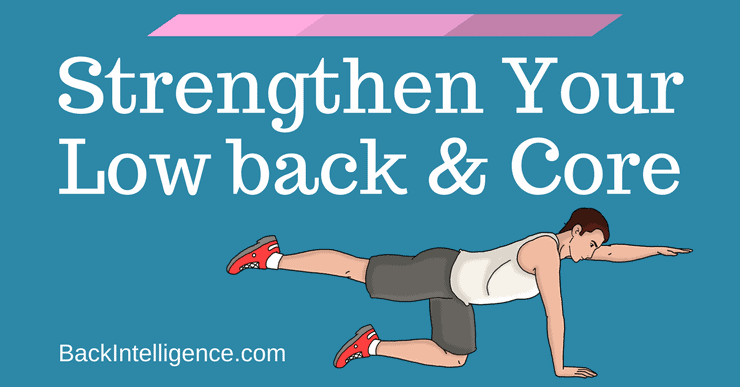
Start core exercises only when pain is below 3/10:
– Pelvic tilts lying down (10 reps hourly)
– Heel slides in bed (5 per leg, 3x daily)
– Wait 1 week before attempting planks
Special Case Protocols
For Post-COVID Back Pain
If pain persists 2+ weeks after fever:
– Prioritize rest—fatigue worsens muscle pain
– Use heat before gentle stretching to loosen tissues
– Try magnesium glycinate (400mg nightly)—reduces muscle cramps
– See physical therapist if pain lasts beyond 4 weeks
Kidney Infection Emergency Response
With one-sided pain + urinary symptoms:
– Drink 16oz water immediately
– Take prescribed antibiotics within 1 hour of diagnosis
– Avoid heat on abdomen—could spread infection
– Return for urine test after 48 hours to confirm treatment works
Realistic Recovery Timelines
Viral illness (flu, cold, mild COVID):
– Days 1-3: Severe pain during fever spikes
– Days 4-7: 70% improvement as fever breaks
– Full recovery: 10-14 days with consistent care
Bacterial infection (kidney, pneumonia):
– Days 1-2: Worsening pain despite home care
– Days 3-5: Noticeable relief after antibiotics start
– Full recovery: 3-6 weeks—complete full antibiotic course
Red flag: Pain unchanged after 48 hours of correct home treatment requires urgent reevaluation—don’t wait longer.
Your Emergency Prep Checklist
If severe symptoms hit:
– ✅ Text symptom timeline to family member
– ✅ Keep ID/insurance card by bedside
– ✅ Pre-load ER directions in phone GPS
– ✅ Arrange ride—never drive with severe back pain + fever
At the ER:
– Demand urine test immediately if one-sided pain
– Ask: “Could this be a kidney or spinal infection?”
– Refuse opioids—request acetaminophen IV instead for safer pain control
Most fever-related back pain responds dramatically to these precise home strategies within 24-48 hours. The critical keys are matching heat/cold therapy to your specific pain type, timing medications correctly, and recognizing when symptoms require professional intervention. Remember: consistent position changes and gentle movement prevent stiffness better than complete bed rest. If your pain persists beyond 48 hours despite following this protocol, seek medical evaluation immediately—early treatment prevents complications. Start with one heat application and a 5-minute walk today; you’ll likely feel relief before your next fever spike.