
Your dog used to leap onto the couch without hesitation, but now they hesitate at the bottom step, back slightly arched and tail tucked. That subtle change in behavior often signals the beginning of back pain—a condition affecting one in four dogs during their lifetime. While conventional treatments exist, more pet parents are discovering that natural approaches can provide significant relief without the side effects of heavy medications.
This comprehensive guide walks you through proven, veterinarian-approved natural methods to ease your dog’s back pain, from immediate home remedies to long-term lifestyle modifications. Whether your furry friend suffers from arthritis, disc disease, or simple muscle strain, you’ll learn exactly how to help them feel better using gentle, effective techniques.
Identify Subtle Back Pain Symptoms Before They Worsen
Spotting early signs of canine back pain prevents minor issues from becoming major emergencies. Your dog can’t tell you their spine hurts, but their body speaks volumes through subtle behavioral and physical changes.
Recognize Physical Warning Signs of Spinal Discomfort
Watch your dog’s posture carefully for an arched back held rigidly or a head carried lower than usual, which often indicates spinal discomfort. Many dogs develop a “bunny-hopping” gait where both back legs move together instead of alternating. You might notice them taking shorter steps or hesitating before jumping onto furniture they previously conquered easily. Muscle spasms along the spine, knuckling of paws, or an unsteady gait all signal potential back problems that need attention.
Detect Behavioral Red Flags Indicating Pain
Pain changes personalities. Your normally social companion may withdraw from family activities or become irritable when touched along their spine. Excessive panting when resting, restlessness at night, or a sudden disinterest in walks signal something’s wrong. Some dogs lose their appetite entirely, while others eat but seem uncomfortable doing so. If your dog suddenly resists being brushed or groomed along their back, this could indicate developing pain that needs addressing.
Determine When Natural Home Care Is Safe for Your Dog
Not every back pain situation requires emergency veterinary intervention. Understanding the difference between manageable discomfort and medical emergencies helps you make informed decisions about how to relieve dog back pain naturally.
Identify Cases Suitable for Natural Treatment at Home
Mild stiffness after vigorous play, normal appetite and bathroom habits, comfortable tail wagging, and the ability to walk without wobbling indicate you can start with natural remedies. These cases typically involve muscle strain or mild arthritis flare-ups that respond well to home care. Your dog should still be able to stand, walk, and control their bladder and bowels without assistance.
Recognize Emergency Situations Requiring Immediate Veterinary Care
Seek emergency care if your dog cannot walk or stand, drags their back legs, loses bladder or bowel control, or shows severe pain when their spine is touched. Progressive weakness, yelping without being touched, or complete paralysis demands immediate veterinary attention. Never attempt natural remedies for these serious conditions without professional guidance.
Apply Immediate Cold Therapy for Acute Back Pain Relief
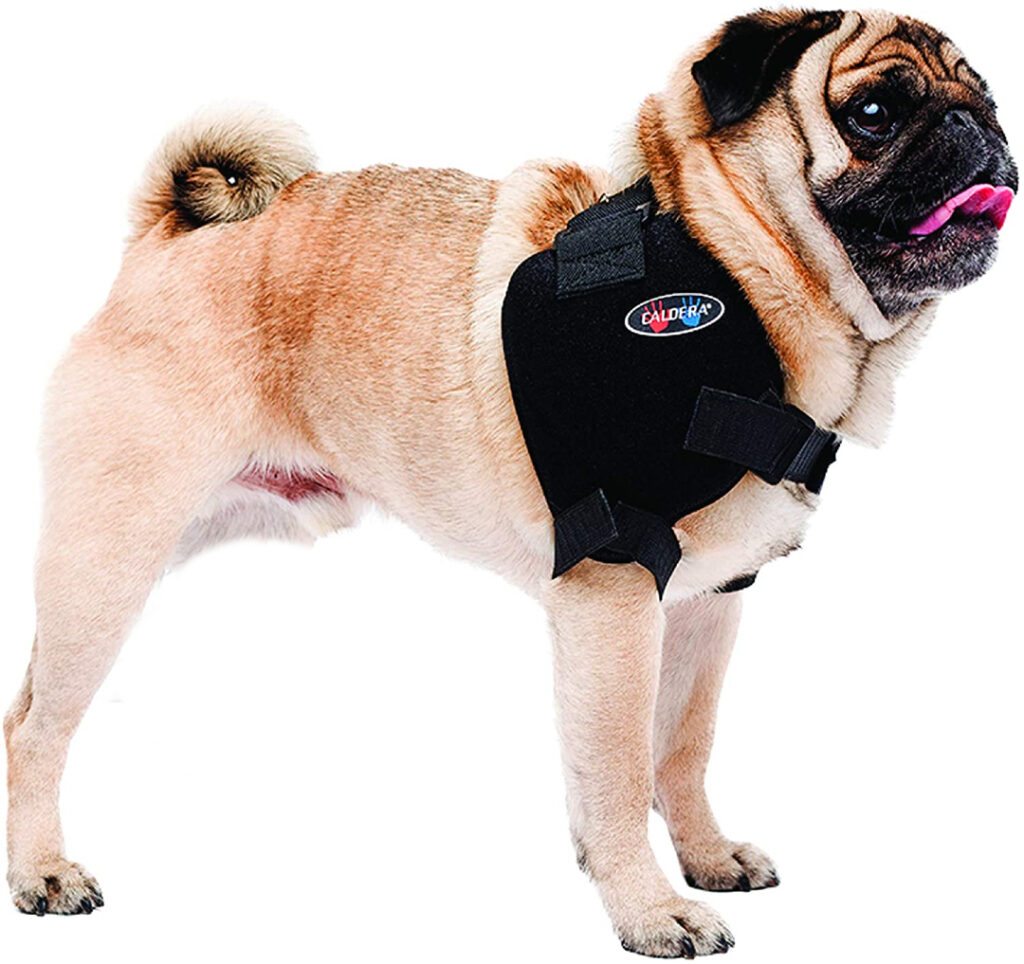
For recent injuries or sudden flare-ups, cold therapy provides immediate inflammation reduction and muscle spasm relief within the first 72 hours.
Proper Cold Application Technique for Your Dog’s Spine
Wrap a flexible ice pack or bag of frozen peas in a thin towel—never apply ice directly to your dog’s skin. Place the wrapped cold pack along the affected spinal area for 10-15 minutes, 2-3 times daily. Your dog may initially resist, but most relax as the cooling sensation takes effect. For dogs with thick coats, gently part the fur to ensure the cold reaches the skin effectively.
Critical Cold Therapy Safety Guidelines
Stop immediately if your dog shivers excessively or tries to move away. Never use cold therapy on open wounds or areas with poor circulation. Monitor your dog closely during treatment to ensure they remain comfortable. Cold therapy should always be the first response to acute back pain before considering heat applications.
Implement Gentle Heat Therapy for Chronic Back Pain Management

After the initial 72-hour acute phase, controlled heat therapy soothes chronic muscle tension and arthritis-related discomfort in dogs with ongoing back issues.
Precise Heat Application Method for Maximum Benefit
Use a warm—not hot—compress or heating pad set on low. Test the temperature on your inner wrist first; it should feel comfortably warm, not hot. Apply for 10 minutes once or twice daily, always monitoring your dog’s comfort level. You can place the heat source on top of a thin towel between your dog and the heating pad for added safety.
Essential Heat Therapy Precautions to Avoid Harm
Never use heat on fresh injuries or suspected disc extrusions, as this can worsen inflammation. Avoid heat entirely if your dog has decreased sensation or cannot move away if the temperature becomes uncomfortable. Heat therapy works best for chronic conditions like arthritis, not for new injuries.
Maximize Mobility with Red Light Therapy Sessions
Photobiomodulation therapy uses specific wavelengths of red and near-infrared light to stimulate cellular healing and reduce pain at the source without medication.
How Red Light Therapy Heals Your Dog’s Spine
Red light therapy penetrates through fur and skin to reach damaged tissues, stimulating mitochondria—the powerhouses of cells—to produce more energy. This increased cellular activity reduces inflammation, improves blood flow, and accelerates natural healing processes. Most dogs show improvement within 3-5 sessions, with significant mobility gains after 2-3 weeks.
Home Treatment Protocol for Optimal Results
Use veterinary-designed LED pads or handheld units (635-850 nm wavelength) for 3-8 minutes per treatment area, depending on your dog’s fur density. Start with daily sessions for 7-10 days, then reduce to 3 times weekly for maintenance. Always follow manufacturer instructions and avoid shining lights directly into your dog’s eyes.
Introduce Weight Management as a Foundation for Back Pain Relief
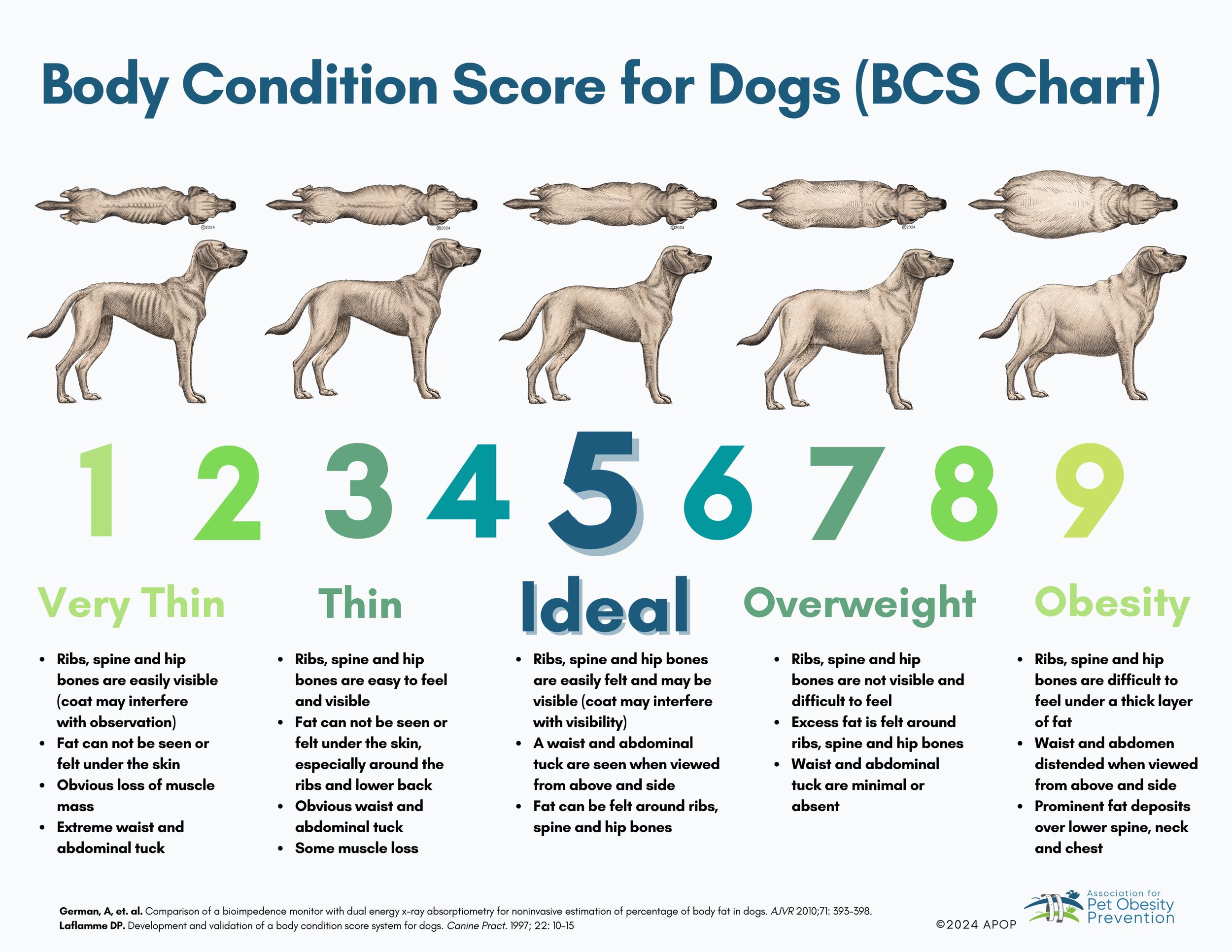
Excess weight dramatically increases spinal stress, making weight control a cornerstone of natural back pain management that delivers immediate results.
Accurately Assess Your Dog’s Body Condition
Aim for a body condition score of 4-5 out of 9. You should feel your dog’s ribs under a light fat cover, and see a visible waist when viewed from above. If you can’t feel ribs easily, your dog likely carries excess weight that’s straining their spine. Regular weigh-ins help track progress and keep you motivated.
Implement Safe Weight Loss Strategies
Reduce daily calories to 80-90% of maintenance requirements, but never below 70%. Weigh portions precisely using a kitchen scale. Target 0.5-2% body weight loss per week maximum. Combine dietary changes with appropriate low-impact exercise like short leash walks. Even modest weight loss (5-10%) significantly reduces spinal stress and improves mobility.
Create an Effective Natural Supplement Stack for Spinal Health

Strategic supplementation provides building blocks for joint health and reduces inflammation throughout your dog’s body without pharmaceutical side effects.
Essential Supplement Combinations That Work
Glucosamine and Chondroitin (15-30 mg/kg daily) rebuild cartilage and lubricate joints. Combine multiple forms—chewables, liquids, powders—for best absorption. Allow 4-6 weeks for noticeable effects. Omega-3 fatty acids (50-100 mg/kg EPA+DHA daily) from fish oil or green-lipped mussel reduce inflammation throughout the body. Sardine and mackerel oils provide the best balance of effectiveness and purity.
Anti-Inflammatory Herbs for Targeted Relief
Boswellia serrata (5-10 mg/kg daily) offers anti-inflammatory effects comparable to NSAIDs in some studies. Turmeric (15-20 mg/kg curcumin daily) provides powerful antioxidant benefits, but avoid in dogs on blood thinners or those with “hot” constitutions. Always introduce new supplements one at a time to monitor for reactions.
Modify Your Home Environment to Prevent Further Back Strain
Simple modifications to your dog’s environment can prevent additional injury and reduce daily pain triggers that exacerbate back problems.
Install Non-Slip Flooring Solutions
Place non-slip yoga mats or carpet runners along common pathways, especially near food bowls and favorite resting spots. This prevents slipping that can jar the spine and cause additional pain. Hardwood and tile floors become hazardous when your dog has back pain, so covering these areas is essential for safety.
Add Accessibility Features for Pain-Free Movement
Install ramps (18-20° incline) for access to furniture or vehicles. Use help-em-up or rear-support harnesses for dogs needing assistance with stairs or bathroom breaks. Block stair access during flare-ups with baby gates. These modifications reduce the physical stress on your dog’s spine during everyday activities.
Follow a Progressive Recovery Timeline for Back Pain Relief
A structured timeline ensures you’re applying the right therapies at the right time for optimal healing without rushing the recovery process.
First Two Weeks: Acute Phase Protocol
During weeks 1-2 of back pain, implement strict crate rest for 23 hours daily with only leash walks for bathroom breaks. Apply cold therapy 2-3 times daily and consider veterinary acupuncture twice weekly. Start CBD oil twice daily at low doses (0.1-0.3 mg/kg) and add magnesium glycinate supplement to support muscle relaxation.
Weeks 3-8: Rehabilitation and Strengthening Phase
As pain decreases, introduce red light therapy daily and hydrotherapy once weekly. Begin gentle chiropractic adjustments and controlled leash walks. Gradually increase exercise duration while continuing all supplements and therapies. Monitor progress weekly using specific functional milestones like comfortable tail wagging by week 2 and climbing 2-3 stairs unaided by week 4-6.
Key Takeaway: Learning how to relieve dog back pain naturally requires a multi-pronged approach that addresses both immediate symptoms and long-term spinal health. By combining targeted therapies like cold application, weight management, strategic supplementation, and environmental modifications, most dogs experience significant pain reduction without heavy medication. Start with the basics—proper pain recognition, weight control, and appropriate cold therapy—then layer in advanced treatments as needed. Always consult your veterinarian before beginning any new pain management protocol to ensure it’s appropriate for your dog’s specific condition and stage of recovery. With consistent application of these natural methods, your beloved companion can regain mobility and return to enjoying life with less pain.