
That sharp twinge shooting from your lower back through your hips to your buttocks isn’t just discomfort—it’s your body’s urgent warning that something’s wrong. Whether you’re a desk-bound professional or an active gym-goer, this guide delivers proven techniques for how to relieve hip lower back and buttock pain at its source. Forget temporary fixes; you’ll discover targeted stretches, strengthening moves, and daily habits that address the interconnected root causes of your discomfort. Most people mistakenly treat these areas separately, but true relief comes from understanding how these regions work as a single functional unit.
This persistent pain often stems from muscle imbalances, prolonged sitting, or underlying conditions like arthritis that create a domino effect across your lower body. The good news? Consistent, targeted movement can reverse these patterns. In the next few minutes, you’ll learn how to identify your specific pain pattern, implement immediate relief strategies, and build a sustainable routine that prevents future flare-ups. These evidence-based techniques work whether you’re dealing with acute discomfort or chronic pain.
Why Your Hips, Back and Buttocks Hurt Together
Prolonged Sitting Creates Nerve Compression
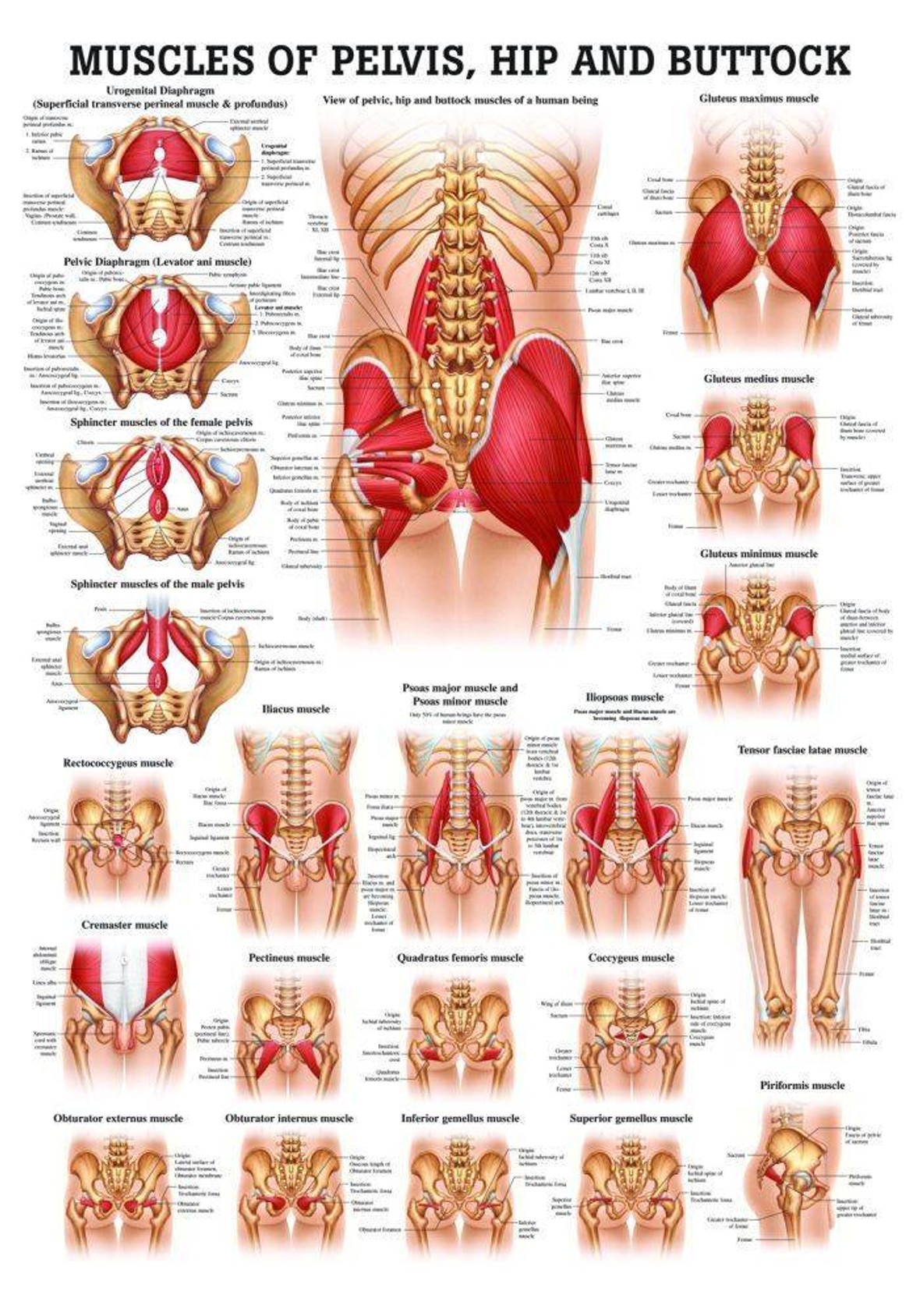
Sitting for extended periods on hard surfaces directly triggers piriformis muscle tightening, which squeezes your sciatic nerve and creates that familiar buttock pain radiating down your leg. Your hamstrings also shorten from constant chair positioning, pulling on your sit bones and generating localized discomfort. Key damage mechanisms include:
- Direct pressure points from unforgiving seating surfaces
- Sciatic nerve compression due to piriformis tightness
- Hamstring shortening affecting sit bone attachments
- Bursae inflammation from sustained pressure on hip bones
Arthritis Amplifies Pain Patterns
Arthritic conditions in your hips or spine frequently manifest as buttock pain through interconnected pathways. Hip joint arthritis refers pain directly to the buttock region, while spinal arthritis alters your movement mechanics, straining surrounding muscles. Inflammatory processes simultaneously affect multiple joint systems, creating a complex pain web that requires integrated solutions rather than isolated treatments.
Psoas Muscle Dysfunction Causes Cascading Effects
Your psoas muscle—connecting your mid-spine to your hip and inner thigh—functions as both hip flexor and posture stabilizer. When this critical muscle becomes dysfunctional, it creates a cascade of issues including radiating lower back pain, hip stiffness, knee discomfort from altered gait, and even sciatica symptoms. This single muscle’s dual role explains why pain often spreads across multiple regions simultaneously.
Quick Pain Assessment Steps
Identify Your Dominant Pain Pattern
Buttock-focused pain indicators:
– Sharp discomfort when standing after sitting
– Pain radiating down the back of your leg
– Tenderness directly on sit bones
– Worsening with prolonged chair use
Hip-dominant symptoms:
– Lateral hip pain during stair climbing
– Groin aching from osteoarthritis
– Stiffness after inactivity periods
– Reduced range during daily movements
Lower back primary signs:
– Muscle spasms along the spine
– Pain with forward bending
– Morning stiffness lasting over 30 minutes
– Relief with gentle walking
Critical Warning Signs Needing Medical Attention
Seek immediate professional evaluation if you experience:
– New numbness or weakness in legs
– Changes in bowel or bladder function
– Pain persisting beyond two weeks despite home care
– Significant disruption to daily activities
Essential Daily Stretching Routine
Supine Floor Sequence
Single Knee Pull Technique
Lie flat with legs extended. Pull your right knee toward your chest while pressing your left leg straight. Hold your thigh—not your knee—and flex your left foot strongly to engage hip flexor stretching. Maintain the stretch for 30 seconds before switching sides. This simultaneously targets your lower back and buttock region.
Piriformis Pretzel Stretch
Cross your left ankle over your right thigh above the knee. Grasp behind your right thigh and gently pull toward your chest until you feel deep stretching in your left hip and buttock. If you can’t reach comfortably, loop a towel around your thigh. Hold 30 seconds per side—this is your most effective move for sciatic nerve relief.
Dynamic Movement Patterns
Knee Rotations
Lie on your back with knees bent and feet flat. Gently rotate your knees side to side like windshield wipers. Keep movements small and controlled—this isn’t about range but gentle joint mobilization. Complete 10 rotations each direction for 3 sets to restore hip mobility without strain.
Happy Baby Pose
Lift your feet toward the ceiling, then let your knees fall open wide. Grasp the outside of your feet, pulling gently downward while pressing your lower back into the floor. Hold for 10 seconds and repeat 3 times to release deep hip tension.
Strengthening for Long-Term Relief

Bridge Progression
Basic Bridge Execution
Lie with knees bent and feet hip-width apart. Press through your heels to lift your hips until your body forms a straight line from shoulders to knees. Squeeze your glutes at the top, then lower slowly. Complete 10 repetitions for 3 sets to rebuild crucial lower back and glute strength.
Advanced Variations
Once comfortable with the basic bridge, progress to single-leg bridges for greater glute activation. Hold the top position while adding small pulses, or perform alternating leg lifts during the bridge position. These advanced moves create the stability needed to prevent future pain episodes.
Core Stability Essentials
Bird Dog Positioning
Start on hands and knees. Extend your right arm forward while simultaneously extending your left leg back. Keep your core engaged and back flat—imagine balancing a glass of water on your lower back. Hold for 5 seconds before switching sides. Complete 10 repetitions per side to stabilize your spine and reduce lower back strain.
Standing and Kneeling Mobility
Hip Flexor Release
Kneeling Lunge Stretch
Kneel on your left knee with your right foot forward in a 90-degree angle. Place hands on your right thigh and gently press your left hip forward. You’ll feel stretching along the front of your left hip and thigh. Hold 30 seconds per side—this directly counters sitting-induced tightness.
IT Band Focus
Standing Wall Stretch
Stand beside a wall with your left side closest. Cross your right leg behind your left and lean your hips toward the wall while keeping both feet planted. Avoid twisting at your waist. Hold 30 seconds per side to relieve lateral hip tension that often refers pain to your lower back.
Daily Movement Strategies
Workstation Modifications
Immediate Sitting Solutions:
– Use a cushion with a sit-bone cutout to reduce pressure
– Set hourly movement reminders for quick stretches
– Position your screen at eye level to prevent forward head posture
– Alternate between sitting and standing every 30 minutes
Critical Movement Breaks:
Perform 60 seconds of knee rotations or seated spinal twists every hour. This micro-movement prevents the muscle tightening that leads to pain flare-ups.
Sleep Position Optimization
For Side Sleepers:
Place a firm pillow between your knees to maintain hip alignment. Choose a medium-firm mattress that supports your natural spinal curve without sagging at your waist.
For Back Sleepers:
Place a small pillow under your knees to reduce lower back pressure. Ensure your pillow supports your neck without pushing your head forward—your spine should remain neutral.
When Professional Help Matters
Medical Consultation Triggers
Consult your doctor immediately if you experience:
– Pain lasting beyond two weeks despite consistent home care
– Radiating pain with numbness or weakness
– Significant sleep disruption
– Pain following trauma or injury
Specialist Value:
Physical therapists provide personalized exercise modifications and manual therapy techniques after assessing your specific movement patterns. They’ll identify hidden imbalances you might miss in home routines.
Safe Progression Guidelines
Initial Approach: Start slowly with gentle movements only
Pain Monitoring: Stop any exercise increasing joint pain
Adjustment Protocol: Reduce intensity if pain persists 48 hours post-exercise
Arthritis Integration: Continue prescribed medications while adding these exercises—movement often enhances medical treatment effectiveness
Long-Term Prevention Plan
Consistent Integration Strategy
Morning Routine: Begin each day with 5 minutes of supine stretches before getting out of bed to prevent morning stiffness.
Evening Wind-Down: End your day with kneeling hip flexor stretches and bridges to counteract daily sitting effects.
Maintenance Schedule:
– Daily: 2-3 quick stretches during work breaks
– Weekly: Full 20-minute routine 3-4 times
– Monthly: Reassess your routine based on progress
Remember that consistent gentle movement trumps occasional intense sessions. Your body responds to regular input—make these exercises part of your daily rhythm rather than a chore. Start today with just the single knee pull stretch, and gradually build your personalized pain-relief routine. Within weeks of consistent practice, you’ll notice significant improvements in how to relieve hip lower back and buttock pain at its source. The key is not intensity but intelligent, targeted movement performed consistently—your path to lasting relief starts with this very first stretch.