

That sharp twinge when you bend to tie your shoes or the persistent ache that follows you through your workday—right lower back pain disrupts everything from simple tasks to your quality of life. Whether it started after lifting something heavy, sitting too long at your desk, or seemingly out of nowhere, this specific type of discomfort requires targeted solutions. Most right lower back pain responds well to the right combination of immediate relief techniques and strategic movement.
The key to effectively how to relieve right lower back pain lies in understanding what’s causing your specific discomfort and matching your treatment accordingly. This guide delivers exactly what you need—proven methods that address the root cause, not just mask the symptoms. You’ll discover when to use ice versus heat, which stretches provide instant relief, and how to prevent future flare-ups before they start.
Why Your Right Lower Back Pain Won’t Go Away
Muscle strains from improper lifting or sudden twisting top the list of culprits for right-sided back pain. When you lift with your back instead of your legs, those small tears in muscle fibers create localized pain that worsens with movement. Herniated discs pressing on the right-side spinal nerves generate that unmistakable burning sensation shooting down your leg—a classic sign of sciatica you can’t ignore.
Kidney issues require immediate attention on the right side. Unlike muscular pain, kidney stones or infections often include fever, nausea, or changes in urination. Don’t ignore these warning signs—seek medical care promptly if your back pain comes with these additional symptoms.
Decoding Your Pain Pattern for Faster Relief
Sharp, localized pain that intensifies when pressing on a specific spot usually indicates a muscle or ligament problem. This type of pain responds best to initial ice therapy followed by gentle stretching. Radiating pain that travels down your right leg signals nerve compression—immediately stop any twisting movements and focus on nerve-gliding exercises.
Burning sensations often mean inflammation around a nerve root, while deep, constant aches typically point to joint arthritis or chronic muscle tension. Understanding your specific pain pattern helps you select the most effective relief strategy without wasting time on approaches that won’t work for your condition.
Step-by-Step Pain Relief Protocol for Right-Side Discomfort
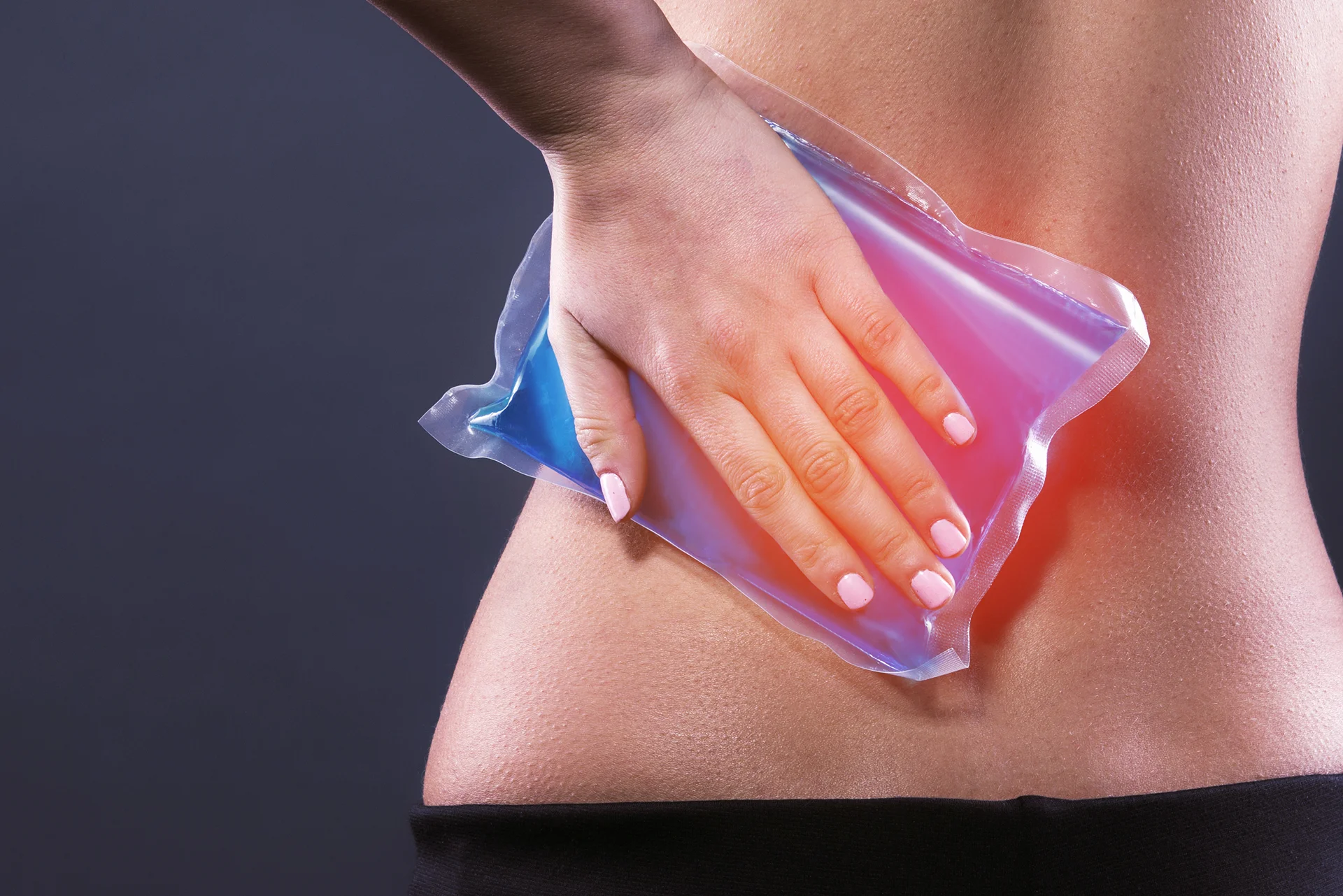
Ice and Heat Therapy Timing That Actually Works
Apply ice packs wrapped in a thin towel directly to your right lower back for 15-20 minutes every 2-3 hours during the first 48 hours. This reduces inflammation at the source of your pain. Crucial tip: Never apply ice directly to skin—always use a barrier to prevent frostbite.
After two days, switch to moist heat therapy. A warm bath or heating pad set on medium for 15-20 minutes increases blood flow to tight muscles. For stubborn pain, try contrast therapy: 5 minutes of heat followed by 2 minutes of cold, repeated 3 times. This creates a pumping action that flushes inflammatory compounds while delivering healing nutrients.
Optimal Rest Positions That Promote Healing
Lie on your back with knees bent and feet flat, placing a pillow under your knees to reduce spinal pressure by nearly 50%. This position takes the load off irritated structures on your right side. If you prefer side-lying, place a firm pillow between your knees to maintain hip alignment—this prevents your right hip from rotating inward and aggravating the pain.
Critical mistake to avoid: Sleeping on your stomach twists your lower spine and worsens right-side pain. Limit total bed rest to 1-2 days—beyond this, inactivity actually increases stiffness and delays recovery. Gentle movement within pain-free ranges stimulates healing.
Smart Medication Strategy for Maximum Effect
For the first 72 hours, NSAIDs like ibuprofen (400mg every 8 hours with food) tackle both pain and inflammation simultaneously. If you can’t tolerate NSAIDs, acetaminophen (1000mg every 6 hours) provides pain relief without anti-inflammatory benefits. Pro tip: Apply topical menthol cream to your right lower back 30 minutes before stretching—this creates a cooling sensation that temporarily blocks pain signals.
Avoid taking pain medication just before exercise—this masks important feedback from your body and risks further injury. Use medications strategically during rest periods, not as permission to overdo activity.
Targeted Stretches That Silence Right Lower Back Pain
Knee-to-Chest Stretch for Immediate Relief
Lie on your back with both knees bent. Gently pull your right knee toward your chest using both hands, keeping your left foot flat on the floor. Hold for 20-30 seconds until you feel a gentle release in your right lower back and hip. Breathe deeply—exhale as you pull the knee closer. Repeat 4 times, taking 10-second rests between repetitions.
This stretch targets the piriformis muscle, which often refers pain to the right lower back when tight. Stop immediately if you feel pain radiating down your leg—this indicates nerve irritation requiring different treatment.
Spinal Decompression Sequence
Start on hands and knees in a tabletop position. Inhale to prepare, then exhale while slowly sitting back toward your heels into Child’s Pose, arms extended forward. Hold for 45 seconds, focusing on relaxing your right lower back. Return to tabletop position, then arch your back upward (Cat Pose), tucking your chin to your chest.
Repeat this Cat-Camel sequence 8 times, moving slowly with your breath. This gentle spinal mobilization creates space between vertebrae, reducing pressure on compressed structures causing your right-side pain.
Supine Spinal Twist for Deep Tissue Release
Lie on your back with arms out in a T-position and knees bent. Keeping both shoulders flat on the floor, slowly lower both knees to your left side. Hold for 25 seconds, feeling a controlled stretch along your right lower back. Return to center, then repeat on the other side.
Key insight: Place a pillow under your knees if they don’t reach the floor—this prevents strain. This stretch targets the multifidus muscles along your spine that often become imbalanced, contributing to one-sided back pain.
Core Strengthening Moves That Prevent Recurrence
Pelvic Tilt Foundation Exercise
Lie on your back with knees bent and feet flat. Tighten your lower abdominal muscles to press your lower back into the floor, imagining zipping up a tight pair of jeans. Hold for 8 seconds while breathing normally, then release slowly. Complete 12 repetitions twice daily.
This seemingly simple movement activates your transverse abdominis—the body’s natural corset that supports your spine. Weakness here forces your lower back muscles to overwork, leading to right-side pain during everyday movements.
Bird Dog Progression for Spinal Stability
Start on hands and knees with wrists under shoulders and knees under hips. Engage your core, then slowly extend your right arm forward and left leg back until parallel with the floor. Hold for 7 seconds without letting your hips rotate. Return to start and repeat 8 times before switching sides.
Critical form check: Keep your neck in line with your spine—don’t look up. This exercise builds coordination between deep core muscles and spinal stabilizers, preventing the muscle imbalances that cause one-sided back pain.
Professional Help Thresholds You Shouldn’t Ignore
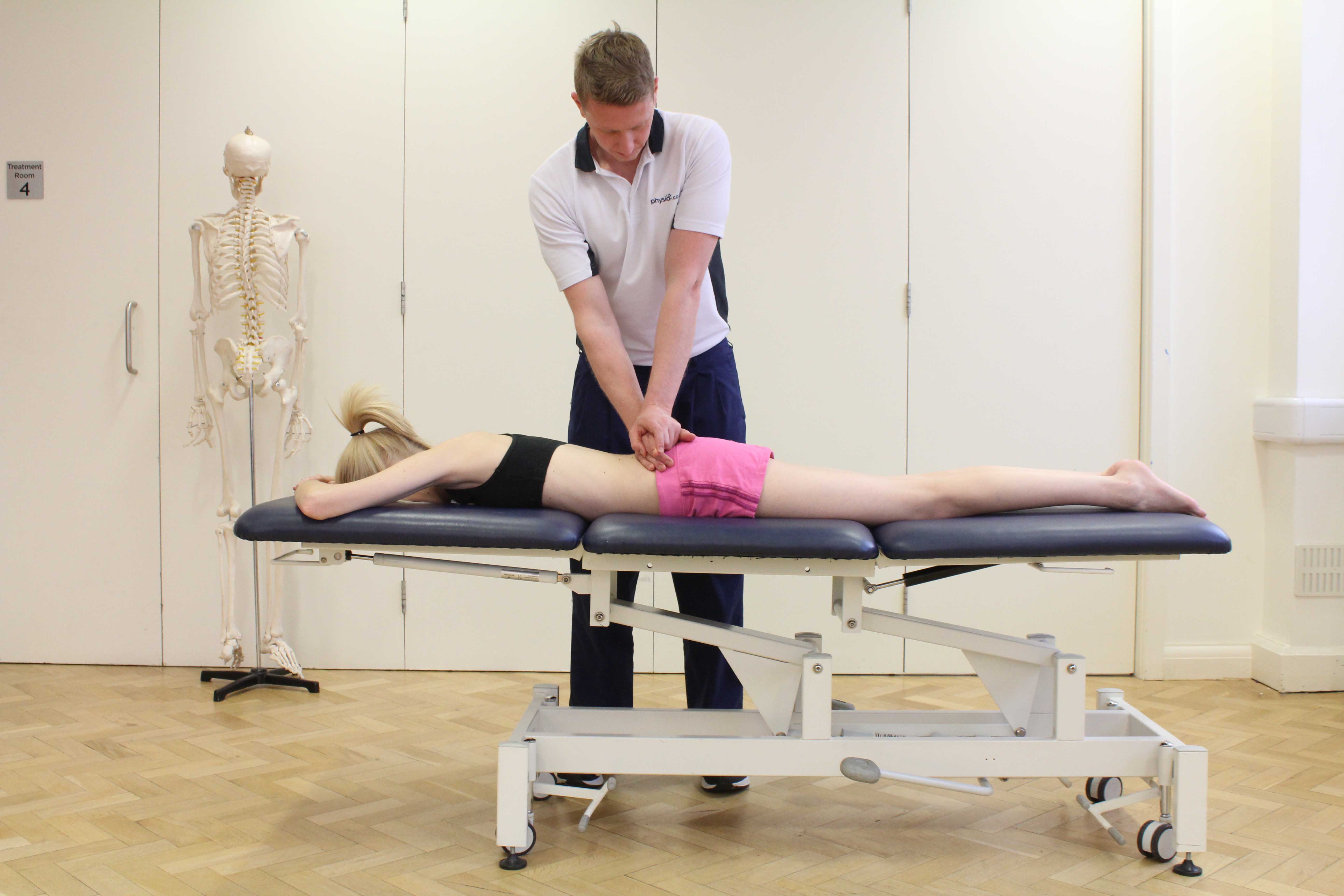
When to Seek Physical Therapy Immediately
Consult a physical therapist if your right lower back pain persists beyond 10 days despite home treatment, worsens with specific movements, or limits your ability to perform daily activities. A skilled therapist will identify movement patterns contributing to your pain and provide manual therapy to restore joint mobility.
Red flag symptoms requiring immediate medical attention: Numbness in your groin area, loss of bladder control, fever with back pain, or progressive leg weakness. These indicate serious conditions needing urgent evaluation.
Smart Prevention Habits That Keep Pain Away
Practice hip-hinging whenever bending—push your hips back while keeping your spine straight. When lifting, keep objects close to your body and use your legs, not your back. Take micro-breaks every 25 minutes during desk work to reset your posture.
Invest in a lumbar support cushion for your office chair and position your computer screen at eye level. Replace worn-out shoes that contribute to poor alignment. These small changes prevent the cumulative strain that leads to right lower back pain flare-ups.
Right lower back pain responds best to a strategic approach that combines immediate relief with long-term solutions. Start with targeted ice therapy followed by specific stretches that address your pain pattern. Incorporate core strengthening exercises as pain decreases, and modify daily movements to prevent recurrence. Most people achieve significant improvement within 3-6 weeks when consistently applying these techniques.
Remember that how to relieve right lower back pain effectively requires matching your treatment to your specific pain pattern—what works for radiating nerve pain won’t help a simple muscle strain. If your pain persists beyond two weeks or includes any red flag symptoms, seek professional evaluation. Your spine deserves precise care, not guesswork, to restore pain-free movement and prevent future episodes.