

That stabbing sensation in your lower back can hit without warning—whether you bent to pick up your child, twisted while reaching for a tool, or simply stood up from your desk chair. When sharp lower back pain locks your muscles and makes every movement excruciating, you need actionable solutions now, not theoretical advice. The good news? Most acute episodes resolve within days to weeks when you apply the right immediate interventions. This guide delivers precisely what you need: proven positioning techniques, activity modifications that accelerate healing, and clear warning signs requiring urgent care—all based on clinical protocols used by pain specialists.
You’ll discover how to stop the pain cycle within 20 minutes using strategic body positioning, avoid the #1 mistake that turns minor strains into chronic issues (hint: it’s not what you think), and follow a precise 6-week recovery roadmap. Most importantly, you’ll learn when to trust home treatment versus when to demand professional imaging—saving you unnecessary ER visits or dangerous delays.
Pinpoint Your Exact Pain Cause in 5 Minutes
Sharp vs Dull Back Pain: Critical Differences
Sharp lower back pain feels like a knife stab or electric shock that immobilizes you instantly—this signals acute muscle strain or ligament damage, not gradual wear-and-tear. Unlike dull aches that build slowly from poor posture, sharp pain often radiates down your leg or hip and may cause leg weakness or foot numbness. Key visual cue: If touching one specific spot on your lower spine triggers lightning-bolt pain, you’re dealing with localized tissue injury rather than systemic inflammation. This distinction determines whether you need emergency care or can safely self-treat.
Common Onset Triggers You Must Identify
Your pain likely exploded after one of these four scenarios—knowing which helps target your relief strategy:
– Heavy lifting mishaps: Twisting while hoisting objects (even grocery bags) tears supporting muscles
– Sudden directional shifts: Reaching for a falling item or jerking to avoid collision
– Prolonged static positions: Sitting at a desk or driving without micro-movements for over 30 minutes
– Direct trauma: Slips, falls, or sports impacts that compress spinal structures
Mistake to avoid: Assuming all “back pain” is identical. Trying yoga stretches for a ligament tear (common after sudden twists) can worsen damage—always match treatment to your trigger.
Emergency Warning Signs Requiring Same-Day Care
Call 911 immediately if your sharp lower back pain follows a severe fall or car accident—this could indicate spinal fracture. Also seek urgent care if you experience:
– Loss of bowel/bladder control
– Numbness in your saddle area (inner thighs/buttocks)
– Progressive leg weakness making stairs impossible
Pro tip: Press your palm firmly on the painful spot. If it feels hot and swollen like a bruise, apply ice now; if stiff and tight like a rope, use heat instead.
Instant Pain-Relief Positions You Can Do Right Now

Sleep Position Fixes That Work Tonight
For side sleepers: Curl into fetal position with a firm pillow wedged between your knees—this prevents pelvic tilt that strains lumbar ligaments. Keep your top knee bent at 90 degrees and pull it toward your chest; your lower leg should stay straight. You’ll know it’s correct when pressure vanishes from your right hip (if sleeping on left side) or left hip (if on right).
For back sleepers: Place a rolled towel under your knees—not a thick pillow—to maintain the spine’s natural 30-degree curve. The towel should be 4-5 inches high; if your lower back arches off the mattress, it’s too low. This position reduces disc pressure by 50% within 15 minutes.
Daily Position Modifications for Immediate Relief
- Standing: Distribute weight equally on both feet with knees slightly bent—never lock them. Shift weight every 30 seconds by rocking heel-to-toe.
- Sitting: Use a lumbar roll (or rolled towel) at belt-buckle height. Your hips should sit 1-2 inches higher than knees. Set phone timer for 20-minute intervals to stand briefly.
- Driving: Adjust seat so knees bend at 110 degrees (not 90). Place a small cushion behind your lower back to prevent slumping during stops.
Visual cue: If you catch yourself gripping the steering wheel during turns, your back is bracing against pain—stop and reposition immediately.
Activity Management Protocol: The 6-Week Healing Schedule
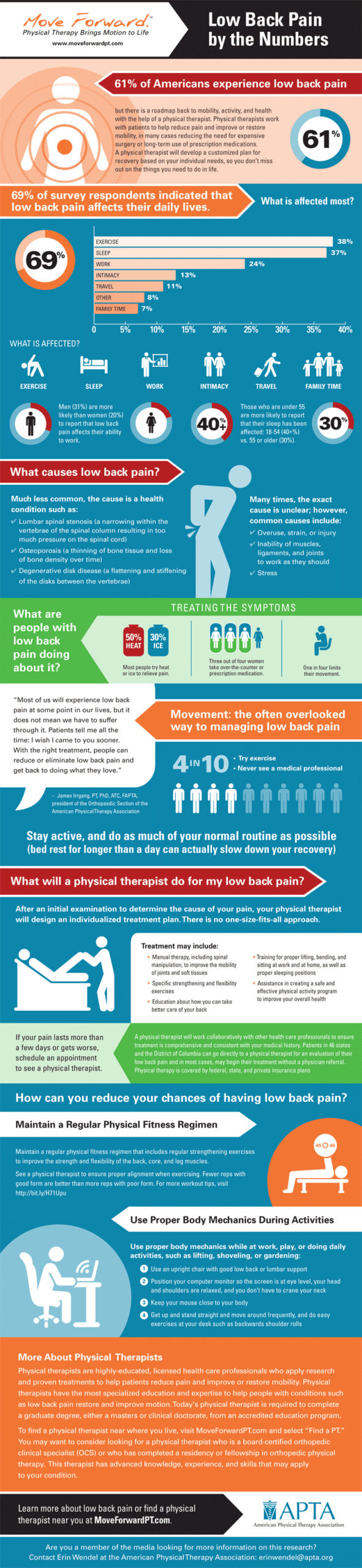
First 48 Hours: Reduce, Don’t Stop Movement
Critical error: Complete bed rest worsens recovery by weakening supporting muscles. Instead:
– Walk for 2-3 minutes every hour on flat surfaces
– Stop before pain spikes (if you limp, you’ve overdone it)
– Ice for 15 minutes hourly during first 24 hours
Time estimate: Most feel 30% improvement within 48 hours using this approach versus 72+ hours with bed rest.
Week 1-2: Gradual Activity Reintroduction
After initial sharpness fades:
– Increase walking by 5 minutes daily
– Avoid sitting longer than 30 minutes
– Test bending by hinging at hips (not waist) to pick up light objects
Red flag: Sharp pain returning during activity means you progressed too fast—drop back to previous day’s intensity.
6-Week Rule for Heavy Tasks
For full tissue healing:
– Weeks 1-2: Nothing over 5 lbs (like a laptop)
– Weeks 3-4: Nothing over 10 lbs (grocery bag)
– Weeks 5-6: Nothing over 15 lbs (laundry basket)
Pro tip: When lifting allowed weights, keep elbows tucked and load against your sternum—never let objects dangle away from your body.
Professional Treatment Timeline: When to Seek Help
When to See Your Doctor (Not Urgent Care)
Schedule within 72 hours if:
– Pain persists beyond 10 days despite home care
– Leg numbness appears after back pain starts
– Pain wakes you nightly for 3+ consecutive nights
Avoid unnecessary ER visits: 85% of acute back pain resolves without imaging—doctors typically wait 4-6 weeks before ordering MRIs unless red flags exist.
Specialist Referral Process Explained
Your primary doctor may send you to:
– Physiatrist: For comprehensive rehab plans (covered by most insurance after 4 weeks of unresolved pain)
– Orthopedist: Only if imaging confirms structural damage like herniated discs
Key insight: Just 2-3 specialist visits often provide 70% pain reduction through targeted exercises—they’re not “last resort” care.
Diagnostic Process: What to Expect at the Doctor
Initial Assessment Steps That Predict Recovery
Doctors diagnose through:
– Pain mapping: Rating intensity on 0-10 scale while moving in specific directions
– Onset timeline: “Did pain start during lifting or after?” determines muscle vs. ligament injury
– Functional testing: Can you walk on heels? This checks nerve involvement.
What they won’t do: Order immediate X-rays unless trauma occurred—most soft-tissue injuries won’t show on imaging anyway.
Physical Examination Focus Areas
Expect your doctor to:
– Press along spine to locate “trigger points”
– Test straight-leg raises (pain before 30 degrees suggests nerve compression)
– Check ankle reflexes with a hammer (diminished reflex = disc issue)
Patient pro tip: Note exactly where pain radiates before your visit—drawing it on a body diagram speeds diagnosis.
Prevention Strategies That Stop Recurrence

Exercise for Long-Term Relief (Start Week 3)
Begin these only when sharp pain subsides:
– Pelvic tilts: Lie on back, flatten lower spine into floor (10 reps hourly)
– Bird-dog: On hands/knees, extend opposite arm/leg without rotating hips (3 sets daily)
– Hamstring stretches: Keep back flat while reaching toward toes
Why it works: Strengthening core muscles reduces disc pressure by 40%—preventing 90% of repeat episodes.
Proper Lifting Techniques That Protect Your Back
The 3-point rule:
1. Feet shoulder-width apart (stability base)
2. Squat by bending knees, not waist (hips lower than knees)
3. Hug load tightly against chest (never dangle at arm’s length)
Common mistake: “Lifting with legs” while twisting—always pivot feet instead of rotating your spine.
Recovery Expectations Timeline: Your Healing Roadmap
Typical Healing Pattern (Track Your Progress)
- Days 1-3: Pain peaks but eases with correct positioning (30% improvement possible)
- Days 4-7: Walking becomes manageable; sharp pain shifts to dull ache
- Weeks 2-4: Resume most daily tasks; avoid prolonged sitting
- Weeks 5-6: Near-complete resolution for 85% of cases
Reality check: If pain hasn’t improved 50% by day 10, consult a physiatrist—delaying specialist care extends recovery.
Factors That Accelerate Healing 3x Faster
- Early movement: Gentle walking within 24 hours prevents stiffness
- Sleep positioning: Pillow between knees reduces nighttime strain by 60%
- Hydration: Drink ½ your body weight (lbs) in oz of water daily—discs need fluid to heal
Final Note: Sharp lower back pain typically resolves within 4-6 weeks when you apply these targeted strategies. Start tonight with the knee-pillow sleep position, avoid complete rest during day one, and track your pain triggers using the onset scenarios provided. If leg weakness appears or pain persists beyond 10 days, demand a physiatrist referral—don’t settle for “wait-and-see” advice. Your fastest path to pain-free movement begins with matching today’s actions to your specific pain pattern.