
That sharp twinge between your shoulder blade and spine making every breath a challenge? You’re not alone—upper left back pain strikes millions daily, often from hours hunched over laptops or sleeping in awkward positions. The good news: most cases resolve quickly with the right combination of immediate relief techniques and targeted exercises.
This guide breaks down exactly what’s causing your discomfort and delivers a step-by-step recovery plan based on proven clinical approaches. You’ll learn quick fixes for instant relief, plus long-term strategies to prevent recurrence. Understanding how to relieve upper left side back pain properly can mean the difference between weeks of suffering and rapid recovery.
Quick Pain Relief Methods for Immediate Comfort

Apply Ice Correctly During First 48 Hours
The initial inflammation phase demands immediate cooling to reduce tissue damage and pain signals. Proper ice application can significantly shorten your recovery time.
- Duration: 15-20 minutes maximum per session
- Frequency: Every 2-3 hours during acute phase
- Method: Wrap ice pack in thin towel—never apply directly
- Position: Lie on right side with ice pack secured against left back
- Warning: Remove immediately if skin turns bright red or numb
Ice reduces blood flow to the inflamed area, minimizing swelling and numbing pain receptors. For best results, combine ice therapy with gentle breathing exercises to prevent muscle guarding.
Switch to Heat Therapy After 48 Hours
Once inflammation subsides, heat increases blood flow and relaxes tight muscles. Moist heat penetrates deeper than dry heat, making it ideal for upper back tension.
Moist Heat Options:
– Microwave damp towel for 30-45 seconds
– Warm shower targeting left back area
– Heating pad on medium setting
– Timing: 20-30 minutes per session, 3-4 times daily
Heat therapy works by relaxing the trapezius, rhomboids, and levator scapulae muscles that commonly cause upper left back pain. Avoid heat during the first 48 hours as it can increase inflammation.
Take Anti-Inflammatories Safely
NSAIDs provide rapid pain reduction when used properly. These medications target the inflammatory process causing your discomfort.
Recommended Dosage:
– Ibuprofen: 200-400mg every 6-8 hours (max 2400mg daily)
– Naproxen: 220mg every 8-12 hours (max 660mg daily)
– Always with food to prevent stomach irritation
– Avoid if taking blood thinners or have gastric ulcers
Topical options like menthol creams or lidocaine patches offer localized relief without systemic effects. Use these consistently for 2-3 days while implementing other recovery strategies.
Targeted Stretches for Left Side Relief
Upper Trapezius Stretch to Release Neck-Shoulder Tension
This stretch targets the muscle connecting neck to shoulder blade—often the primary culprit in upper back pain. When the upper trapezius becomes tight from stress or poor posture, it pulls your shoulder toward your ear, causing pain.
Step-by-Step:
1. Sit upright, feet flat on floor
2. Place right hand on top of head
3. Gently pull head toward right shoulder
4. Press left shoulder downward
5. Hold 30 seconds, repeat 3-5 times
Pro Tip: You should feel stretch along left neck into upper back—not sharp pain. If you experience sharp pain, reduce the intensity. Perform this stretch 2-3 times daily for best results.
Rhomboid Doorway Stretch for Between-Shoulder Blade Relief
Open up tight muscles between shoulder blades with this simple doorway technique. The rhomboids often become chronically shortened from forward head posture, creating that “knot” feeling.
Execution:
1. Stand in doorway, arms at 90 degrees
2. Place forearms on doorframe
3. Step forward with right foot
4. Lean chest forward until stretch felt
5. Hold 30-45 seconds, 3 repetitions
Modification: If pain increases, reduce forward lean or lower arms slightly. This stretch specifically targets the middle trapezius and rhomboids—the muscles most responsible for pulling your shoulder blades together.
Levator Scapulae Release for Deep Upper Back Tension
This deep stretch addresses the muscle that elevates your shoulder blade. The levator scapulae often becomes tender from phone use or computer work.
Technique:
1. Sit tall, rotate head 45° right
2. Place right hand behind head
3. Pull gently downward and right
4. Hold 30 seconds, 3-4 repetitions
5. Switch sides for balance
Warning: Never force this movement—gentle pressure is sufficient. You’ll know you’re doing it right when you feel a release of tension near the top corner of your left shoulder blade.
Strengthening Exercises for Long-Term Relief
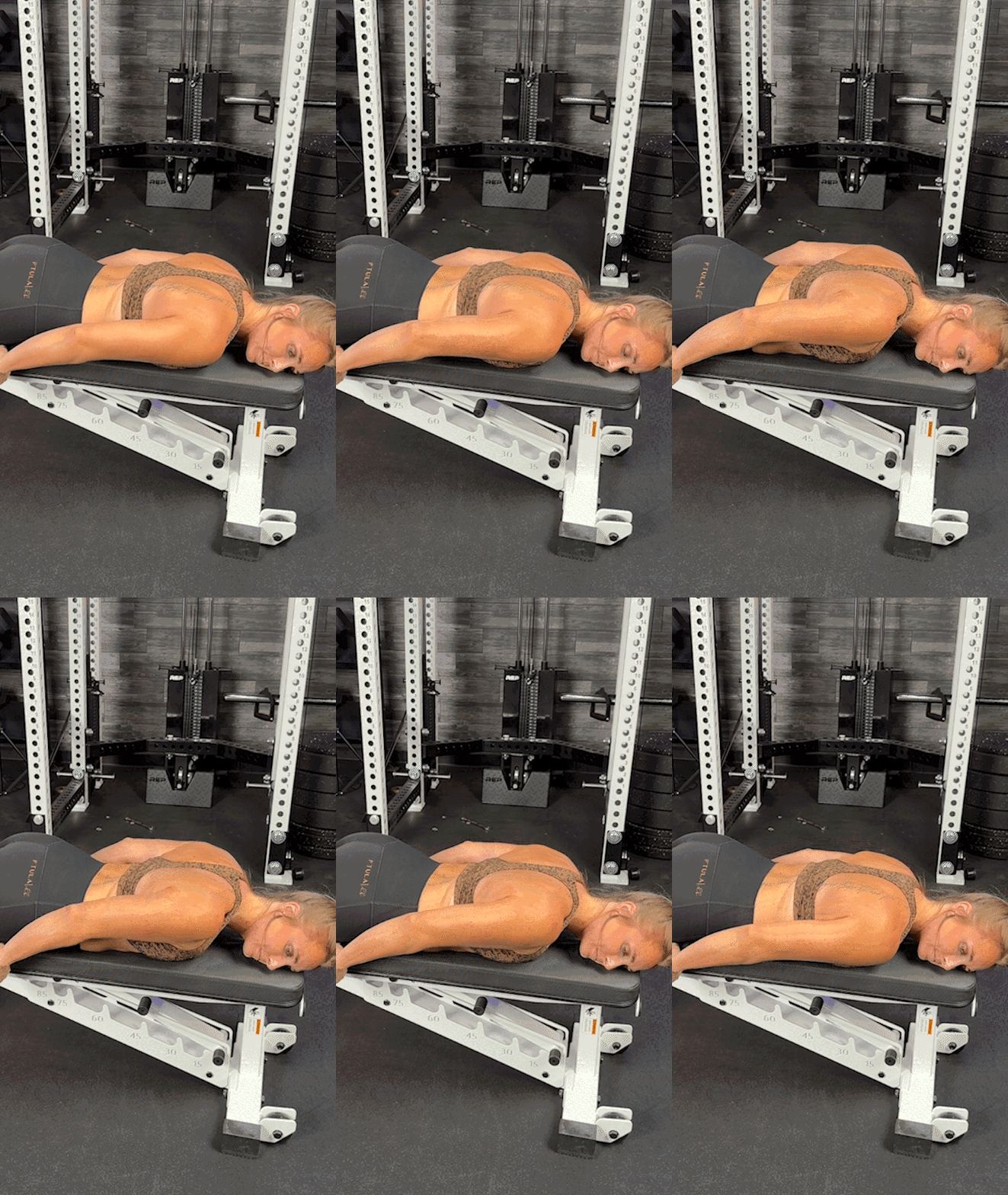
Scapular Retraction (Y-T-W) for Postural Muscle Support
Build strength in muscles that pull shoulder blades together—key for long-term relief. Weak rhomboids and middle trapezius allow your shoulders to round forward.
Execution:
– Lie face-down on mat
– Form Y-shape with arms overhead
– Lift arms 2-3 inches, hold 5 seconds
– Move to T-shape, repeat
– Finish with W-shape (elbows bent)
– Complete 2 sets of 10 repetitions
Pro Tip: Imagine squeezing a pencil between your shoulder blades. Start with just your body weight—adding resistance too soon can worsen your pain.
Resistance Band Rows to Counteract Desk Posture
Strengthen middle back muscles using simple resistance bands. This exercise directly combats the forward shoulder position caused by computer work.
Setup:
– Attach band at chest height
– Sit with arms extended forward
– Pull band toward chest
– Squeeze shoulder blades together
– Control return movement
– Perform 3 sets of 12-15 reps
Progression: Increase resistance by stepping further back or using thicker bands. Consistent practice improves your ability to maintain proper posture throughout the day.
Workplace Strategies to Prevent Recurrence

Ergonomic Workstation Setup for Pain-Free Computing
Poor ergonomics create 90% of upper back pain cases. Fix yours in minutes with these precise adjustments.
Chair Adjustments:
– Seat height: Hips slightly above knees
– Lumbar support: Fill gap between lower back and chair
– Armrests: Support forearms at 90 degrees
– Screen position: Top at eye level, 20-26 inches away
Your monitor should be directly in front—no neck rotation. If you use a laptop, get a separate keyboard and monitor stand. These small changes significantly reduce strain on your upper left back.
Micro-Break Schedule to Break the Pain Cycle
Break the pain cycle with simple hourly movements. Sitting for more than 30 minutes without moving dramatically increases upper back tension.
Every 30-45 minutes:
– Stand and perform shoulder blade squeezes (15 reps)
– Roll shoulders backward (10 circles)
– Look left and right over shoulders (5 each side)
– Walk to water cooler or bathroom
Set phone reminders—your future self will thank you. These micro-breaks prevent the cumulative strain that leads to acute pain episodes.
Recognizing When to Seek Professional Help
Red Flag Symptoms Requiring Immediate Attention
Seek immediate medical attention if you experience:
– Numbness or tingling in left arm
– Chest pain or pressure
– Difficulty breathing
– Severe pain after injury
– Fever with back pain
– Unexplained weight loss
Upper left back pain can sometimes signal serious conditions like cardiac issues or pulmonary problems. When in doubt, get checked immediately—better safe than sorry.
Timeline for Recovery and Next Steps
Most cases improve within 2-4 weeks using the strategies above. If your pain persists beyond this timeframe:
– Consult a physical therapist for personalized exercises
– Consider chiropractic care for joint restrictions
– Schedule massage therapy for chronic muscle tension
– See your physician if pain worsens or new symptoms develop
Key Takeaway: Most upper left back pain resolves within 2-4 weeks using these strategies. Start with immediate relief techniques, progress to strengthening exercises, and maintain good posture habits. If pain persists beyond a month or red flag symptoms appear, consult a healthcare professional immediately. Consistent application of these methods will help you finally discover how to relieve upper left side back pain effectively and prevent future episodes.