
Your lower back screams in protest as you shift position for the tenth time tonight—another sleepless night with low back pain. You’re not alone. Eight out of ten adults experience this exact struggle, trapped in a vicious cycle where pain destroys sleep, and poor sleep amplifies pain. The frustration builds as morning approaches with no relief in sight, leaving you exhausted before your day even begins.
But tonight can be different. Strategic positioning, the right support system, and targeted pre-sleep rituals can break this cycle. This guide delivers actionable techniques to help you finally sleep with low back pain—starting tonight. No more guessing what works; just proven methods that deliver real results.
Best Sleeping Positions That Actually Relieve Low Back Pain
Side Sleeping with Perfect Knee Alignment
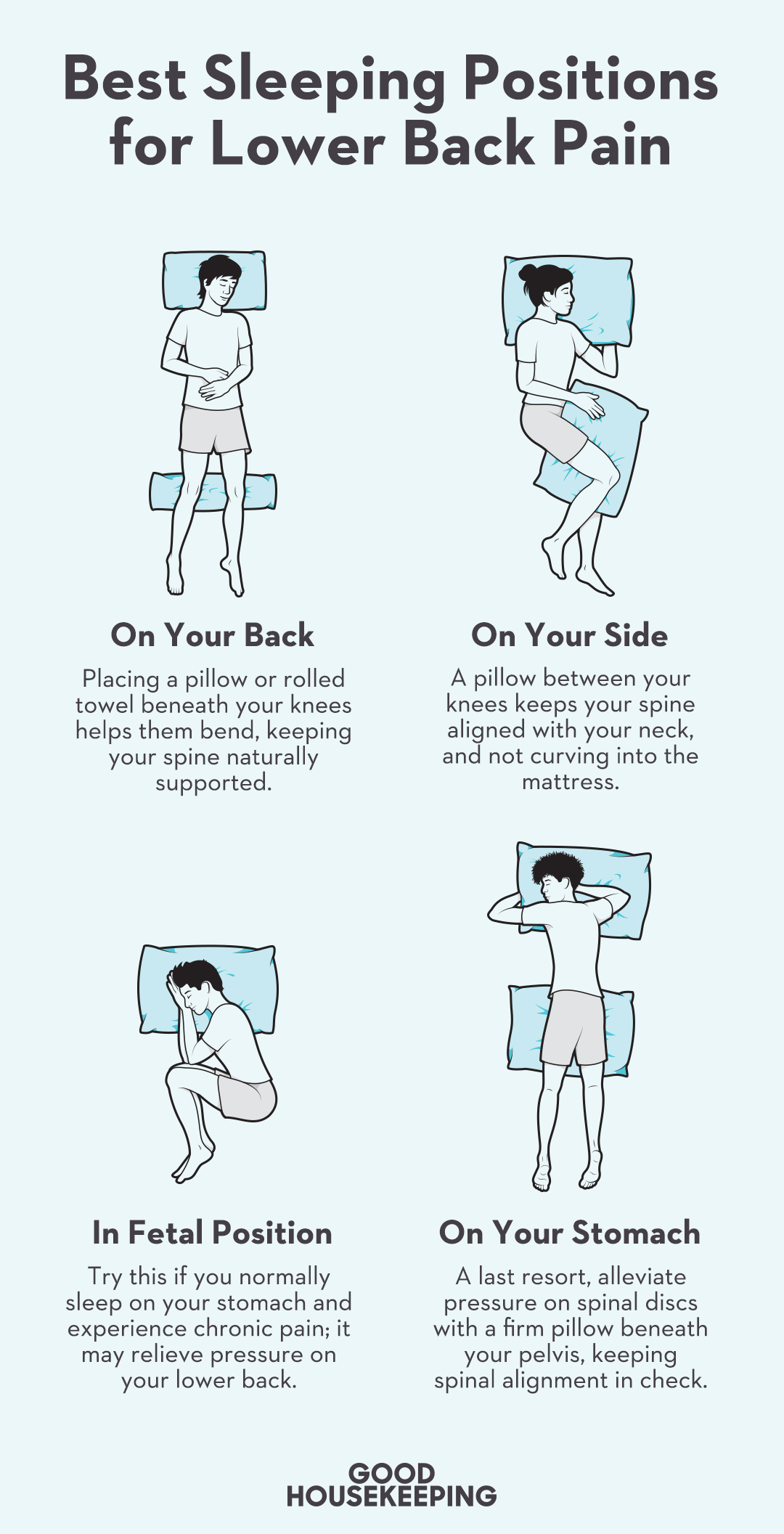
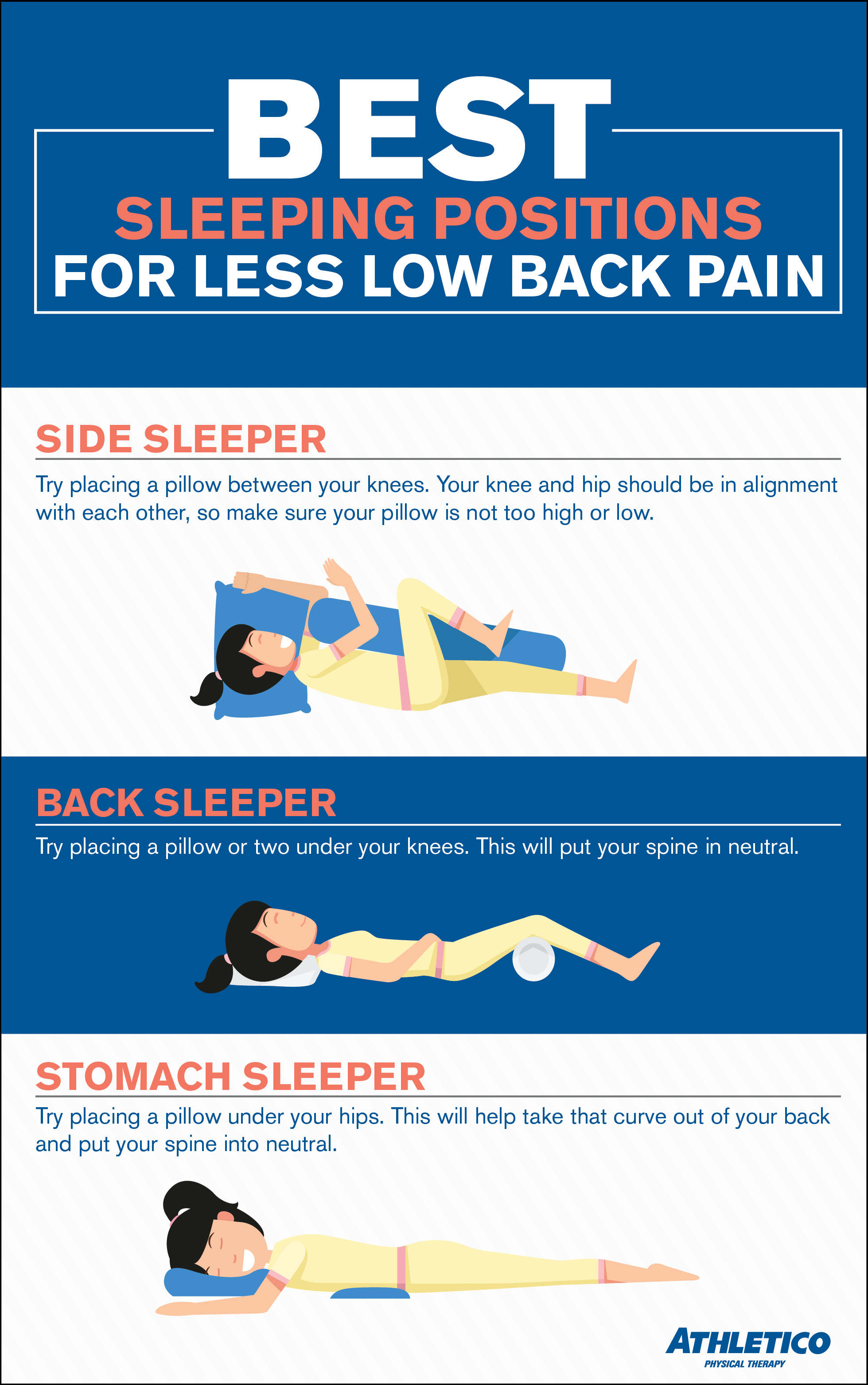
When you sleep on your side without support, your top leg pulls your spine out of alignment, increasing pressure on lumbar discs. Fix this immediately by placing a firm pillow between your knees. Your goal: maintain a straight line from neck to tailbone without hip sagging.
Pull your knees slightly toward your chest—think relaxed fetal position—to create gentle spinal flexion that reduces disc pressure. The pillow thickness is critical: too thin and your hips collapse; too thick and you create unnatural tension. Test different pillows until your spine stays neutral throughout the night.
Back Sleeping with Optimal Knee Elevation
Back sleeping distributes weight evenly across your widest body surface, but only when done correctly. Place a pillow under your knees—not your lower back—to elevate your legs 4-6 inches. This maintains your spine’s natural lumbar curve while eliminating pressure points that cause morning stiffness.
The ideal position creates a 30-45 degree angle at your hips. Use a single standard pillow or wedge-shaped support—just enough elevation to feel your lower back muscles relax against the mattress. This simple adjustment transforms back sleeping from painful to restorative.
Modified Stomach Sleeping That Reduces Damage
Stomach sleeping forces your lower back into an exaggerated arch, but if you’re stuck in this position, minimize harm. Place a thin pillow (or folded towel) under your pelvis to prevent your lumbar spine from sinking into painful hyperextension.
Skip the head pillow entirely or use the thinnest option possible—this reduces neck twisting that compounds back strain. This isn’t ideal long-term, but as a temporary solution during flare-ups, it’s significantly better than sleeping flat on your stomach.
Strategic Pillow Placement for Maximum Spinal Support
Head Pillow Selection Based on Your Sleeping Position
Your head pillow isn’t just for comfort—it bridges the critical gap between shoulder and mattress. Side sleepers need thicker, firmer pillows (4-6 inches) to maintain cervical alignment. Back sleepers require medium-loft options (3-4 inches) that support your neck’s curve without pushing your head forward.
Memory foam and latex pillows outperform traditional options—they contour to your shape while maintaining consistent support all night. Test pillows by lying down: if your chin points toward your chest or you’re straining to keep your head level, the pillow is wrong for your position.
Body Pillow Positioning That Prevents Spinal Twisting
A full-length body pillow (54-60 inches) transforms side sleeping by providing continuous support from chest to feet. Hug the pillow with your top arm while keeping it between your knees—this prevents the unconscious twisting that happens when your top arm drops forward.
C-shaped pregnancy pillows work well for those preferring compact support. Position the curve under your head with legs nestled inside the U-shape. This setup maintains hip alignment while relieving pressure on sciatic nerves that radiate pain down your legs.
Mattress Modifications That Reduce Nighttime Pain

Immediate Mattress Fixes Without Replacement
If replacing your mattress isn’t an option tonight, implement these quick fixes. Add a 2-4 inch memory foam topper to soften an overly firm surface. For mattresses that are too soft, place a plywood board (½ inch thick) between the box spring and mattress to add crucial support.
Test your mattress support by lying down in your usual position. Have someone take a photo from the side—your spine should show gentle curves without sharp angles or sagging. If your hips or waist sink more than 1.5 inches below shoulder level, you need immediate support adjustments.
When to Replace Your Mattress for Low Back Pain Relief
Replace your mattress every 7-10 years, but don’t wait that long if you wake with increased pain or notice permanent body impressions deeper than 1.5 inches. Warning signs include feeling every movement your partner makes or needing to stretch excessively before you can stand comfortably.
Medium-firm mattresses (5-7 on the 1-10 scale) typically work best for low back pain. Heavier individuals (over 230 lbs) may need firmer support, while lighter sleepers often benefit from slightly softer surfaces that contour to spinal curves.
Your 30-Minute Pre-Sleep Routine for Pain-Free Rest
Targeted Stretches That Prepare Your Spine for Sleep
Perform these gentle stretches 30 minutes before bed to relax tension that keeps you awake:
– Knee-to-chest: Pull one knee toward chest, hold 30 seconds, switch legs (repeat 2-3 times)
– Pelvic tilts: Lie on back, gently flatten lower back into mattress 10-15 times
– Child’s pose: Kneel and stretch arms forward, hold 30-60 seconds while breathing deeply
– Cat-cow: On hands and knees, alternate between arching and rounding your back slowly 10 times
These movements increase blood flow to stiff muscles while gently mobilizing spinal joints—creating the perfect conditions for restorative sleep.
Heat Therapy Protocol for Nighttime Relief
Apply a heating pad to your lower back for 15-20 minutes before bed at a comfortable 104-113°F temperature. This relaxes tight muscles and increases circulation without causing inflammation. Wrap the pad in a thin towel to prevent direct skin contact.
For acute flare-ups with inflammation, use ice instead: 10-15 minutes wrapped in cloth. Never apply ice directly to skin. Stop immediately if you experience increased pain—some conditions respond better to heat, others to cold.
Morning Strategies to Prevent Pain After Waking
The Log Roll Technique for Pain-Free Rising
Don’t sit straight up from bed—that twists your spine under maximum disc pressure. Instead:
1. Roll toward the edge of your bed while keeping your back straight
2. Bring both knees toward your chest as you roll onto your side
3. Push up with your arms while swinging your legs over the edge
4. Sit on the edge for 30-60 seconds before standing
This method reduces spine stress by 40% compared to traditional rising techniques, preventing that sharp morning pain that ruins your day before it begins.
Immediate Bed Stretches Before Standing
While still lying down, perform these gentle movements before rising:
– Single knee hugs: Pull one knee to chest, hold 30 seconds each leg
– Ankle pumps: Flex and point feet 20 times each to boost circulation
– Neck rolls: 5 slow rotations each direction to release tension
These micro-movements gently redistribute fluid in your spinal discs before you put weight on your back, reducing the risk of morning stiffness.
When Home Remedies Aren’t Enough: Professional Help Signs
Red Flags Requiring Immediate Medical Attention
Contact your healthcare provider immediately if you experience:
– Pain lasting over 6 weeks despite consistent positioning efforts
– Numbness or weakness extending down your legs
– Loss of bowel or bladder control
– Pain following a fall or injury
– Fever accompanying back pain
These symptoms could indicate serious conditions requiring prompt medical evaluation beyond sleep position adjustments.
Sleep Specialist Consultation Triggers
See a sleep specialist if:
– You regularly take more than 30 minutes to fall asleep
– You wake 3-4 times nightly specifically due to back pain
– You feel exhausted despite spending 7-9 hours in bed
– Your partner notices you snore heavily or stop breathing
Specialists can identify underlying sleep disorders that worsen pain perception and recommend targeted interventions.
Long-Term Strategies for Sustainable Pain-Free Sleep
Core Strengthening Exercises That Improve Nighttime Comfort
Incorporate these daytime exercises to build the muscular support your spine needs:
– Bird-dog: 10 repetitions per side, holding each for 5 seconds
– Bridge pose: Lift hips while squeezing glutes, hold 10 seconds
– Plank variations: Start with 20-second holds, building to 60 seconds
Perform these at least 3 hours before bedtime—evening exercise can disrupt sleep for some people. Strong core muscles maintain better spinal alignment throughout the night, reducing the need for constant position adjustments.
Weight Management Impact on Nighttime Pain
Every 5-10% reduction in body weight—especially abdominal fat—significantly decreases lumbar stress during sleep. This simple change expands your positioning options and reduces morning pain intensity. Focus on gradual weight loss through balanced nutrition and appropriate exercise rather than quick fixes.
Track your progress in a sleep diary noting pain levels (1-10 scale) and sleep quality. You’ll likely notice improvements within 4-6 weeks of consistent effort, making it easier to maintain both your weight management and sleep strategies.
Tonight, start with one change: position yourself on your side with a pillow between your knees, or on your back with a pillow under your knees. Spend 10 minutes stretching before bed and apply heat for 15 minutes. Use the log roll technique in the morning. These small, immediate adjustments can break your pain-sleep cycle and deliver the restorative rest your body desperately needs.