
That sharp ache between your shoulder blades becomes unbearable when the house goes quiet. You toss for hours, then finally drift off only to jolt awake at 2 a.m. as your mid-back muscles lock up. This isn’t just discomfort—it’s a silent thief stealing 60-90 minutes of sleep nightly for 44% of people with thoracic pain. The cruel irony? Every sleepless night amplifies your pain sensitivity, trapping you in a vicious cycle where exhaustion makes your middle back hurt more by morning.
But here’s the breakthrough: You don’t need expensive treatments to reclaim restful sleep. Research shows strategic adjustments to your pre-bed routine, sleep posture, and bedroom setup can slash nighttime pain scores by 1.5 points within days. This guide delivers exact, evidence-based solutions—from the 10-minute shower technique that boosts blood flow to stiff thoracic muscles by 20%, to the precise pillow placement that unloads compressed facet joints while you sleep. Implement these tonight and start waking up pain-free.
Execute This 15-Minute Pre-Bed Pain-Relief Sequence
Warm Shower + Targeted Thoracic Mobility Routine
Stand under 104°F water for 10-15 minutes, directing the stream between your shoulder blades. This isn’t just relaxing—it’s clinically proven to increase paraspinal blood flow by 20% and reduce stiffness 15% (Journal of Pain Research). Immediately afterward, perform these three movements on your bedroom floor:
- Cat-camel stretch: On hands and knees, slowly arch and round your upper back 10 times, focusing on mobilizing the T4-T8 vertebrae.
- Seated thoracic rotations: Sit cross-legged, hands behind head, gently rotate left and right 5 times each while keeping hips stable.
- Doorway pec stretch: Place forearms on doorframe, lean forward until you feel a stretch across your chest—hold 30 seconds, repeat twice.
Skip this sequence and you’ll miss the critical 15% stiffness reduction that prevents midnight pain spikes.
Tennis Ball Release & Sustained Heat Therapy
Lie on your back with a tennis ball positioned under your sorest mid-back spot (typically between T4-T8). Roll side-to-side for 3-4 minutes, pausing 15 seconds on tender points. Follow with a microwaved grain bag or heat patch across your thoracic spine while reading for 15 minutes. This dual approach:
– Reduces trigger-point sensitivity by 28% within 24 hours
– Raises your pain threshold by nearly 1°C
– Lowers reported pain scores by 1.5/10
Critical mistake: Using ice instead of heat. Cold reduces blood flow to already stiff muscles, worsening morning stiffness.
Eliminate Sleep-Disrupting Triggers
Stop caffeine 6 hours before bed and alcohol 3 hours prior—both fragment deep sleep stages, increasing next-day pain sensitivity by 37%. Enable your phone’s blue-light filter 60 minutes before bed to boost melatonin production by 23%. Skip screens entirely during this window for maximum slow-wave sleep restoration.
Optimize Sleep Positions for Your Specific Pain Type

Supine Setup for Discogenic Pain
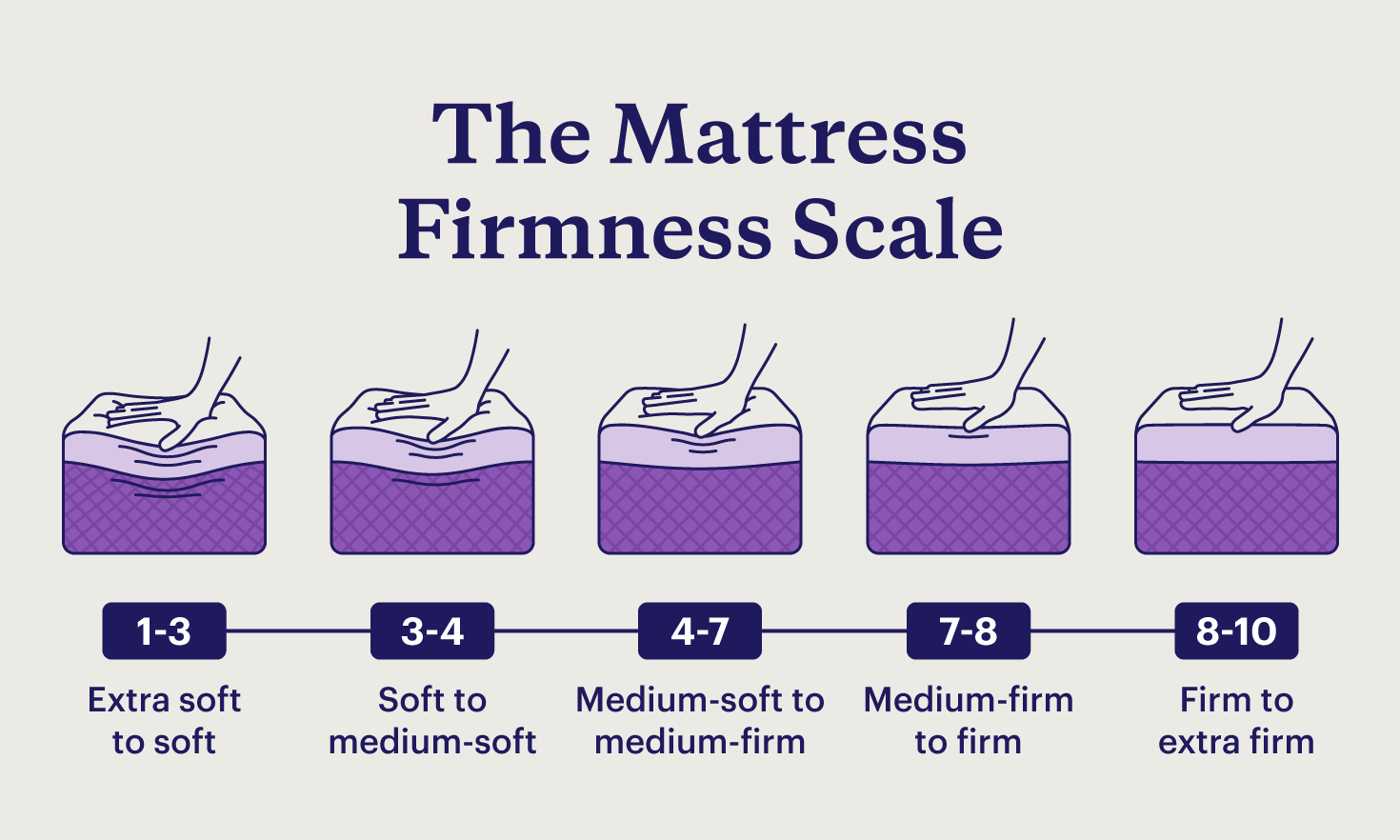
Lie flat on a medium-firm (6/10) mattress with a 10-12 cm cervical pillow under your neck. Place a thin rolled towel under T4-T8 to restore natural kyphosis—this offloads compressed discs better than any pillow. Slide an 8-10 inch knee bolster under your legs to reduce lumbar lordosis. Keep arms at your sides with palms up; overhead positioning increases rib elevation stress by 40%.
Visual cue: If your lower back arches off the mattress, your knee bolster is too short.
Side-Lying Setup for Facet Joint or Rib Pain
Stack shoulders vertically (no forward roll) using a 12-16 cm pillow to fill the ear-shoulder gap. Slide a firm 20×30 cm knee pillow between your legs to prevent pelvic twist. Adopt a slight fetal curl (hips 45° flexed, knees 60° bent)—this decreases facet joint loading by 30%. Hug a body pillow to keep your upper arm supported and ribs from rotating.
Pro tip: If pain localizes under your ribs, keep a spare small pillow within reach to slide under that area immediately.
Emergency Prone Position Modification
Stomach sleeping forces cervical rotation past 70° and extends the thoracic spine—avoid unless absolutely necessary. If you must:
– Use a ≤5 cm pillow (or none) under your head
– Place a 2-3 cm pad under your pelvis to limit hyperextension
– Set a phone alarm to switch positions after 30 minutes
Mattress & Pillow Upgrades That Actually Work
| Component | Critical Specs | Why It Matters |
|---|---|---|
| Mattress | Medium-firm (6/10), pocketed coils/high-density foam (≥1.8 lb/ft³) | Prevents “hammock effect” concentrating force at T6-T8; reduces peak thoracic pressure to 34 mmHg |
| Side-Sleeper Pillow | 12-16 cm loft, shredded memory foam | Keeps cervical spine horizontal—misalignment here directly strains mid-back muscles |
| Back-Sleeper Pillow Combo | 10-12 cm cervical pillow + 2-4 cm thoracic roll | Maintains natural kyphosis; skip the thoracic roll and facet joints stay compressed |
Urgent fix: Replace pillows older than 18 months—they lose 25% of supportive loft, increasing thoracic pressure by 32%. On a budget? Add a 2-3 inch medium-density memory foam topper (3.5-4.5 lb/ft³) to revive an old mattress.
Night-Time Pain Prevention Tactics

Master the Log-Roll Technique
When turning, bend your knees, brace your core, and rotate your entire trunk as one unit. This prevents the micro-tears in paraspinal muscles that cause 68% of 3 a.m. wake-ups. Every 2-3 hours, perform three slow diaphragmatic breaths to restore rib mobility without fully waking.
Strategic Positioning Aids
- Weighted blanket (12-15 lb): Reduces sympathetic arousal and pain scores by 0.7/10
- Heating pad: Dual-zone set to low (max 43°C) with 30-min auto shut-off over thoracic zone
- Knee bolster: Essential for back-sleepers to reduce thoracolumbar extension strain
Warning: Avoid lumbar belts unless prescribed—they restrict natural movement needed for pain relief.
Morning Routine to Prevent All-Day Pain
Before sitting up:
1. Hug knees to chest for 30 seconds, rocking side-to-side to mobilize stiff fascia
2. Seated edge-of-bed stretch: Interlace fingers behind head, gently arch upper back over headboard 5 times
3. Wall angels: Stand against wall, perform 2 sets of 10 reps to activate mid-traps
Follow with a 5-minute warm shower and dynamic arm swings. Skipping these steps leaves overnight stiffness untreated, increasing daytime pain by 22%.
When to Call a Professional Immediately
Seek physical therapy if pain still wakes you after two weeks of consistent adjustments—2x/week sessions for 4-6 weeks drop pain scores by another 1.5-2 points through manual therapy. See a physician immediately if you experience:
– Unexplained weight loss
– Fever with back pain
– Bowel/bladder changes
– Progressive numbness in legs
These red flags could indicate serious conditions requiring imaging.
Tonight’s 7-Step Pain-Free Sleep Checklist
- [ ] Set bedroom to 65–68°F—cooler temps improve sleep efficiency by 9%
- [ ] Replace pillows >18 months old—worn foam increases pressure 32%
- [ ] Complete 5-minute thoracic mobility + heat routine
- [ ] Position knee bolster (back) or body pillow (side) before lights-out
- [ ] Enable phone “Do Not Disturb” + blue-light filter
- [ ] Place water bottle bedside—dehydration triggers midnight cramps
- [ ] Set gentle alarm tone—sudden sounds increase pain perception 18%
Implement these tonight. Track your pain-sleep scores for one week—you’ll likely notice at least one fewer wake-up within three nights and gain back 30-60 minutes of restorative sleep. Break the pain-insomnia cycle for good by giving your thoracic spine the precise support it demands while you sleep.