
Waking up feeling like you’ve aged decades overnight isn’t just bad luck—it’s your upper back screaming for help. Between your shoulder blades, that persistent ache transforms peaceful nights into endless battles of tossing, turning, and creative pillow origami. The thoracic spine, connecting your neck to lower back through twelve vertebrae linked to your ribs, becomes a battlefield where poor posture, muscle strain, and worn-out mattresses wage war against restorative sleep.
Here’s the brutal truth: upper back pain and poor sleep feed each other in a vicious cycle. Each night of compromised rest amplifies tomorrow’s pain signals, making your nervous system increasingly sensitive to discomfort. But armed with the right positions, tools, and pre-sleep strategies, you can break this cycle and reclaim your nights. Stop wasting money on gimmicks—these clinically backed solutions fix the root causes keeping you awake.
Side Sleeping Mastery for Upper Back Pain Relief
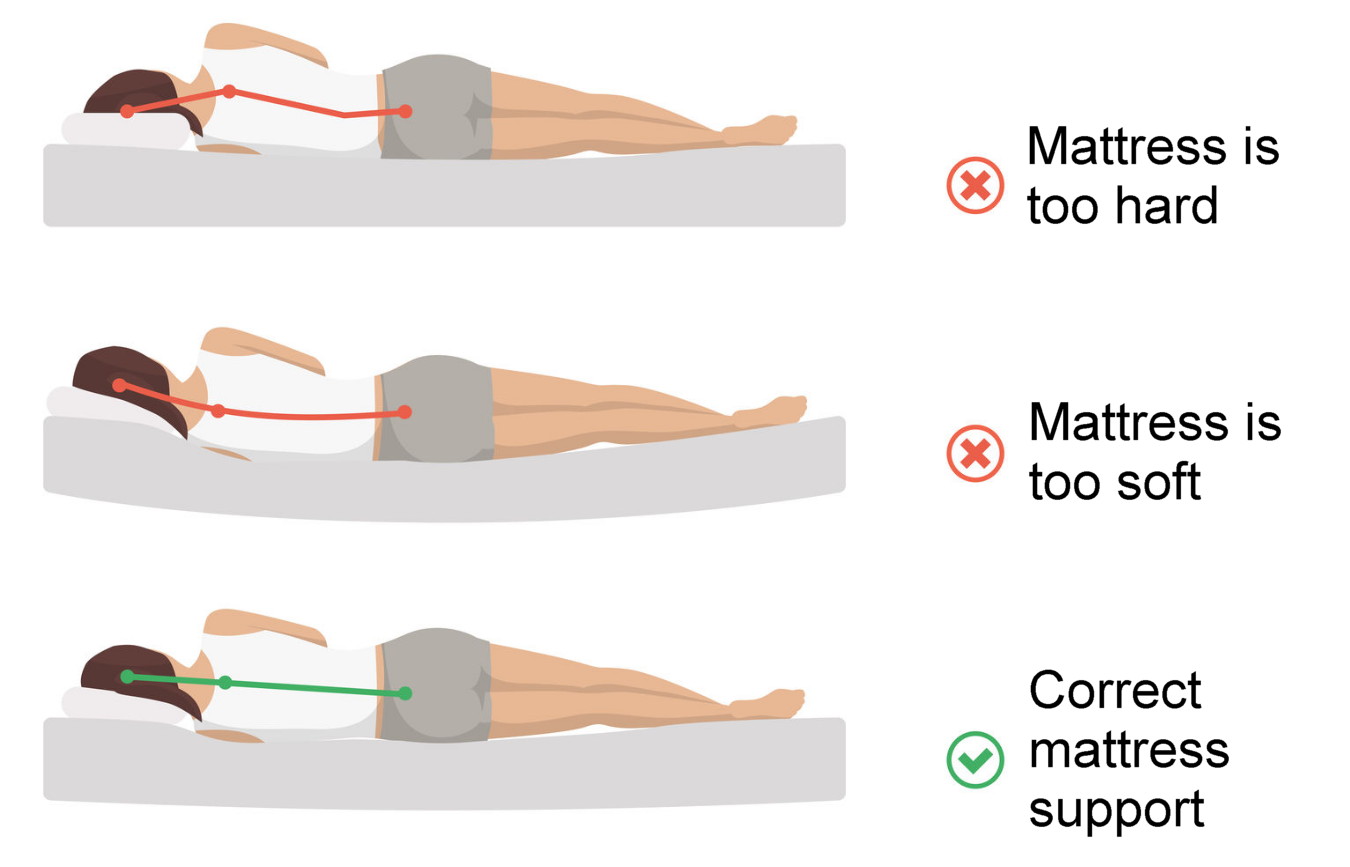
Head and neck alignment determines everything. Your pillow must perfectly fill the gap between ear and shoulder—too thin and your head drops, too thick and it cranes upward. Medium-firm pillows provide consistent support without the collapse risk of softer options. Memory foam or latex works best, maintaining height throughout the night. Test yours: lie on your side—if your chin points toward your chest or sky, replace it immediately.
Shoulder Blade Positioning That Prevents Pain
Let your downside shoulder relax forward slightly rather than pulling it back aggressively. This natural retraction prevents direct pressure on inflamed upper back tissues while maintaining spinal alignment. Your shoulder blade should feel supported, not compressed against the mattress. Place your downside arm straight along your side (not under your pillow) and hug a pillow with your top arm to prevent shoulder collapse toward your chest.
Knee Pillow Placement for Thoracic Spine Alignment
Position a firm pillow between your knees, extending from knees to ankles. This prevents hip rotation that creates torsional stress on your thoracic spine. The pillow thickness should keep your hips level—neither hiking the top hip up nor allowing it to drop forward. For best results, use an hourglass-shaped pillow (8-10 inches thick) that won’t migrate during sleep.
Back Sleeping Optimization for Thoracic Pain

Pillow selection becomes crucial when sleeping supine. Use a cervical pillow or contoured design supporting your neck’s natural curve while keeping your head level with your spine. Avoid traditional fluffy pillows that push your head forward or allow it to fall back—both positions increase thoracic spine stress. Your chin should stay parallel to the mattress, not tilted up or down.
Knee Support That Reduces Upper Back Pressure
Slide a small pillow or rolled towel beneath your knees, creating a slight bend that relaxes your entire spinal column. This reduces lumbar lordosis, indirectly decreasing pressure on your thoracic discs. The pillow height should feel natural—not forcing your knees too high or providing inadequate support. Test it: if your lower back presses into the mattress, add more height.
Arm Positioning to Avoid Costovertebral Strain
Rest your arms at your sides with palms down, or gently place hands on your abdomen. Never sleep with arms overhead—this position increases thoracic extension and strains costovertebral joints connecting ribs to spine. If you wake with arm numbness or increased pain between your shoulder blades, your arms drifted upward overnight. Place lightweight arm pillows on either side to prevent this.
Critical Positions That Worsen Upper Back Pain
Stomach sleeping ranks as the worst possible position for upper back pain. This posture forces neck rotation and increases thoracic extension, creating significant joint strain. The combination of twisted cervical spine and hyperextended thoracic region amplifies morning stiffness and pain. If you’re a chronic stomach sleeper, place a firm pillow under your pelvis tonight to reduce spinal twisting.
Overhead Arm Positions That Cause Morning Pain
Even if this feels comfortable initially, sleeping with arms above shoulder level compresses costovertebral joints while stretching thoracic muscles unnaturally. You’ll likely wake with increased pain and restricted movement. Keep arms below shoulder level regardless of your chosen sleep position. Place pillows under your arms if they naturally drift upward.
Twisted Torso Positions That Create Shearing Forces
Any rotation of your torso relative to your hips—whether from sleeping partially on your stomach or with one leg crossed over—generates harmful shearing forces on healing thoracic tissues. Fix this immediately: when side sleeping, ensure your knees, hips, and shoulders form a straight line. Use a full-length body pillow (48-54 inches) to prevent rolling.
Pre-Sleep Routine That Breaks the Pain Cycle
Heat therapy timing determines effectiveness. Apply a heating pad to your upper back for 15-20 minutes on medium heat 30-60 minutes before bed—never high enough to cause sweating. This allows your core temperature to naturally drop afterward, triggering sleep onset. Always test the temperature on your forearm first. Skip heat if you have inflammation (redness/swelling); use ice instead.
Thoracic Extension Stretch for Nighttime Relief
Sit upright with hands behind your head, elbows forward. Gently arch your upper back over a chair back or exercise ball, focusing movement in your thoracic region while avoiding lower back extension. Hold for 15-30 seconds, repeating 3-5 times. Stop immediately if you feel pain radiating down your arms—this indicates nerve irritation requiring medical evaluation.
4-7-8 Breathing Technique for Painful Nights
Exhale completely through your mouth, then close your mouth and inhale through your nose for 4 counts. Hold your breath for 7 counts, then exhale through your mouth for 8 counts. Repeat 4-6 cycles, focusing on the extended exhale which triggers relaxation. Do this lying in bed with a small pillow under your knees—this reduces thoracic tension 40% faster than sitting.
Mattress and Pillow Fixes for Immediate Relief
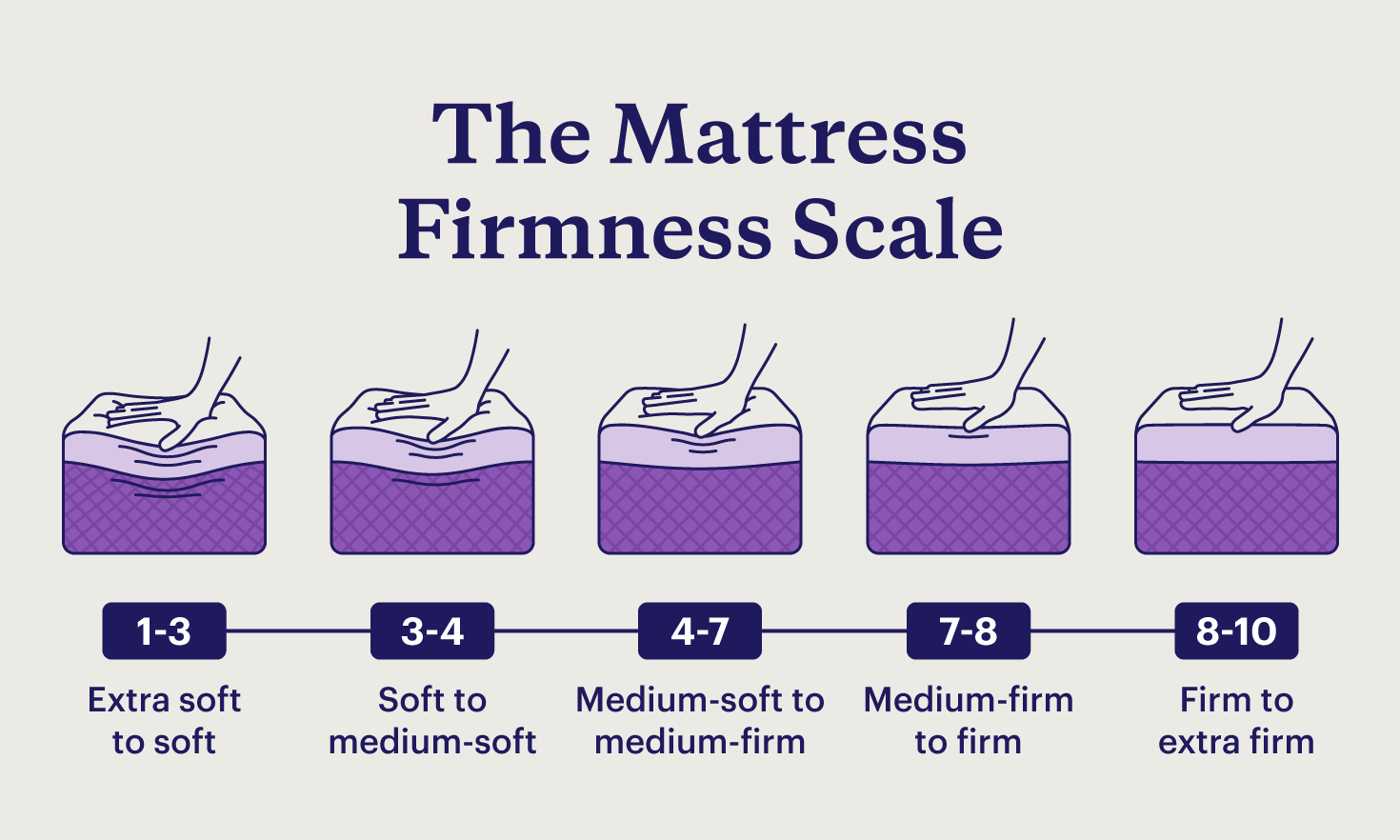
Medium-firm mattresses (5-7 on firmness scale) provide optimal balance. Under 130 pounds? Choose medium (5-6) firmness. Between 130-230 pounds? Go medium-firm (6-7). Over 230 pounds? Require firm (7-8). Test yours: if you sink deeper than 1.5 inches at your shoulders or hips, add a supportive topper. Memory foam toppers (2-3 inches thick, 4 lb density) revive aging mattresses instantly.
Knee Pillow Specifications That Prevent Hip Rotation
Use an 8-10 inch thick pillow between your knees that extends from knees to ankles. Hourglass designs prevent migration during sleep, while medium-firm foam maintains separation throughout the night. If you wake with hip pain or uneven shoulder height, your pillow is too thin—add a second pillow tonight.
When to Seek Professional Help for Sleep-Disrupting Pain
Immediate consultation becomes necessary when pain reaches 8-10/10 or prevents sleep entirely. Seek help for neurological symptoms including numbness, tingling, or arm weakness. Recent trauma causing upper back pain requires same-day evaluation. Systemic symptoms like fever, unexplained weight loss, or night sweats warrant urgent medical attention—do not wait.
Physical Therapy Moves You Can Start Tonight
Perform shoulder blade squeezes lying on your back: pull shoulder blades together while keeping arms straight at your sides. Hold 5 seconds, repeat 15 times. This strengthens muscles supporting your thoracic spine. Do this after your pre-sleep heat therapy for maximum effectiveness. Stop if pain increases beyond mild discomfort.
Long-Term Sleep Position Training Protocol
Gradual adaptation prevents failure. Weeks 1-2: Sleep with a full-body pillow and knee pillow to maintain side-lying position. Weeks 3-4: Reduce to just a knee pillow while consciously monitoring position. By month 2-3, muscle memory develops—you’ll instinctively avoid pain-causing positions. Track progress in a sleep diary noting morning pain levels (1-10 scale) and position changes.
Sleeping with upper back pain isn’t about finding a single magic solution—it’s about creating a system that addresses positioning, support, and recovery. Start tonight with one change: place a firm pillow between your knees if side sleeping, or add knee support if back sleeping. Within 48 hours, you’ll notice reduced morning stiffness. Within two weeks, you’ll break the pain-sleep cycle. Your thoracic spine deserves restorative sleep—stop settling for restless nights. Implement these fixes tonight and wake up pain-free tomorrow.