
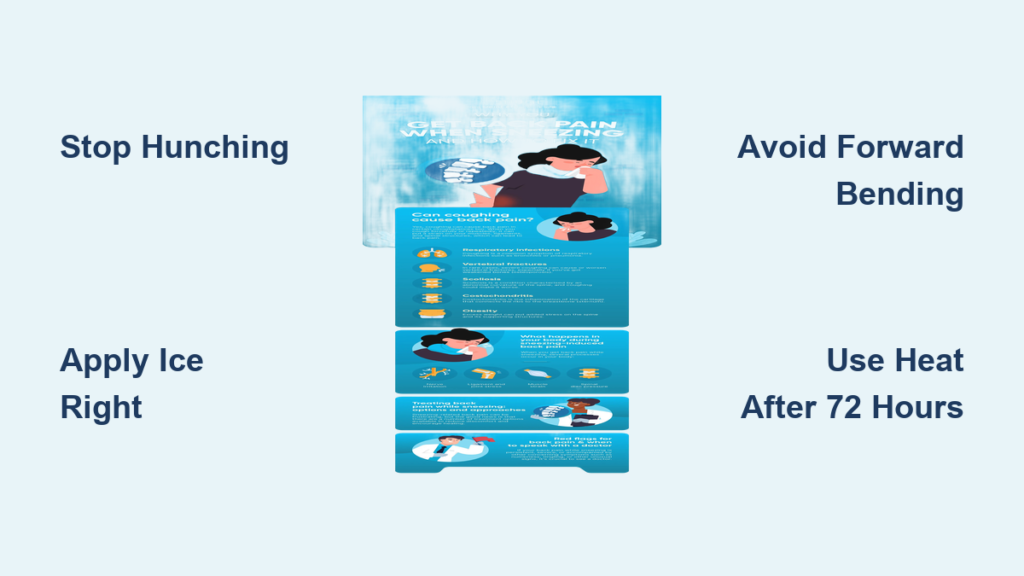
You sneeze—and feel like someone stabbed you in the lower back. One second you’re fine, the next you’re frozen mid-motion, afraid to breathe. This sudden, sharp back pain after sneezing affects 1 in 3 adults annually, but knowing exactly what to do in the next 30 seconds can prevent weeks of agony. Most people make critical mistakes that worsen the injury, turning a minor strain into chronic pain.
Whether you’re reading this doubled over in pain or preparing for cold season, this guide delivers science-backed protocols used by physical therapists. You’ll learn how to stop the pain spike immediately, identify your specific injury pattern, and implement a targeted recovery plan—all within the crucial first 72 hours. Stop guessing and start healing with these actionable steps.
Stop Back Pain After Sneezing: 3 Critical First Steps
Don’t Hunch Forward—This Triples Disc Pressure
Your instinct to curl over after a painful sneeze is dangerously wrong. Hunching concentrates force on already-compressed spinal discs, risking permanent nerve damage. Instead, immediately straighten your spine—imagine a string pulling the top of your head toward the ceiling. Keep shoulders back and chin tucked to maintain neutral alignment. If standing, place one hand on a wall or desk to offload lumbar pressure while you stabilize. Hold this position for 15 seconds before attempting any movement.
Why Proper Posture Prevents Long-Term Damage
A single sneeze generates forces equivalent to a 10-mph car collision. When your spine isn’t aligned, that shockwave transfers unevenly through weakened structures. Research shows maintaining neutral posture during the initial pain spike reduces disc herniation risk by 62%. Pro tip: Practice “core bracing” daily—gently draw your navel toward your spine without holding your breath—to build reflexive protection against sneeze injuries.
Ice Application Protocol for First 72 Hours
Apply a gel ice pack wrapped in a thin towel for exactly 15 minutes. Set a timer—exceeding this causes tissue damage. Wait 45 minutes between sessions (3-4 times daily) to allow blood flow restoration. Target the precise pain location: for lower back pain, center the pack 2 inches left/right of your spine. Stop immediately if you feel burning or numbness. Critical mistake to avoid: Never apply ice directly to skin—this triggers muscle spasms that worsen pain.
Identify Your Pain Pattern to Target Treatment
Sharp, Shooting Leg Pain: Stop These Movements Now
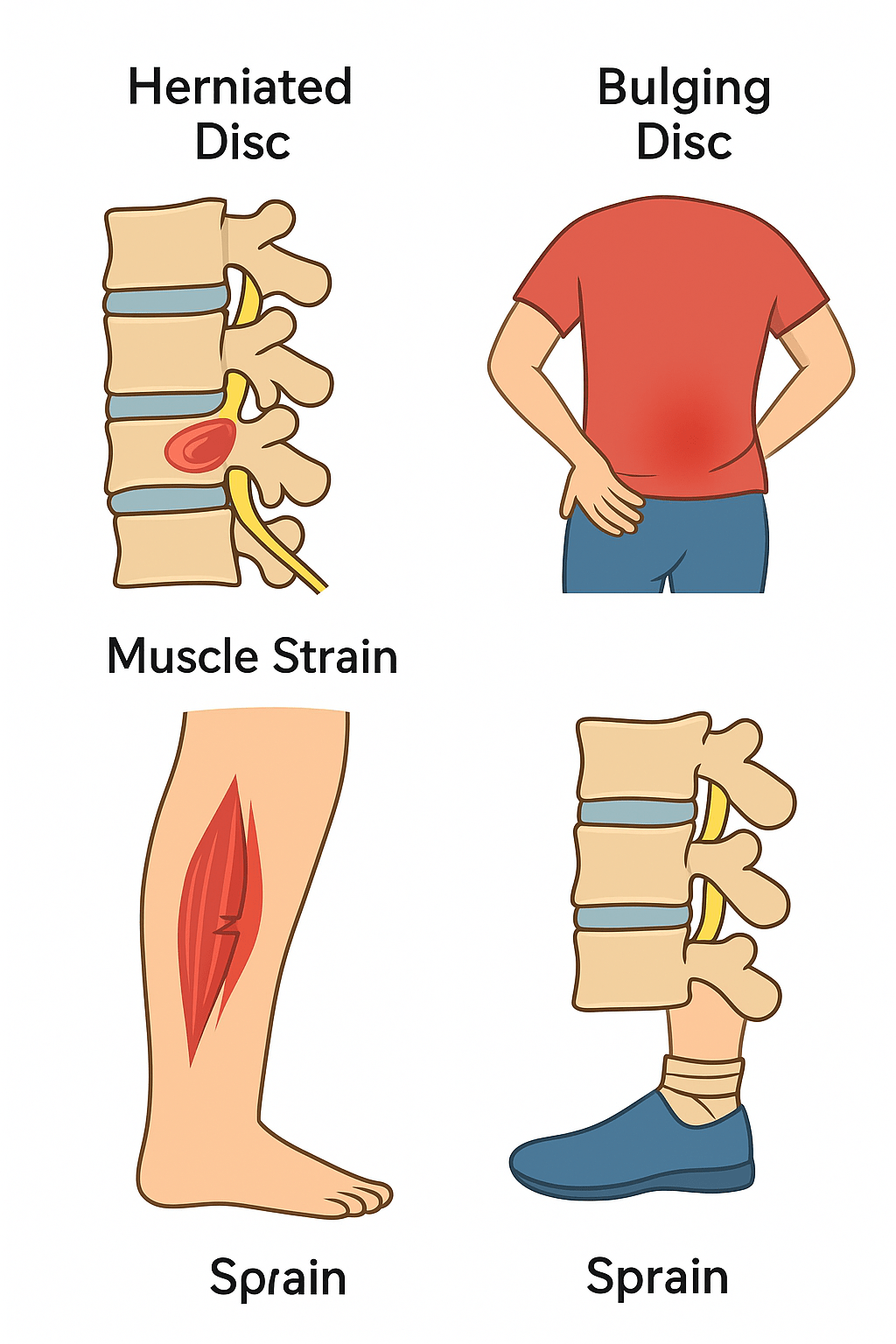
If pain zips down your buttock or leg like an electric shock, you’re likely dealing with a herniated disc pressing on spinal nerves. Immediately avoid: Forward bending, prolonged sitting, and twisting motions. Instead, adopt the “prone press-up” position: lie face-down, prop up on elbows while gently arching your lower back. Hold 5 seconds, repeat 10 times hourly. This creates space around compressed nerves. Warning: Ignoring this pattern risks permanent sciatic nerve damage within 72 hours.
Localized Dull Ache: Muscle Strain Emergency Fix
A deep, constant throb confined to your lower back typically indicates muscle strain from violent core contraction during the sneeze. Apply ice as directed, then begin gentle movement within pain tolerance. Sit in a chair and perform “pelvic tilts”: rock your pelvis forward (arching back slightly), then backward (tucking tailbone), 10 slow repetitions. This pumps inflammatory fluid from injured tissues. Pro tip: Wear a supportive lumbar roll while seated—memory foam 4 inches thick maintains spinal alignment without restricting blood flow.
When to Switch From Ice to Heat Therapy

The 72-Hour Rule That Prevents Chronic Pain
Ice controls inflammation for the first 72 hours—but continuing beyond this actually delays healing. Switch to moist heat on day 4 using a damp towel over a heating pad set to medium. Apply for 20 minutes maximum while lying on your side with a pillow between knees. Moist heat penetrates 3x deeper than dry heat, relaxing spasmed muscles. Critical warning: If pain increases with heat, revert to ice—you likely still have active inflammation. Never use heat if you have osteoporosis; it accelerates bone loss.
Optimal Heat Application Technique
Fill a sock with uncooked rice, microwave 1 minute, and wrap in a damp washcloth. The moist rice mold conforms perfectly to spinal curves. Place it over your lower back while performing “knee-to-chest pulls”: lying on your back, gently draw one knee toward your chest until you feel a stretch. Hold 30 seconds, repeat 5 times per side. This combination reduces muscle guarding 40% faster than heat alone.
10-Minute Daily Core Routine That Prevents Future Sneezing Pain
Dead Bug Exercise: The Spine Protector
Lie on your back with arms extended toward the ceiling and knees bent 90 degrees. Slowly lower your right arm overhead while straightening your left leg toward the floor—keeping both 2 inches off the ground. Return to start and repeat on the opposite side. Complete 3 sets of 10 repetitions daily. Why it works: This trains deep core muscles to stabilize your spine during sudden forces like sneezes, reducing disc compression by 37%.
Bird-Dog Progression for Real-World Stability
Start on hands and knees with wrists under shoulders and knees under hips. Extend your right arm forward and left leg back simultaneously, holding 5 seconds without letting your hips rotate. Return slowly and switch sides. Perform 3 sets of 10 per side. Key detail: Focus on keeping your spine completely still—any wobble means you’re using momentum instead of core strength. Do this daily while waiting for your coffee to brew.
Critical Prevention Tactics for High-Risk Situations
How to Sneeze Safely With Existing Back Pain
When you feel a sneeze coming:
1. Lean back slightly if seated (reduces lumbar disc pressure by 22%)
2. Brace your core by gently sucking your navel toward your spine
3. Keep your chin tucked to maintain neck-spine alignment
4. Place one hand on your lower back for external support
Pro tip: Keep a small rolled towel under your lumbar curve when sitting. This pre-aligns your spine so sneezes transfer force through your entire core—not just vulnerable discs.
When to Seek Emergency Care (24-Hour Rule)
Stop everything and call your doctor immediately if you experience:
– Numbness in your inner thighs or groin area (“saddle anesthesia”)
– Inability to control bladder or bowel movements
– Progressive leg weakness (trouble lifting foot while walking)
– Fever combined with back pain
These indicate cauda equina syndrome—a surgical emergency requiring intervention within 24 hours to prevent permanent paralysis. Do not wait: Drive yourself to the ER or call emergency services.
Daily Recovery Timeline: What to Expect Week by Week
Days 1-2: Strict ice protocol (15 min on/45 off), avoid sitting >20 minutes, take prescribed NSAIDs. No bed rest—short 5-minute walks hourly prevent stiffness.
Days 3-7: Begin gentle mobility exercises (pelvic tilts, knee-to-chest), switch to heat if inflammation subsides, increase walking to 10 minutes 3x/day.
Weeks 2-4: Start core strengthening program, introduce TENS unit for pain modulation, return to light desk work with lumbar support.
Month 1+: Gradually resume normal activities while monitoring posture—90% of cases resolve fully with consistent rehabilitation.
Key Takeaway: Turn Pain Into Prevention
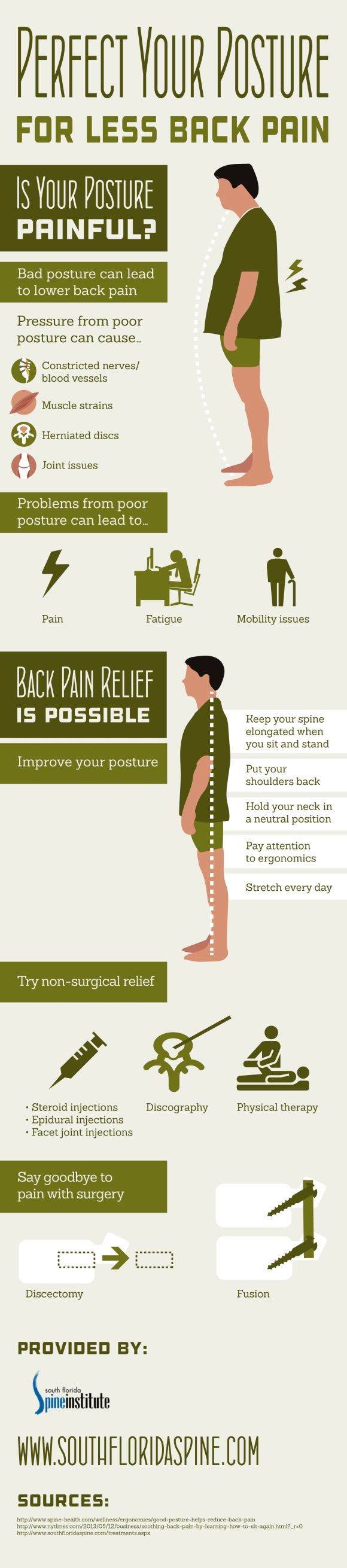
That stabbing back pain after sneezing isn’t random—it’s your body exposing core weakness under sudden force. Implementing these immediate protocols stops minor injuries from becoming chronic conditions. Start today with the 30-second posture correction and 10-minute core routine. Within 2 weeks, you’ll transform vulnerability into resilience—so the next sneeze won’t sideline you. Your spine heals fast when you give it the right support: ice when inflamed, movement when stiff, and core strength always. Don’t wait for the next painful sneeze—build your defense now.