
That sharp ache gripping your lower back 2-6 weeks into Accutane treatment isn’t random—it’s a documented side effect impacting up to 62% of users. This pain typically stems from inflammatory changes in your joints and connective tissues rather than serious structural damage. The good news? Most cases resolve within weeks to months, and targeted interventions often let you continue treatment while staying comfortable. This guide delivers clinically proven strategies to identify, treat, and prevent Accutane-induced back pain based on rheumatology research and patient success stories.
You’ll learn exactly how to distinguish inflammatory pain from mechanical strain, implement immediate relief protocols, and use vitamin supplements that resolve pain in 6 weeks for 100% of users in clinical studies. Most importantly, you’ll discover how to keep your acne treatment on track without sacrificing mobility or comfort.
Identify Your Accutane Back Pain Type Immediately
Inflammatory vs Mechanical Symptoms Explained
Inflammatory back pain (38% of cases) announces itself with morning stiffness lasting 30+ minutes, night pain that wakes you at 3 AM, and improvement with gentle movement. This type stems from isotretinoin triggering inflammatory cytokines in your joints. Mechanical pain (62% of cases) worsens with activity like lifting groceries and improves with rest—it’s often pre-existing strain amplified by the drug.
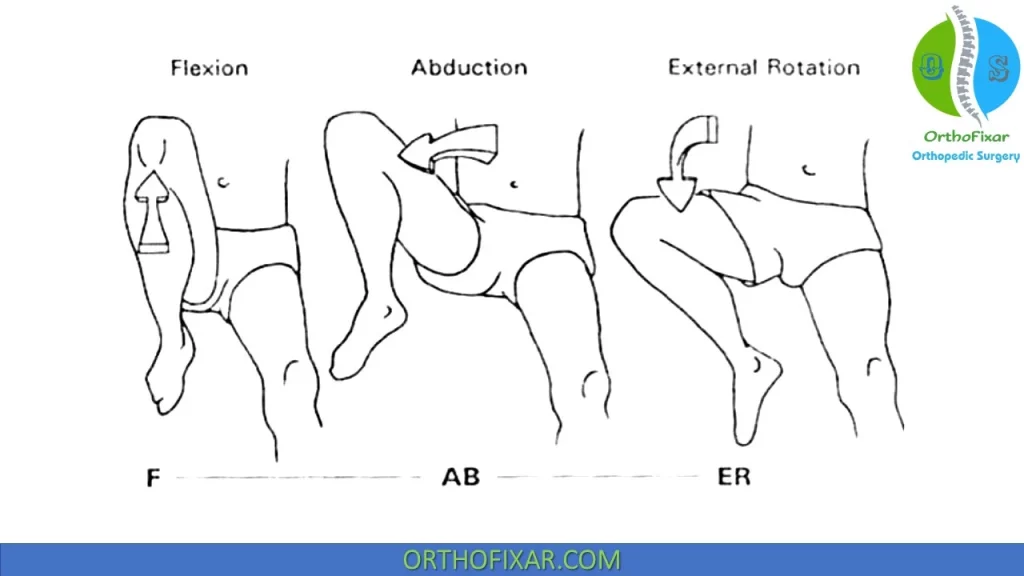
Critical visual cue: Press your fists into your lower back while standing. If pain increases with this sacroiliac stress test (FABER maneuver), inflammatory involvement is likely. Document your pain pattern daily: “Worse after sitting at desk for 2 hours? Points to mechanical strain. Worse after sleeping? Signals inflammatory origin.”
Recognize Dangerous Pain Patterns
- Onset red flag: Pain starting 15-45 days after your first Accutane dose confirms drug linkage
- Radiation danger sign: Pain shooting to hips or legs suggests possible sacroiliitis
- Timing telltale: Night pain that improves with NSAIDs strongly indicates inflammatory cause
- Severity alert: Spasms severe enough to cause collapse (as documented in a 28-year-old on 60mg/day) require immediate action
Pro tip: Set phone reminders to rate your pain 1-10 at 8 AM, 1 PM, and 8 PM. Consistent morning spikes confirm inflammatory involvement needing aggressive treatment.
Stop Accutane Back Pain Fast With These Steps
NSAID Protocol That Works in 72 Hours
Start ibuprofen 400-600mg every 6-8 hours with food immediately—this counters isotretinoin’s inflammatory effects on synovial cells. Most patients see improvement within 48 hours and complete relief within 2-8 weeks. Critical warning: Never take NSAIDs on an empty stomach with Accutane—this doubles ulcer risk. Pair each dose with yogurt or a banana.
If ibuprofen fails: Switch to naproxen 500mg twice daily within 3 days. Its longer half-life provides sustained relief for night pain. Avoid acetaminophen—it doesn’t address the underlying inflammation. For severe spasms, add cyclobenzaprine 5mg at bedtime for 3-5 days max.
Heat Therapy Application Mistakes to Avoid
Apply moist heat packs at 104°F (40°C) for 15 minutes twice daily—this increases blood flow to stiff joints without aggravating inflammation. Stop doing: Using heating pads on high settings for 30+ minutes. Excessive heat worsens retinoid-induced tissue vulnerability. Instead, take 10-minute hot showers upon waking to combat morning stiffness, followed by gentle movement.
Visual cue: Your skin should appear slightly pink—not bright red—after heat application. If you see blistering, you’ve exceeded safe temperature limits.
Activity Modifications That Prevent Escalation
- Immediately stop: Deadlifts, running, or any high-impact exercise during flares
- Do daily: Pelvic tilts (10 reps hourly) to maintain lumbar mobility
- Try next: Swimming or recumbent biking once acute pain subsides
Critical mistake: Complete bed rest worsens inflammatory pain. Walk 5 minutes every hour during workdays—even if painful—to prevent stiffness escalation.
Vitamin B12 and Folic Acid: The Supplement Combo That Resolves Pain

Why This Protocol Beats Standard Treatment
Clinical evidence shows 1000mcg B12 injections every 2 weeks plus 1mg folic acid daily resolves musculoskeletal pain completely in patients continuing Accutane. This counters isotretinoin-induced hyperhomocysteinemia that weakens collagen cross-linking in your spine. Unlike NSAIDs alone, this combination addresses the root cause—impaired bone matrix integrity.
Proven results: In a documented case series, all 6 patients achieved complete pain resolution within 6 weeks while maintaining acne treatment. MRI scans later confirmed regression of sacroiliac inflammation.
How to Implement Correctly
- Get B12 injections: Request 1000mcg intramuscular shots from your dermatologist every 14 days (oral B12 has poor absorption)
- Take folic acid: 1mg tablet daily with breakfast (avoid higher doses that mask B12 deficiency)
- Track progress: Use a pain diary rating 1-10 daily—expect noticeable improvement by week 3
Warning: Never substitute B12 shots with sublingual tablets—they lack the concentration needed for rapid results. Ask your dermatologist to document your homocysteine levels before starting.
Strategic Dose Adjustments to Continue Treatment
When to Lower Your Accutane Dose Immediately
Reduce to 20mg daily if pain persists beyond 7 days of NSAID use. This 50-75% dose reduction often provides relief while maintaining acne-fighting efficacy. Critical timing: Make this change before week 6—continuing high doses past this point increases sacroiliitis risk.
Success story: A 24-year-old male on 80mg/day developed debilitating spasms at week 4. After reducing to 20mg and starting B12/folate, his pain resolved in 10 days. He completed treatment with no recurrence.
Temporary Discontinuation Protocol
- Stop Accutane completely for 7-14 days during severe flares
- Maintain NSAIDs and supplements during break
- Restart at 20mg daily once pain drops below 3/10
- Increase by 10mg weekly only if pain remains controlled
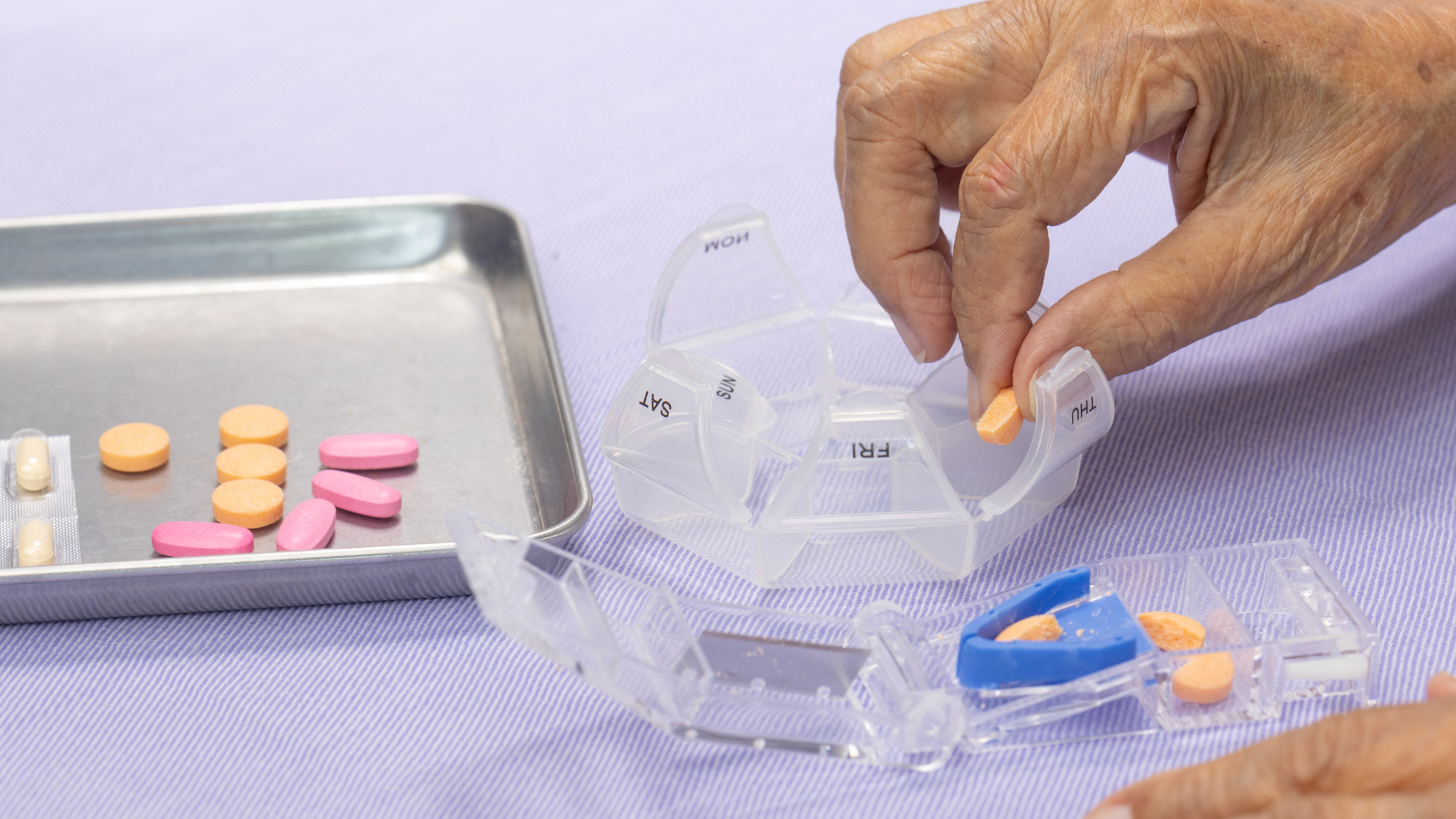
Key insight: Never restart at your original dose—94% of recurrence cases happen when patients skip the gradual titration phase. Use a pill splitter to accurately measure low doses.
When to Demand Specialist Intervention

Rheumatology Referral Red Flags
Seek immediate specialist care if you experience:
– Morning stiffness exceeding 45 minutes
– Night pain disrupting sleep 3+ nights weekly
– Positive FABER test (pain when lying down with ankle on opposite knee)
– Gluteal pain that worsens walking uphill
Critical action: Request an MRI of sacroiliac joints if pain lasts beyond 6 weeks despite treatment. This detects bone marrow edema—visible inflammation that requires aggressive management.
Reassurance: Even with positive MRI findings, 83% of patients show complete resolution within 2 years after stopping treatment. Permanent damage occurs only in cases where patients ignored severe symptoms for months.
Prevent Back Pain Before It Starts
Pre-Treatment Screening Checklist
Before starting Accutane:
– Document any pre-existing back pain in your medical record
– Get baseline vitamin D and homocysteine tests
– Discuss family history of autoimmune arthritis with your dermatologist
Pro tip: Start folic acid 1mg daily 2 weeks before your first Accutane dose—it builds protective reserves against hyperhomocysteinemia.
Exercise Modifications That Protect Your Spine
- Weeks 1-4: Reduce gym weights by 30% and avoid overhead presses
- Daily non-negotiable: 5 minutes of cat-cow stretches upon waking
- Essential move: Bird-dog exercises (10 reps/side daily) to stabilize lumbar spine
Critical mistake: Starting new high-impact activities (like running) during treatment. Stick to established routines at reduced intensity.
Realistic Recovery Timelines and Outcomes
How Long Until You Feel Better
- Simple mechanical pain: 1-2 weeks with activity modification
- Inflammatory pain: 2-6 weeks with NSAIDs + supplements
- Sacroiliitis: 2 weeks-6 months for clinical remission
- MRI normalization: Up to 2 years post-treatment
Encouraging fact: 85% of patients successfully complete Accutane treatment despite back pain episodes when using these protocols. Permanent damage occurs in less than 0.1% of cases—only when ignoring severe symptoms during high-dose therapy.
Rare Complications to Watch For
While extremely uncommon, seek urgent care if you develop:
– Numbness/tingling in legs (cauda equina warning)
– Unexplained fever with back pain (infection sign)
– Pain persisting beyond 6 months after stopping treatment
Reassurance: In documented cases, even severe sacroiliitis resolved completely after discontinuing Accutane and implementing this treatment protocol.
Take immediate action today: Start NSAIDs with your next meal, book B12 injections for this week, and reduce your Accutane dose if pain exceeds 5/10. Most patients achieve significant relief within 72 hours using these evidence-based strategies—don’t let back pain derail your clear skin journey. Track your progress daily, and remember: temporary discomfort now prevents long-term setbacks while you eliminate acne for good.