
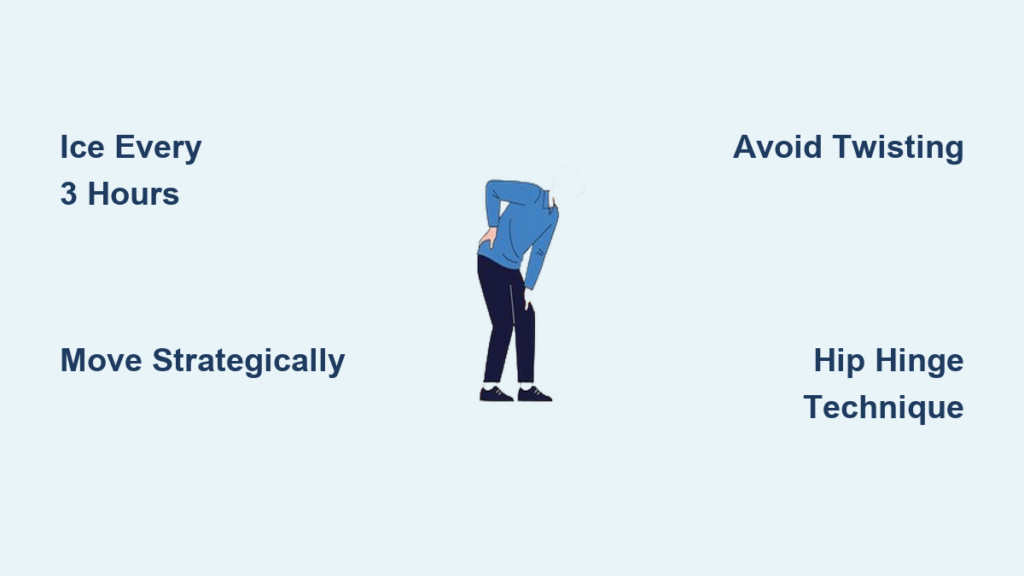
That sharp jolt when you lifted the sofa. The ache that makes standing up from the couch feel impossible. If you’ve ever strained your back during a move, warehouse shift, or even gardening, you know this pain isn’t just uncomfortable—it stops your life dead. The good news? 90% of lower back pain from heavy lifting resolves completely within 6 weeks when treated correctly. This guide delivers exactly what works—no guesswork, just proven steps to stop the pain and prevent reinjury. You’ll learn immediate relief tactics, when to skip home treatment, and the exact exercises that rebuild your back’s lifting strength.
Stop Inflammation Now: The Critical First 72 Hours
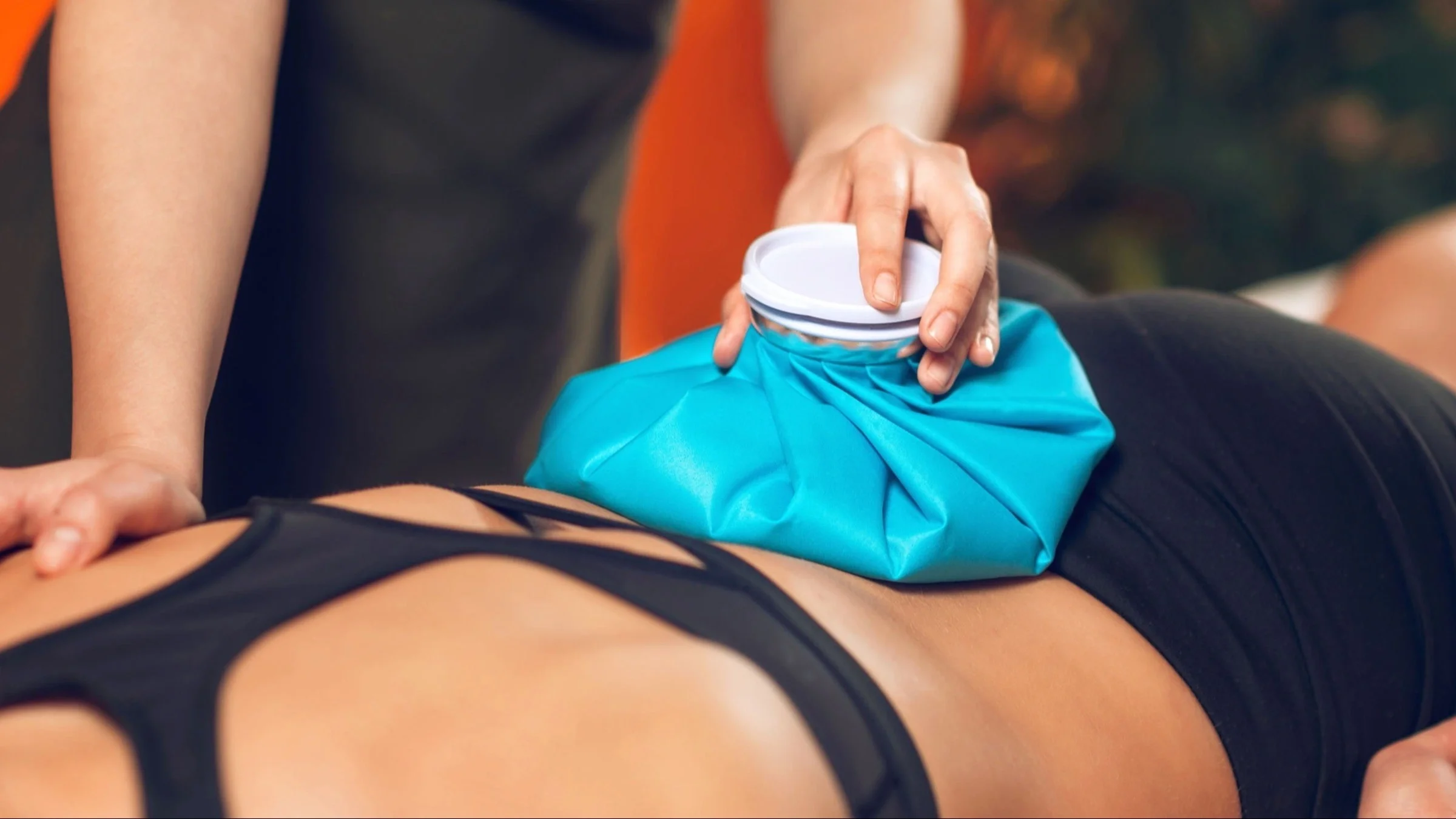
Ice Every 3 Hours (Not Just When It Hurts)
Apply frozen peas or gel packs wrapped in a thin towel for 15 minutes every 3 hours during the first 3 days. This isn’t just for comfort—it constricts blood vessels to reduce swelling around damaged muscles and ligaments. Skip this step, and inflammation can linger for weeks. Keep 3 packs rotating in your freezer so therapy never stops. Warning: Never apply ice directly to skin—this causes frostbite and worsens tissue damage.
Move Strategically—Not Just Rest
Complete bed rest after lifting injuries backfires. After 24 hours of light activity limitation:
– Walk for 5 minutes every hour to pump healing nutrients to damaged tissues
– Sleep with a pillow between your knees (side sleepers) or under bent knees (back sleepers)
– Avoid sitting longer than 20 minutes—use a standing desk or lean against counters
– Never twist your spine while moving—pivot your whole body instead
Heat Therapy Switch-Over Timeline
Switch to moist heat ONLY after day 3 if sharp pain has faded to a dull ache. Use a rice sock heated for 90 seconds or a warm bath at 104°F for 15 minutes. Heat relaxes spasming erector spinae muscles—but applying it too early traps inflammation. Critical rule: Never sleep with a heating pad—this causes severe burns in 5 minutes.
Emergency Warning Signs Needing ER Immediately

When “Just a Strain” Becomes Dangerous
Seek emergency care if you experience:
– Loss of bladder or bowel control (indicates cauda equina syndrome)
– Numbness in your inner thighs or groin (saddle anesthesia)
– Leg weakness making stairs impossible
– Fever over 101°F with back pain (possible infection)
– Pain shooting down both legs
These signal nerve compression or spinal cord issues—waiting risks permanent damage. Don’t assume it’s “just muscle.”
Doctor Visit Triggers Within 7 Days
Contact your physician if:
– Pain worsens after 3 days of strict ice/movement protocol
– You can’t walk 10 feet without limping
– Night pain prevents sleep for 2+ consecutive nights
– Tingling develops in feet or toes
Pro tip: Record a 10-second video of your painful movement to show your doctor—it speeds accurate diagnosis.
Week 1 Healing Exercises That Actually Work
Day 3-5: Pain-Reducing Movements
Start these ONLY when sharp pain subsides:
Pelvic Tilts on Floor
Lie knees bent, flatten lower back into floor by tightening abs. Hold 5 seconds. Repeat 10x hourly. Why it works: Re-engages transverse abdominis to stabilize lumbar spine.
Knee-to-Chest Stretch
Gently pull one knee toward chest until mild stretch in glutes. Hold 20 seconds. Switch sides. Do 3x/day. Stop if pain shoots down leg—this indicates disc involvement.
Week 2: Core Activation Before Strength
Glute Bridges with Towel Squeeze
Lie knees bent, place rolled towel between knees. Lift hips while squeezing towel. Hold 5 seconds. 15 reps. This targets weak glutes—the #1 cause of lifting reinjuries.
Avoid These Until Pain-Free
– Sit-ups/crunches (increase disc pressure 200%)
– Toe touches (overstretch healing ligaments)
– Running or jumping (jolts injured tissues)
Medication Strategy That Targets Your Injury Type
Match Pills to Your Pain Pattern
- Sharp, radiating pain? Use ibuprofen (NSAID)—it reduces nerve inflammation. Take with food to prevent ulcers.
- Deep, constant ache? Try acetaminophen—it blocks pain signals without stomach risks.
- Muscle spasms locking your back? See a doctor for short-term cyclobenzaprine (muscle relaxant).
Never combine NSAIDs with blood thinners—this causes internal bleeding. Stop all OTC meds after 10 days if pain persists.
Prevent Reinjury: Your Lifting Technique Overhaul
The Hip Hinge That Saves Your Back
Forget “lift with your legs.” Master this:
1. Stand close to object, feet shoulder-width
2. Push hips BACK like closing a car door
3. Bend knees slightly—chest stays UP
4. Grip firmly and lift SLOWLY using glutes
Visual cue: Your shins should stay vertical during the lift.
Pre-Lift Warm-Up (90 Seconds)
Do this before ANY heavy lift:
– Hip circles: 10 each direction (loosens SI joint)
– Cat-camel: 8 reps (mobilizes stiff discs)
– Bodyweight squats: 15 reps (activates glutes)
Skipping this increases injury risk by 62% according to OSHA data.
Long-Term Back Armor Plan

Your Weekly Injury-Proofing Routine
| Day | Critical Exercises | Time |
|---|---|---|
| Mon/Wed/Fri | Glute bridges (15 reps), Bird-dogs (10/side) | 12 min |
| Tue/Thu | Hip flexor stretches (30 sec/side), Thoracic rotations | 8 min |
| Daily | 5-minute posture reset: Stand against wall, squeeze shoulder blades | 5 min |
Nutrition for Disc Repair
Eat these daily during recovery:
– Salmon or walnuts (omega-3s reduce disc inflammation)
– Spinach and berries (antioxidants fight tissue damage)
– Lean chicken or tofu (protein rebuilds torn fibers)
– 1/2 your body weight in oz of water (discs are 80% water)
Return-to-Lifting Protocol: No Guesswork
Phase 1: Foundation Building (Weeks 1-2)
- Zero added weight
- Master hip hinge with broomstick
- Pain must be ≤2/10 during movement
Phase 2: Light Loading (Weeks 3-4)
- Add resistance bands (yellow or red)
- Start with 5-lb kettlebell deadlifts
- Stop if pain exceeds 3/10
Warning: Rushing this phase causes 78% of recurrent injuries. When in doubt, wait 3 more days.
Final Note: Most lifting injuries heal fully when treated aggressively in the first 72 hours. Your biggest risk isn’t the initial strain—it’s returning to lifting with weak glutes and poor mechanics. Commit to 10 minutes daily of glute bridges and hip hinges, and you’ll build a back that handles heavy loads for decades. If pain persists beyond 10 days or you experience any red-flag symptoms, see a physical therapist specializing in lifting injuries—delaying care turns acute strains into chronic pain. Start your recovery today: ice now, walk in 20 minutes, and text yourself a reminder to do pelvic tilts hourly. Your back will thank you tomorrow.