
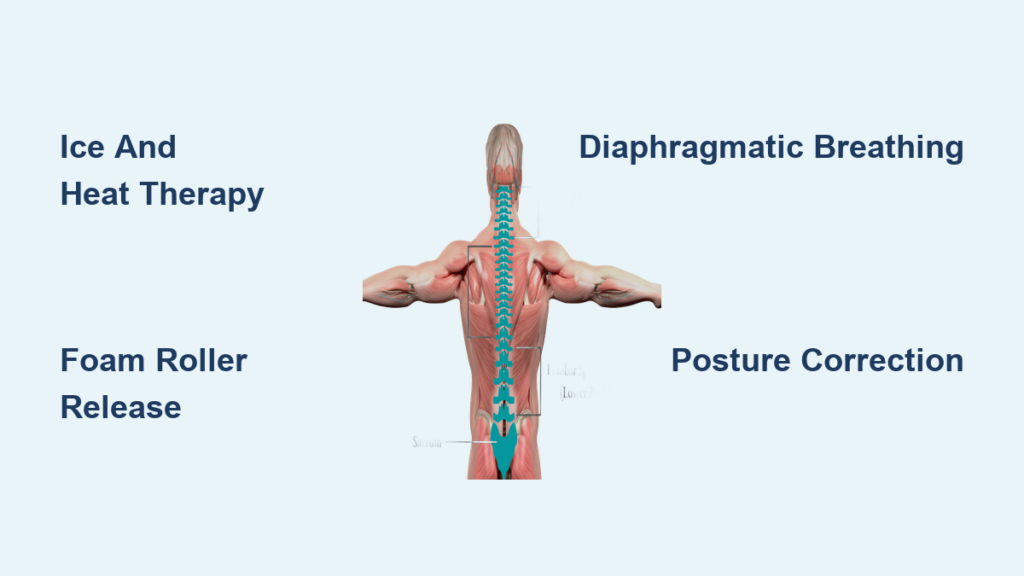
That sharp twinge between your shoulder blades after hours at your desk isn’t just annoying—it’s your thoracic spine signaling serious trouble. Unlike lower back pain that dominates headlines, thoracic pain affects 15-20% of adults annually yet remains widely misunderstood. Whether you’re a programmer hunched over keyboards or a weekend gardener twisting repetitively, this guide delivers clinically proven solutions to eliminate your mid-back misery. You’ll discover exactly why your T4 vertebra flares up, immediate drug-free pain relief methods, and a step-by-step recovery plan that works even after months of suffering. Stop guessing which stretches help—let’s transform your thoracic spine from pain generator to powerhouse.
Pinpoint Your Exact Thoracic Pain Cause
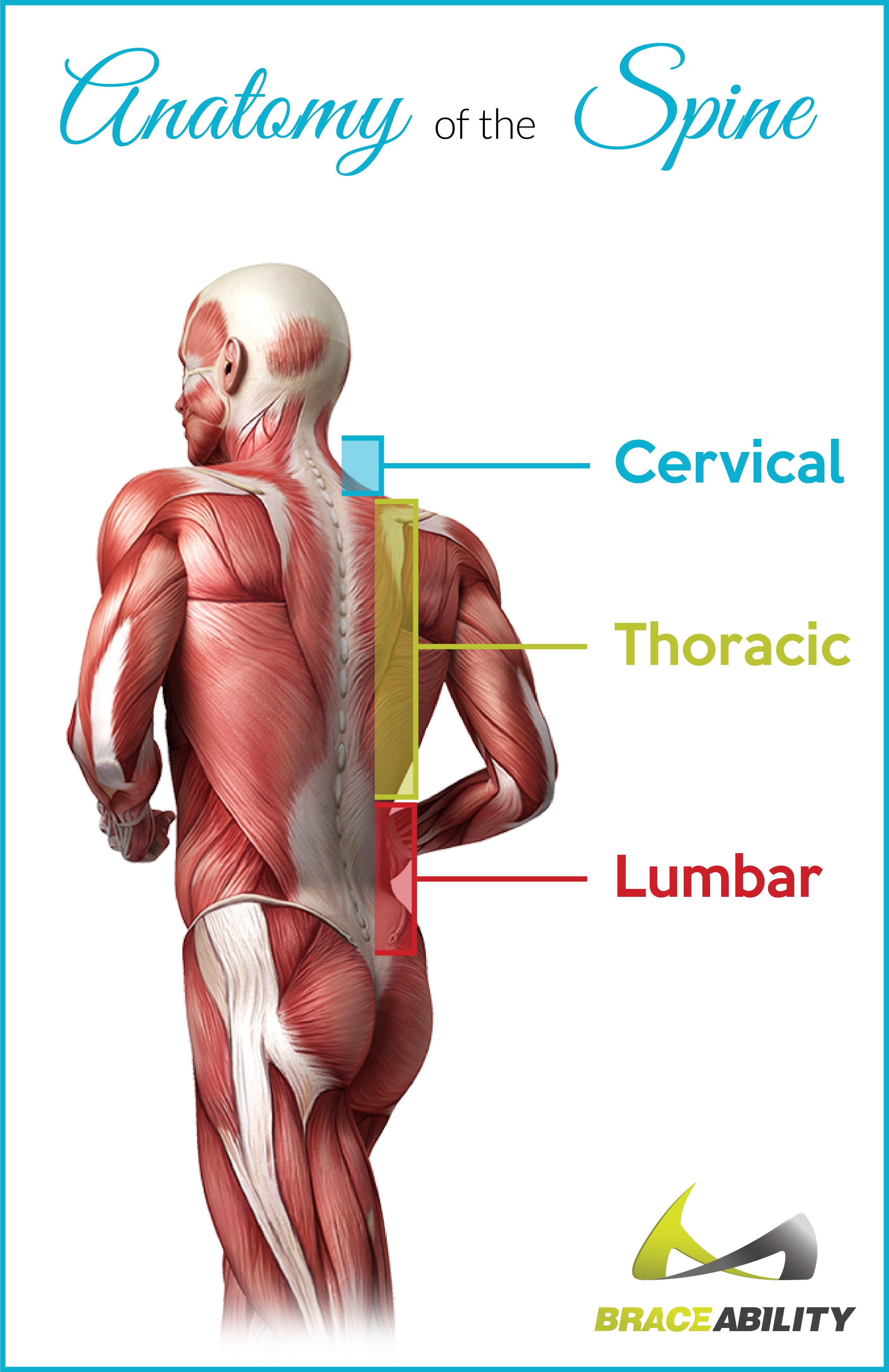
Your thoracic spine’s 12 vertebrae anchor to your rib cage, creating stability at the cost of mobility. This unique design makes it vulnerable to specific stress patterns that create predictable pain signatures. Postural dysfunction dominates among office workers—every hour spent with rounded shoulders adds 10 pounds of pressure on your T3-T8 joints, creating stubborn trigger points in your rhomboids that resist regular massage. Mechanical overload from activities like golf or improper lifting irritates costovertebral joints where ribs meet your spine, causing sharp pain during deep breaths or rotation. Less commonly, systemic issues like gallbladder disease or ankylosing spondylitis refer pain here—these demand medical evaluation if accompanied by fever or unexplained weight loss.
Recognize Dangerous Red Flags Immediately
Don’t ignore symptoms requiring emergency care: progressive leg weakness, bowel/bladder dysfunction, or crushing chest pain radiating to your jaw. These could indicate thoracic myelopathy or cardiac issues masquerading as back pain. Severe trauma from falls or car accidents also warrants immediate imaging to rule out fractures. If your pain worsens despite rest for over two weeks, seek professional evaluation—early intervention prevents chronic disability.
Stop Thoracic Pain in 20 Minutes Without Medication
When breathing triggers 7/10 pain, these evidence-based techniques provide rapid relief by targeting the root cause.
Ice and Heat Therapy Protocol
Within 72 hours of injury: Apply ice packs wrapped in a thin towel for 15-20 minutes every 2-3 hours. This reduces inflammation in irritated costovertebral joints—never place ice directly on skin. After 72 hours: Switch to moist heat packs for 20-30 minutes twice daily. Moist heat penetrates deeper than dry pads, increasing blood flow to tight paraspinal muscles. For chronic tension, try contrast therapy: alternate 3 minutes of heat with 1 minute of ice. This pumps metabolic waste from knotted tissues while accelerating healing.
Smart Medication Choices
NSAIDs like ibuprofen (400-800mg every 6 hours) effectively target joint inflammation—but never exceed 2400mg daily to avoid stomach bleeding. Acetaminophen (500-1000mg every 6 hours) works better if you have kidney issues, but stay under 3000mg daily. Skip muscle relaxants—they cause drowsiness without fixing underlying posture problems. For stubborn trigger points, topical diclofenac gel applied 3-4 times daily reduces pain with fewer systemic side effects.
DIY Spinal Mobilization Techniques That Work
Professional care helps, but these self-treatment methods deliver immediate relief at zero cost.
Effective Home Mobilization
Foam roller release: Position the roller horizontally across your upper back (T4-T8 level). Support your head with interlaced fingers, gently arch backward over the roller. Hold 30 seconds on tender spots to restore lost extension from desk work—never roll your lumbar spine. Double tennis ball technique: Tape two balls together creating a “peanut” shape. Lie on your back with the balls between shoulder blades, then slowly circle your arms to mobilize stuck segments. Doorway pec stretch: Place forearms against doorframe, step forward until you feel chest stretching. Hold 30 seconds for 3 sets to counteract rounded shoulders compressing thoracic joints.
When to Call Professionals
Seek physical therapy or chiropractic care if pain persists beyond two weeks, you can’t rotate equally both directions, or numbness radiates to your chest. Professionals use spinal mobilization techniques for costovertebral joints and dry needling for deep rhomboid trigger points—methods impossible to self-administer safely.
Progressive Exercise Plan for Full Recovery

Jumping straight to strengthening worsens thoracic pain. Follow this phased approach based on your current pain level.
Phase 1: Acute Pain Relief (<1 Week)
Perform these hourly when pain exceeds 6/10: Diaphragmatic breathing—lie on your back, hand on belly, inhale 4 seconds, hold 7, exhale 8 for 10 reps. This reduces muscle guarding while improving rib mobility. Hook-lying rotation—knees bent, gently rotate knees side-to-side keeping shoulders grounded. Stop before pain—only 10-15 small movements. Wall isometrics—stand against wall, elbows at 90 degrees, gently push elbows backward holding 5 seconds to activate postural muscles.
Phase 2: Restore Mobility (Week 2-4)
When pain drops to 3-6/10: Cat-camel mobilization—on hands/knees, slowly arch and round your spine focusing on thoracic movement. Complete 15 controlled reps. Thread-the-needle—from quadruped position, slide one arm under your body rotating your thoracic spine. Hold 30 seconds each side to free restricted rotation. Wall angels—back against wall, arms in “goal post” position, slide arms up/down maintaining contact. Do 15 reps to strengthen serratus anterior.
Phase 3: Build Resilience (Week 4+)
For pain under 3/10: Prone Y-T-W raises—lie face down, lift arms in each position for 3 sets of 12-15 reps. This bulletproofs scapular stabilizers. Banded rows—seated with resistance band, pull while squeezing shoulder blades. Complete 3×15 reps to reverse forward head posture. Serratus punches—lie on back holding light weights, “punch” upward focusing on shoulder blade movement. Do 3×20 reps to prevent scapular winging.
Fix Your Environment to Heal Your Spine

Your workspace and bedroom either fuel recovery or perpetuate pain—optimize these critical zones.
Office Setup Checklist
Position your monitor top at eye level—every inch lower forces 10 degrees more neck flexion, increasing thoracic load. Use lumbar support (even a rolled towel) to maintain your natural curve, with feet flat and elbows at 90 degrees. Implement microbreaks—set a timer for every 30 minutes to stand and perform 5 thoracic extensions over your chair back. For laptop users, elevate the screen to eye level with an external keyboard.
Sleep Position Solutions
Back sleepers: Place a pillow under knees to reduce thoracic extension strain. Use a cervical pillow maintaining neck alignment with your mid-back. Side sleepers: Hug a pillow to prevent shoulder internal rotation that stresses joints, with another pillow between knees for spinal alignment. Choose a medium-firm mattress (5-7/10 scale)—excessive softness allows postural collapse during sleep.
Proven Technology for Faster Healing
Targeted TENS Therapy
Place electrodes paraspinal at T4-T8 level using 80-100Hz frequency for 15-20 minutes. This interrupts pain signals without drugs—ideal during acute flare-ups. Avoid direct spine placement which reduces effectiveness.
Massage Gun Protocol
Target paraspinal muscles 30-60 seconds per area—never on the spine itself. Use light pressure on trigger points between shoulder blades; aggressive settings worsen inflammation. Focus on the rhomboid “V” where pain typically concentrates.
Prevention Strategies That Actually Stick
Daily Movement Hygiene
Adopt the 30-minute rule: Change positions every half-hour during prolonged sitting—set phone alarms if needed. This simple habit prevents 80% of postural pain. Maintain a 2:1 pull-to-push ratio in workouts—most people overdo chest exercises, creating shoulder-rolling imbalances. Spend 5 minutes daily on thoracic mobility: cat-camel, thread-the-needle, and doorway stretches maintain gains.
Long-Term Maintenance
Continue key exercises 2-3 times weekly even after pain resolves, using progressive overload—increase weights or reps by 5-10% weekly. Modify high-risk activities: golfers add thoracic rotation drills, swimmers focus on scapular stability. Keep an emergency flare-up kit with ice packs and resistance bands—nip problems during the first twinge by implementing mobility work immediately.
When to Seek Immediate Emergency Care
Get urgent medical evaluation for: severe trauma (falls, car accidents), progressive neurological symptoms (leg weakness, balance issues), crushing chest pain, or fever with back pain. These could indicate fractures, infections, or cardiac events requiring immediate intervention—don’t wait for symptoms to worsen.
Most thoracic back pain sufferers see 50% improvement within two weeks of consistent care using this phased approach. Start with immediate pain relief, progress through mobility exercises, and lock in gains with environmental fixes. Track your daily pain levels—if symptoms persist beyond 4-6 weeks despite following this protocol, consult a spine specialist to rule out structural issues. Your mid-back isn’t doomed to chronic pain; with precise treatment, you can reclaim pain-free movement within weeks.