
That sharp ache between your shoulder blades after hours at your desk isn’t normal wear and tear—it’s your body screaming for help. Upper back pain affects nearly one-third of adults, yet most reach for painkillers instead of fixing the real problem. The truth? Natural solutions can eliminate your discomfort in days, not weeks. This guide reveals exactly how to treat upper back pain naturally using science-backed techniques you can start before lunchtime. Forget expensive treatments—discover how targeted stretches, strategic heat therapy, and posture tweaks deliver lasting relief.
Daily Movement Therapies That Actually Fix Upper Back Pain
Why Swimming Beats Walking for Thoracic Spine Relief
Water-based exercises reduce spinal compression while building strength where you need it most. Unlike walking, swimming’s buoyancy supports your body weight, allowing stiff thoracic vertebrae to move freely. Start with 15-minute daily sessions using the breaststroke—its controlled arm movements specifically strengthen mid-back muscles without straining discs. For immediate relief during acute pain, try the “dead man’s float”: lie face-down in chest-deep water, arms extended forward, and gently rock side-to-side for 5 minutes. This decompresses vertebrae while warming stiff muscles.
Critical mistake to avoid: Never begin swimming with backstroke if pain radiates down your arms. The head-tilted position strains cervical nerves, worsening referred pain. Stick to breaststroke or water walking until mobility improves.
The 3-Minute Desk Stretch Sequence That Stops Pain in Its Tracks
Perform these three moves hourly when working at a computer:
1. Doorway pec stretch: Stand in doorway, elbow bent 90 degrees against frame. Gently lean forward until you feel chest opening (hold 30 seconds per side)
2. Seated thoracic rotation: Sit tall, cross arms over chest. Rotate upper body left while keeping hips square (5 slow reps)
3. Shoulder blade squeeze: Pinch shoulder blades together like holding pencil, hold 5 seconds (10 reps)
Pro tip: Set phone alarms labeled “SPINE CHECK” every 45 minutes. These micro-stretches prevent the muscle shortening that causes 80% of office-related upper back pain.
Heat and Cold Therapy: When to Use Which for Maximum Relief
Ice Application Protocol for Recent Muscle Strains
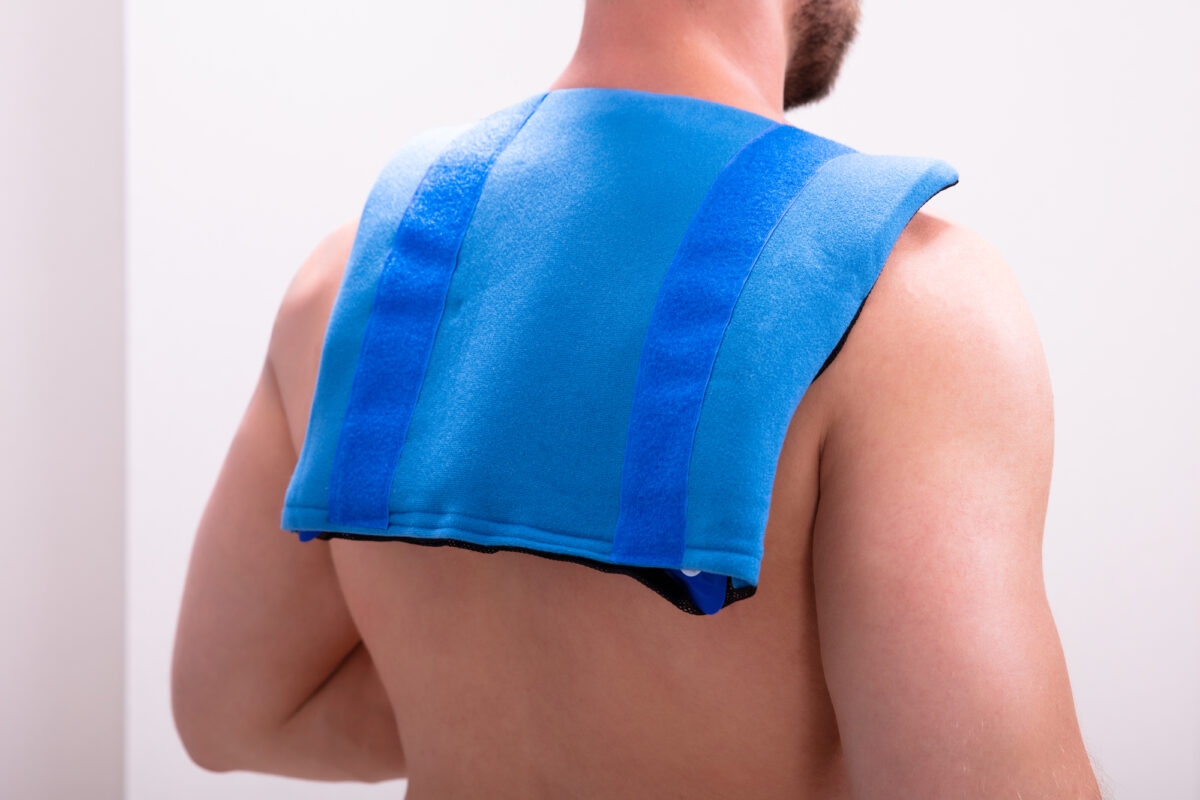
Apply cold therapy within 48 hours of injury or sudden pain onset. Wrap frozen peas in thin towel (never apply directly to skin) and position precisely over the painful spot. Time it for exactly 18 minutes—any longer triggers reactive vasodilation that increases inflammation. Repeat every 2 hours during first 24 hours. You’ll know it’s working when the area feels numb but not tingly. Warning: Skip ice if you have Raynaud’s syndrome—use cool (not cold) compresses instead.
Heat Therapy Tactics for Chronic Aches After 72 Hours
Switch to heat after the initial inflammatory phase. Microwave a rice-filled sock for 45 seconds and place it between shoulder blades while reclining. The moist heat penetrates deeper than dry pads, relaxing knotted rhomboid muscles. For stubborn knots, combine heat with self-massage: press tennis ball against wall, lean painful spot onto it, and make small circles for 90 seconds. Best timing: 20 minutes before bedtime to prevent overnight stiffness.
Precision Posture Correction Strategies That Work Immediately
Computer Setup Fixes That Eliminate Desk-Related Pain
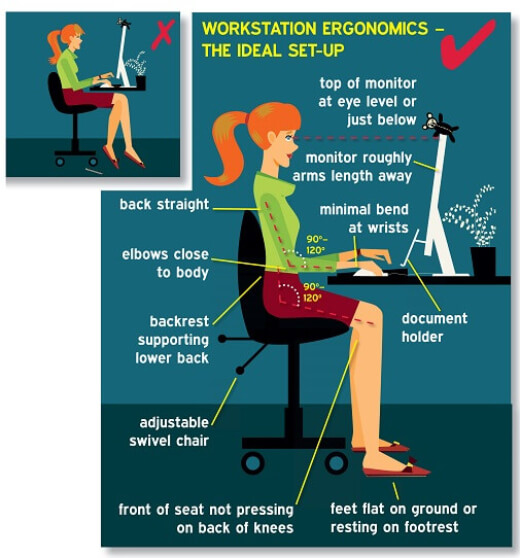
Your monitor height is likely the silent culprit. Position the top third of your screen at eye level—use stacked books if needed. This prevents “forward head posture” that strains cervical-thoracic junctions. Your chair must support your mid-back curvature: roll a towel lengthwise and secure it behind your shoulder blades. Every 30 minutes, perform the “wall angel” test: stand against wall, knees slightly bent, and slowly raise arms overhead while maintaining contact at head, shoulders, and sacrum. If you can’t complete the motion, your posture needs correction.
Red flag: If your lower back loses wall contact during this test, your chair lacks proper lumbar support. This forces upper back muscles to overcompensate, causing pain.
Anti-Inflammatory Diet Shifts That Reduce Pain Within 72 Hours

The 48-Hour Sugar Detox for Pain Reduction
Eliminate all added sugars for two days. Sugar triggers inflammatory cytokines that amplify pain signals from compressed thoracic nerves. Replace sugary coffee with turmeric-ginger tea (simmer 1 tsp turmeric, ½ inch ginger in 2 cups water for 10 minutes). Add black pepper to boost curcumin absorption by 2,000%. Track your pain levels hourly—you’ll likely notice decreased stiffness by day two as inflammation markers drop.
Food swap cheat sheet:
– Instead of soda → Sparkling water with muddled berries
– Instead of pastries → Chia seed pudding with cinnamon
– Instead of lunch salad with ranch → Massaged kale with olive oil dressing
Natural Topical Solutions with Proven Pain-Blocking Power
Menthol Cream Application Technique That Avoids Rebound Pain
Use creams containing 5% menthol—higher concentrations cause nerve desensitization leading to worse pain. Apply pea-sized amount directly to painful area, then massage in circular motions for 60 seconds using your opposite hand (prevents over-application). Wait 3 hours before reapplying. For nighttime relief, combine with heat therapy: apply cream, then place warm (not hot) rice sock over it. Critical note: Never use on broken skin or with heating pads—risk of chemical burns.
Stress Management Techniques That Target Pain at Its Source
The 4-7-8 Breathing Method for Muscle Unknotting
Chronic stress locks upper back muscles in protective tension. Sit upright, tongue touching roof of mouth behind front teeth. Inhale quietly through nose for 4 counts, hold for 7, exhale audibly through mouth for 8 counts. Repeat 4 times. This activates your vagus nerve, signaling muscles to release. Perform this immediately when you feel tension building—don’t wait for full-blown pain. For office settings, do discreet “desk breaths”: inhale while pressing palms together at chest level, exhale while lowering hands.
When Home Remedies Fail: Professional Help Timeline
Red Flags Requiring Same-Day Medical Attention
Stop natural treatments immediately if you experience:
– Pain radiating around your rib cage (possible fractured vertebra)
– Shortness of breath during mild activity
– Chest tightness accompanying back pain
– Sudden weakness in arms or hands
These indicate possible cardiac or neurological issues needing urgent evaluation. For persistent pain without red flags, try natural methods consistently for 7 days. If no improvement, seek physical therapy—studies show it resolves 85% of cases within 6 sessions. Cost-saving tip: Request “direct access” treatment (allowed in all 50 states) to skip costly doctor referrals.
Long-Term Prevention Tactics That Keep Pain Gone for Good
The 5-Minute Morning Routine That Prevents Daily Pain
Start every day with:
1. Foam rolling: Lie on foam roller placed horizontally under shoulder blades (30 seconds)
2. Cat-cow flow: 10 slow repetitions on hands and knees
3. Wall posture reset: Stand against wall for 2 minutes, focusing on stacking ears over shoulders
4. Hydration boost: 16oz water with lemon slice (rehydrates spinal discs)
Pro maintenance strategy: Every Sunday, assess your workstation setup using this checklist: monitor height, chair support, foot positioning. Most people’s setups degrade within 2 weeks—resetting prevents cumulative strain.
Natural upper back pain relief isn’t about quick fixes—it’s about consistent, targeted actions that address root causes. Begin today with the 3-minute desk stretch sequence and posture check. Within 48 hours, you should notice reduced stiffness as inflammation decreases. Remember that 72% of cases resolve with early intervention using these natural methods. Stay patient through the first week as your muscles relearn proper movement patterns. Celebrate small victories like pain-free typing sessions—they’re signs your thoracic spine is healing. For lasting freedom from upper back pain, make the morning routine non-negotiable and schedule quarterly posture checkups with a physical therapist. Your pain-free future starts with the very next stretch.