
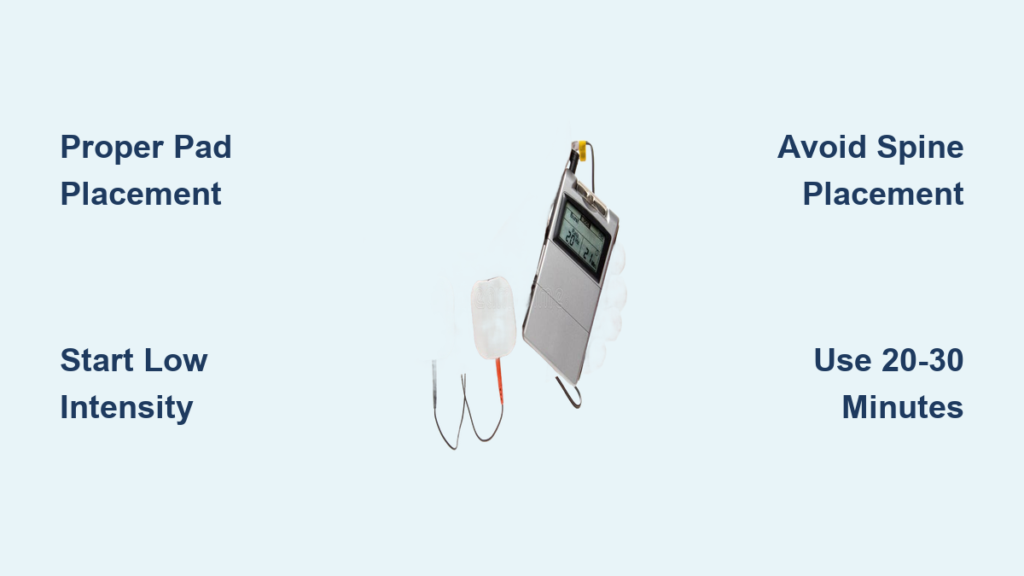
That nagging ache between your shoulder blades after hours at your desk isn’t something you should just endure. Upper back pain affects millions daily, often from poor posture or repetitive strain, making simple movements like reaching for your coffee or turning your head uncomfortable. Before popping another painkiller, consider a drug-free solution that physical therapists regularly recommend: TENS therapy. How to use tens unit for upper back pain properly can deliver immediate relief without medication side effects or dependency risks.
A TENS (Transcutaneous Electrical Nerve Stimulation) unit works by sending gentle electrical pulses through electrode pads placed on your skin. These pulses interrupt pain signals traveling to your brain while triggering your body’s natural painkillers—endorphins. The result? Significant pain reduction that lets you move freely again. This guide gives you the exact steps to use a TENS unit for upper back pain effectively, from proper pad placement to optimal settings.
Why TENS Therapy Works for Upper Back Discomfort
Upper back pain differs from lower back issues—it typically stems from muscle tension, poor posture, or soft tissue injuries rather than spinal problems. This makes it particularly responsive to TENS therapy, which targets both the pain signals and the underlying muscle tension causing your discomfort.
Your TENS unit provides dual-action relief through two mechanisms. First, the electrical pulses stimulate nerve endings to release endorphins—your body’s natural pain relievers. Second, the stimulation creates a “pain gate” effect that blocks pain signals from reaching your brain. Unlike pain medications that mask symptoms, TENS therapy actively interrupts the pain cycle while promoting natural healing processes.
Most users experience noticeable relief within minutes of starting a session. The beauty of this approach is its flexibility—you can use your TENS unit discreetly at your desk, during household chores, or while relaxing on the couch. With proper technique, you’ll transform how to use tens unit for upper back pain from an experimental treatment into your go-to pain management strategy.
Essential Setup Steps Before First Use
Skipping proper preparation reduces TENS effectiveness and can cause skin irritation. Take these five minutes before your first session to ensure optimal results.
Identify your precise pain location by gently pressing along your upper back between your shoulder blades. Note the most tender spots—these become your electrode placement targets. Most upper back pain centers around the trapezius muscles and rhomboids, areas easily reached with proper pad positioning.
Examine your skin for cuts, rashes, or irritation in potential electrode areas. Never apply pads over broken skin or recent surgical sites. Clean the area with mild soap and water, then dry thoroughly—oils, lotions, or sweat prevent proper electrode adhesion.
Check your TENS unit’s battery level and ensure you have fresh electrode pads. Old pads won’t conduct electricity effectively, leading to weak stimulation. Most quality pads last 10-20 uses before needing replacement. Always start with the lowest intensity setting to avoid discomfort during your initial session.
Exact Electrode Placement for Upper Back Relief

Shoulder Blade Pain Placement Technique
When pain concentrates between your shoulder blades, place two electrodes vertically on either side of your spine at your most tender point, keeping them 2-3 inches apart—never directly over the spine. Position the remaining two electrodes horizontally, one on each side of your back at the level of your shoulder blade bottoms. This square pattern effectively treats rhomboid muscle pain while avoiding sensitive spinal structures.
Upper Trapezius Tension Placement Method
For neck-to-shoulder pain, position one electrode at the top of your shoulder where your neck meets your shoulder. Place the second electrode slightly lower and toward your spine. Repeat this placement on the opposite shoulder to create balanced treatment across both trapezius muscles. This prevents the common problem of overcompensation where one side becomes stronger than the other.
Critical Placement Mistakes to Avoid
Never place electrodes directly on the spine or over major blood vessels. The spine contains numerous sensitive structures that don’t respond well to electrical stimulation. Similarly, avoid placing pads over the heart area if you have cardiac concerns. When uncertain, position electrodes slightly off-center from your pain—this still provides effective relief while avoiding sensitive areas.
Optimal TENS Settings for Upper Back Pain

Frequency Selection Based on Pain Type
Start with these proven frequencies based on your specific discomfort. For chronic upper back pain from poor posture, use 2-10 Hz to stimulate endorphin release for longer-lasting relief. Acute pain from recent injuries responds better to 80-120 Hz, creating immediate pain gating for quick relief. Most units offer preset modes—select “Normal” for constant stimulation or “Burst” for chronic pain relief.
Pulse Width and Intensity Calibration
Set pulse width between 150-200 microseconds for muscle-related discomfort. This duration penetrates deeply enough to reach affected muscles without causing discomfort. Start intensity at the lowest setting (1-2 mA) and gradually increase until you feel a strong but comfortable tingling—never to the point of muscle twitching. Most users find their optimal range between 15-30 mA.
Pro tip: Set your intensity just below the point where muscles begin to contract. This provides maximum pain relief without causing muscle fatigue that can worsen upper back tension.
Session Timing for Maximum Results
Acute vs. Chronic Pain Protocols
For sudden upper back pain, use 20-30 minute sessions up to four times daily with at least two hours between sessions. Morning sessions help loosen muscles before daily activities, while evening sessions reduce accumulated tension. For long-term posture issues, use 20-30 minute sessions once or twice daily, five days per week, giving your nervous system rest days to prevent adaptation.
Recognizing Overuse Warning Signs
Stop immediately if you experience increased pain, skin irritation under electrodes, or unusual muscle fatigue after sessions. These signs indicate excessive intensity, too-frequent use, or improper placement. Take a 24-hour break before resuming treatment at lower settings. Never use TENS while sleeping—that’s when you’re most likely to overuse the device.
Troubleshooting Common TENS Issues
Fixing Weak or Uneven Stimulation
If one side feels stronger than the other, first check electrode adhesion. Lift pad edges—if they come up easily, replace them. Clean skin again and reapply firmly. Verify wire connections are fully inserted into both the unit and electrodes. Loose connections create inconsistent current flow that reduces effectiveness.
Solving Skin Irritation Problems
Redness or itching usually indicates worn-out pads or adhesive sensitivity. Switch to hypoallergenic electrode options or apply a thin layer of electrode gel before placement. If irritation persists, rotate placement sites slightly for each session to give skin recovery time. Never use TENS on irritated skin—allow it to heal completely first.
Addressing Pain Worsening After Sessions
Increased pain after TENS therapy suggests excessive intensity or poor electrode placement. Reduce intensity by 25% and verify you’re not placing pads directly over the spine. Also ensure you’re not treating referred pain—sometimes upper back pain originates from neck issues requiring different placement.
Boosting TENS Effectiveness with Complementary Strategies
Posture Integration Technique
Use your TENS unit while maintaining proper posture to retrain muscle memory. Sit with shoulders relaxed and slightly back during 20-minute sessions. The electrical stimulation helps weak postural muscles strengthen in their correct position, accelerating posture improvement that prevents future pain episodes.
Stretching Sequences After TENS
Apply TENS therapy for 10 minutes, then immediately perform gentle upper back stretches. The electrical stimulation loosens tight muscles, making stretches more effective. Focus on doorway chest stretches and shoulder blade squeezes—both counteract forward head posture that causes upper back pain.
Heat Combination Therapy
Apply gentle heat to your upper back for 10 minutes before TENS treatment. Warm muscles conduct electricity more efficiently and respond better to stimulation. Use a warm shower or heating pad, but ensure skin returns to normal temperature before applying electrodes to prevent burns.
Critical Safety Considerations
Never use TENS therapy if you have a pacemaker, implanted defibrillator, or any electronic medical device—the electrical current can interfere with these devices’ function. Similarly, avoid TENS during pregnancy, especially over the abdomen or lower back. Cancer patients should consult their oncologist before TENS use.
If you have heart disease, consult your cardiologist before using TENS near chest areas. Diabetes patients should monitor for skin sensitivity changes, as reduced circulation affects healing. Those with epilepsy should use TENS cautiously, as electrical stimulation might trigger seizures in rare cases.
Test new electrode locations with a brief 5-minute session at low intensity before full treatments. This reveals any unusual sensitivity or allergic reactions. Redness lasting more than 30 minutes after pad removal indicates sensitivity—switch to gentler settings immediately.
When to Seek Professional Guidance
Seek immediate medical attention if upper back pain follows trauma like a fall or car accident. Numbness, tingling, or weakness in your arms or hands indicates potential nerve compression requiring professional assessment. Similarly, pain accompanied by fever, unexplained weight loss, or severe nighttime pain suggests underlying medical issues beyond muscle tension.
Physical therapists provide personalized electrode placement guidance based on your specific muscle imbalances and teach complementary exercises addressing postural causes of upper back pain. Many offer trial sessions with professional-grade TENS units to help determine if home therapy will be effective before purchasing equipment.
Mastering how to use tens unit for upper back pain properly transforms your pain management from daily suffering to active relief. By following precise electrode placement, starting with conservative settings, and maintaining consistent treatment schedules, you’ll experience significant pain reduction without medication dependency. Remember that TENS treats symptoms, not causes—combine electrical stimulation with posture correction and targeted stretching for lasting upper back health. Start your first session today, and within a week, you’ll understand why physical therapists consider TENS units essential tools for upper back pain relief.