
That persistent ache on your left side isn’t just another pregnancy complaint—it’s your body’s way of adapting to incredible changes. Nearly 7 out of 10 pregnant women experience this specific left-sided back pain, often starting in the second trimester when your uterus begins its dramatic expansion. The sharp contrast between morning stiffness and evening exhaustion can make even simple tasks feel impossible, but understanding why this happens opens the door to real relief.
This guide breaks down exactly what’s causing your left back pain and delivers practical, pregnancy-safe solutions you can start using today.
Why Your Left Back Bears the Brunt of Pregnancy Changes
Your uterus naturally rotates rightward as it grows, creating an uneven load that your left back muscles struggle to balance. This asymmetrical stress targets three key muscle groups—the paraspinal muscles along your spine, the quadratus lumborum deep in your lower back, and your left glute muscles—as they work overtime to keep you upright. As your pregnancy progresses, this imbalance becomes more pronounced, particularly when you’re standing or walking for extended periods.
Hormonal Havoc on Spinal Stability
Relaxin and progesterone surge through your system, loosening every ligament in your pelvic region. While this softening prepares your body for delivery, it turns your spine into an unstable structure. Your left back muscles compensate by staying constantly tense, creating that deep, burning ache you feel by evening. This hormonal shift explains why you might suddenly struggle with movements that were effortless just weeks ago.
Organ Shift and Compression Explained
That rightward uterine rotation doesn’t just affect muscles—it compresses your left ureter and can displace your left kidney slightly. This creates a unique flank-to-back pain pattern that many women mistake for simple muscle strain, but it’s actually your organs adapting to new positions. When this happens, you might notice the pain intensifies after drinking fluids or when lying on your back.
Recognizing Your Left Back Pain Pattern
Location and Sensation Guide
Your pain likely centers between your lowest rib and the top of your hip bone, radiating forward along nerve pathways that can confuse you with groin pain. Women typically describe it as:
– Dull, persistent ache after standing
– Sharp stabs when transitioning positions
– Burning sensation after long days
– Throbbing that worsens with each step
This specific pattern helps distinguish pregnancy-related left back pain from other conditions that might require immediate medical attention.
Daily Pain Timeline Revealed
Morning brings stiffness from fluid accumulation overnight. Your pain peaks mid-afternoon when gravity has pulled everything downward, then intensifies again after dinner when fatigue compromises your posture. These predictable patterns actually help you plan your most active tasks for optimal times—schedule demanding activities for early morning when your body feels freshest.
Immediate Relief Strategies That Work Today
Posture Adjustments That Reduce Left-Side Strain
Stop whatever you’re doing and shift your weight to your right leg—this simple move reduces left-sided strain instantly. When standing for tasks like cooking, place your left foot on a small stool or open cabinet shelf. This subtle adjustment drops your left hip, releasing tension in your overworked back muscles. For sitting tasks, use a small pillow behind your lower back to maintain your natural spinal curve.
Heat Therapy Protocol for Pregnancy-Safe Relief
Apply a warm compress to your left lower back for exactly 15 minutes—no longer, as excessive heat can increase inflammation. The sweet spot is warm, not hot. Epsom salt baths work double-duty: the magnesium absorbs through your skin to relax muscles while the water’s buoyancy unloads your spine by 90%. Try this soothing routine twice weekly for maximum benefit without overdoing it.
Targeted Exercise Solutions for Left Back Pain

Core Strengtheners Without Crunches
Bird-dog exercise: On hands and knees, extend your right arm and left leg simultaneously, holding for 5 seconds. This targets deep spinal stabilizers without stressing your abdomen. Perform 8-10 repetitions daily, focusing on maintaining a neutral spine throughout the movement.
Wall sits with pelvic tilts: Slide down a wall until knees are at 90 degrees, then gently flatten your lower back against the wall for 10-second holds. This strengthens glutes and teaches proper pelvic positioning—critical as your center of gravity shifts forward.
Side-lying clamshells: Lie on your right side with knees bent, lifting your left knee like a clamshell opening. This directly strengthens the gluteus medius that stabilizes your left hip and reduces back strain. Add a resistance band above your knees for progressive challenge as your strength improves.
Essential Flexibility Exercises
Tight hamstrings pull your pelvis backward, increasing lumbar curve. Stretch them in side-lying by straightening your top leg and gently pulling it forward. Hold for 30 seconds, repeating 3 times daily. Hip flexor stretches in a modified lunge with left knee down counteract the anterior pelvic tilt that develops as your belly grows—perform this stretch after every prolonged sitting session.
Professional Help When Home Remedies Aren’t Enough
Selecting the Right Maternity Support Belt
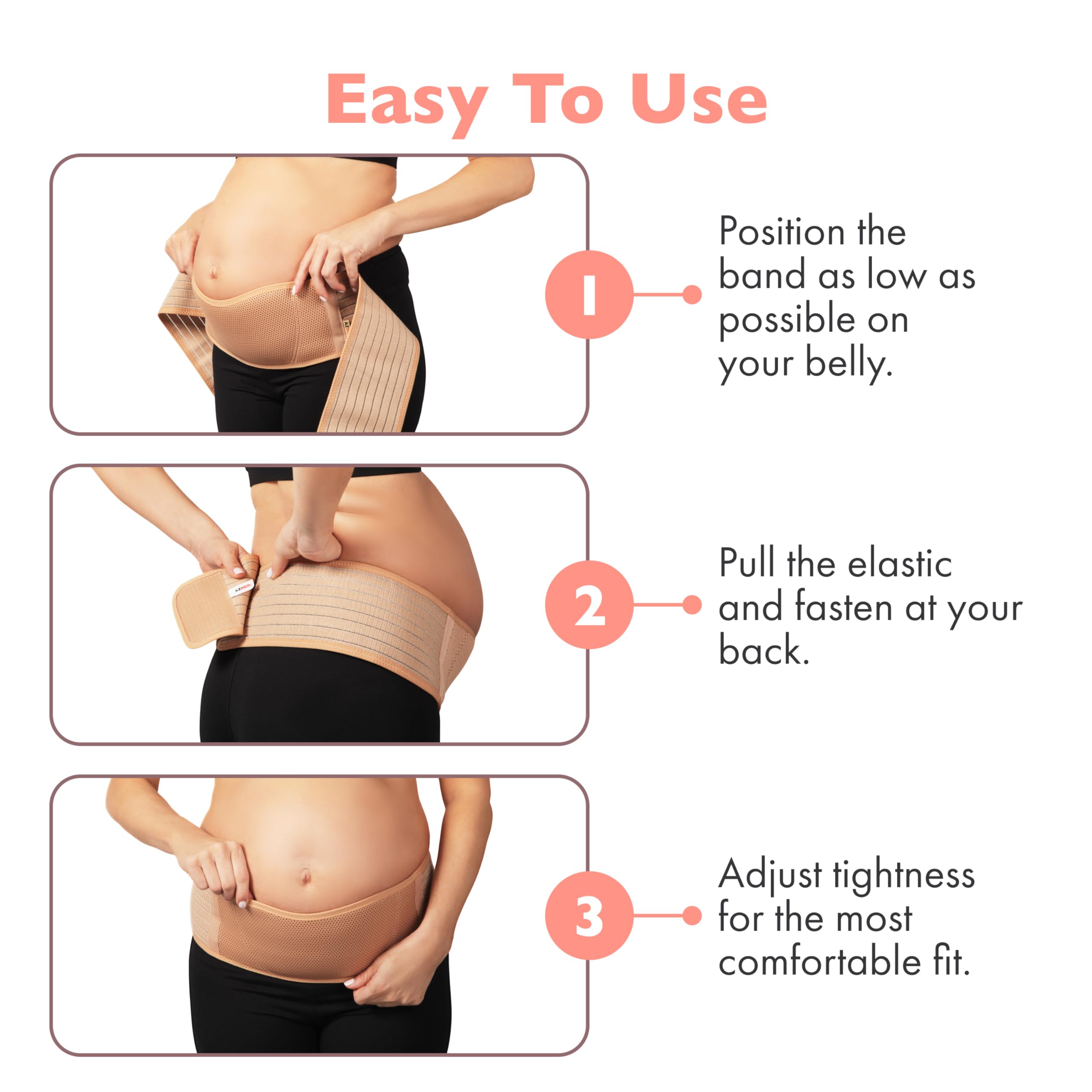
Choose a belt that sits low on your hips, not your waist. The best designs have adjustable compression and don’t roll up when you sit. Wear it for 2-3 hours during your most active periods—not all day—as over-dependence can weaken natural muscle support. Look for styles with a wider back panel that specifically targets left-side support where you need it most.
Finding Qualified Prenatal Massage Therapists
Seek therapists certified in pregnancy massage who understand side-lying positioning. Focus sessions on your quadratus lumborum—the deep muscle between ribs and pelvis—and your piriformis muscle deep in the left buttock. These specific areas often hold tension that contributes significantly to left back pain. Monthly maintenance sessions during second and third trimesters prevent muscle imbalances from becoming chronic.
Critical Warning Signs That Demand Immediate Action
Red Flags You Can’t Ignore
Call your healthcare provider immediately if your left back pain:
– Arrives suddenly with vaginal bleeding
– Features fever over 100.4°F with burning urination
– Includes visual changes or severe headaches
– Causes leg weakness or numbness
– Becomes severe and constant, unlike your usual pattern
These symptoms could indicate serious conditions that require prompt medical attention.
Pre-eclampsia Indicators Every Pregnant Woman Should Know
Flank pain combined with sudden facial swelling, severe headaches, or blood pressure above 140/90 requires emergency evaluation. These symptoms often develop rapidly and need hospital management. Left back pain can be an early warning sign of pre-eclampsia, so don’t dismiss it as “just pregnancy discomfort” if other concerning symptoms appear.
Daily Prevention Habits That Make a Difference
Sleep Setup That Works All Night

Invest in a full-body pregnancy pillow early—don’t wait until you’re desperate. The U-shaped or C-shaped designs maintain side-lying positions throughout the night without requiring constant repositioning. Place a regular pillow between your knees AND ankles to maintain spinal alignment from hips to feet. This simple adjustment prevents the morning stiffness that plagues so many pregnant women.
Mastering Safe Lifting Techniques
Never twist while lifting—pivot your entire body instead. Squat down using your leg muscles, keeping the object close to your body as you rise. For items on the floor, use a “golfer’s reach” technique: bend your right knee and extend your left leg straight back as you hinge forward, keeping your back flat. This position distributes weight evenly and protects your vulnerable left back.
Safe Pain Management Options During Pregnancy
What You Can Take Without Worry
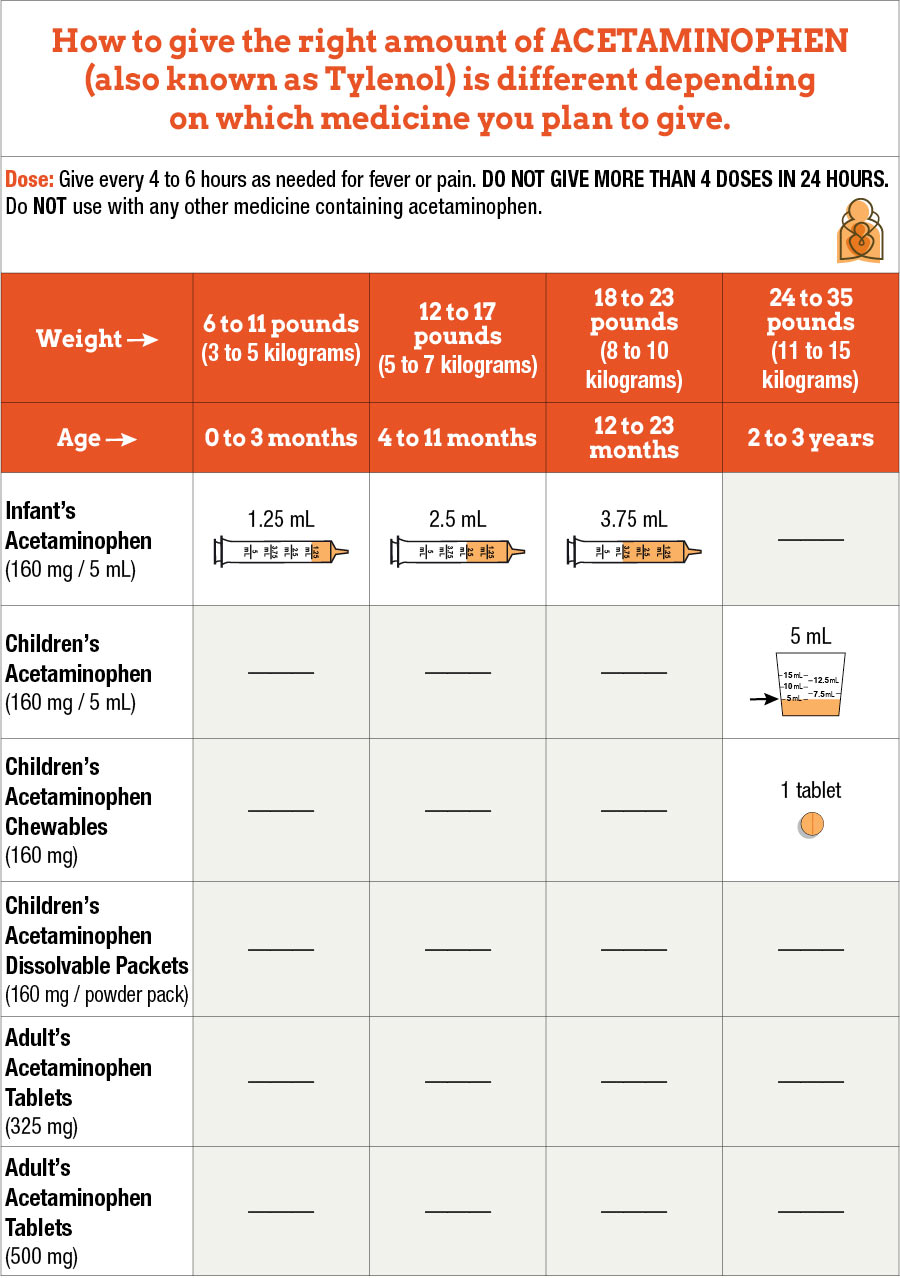
Acetaminophen remains your safest option at doses not exceeding 3000mg daily. Topical menthol rubs under 11% concentration provide localized relief without systemic absorption. Magnesium supplements at 200-400mg daily reduce muscle cramping and improve sleep quality—look for magnesium glycinate for best absorption.
What to Avoid Completely
NSAIDs like ibuprofen or naproxen are off-limits after 20 weeks due to risks to your baby’s heart development. Skip muscle relaxants and any prescription pain medications unless specifically prescribed by your obstetrician. Remember that “natural” doesn’t always mean safe during pregnancy—always check with your provider before trying new remedies.
Long-term Recovery and Prevention Strategies
The good news? Most left-sided back pain dramatically improves within 6-12 weeks after delivery as your hormone levels normalize and your uterus shrinks. However, 1 in 4 women experience lingering pain beyond 6 months, particularly after multiple pregnancies.
If you’re planning more children, start core strengthening between pregnancies. Focus on deep abdominal muscles and pelvic floor strength—these provide natural spinal support that external belts only supplement. Maintaining healthy weight between pregnancies reduces mechanical stress significantly.
Your left back pain isn’t just something to endure—it’s your body’s signal that it needs specific support. By understanding the mechanical causes and implementing targeted strategies, you can reduce both the intensity and frequency of these episodes. Start with the immediate relief techniques today, then gradually build the strengthening and prevention habits that serve you throughout pregnancy and beyond.