
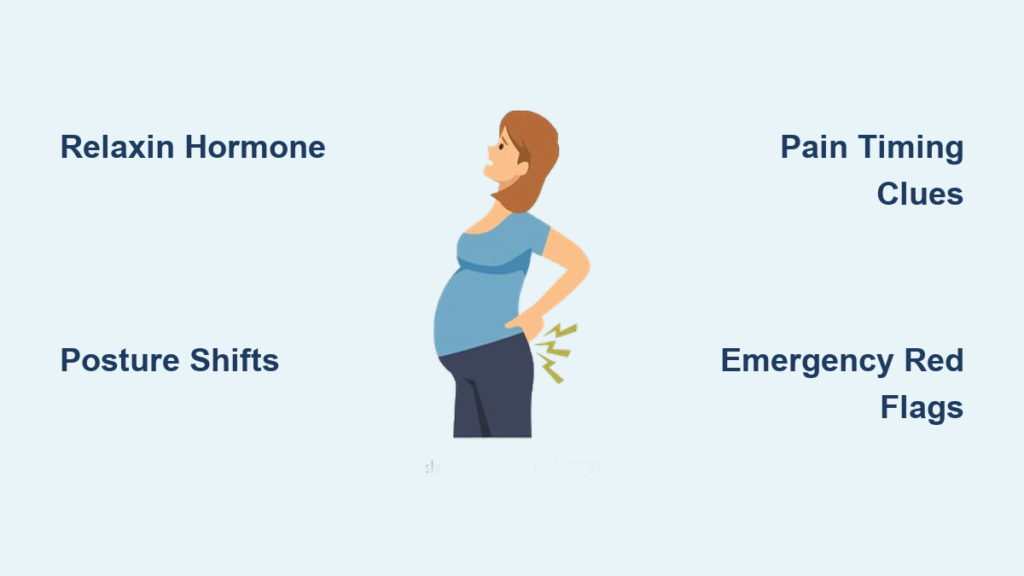
That persistent throb in your lower back might be your body’s first secret message about pregnancy. Unlike typical menstrual discomfort that fades with your cycle, early pregnancy back pain often lingers beyond your expected period date—sometimes appearing as early as 4 weeks gestation, before you’ve even taken a pregnancy test. Nearly one in four women report lower back pain as their initial pregnancy symptom, making it a crucial early indicator many overlook. This comprehensive guide reveals exactly why your back hurts during those critical first weeks and how to distinguish normal pregnancy-related discomfort from warning signs requiring immediate attention.
How Relaxin Hormone Triggers Early Pregnancy Back Pain
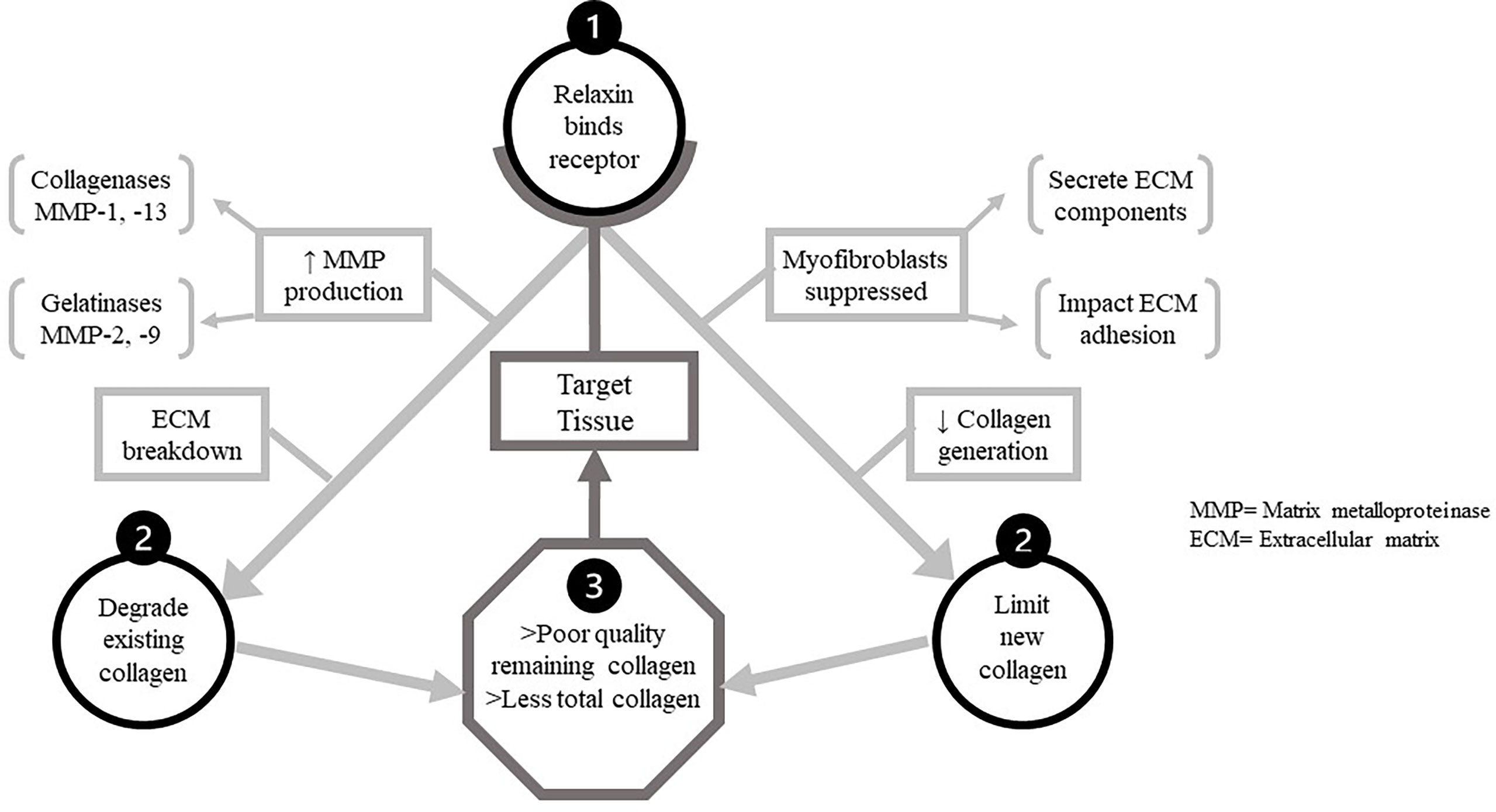
Your body begins its remarkable transformation immediately after conception, with hormonal changes creating the perfect storm for lower back discomfort. The hormone relaxin floods your system right after implantation, deliberately loosening ligaments throughout your pelvis and spine to prepare for eventual childbirth. This chemical messenger peaks during your first trimester, explaining why back pain often strikes suddenly between weeks 4-8—frequently before you’ve confirmed your pregnancy.
Why Your Spine Feels Unstable at 5 Weeks
Relaxin specifically targets your sacroiliac joints and lumbar spine, making these areas exceptionally vulnerable to strain. As ligaments loosen, your spine must compensate by working harder to maintain stability, creating that familiar dull ache many women describe. This process happens long before any visible baby bump appears, which is why first-time mothers often mistake these sensations for ordinary muscle strain or stress.
Postural Shifts Begin Before You Miss Your Period
Your center of gravity starts shifting almost imperceptibly as early as week 4-6 of pregnancy. The pelvis begins anterior rotation in preparation for future fetal growth, placing mechanical stress on your lumbar vertebrae. These subtle changes create a “pseudosciatica” pattern where pain radiates to your buttocks or posterior thighs—similar to sciatica but without actual nerve compression. Most women notice this discomfort intensifies during evening hours after daily activities, particularly if their work involves prolonged standing or sitting.
Spotting Pregnancy Back Pain vs. Menstrual Discomfort
:max_bytes(150000):strip_icc()/HowPeriodvs.EarlyPregnancyCrampsFeel-illo-32b164c42e3542f98223b072b38a8161.jpg)
Distinguishing early pregnancy back pain from typical premenstrual aches requires attention to specific patterns. Pregnancy-related discomfort often feels deeper and more central than menstrual back pain, with key timing differences that serve as important clues.
Critical Timing Clues That Signal Pregnancy
- Weeks 4-5: Intermittent twinges or pulling sensations that continue past your expected period date
- Weeks 6-8: More consistent dull aching that worsens with prolonged standing or lifting
- After missed period: Pain may intensify with daily activities rather than improving
Location and Quality Differences You Should Notice
Pregnancy-related back pain typically centers in the lumbosacral region (L4-S1) and may radiate to your buttocks. Women frequently describe it as creating a “deep ache” that feels different from their usual menstrual discomfort. Unlike menstrual back pain that typically resolves with your cycle, pregnancy-related discomfort persists and often evolves in character as your pregnancy progresses.
Immediate Warning Signs Requiring Medical Attention
:max_bytes(150000):strip_icc()/ruptured-ectopic-pregnancy-symptoms-and-signs-2371253-FINAL-f3e54f00e7db4e8284240b3a65fd4acd.png)
While most early pregnancy back pain is normal, certain symptoms demand urgent evaluation. Severe, unilateral pain could indicate ectopic pregnancy, especially when accompanied by shoulder tip pain or dizziness. Any back pain combined with heavy vaginal bleeding, fever over 100.4°F, or neurological symptoms requires immediate care.
Emergency Red Flags You Must Recognize
- Sudden, sharp pain localized to one side of your lower back
- Back pain with cramping and active vaginal bleeding
- Fever with back tenderness suggesting possible infection
- Numbness, weakness in legs, or bowel/bladder changes
Effective Daily Relief Strategies for Early Pregnancy
Managing lower back pain during your first trimester requires safe, non-pharmacological approaches that protect your developing baby. Heat therapy using warm compresses provides immediate relief—apply for 15-20 minutes to the lumbosacral region while keeping water temperature below 100°F to avoid raising your core body temperature.
Posture Correction Techniques That Work Immediately
Maintain a neutral spine by imagining a string pulling the top of your head upward. When sitting at your desk, use a small pillow or rolled towel behind your lower back for support. Take brief walks every 30-45 minutes to prevent stiffness, and when lifting objects, bend your knees while keeping items close to your body rather than twisting.
Sleep Position Hacks for Back Pain Relief
Side-lying with a pillow between your knees dramatically reduces pressure on your lower back. This position aligns your spine and pelvis while improving circulation to your uterus. Place a second pillow under your abdomen as your pregnancy progresses for additional support. Avoid sleeping on your back after the first trimester as your growing uterus compresses the inferior vena cava.
Three Essential Exercises for Pregnancy Back Pain
Gentle movement often provides better relief than complete rest. These three exercises specifically target pregnancy-related lower back discomfort while strengthening your core without straining your developing body.
Your Daily Pain-Relief Routine
Pelvic tilts: Stand against a wall and flatten your lower back by tilting your pelvis forward. Hold for 5 seconds, then release. Repeat 10 times, twice daily. This simple movement strengthens your transverse abdominis muscles that support your spine.
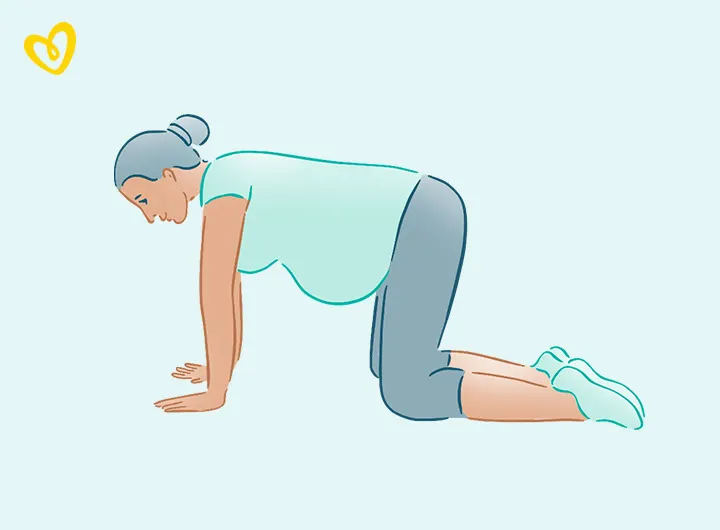
Cat-cow stretches: On hands and knees, alternate between arching your back upward (cat position) then downward (cow position). Move slowly through 10 repetitions, focusing on deep breathing. This mobilizes your spine while relieving pressure on compressed nerves.
Supported wall sits: With your back against a wall, slide down until your thighs are parallel to the floor. Hold for 10-15 seconds initially, gradually building to 30 seconds. This builds quad strength to reduce strain on your lower back during daily activities.
Preventing Back Pain in Future Pregnancies
If you’re planning additional children, starting core strengthening exercises now reduces recurrence risk significantly. Women with previous pregnancy back pain face an 85% chance of experiencing it again, often beginning symptoms 2-4 weeks earlier than their first pregnancy.
Your Preconception Fitness Plan
- Modified planks: Build core stability without straining your back (start with 15-second holds)
- Bird-dog exercises: Improve balance and spinal support (10 repetitions per side)
- Pelvic floor strengthening: Daily Kegel exercises prepare your body for pregnancy
- Hip flexor stretching: Gentle modifications prevent muscle imbalances that contribute to back pain
Understanding Your Personal Risk Factors
Several factors increase your likelihood of experiencing early pregnancy back pain. Previous pregnancy back pain dramatically raises your risk, while occupational factors like prolonged standing or heavy lifting contribute significantly. Higher pre-pregnancy BMI and family history also play important roles in determining your personal susceptibility.
Workplace Adjustments That Make a Difference
If your job involves prolonged sitting, request an ergonomic assessment immediately. Simple changes like raising your computer monitor to eye level and using a chair with proper lumbar support can prevent pain escalation. For standing jobs, anti-fatigue mats and scheduled breaks every hour significantly reduce back strain.
Building Your Pregnancy Support Team
Establish care with a pregnancy-specialized chiropractor or physical therapist early in your pregnancy. The Webster technique offers pregnancy-specific adjustments that can provide significant relief without medication risks. Prenatal massage from certified practitioners addresses muscle tension safely throughout pregnancy.
When to Contact Your Healthcare Provider
Reach out to your provider if back pain interferes with daily activities, prevents sleep, or doesn’t respond to conservative measures within 72 hours. They can rule out complications while ensuring your pain management plan protects your developing baby. Most importantly, they can confirm whether your back pain signals healthy pregnancy progression or requires additional intervention.
Lower back pain as an early pregnancy symptom represents your body’s remarkable preparation for the journey ahead. While 50-70% of pregnant women experience this discomfort at some point, understanding its causes and implementing targeted relief strategies transforms anxiety into empowerment. By recognizing your unique risk factors and implementing these evidence-based techniques early, you’re not just managing pain—you’re actively supporting your body’s incredible transformation. Remember, your growing baby depends on your strength, and addressing back pain proactively ensures you have the energy and comfort needed for this beautiful chapter of motherhood.