
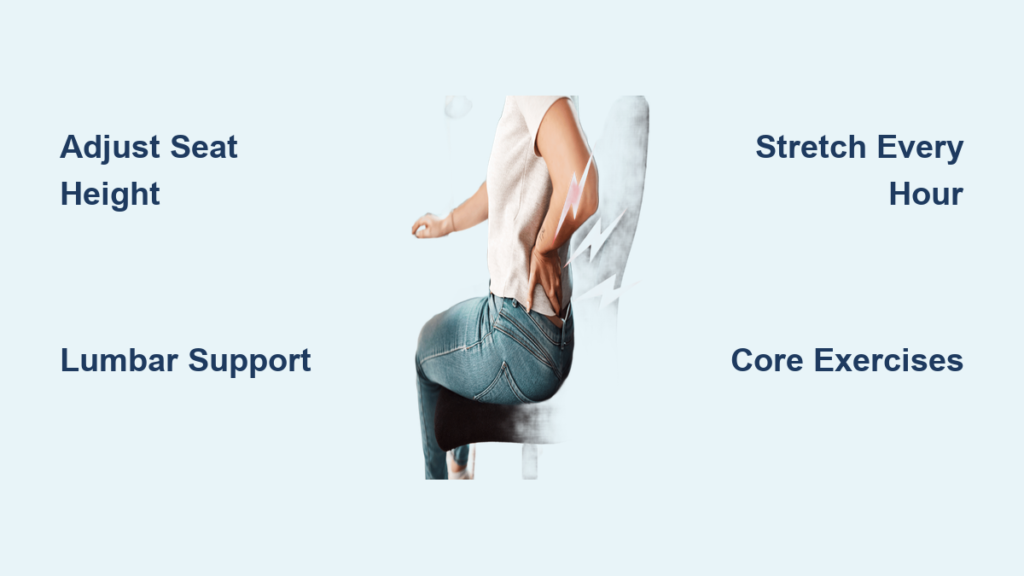
Lower back pain when sitting strikes without warning—one moment you’re comfortable at your desk, the next you’re shifting constantly, searching for relief. This common problem affects up to 23% of adults worldwide, transforming simple activities like working, driving, or relaxing into daily challenges. The lumbar region bears your entire upper body weight when seated, creating pressure that triggers pain within just 15-30 minutes of sitting.
Whether you’re experiencing sudden sharp pain or gradual discomfort that worsens throughout your workday, this guide provides actionable solutions based on clinical evidence. You’ll discover why sitting triggers back pain, how to identify serious warning signs, and most importantly, proven strategies to find lasting relief and prevent future episodes.
Why Sitting Creates Lower Back Pressure
Your lumbar spine transforms into a weight-bearing column the moment you sit down. The L1-L5 vertebrae, normally supported by your legs and core muscles when standing, suddenly absorb up to 40% more pressure than when you’re upright. This increased load compresses intervertebral disks, strains supporting muscles, and aggravates existing conditions like arthritis or disk injuries.
The mechanics are straightforward yet problematic: prolonged sitting weakens your core muscles while tightening hip flexors, creating an imbalance that pulls your pelvis forward and increases lumbar curvature. This postural distortion amplifies pressure on specific vertebrae, particularly L4-L5, where most sitting-related pain originates.
Recognizing Your Pain Pattern
- Sudden onset: Sharp pain appears during extended sitting sessions
- Gradual build-up: Discomfort increases slowly over 15-30 minutes
- Immediate response: Pain triggers within seconds of assuming seated position
Risk Factors That Increase Your Discomfort
Several elements intensify sitting-related back pain:
– Age over 30: Disk degeneration accelerates, reducing natural cushioning
– Excess weight: Each extra pound increases lumbar pressure by 4 pounds when sitting
– Sedentary occupation: Jobs requiring 6+ hours of daily sitting
– Poor posture: Slumping or leaning forward increases disk pressure by up to 90%
Emergency Warning Signs Needing Immediate Attention
Not all sitting-related back pain indicates serious problems, but certain symptoms demand immediate medical care. Understanding these red flags helps you respond appropriately and avoid complications.
Critical Symptoms Requiring Same-Day Care
Seek immediate medical attention if you experience:
– Numbness or tingling: Especially radiating down legs
– Bowel or bladder changes: Loss of control or difficulty emptying
– Severe weakness: Inability to stand from sitting position
– Post-traumatic onset: Pain following a fall, accident, or injury
Prompt Consultation Indicators
Schedule medical evaluation within 24-48 hours for:
– Progressive worsening: Pain intensifies despite position changes
– Radiating pain: Discomfort spreads beyond lower back
– Functional limitations: Cannot perform routine sitting activities
– Persistent symptoms: No improvement after 48 hours of rest
Instant Relief Tactics for Sitting Pain
When lower back pain strikes during sitting, quick interventions can provide significant relief. These evidence-based techniques address acute symptoms while setting the stage for long-term recovery.
5-Minute Relief Protocol
- Stop and stand: Immediately cease sitting and walk for 2-3 minutes
- Apply cold pack: Place ice wrapped in cloth on painful area for 10-15 minutes
- Gentle stretches: Perform standing back extensions and hip flexor stretches
- Over-the-counter relief: Take ibuprofen or acetaminophen as directed
- Posture reset: Sit with feet flat, hips at 90 degrees, lumbar support engaged
Position Modifications for Instant Relief
- Lumbar roll placement: Position a rolled towel or cushion at your lower back’s natural curve
- Seat height adjustment: Ensure hips are slightly higher than knees
- Frequent micro-breaks: Stand every 20-30 minutes, even briefly
- Weight distribution: Use both feet flat on floor, avoid crossing legs
Back-Friendly Workspace Setup
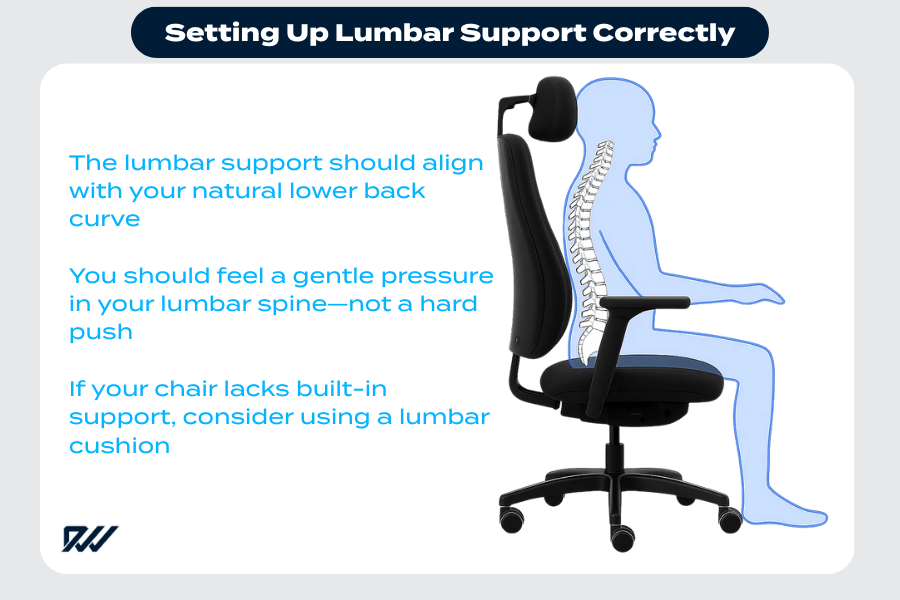
Creating a pain-preventing sitting environment transforms your workspace from pain trigger to supportive ally. Proper ergonomics distribute weight evenly, maintain natural spinal curves, and minimize harmful pressure points.
Essential Workstation Elements
Chair Selection Criteria
– Lumbar support: Adjustable curve matching your lower back’s natural shape
– Seat depth: 2-4 inches between seat edge and back of knees
– Height range: Allows feet flat on floor with thighs parallel
– Armrests: Positioned to keep shoulders relaxed, elbows at 90 degrees
Desk and Monitor Positioning
– Monitor height: Top screen edge at or below eye level
– Keyboard placement: Elbows at 90 degrees, wrists neutral
– Mouse location: Same level as keyboard, within easy reach
– Document holder: Positioned at same height and distance as monitor
Quick Setup Checklist
- [ ] Hips slightly above knees when seated
- [ ] Lower back supported by chair or cushion
- [ ] Feet flat on floor or footrest
- [ ] Shoulders relaxed, not hunched
- [ ] Screen arm’s length away, top at eye level
- [ ] Keyboard and mouse within easy reach
Core Strengthening Exercises for Sitting Relief
Weak core muscles force your lumbar spine to work overtime, accelerating pain and dysfunction. Targeted strengthening creates a natural corset that supports your spine during sitting and other daily activities.
Beginner Routine (5 minutes daily)
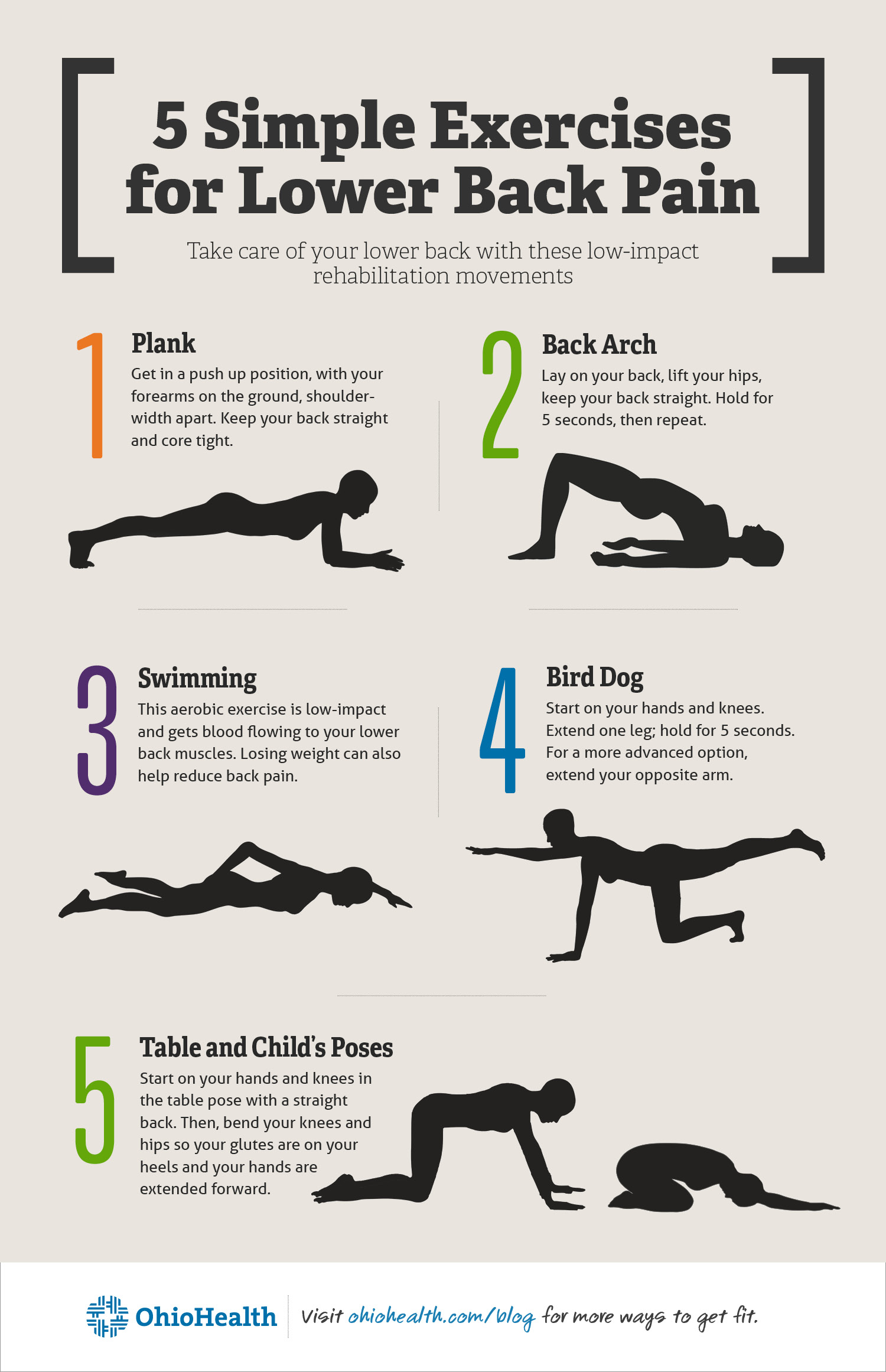
Pelvic tilts: Lie on back, knees bent. Gently flatten lower back into floor, hold 5 seconds. Repeat 10-15 times.
Bird-dog: Start on hands and knees. Extend right arm and left leg simultaneously, hold 5 seconds. Alternate sides, 10 repetitions.
Modified planks: Hold forearm plank position for 15-30 seconds, focusing on keeping back flat and core engaged.
Intermediate Progression
Dead bugs: Lie on back, arms up, knees bent 90 degrees. Slowly lower opposite arm and leg toward floor, return to start. 3 sets of 10.
Side planks: Hold side plank position for 20-45 seconds each side, maintaining straight line from head to feet.
Glute bridges: Lie on back, lift hips by squeezing glutes. Hold 5 seconds at top, 3 sets of 15.
Daily Movement Patterns to Break Pain Cycles
Incorporating strategic movements throughout your day breaks the cycle of sitting-induced pain. These micro-habits strengthen supporting muscles while preventing the stiffness that leads to discomfort.
Workplace Movement Schedule
Set phone reminders for these activities:
– Every 30 minutes: Stand and perform 10 shoulder blade squeezes
– Every hour: Walk to water fountain or bathroom, focusing on tall posture
– Every 2 hours: Complete 5 minutes of standing back extensions
– Lunch break: 10-minute walk or gentle stretching routine
Evening Recovery Routine
Unwind with these restorative movements:
– Child’s pose: Hold 60 seconds, breathing deeply
– Knee-to-chest stretches: 30 seconds each leg, 3 repetitions
– Supine spinal twists: Gentle rotation, 10 each side
– Legs-up-wall pose: 5-10 minutes to decompress spine
Long-Term Prevention Strategies That Work
Creating sustainable habits prevents sitting-related back pain from becoming a recurring nightmare. These strategies address root causes rather than merely treating symptoms.
Lifestyle Modifications
Weight management: Losing 10 pounds reduces lumbar pressure by 40 pounds when sitting. Focus on anti-inflammatory foods and portion control.
Sleep optimization: Use medium-firm mattress with pillow under knees (back sleeping) or between knees (side sleeping) to maintain spinal alignment.
Stress reduction: Chronic tension amplifies pain perception. Incorporate daily relaxation techniques like deep breathing or meditation.
Workplace Adaptations
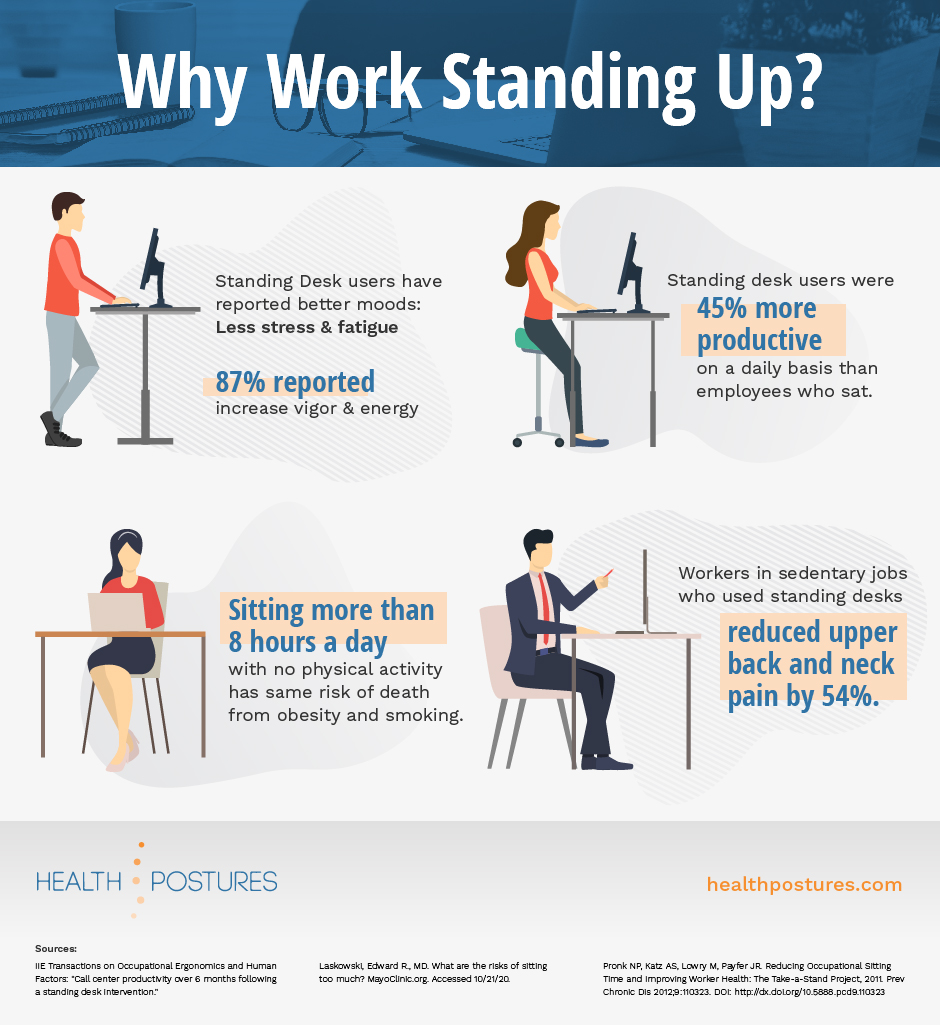
Sit-stand desks: Alternate positions every 30-60 minutes throughout workday
Walking meetings: Replace seated conferences with mobile discussions
Stretch reminders: Use apps or smartwatch alerts for movement prompts
Ergonomic audits: Schedule quarterly assessments of workspace setup
When to Seek Professional Help for Sitting Pain
While most sitting-related back pain resolves with self-care, certain situations warrant expert intervention. Knowing when to escalate care prevents minor issues from becoming major problems.
Immediate Consultation Triggers
- Severe pain preventing basic sitting: Cannot work or perform essential activities
- Progressive neurological symptoms: Increasing numbness, weakness, or tingling
- Pain following trauma: Fall, accident, or sudden injury
- Systemic symptoms: Fever, unexplained weight loss with back pain
Choosing the Right Provider
Physical therapist: Specialists in movement analysis and exercise prescription
Primary care physician: First stop for initial evaluation and treatment recommendations
Chiropractor: Spinal manipulation and postural correction
Pain management specialist: For chronic cases requiring injection therapy
Key Takeaway: Lower back pain when sitting is highly treatable through a combination of immediate relief strategies, ergonomic modifications, targeted exercises, and lifestyle changes. Most people experience significant improvement within 2-6 weeks by consistently implementing these evidence-based approaches. Remember that prevention is always easier than treatment—invest in your spinal health today to avoid future pain episodes.