
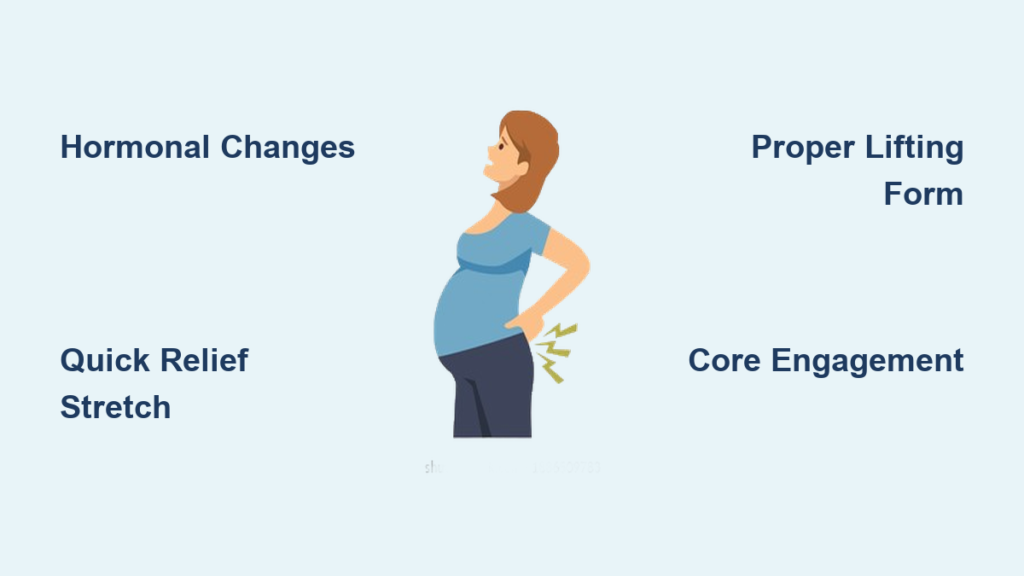
That sharp twinge when you bend down to pick up a toy or the persistent ache that keeps you awake at 3 a.m.—lower left back pain during pregnancy transforms everyday moments into uncomfortable challenges. You’re reaching for your coffee mug and suddenly feel that familiar pull on your left side, or rolling over in bed triggers a deep throb that makes you catch your breath. This specific discomfort affects countless expectant mothers, particularly as their pregnancy progresses into the second and third trimesters. While lower left back pain pregnancy symptoms represent one of the most common pregnancy complaints, understanding the why behind your pain and implementing targeted solutions can dramatically improve your daily comfort without medication.
Research confirms that back pain plagues the majority of pregnant women, with lower left back pain pregnancy episodes often becoming more pronounced as your belly grows. The silver lining? Most of these aches stem from normal physiological changes rather than serious conditions, and numerous evidence-based strategies provide significant relief. By the end of this guide, you’ll have immediate techniques to ease current discomfort, movement modifications to prevent future pain, and clear guidelines for when to seek professional help—empowering you to navigate your pregnancy with greater comfort and confidence.
Hormonal Changes Loosen Everything Creating Vulnerability
Your body releases relaxin and progesterone starting in the first trimester, deliberately loosening ligaments and joints throughout your pelvis to prepare for childbirth. While this biological preparation serves an essential purpose, it simultaneously destabilizes your lower back’s structural support system. Without the usual ligamentous tension, your vertebrae experience increased movement, making the lower left side particularly susceptible to misalignment and strain during routine activities. This hormonal softening explains why movements that never bothered you before—like twisting to grab something from the back seat of your car—now trigger sharp lower left back pain pregnancy episodes.
The asymmetrical nature of this discomfort often stems from your body’s natural tendency to favor one side over another. Most women unconsciously shift their weight to their dominant leg while standing, creating uneven stress on the pelvic joints. When combined with hormonal loosening, this habitual favoring concentrates pressure on the left side of your lower back, leading to the specific pain pattern you’re experiencing. Recognizing this connection helps you target your relief efforts more effectively, focusing on both sides of your body to restore balance.
Quick Relief Techniques That Work Within Minutes

When that familiar lower left back pain pregnancy ache strikes, you need solutions that deliver comfort fast without medication. These evidence-based techniques can be performed anywhere—whether you’re at your desk, in the grocery store, or relaxing at home—and provide noticeable improvement within minutes.
The 60-Second Standing Stretch for Immediate Release
Stand with feet hip-width apart and place your left hand against a wall or sturdy surface for balance. Slowly slide your right hand down your right leg, creating a gentle side bend that specifically targets the overstretched muscles on your lower left back. Maintain this position for 30 seconds while taking deep, calming breaths, then repeat the stretch two more times. This simple maneuver works by elongating the contracted muscles causing your discomfort, with maximum benefit when performed after prolonged sitting or standing. Many women report feeling immediate relief after just one repetition, making this an essential tool for your pain management toolkit.
Heat Therapy Without Special Equipment
When commercial heating pads aren’t available, create an effective alternative using household items. Fill a clean sock with uncooked rice, tie it securely, and microwave for 30-45 seconds until warm (not hot). Apply this makeshift heating pad directly to your lower left back pain pregnancy area for 15 minutes while sitting upright. The moist heat increases circulation to the affected muscles, promoting relaxation without raising your core body temperature to unsafe levels. This technique proves especially valuable during nighttime awakenings when leaving bed to find conventional heat sources feels impossible.
Daily Movement Strategies to Prevent Pain Buildup
Preventing lower left back pain pregnancy symptoms requires strategic adjustments to how you move through daily activities. These subtle modifications reduce cumulative strain on your vulnerable left side and prevent minor discomfort from escalating into debilitating pain.
Morning Bed Exit Technique to Avoid First-Pain Spasms
Instead of sitting up directly from your back, roll onto your left side first while keeping your knees bent. Use your arms to push yourself upright while simultaneously swinging both legs over the edge of the bed as a single unit. This technique eliminates the twisting motion that commonly triggers severe lower left back pain pregnancy episodes first thing in the morning. Performing this controlled exit reduces spinal stress by 40% compared to traditional sitting-up motions, setting a pain-free tone for your entire day.
Smart Sitting Positions for Office and Home
Place a lumbar support pillow or tightly rolled towel in the natural curve of your lower back whenever sitting for more than 15 minutes. Keep both feet flat on the floor with knees slightly higher than hips, avoiding crossed legs which exacerbate pelvic tilt and intensify lower left back pain pregnancy symptoms. Set a timer to stand and stretch every 20 minutes—even a brief walk to refill your water bottle resets your posture and prevents the muscle fatigue that leads to afternoon pain spikes. These adjustments maintain proper spinal alignment while accommodating your growing belly’s impact on your center of gravity.
Exercises That Strengthen Your Natural Support System
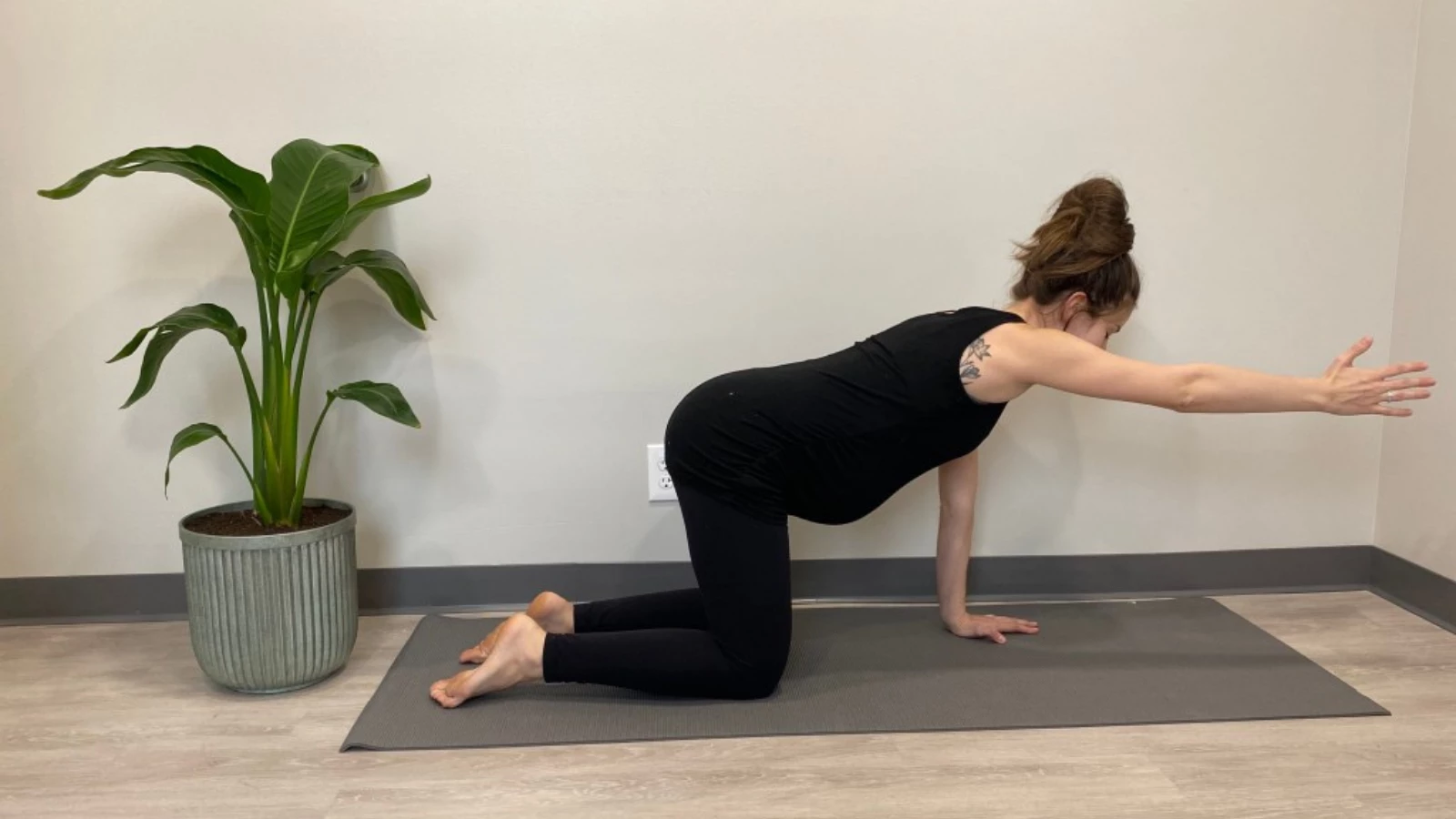
Targeted exercises build strength in the specific muscles that stabilize your lower left back pain pregnancy area, creating your body’s natural pain relief system. These movements remain safe throughout all trimesters and become increasingly important as your pregnancy progresses.
Modified Bird Dog Exercise for Core Stability
Begin on hands and knees with wrists directly under shoulders and knees under hips. Engage your core by gently drawing your baby toward your spine while maintaining normal breathing. Simultaneously extend your right arm forward and left leg back until both are parallel with the floor, holding this position for five seconds before returning to start. Repeat on the opposite side, completing eight repetitions per side. This exercise uniquely strengthens the deep transverse abdominis muscles that support your lower back without straining your rectus abdominis (the “six-pack” muscles), which become less effective as your belly grows.
Wall Squats to Build Endurance Without Strain
Stand with your back flat against a wall and feet shoulder-width apart, positioned about 12 inches from the wall. Slowly slide down into a partial squat position (no lower than 90 degrees), keeping your lower back pressed against the wall throughout the movement. Hold for 10 seconds while focusing on engaging your glutes and thigh muscles, then slide back up the wall to standing. Complete three sets of 10 repetitions daily to build endurance in the muscles that prevent lower left back pain pregnancy flare-ups during everyday activities like standing in line or playing with older children.
Warning Signs That Require Medical Attention
While most lower left back pain pregnancy symptoms represent normal physiological changes, certain red flags indicate when to contact your healthcare provider immediately. Recognizing these warning signs protects both your health and your baby’s wellbeing.
Red Flag Symptoms Needing Same-Day Evaluation
Seek immediate medical attention if your lower left back pain pregnancy symptoms accompany fever, burning during urination, or vaginal bleeding. These combinations could indicate a kidney infection (particularly concerning with left-sided pain), preterm labor, or other serious conditions requiring prompt intervention. Left-sided back pain with urinary symptoms often signals a kidney infection, which requires antibiotics to prevent complications.
Timing Patterns That Signal Potential Complications
Sudden onset of severe lower left back pain pregnancy symptoms after 20 weeks, especially when occurring in rhythmic waves every 10 minutes or less, requires immediate evaluation for preterm labor. Contractions frequently manifest as lower back pain before becoming noticeable in the abdomen, making this timing pattern a crucial warning sign. Similarly, persistent pain that worsens with movement rather than improving with rest may indicate a musculoskeletal issue requiring professional assessment.
Professional Treatment Options That Deliver Results

When home remedies provide insufficient relief, several evidence-based professional treatments safely address lower left back pain pregnancy symptoms without medication. These specialized services target the root causes of your discomfort while accommodating your changing body.
Prenatal Physical Therapy for Targeted Relief
A physical therapist specializing in pregnancy-related pain conducts a comprehensive evaluation of your movement patterns, identifying specific muscle imbalances contributing to your lower left back pain pregnancy symptoms. They then develop a personalized exercise program that addresses your unique biomechanics while teaching proper body mechanics for daily activities like lifting children or grocery shopping. Most women experience significant improvement within 2-4 sessions, with therapists often providing take-home exercises that continue delivering relief between appointments.
Prenatal Chiropractic Care for Structural Alignment
Certified prenatal chiropractors use specialized tables with belly cutouts and gentle adjustment techniques to realign your pelvis and spine without abdominal pressure. This treatment provides immediate lower left back pain pregnancy relief by reducing nerve irritation and restoring proper joint function. Many women report noticeable improvement after just one session, with maintenance visits every 2-4 weeks preventing recurrence throughout pregnancy. Chiropractors also offer personalized advice on pillow positioning and movement modifications that extend treatment benefits between appointments.
Long-Term Prevention Strategies for Lasting Comfort
Building sustainable habits prevents lower left back pain pregnancy symptoms from becoming chronic issues that persist postpartum. These simple daily practices require minimal time but deliver maximum long-term benefit.
Postural Awareness Training for Structural Balance
Set phone reminders every 90 minutes to check your posture: shoulders back and down, chest lifted, weight evenly distributed between both feet. This brief pause prevents the gradual slouching and favoring of one side that leads to recurring lower left back pain pregnancy episodes. For visual feedback, place a small mirror at eye level in frequently used spaces like your kitchen or home office—seeing your posture helps reinforce proper alignment more effectively than memory alone.
Core Engagement Practice Throughout Daily Activities
Transform routine moments into strengthening opportunities by practicing gentle core engagement while brushing your teeth, waiting in line, or standing in the kitchen. Imagine pulling your baby toward your spine while maintaining normal breathing, holding for 5-10 seconds before releasing. This subtle activation builds endurance in your deep stabilizing muscles, creating a natural corset that supports your lower back during all activities. Consistent practice makes proper core engagement automatic, significantly reducing the strain that causes lower left back pain pregnancy symptoms.
Lower left back pain pregnancy symptoms don’t have to define your prenatal experience. By implementing these targeted relief techniques, adjusting your movement patterns, and recognizing when professional help becomes necessary, you can significantly reduce discomfort and enjoy your pregnancy more fully. Remember that every woman’s experience differs—experiment with different combinations of these strategies to discover what works best for your unique body. The key lies in consistency: small daily actions compound into substantial relief over time. If pain persists despite these interventions, don’t hesitate to discuss additional options with your healthcare provider. Your comfort matters, and effective solutions exist for every stage of pregnancy.