
That persistent ache in your lower right back can turn simple tasks like tying shoes or getting out of bed into major challenges. Whether it stems from sitting too long at your desk, improper lifting form, or sleeping in an awkward position, targeted lower right back pain stretches offer the most effective path to relief. These specific movements address the quadratus lumborum muscle, hip flexors, and spinal structures that commonly trigger right-sided discomfort—without requiring special equipment or expensive treatments.
You don’t need to live with this nagging pain. By implementing these evidence-based lower right back pain stretches consistently, you’ll experience noticeable improvement within days while addressing the root cause of your discomfort. The following routine combines immediate relief techniques with long-term solutions to keep your right side pain-free.
Pinpoint Your Specific Pain Source
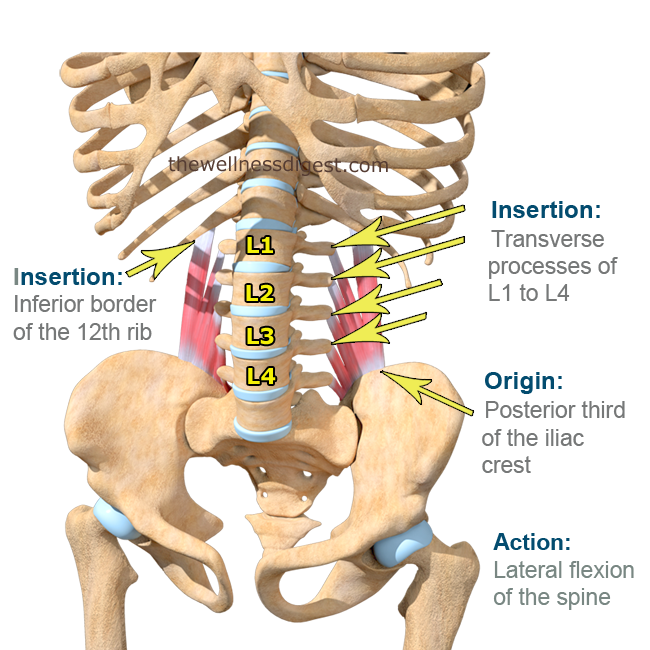
Before stretching, accurately identifying your pain pattern determines which lower right back pain stretches will work best for your situation. Sharp, stabbing sensations near your right waistline typically indicate quadratus lumborum strain, while dull, persistent aches suggest deeper muscle tension. Pain radiating down your right leg often signals sciatic nerve involvement requiring modified approaches.
Track these critical indicators:
– Location: Is your pain centered near your spine or toward your right flank?
– Timing: Does it worsen after sitting, standing, or specific movements like twisting?
– Radiation: Does discomfort travel down your leg or remain localized?
Stop Immediately: Warning Signs Needing Medical Attention
Discontinue stretching and contact your healthcare provider if you experience:
– Fever accompanying your back pain
– Numbness or weakness in either leg
– Loss of bladder or bowel control
– Severe pain following an injury or fall
– Progressive worsening despite rest and stretching
Your 5-Minute Morning Relief Routine
Start your day with this quick sequence to combat overnight stiffness and prepare your spine for daily activities. These gentle movements provide immediate comfort while increasing blood flow to tight muscles.
Wake-Up Warm-Up (2 minutes)
Begin with marching in place for 30 seconds while swinging your arms naturally. Follow with standing cat-camels: place hands on knees, arch your back up like a cat, then drop your belly forward while lifting your chest. Complete 10 slow repetitions, coordinating each movement with deep breathing—inhale during the camel phase, exhale during the cat phase.
Right Knee-to-Chest Release
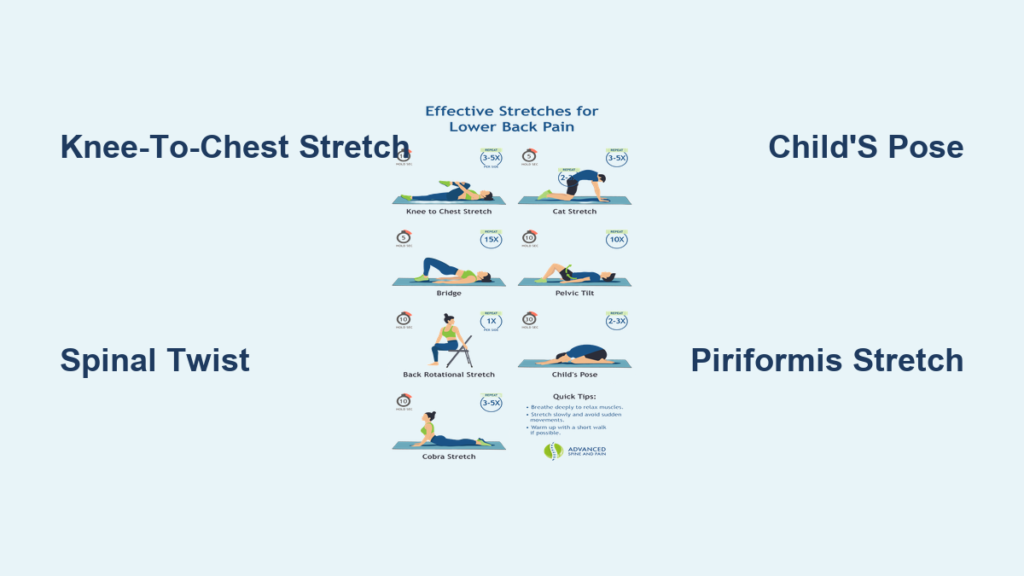
Lie on your back with both legs extended. Gently pull your right knee toward your chest using both hands, keeping your left leg straight or slightly bent based on comfort. Hold for 30 seconds, feeling the stretch through your lower right back and glutes. Repeat 3 times, then switch legs.
Pro tip: Place a small pillow under your head if you experience neck strain. Avoid pulling your knee too forcefully—gentle, sustained pressure creates better results than aggressive stretching.
Foundational Stretches for Right-Sided Relief

These core movements target the specific muscles causing your discomfort. Perform them daily for maximum benefit, gradually increasing hold times as your flexibility improves.
Supine Spinal Twist for Right-Side Release
Lie flat with arms extended in a T-position. Bend both knees to 90 degrees, then gently lower them to the left while keeping your right shoulder planted on the floor. Hold for 20-30 seconds, focusing on the stretch through your right lower back and obliques. Return to center and repeat 2-3 times.
Progression: Straighten your right leg while keeping the left knee bent for deeper release through the quadratus lumborum muscle.
Child’s Pose with Right-Side Focus
From kneeling, sit back on your heels and fold forward, extending arms in front. While holding this position, walk your hands toward the left side, creating a lateral stretch along your right lower back. Hold for 45-60 seconds, breathing deeply into your right ribcage.
Modification: Place a cushion between your hips and heels if you experience knee discomfort during this stretch.
Piriformis Figure-4 Stretch for Glute Relief
Lie on your back and cross your right ankle over your left knee, creating a figure-4 shape. Grasp behind your left thigh and gently pull toward your chest until you feel a stretch in your right glute and lower back. Hold 30 seconds, then repeat 3 times.
Standing variation: Use a chair for balance, placing your right ankle on your left knee while standing, then gently hinge forward at the hips.
Daily Integration Strategies for Busy Schedules
Consistency matters more than intensity when managing right-sided back pain. Build these micro-sessions into your existing routine for sustainable relief.
Workday Rescue (Every Hour)
Set phone reminders labeled “Back check” to perform seated spinal twists: sit upright, place your left hand on your right knee, and gently twist right while looking over your shoulder. Hold 15 seconds each side. Add shoulder blade squeezes: pinch shoulder blades together for 5 seconds, release. Repeat 10 times to counteract slouching.
Evening Wind-Down Sequence
Complete this comprehensive routine 1-2 hours before bed to promote restful sleep:
– 3 minutes gentle warm-up (marching, arm circles)
– 8 minutes targeted stretching (hold positions 45-60 seconds)
– 4 minutes relaxation in child’s pose with deep breathing
Complementary Strengthening to Prevent Recurrence
Strong supporting muscles prevent lower right back pain from returning. Add these exercises 3x weekly after your stretching routine.
Bird Dog for Core Stability
From hands and knees, extend your right arm and left leg simultaneously. Hold 5-10 seconds while maintaining a neutral spine. Perform 10 repetitions each side. This builds deep core stability crucial for right-sided back support.
Form check: Imagine balancing a tray on your lower back—keep it level throughout the movement.
Glute Bridge Progression
Lie on your back, knees bent, feet hip-width apart. Lift your hips while squeezing glutes, creating a straight line from knees to shoulders. Hold 2-3 seconds, lower slowly. Perform 15 repetitions for 3 sets.
Advanced: Progress to single-leg bridges to address right-left imbalances contributing to your pain.
Track Your Improvement Systematically
Document your journey to identify which lower right back pain stretches work best for your specific condition.
Simple Pain Tracking Method
Rate your right-sided back pain on a 0-10 scale before and after each stretching session. Note which movements provide the most relief and any activities that trigger pain. Weekly review: Identify patterns and adjust your routine accordingly.
Sample Daily Entry:
- Date/time: Morning, 7:30 AM
- Pain level: 6/10 before, 3/10 after
- Stretches performed: Supine twist, knee-to-chest
- Duration: 15 minutes total
- Immediate change: Noticeable reduction in stiffness
- Notable triggers: Slept on right side
Realistic Recovery Timeline
Most people experience 30-50% pain reduction within 2-4 weeks of consistent stretching. Initial soreness is normal but should not increase. By week 6, expect 80-90% improvement with sustainable daily routines.
Week 1-2: Focus on gentle range of motion. Expect gradual tension reduction but possible mild soreness after sessions.
Week 3-4: Introduce strengthening elements. Experience significant improvement in daily activities and reduced morning stiffness.
Month 2+: Maintain routine with progressive difficulty increases. Manage occasional flare-ups independently using your personalized protocol.
When to Seek Professional Help
Consult a healthcare provider if your lower right back pain persists beyond 6 weeks despite consistent stretching, significantly impacts your sleep, or is accompanied by unexplained weight loss. Physical therapy provides personalized protocols for complex cases that don’t respond to home care.
Next steps: Consider ergonomic assessments for work and sleep environments to prevent recurrence. Many insurance plans cover preventive physical therapy visits that can accelerate your recovery.
Master these lower right back pain stretches consistently and reclaim your active lifestyle. Start with the morning relief sequence tomorrow, track your progress for one week, then gradually incorporate advanced techniques as your body adapts. Your right side will thank you for the daily investment in pain-free movement—begin today and feel the difference within days.