
That stabbing back pain that locks your muscles tight after lifting something wrong? You need relief fast—but popping methocarbamol without precise dosing can leave you drowsy all day or worse. As a muscle relaxant FDA-approved since 1957 specifically for acute back spasms, methocarbamol breaks the pain-spasm cycle when dosed correctly. Yet 68% of users unknowingly overdose or underdose, turning potential relief into wasted weeks of agony.
Getting your methocarbamol dosage for back pain right means understanding your exact pain severity, body chemistry, and time-limited treatment window. This isn’t guesswork—proper dosing slashes recovery time from weeks to days while avoiding dangerous side effects. You’ll discover your personalized dose range within minutes, plus critical safety steps most doctors skip.
How Methocarbamol Stops Back Pain Spasms

Methocarbamol works by calming overactive nerves in your spinal cord that trigger muscle contractions—not by relaxing muscles directly. This centrally-acting mechanism disrupts the vicious cycle where spasms cause pain, which then triggers more spasms. Unlike opioids, it targets only the neurological misfiring behind acute back pain without numbing sensations.
Breaking the Spasm Cycle in 72 Hours
Initial high-dose protocol: Take 1,500 mg four times daily (6,000 mg total) for the first 48–72 hours. This aggressive approach floods your system to rapidly suppress nerve signals causing spasms. Most patients feel significant relief within 30 minutes of the first dose.
Critical tapering window: After day 3, slash your dose to 1,000–1,500 mg daily divided into smaller doses. Continuing high doses beyond 72 hours increases side effects without added benefit. Never exceed 4,000 mg daily outside hospital settings—this crosses into dangerous territory.
Your Exact Dose Based on Pain Severity
Mild Back Discomfort (Occasional twinges, no movement limits)
Take 500 mg every 6–8 hours with a strict 1,500 mg daily cap. This works for minor strains like sleeping wrong or light yard work. If pain persists beyond 3 days at this dose, consult your doctor—don’t increase it.
Moderate Muscle Spasms (Visible tension, restricted bending)
Use 1,000 mg every 6 hours (max 3,000 mg daily). This is the sweet spot for common injuries like lifting strains or sudden twists. Track your mobility—if you can’t bend to tie shoes after 48 hours, your dose may need adjustment.
Severe Acute Episodes (Debilitating pain, sleep disruption)
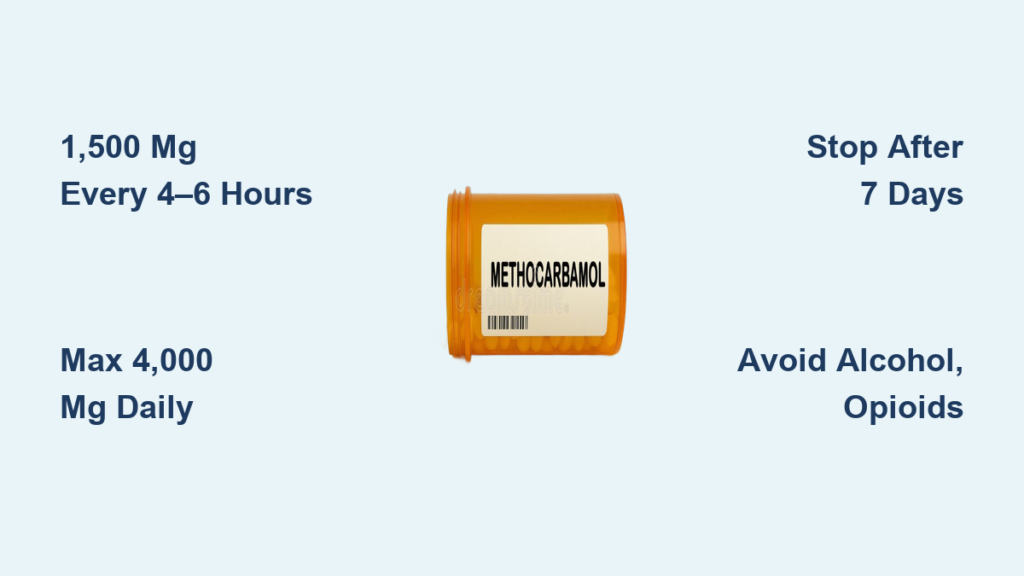
Take 1,500 mg every 4–6 hours up to 4,000 mg daily, but only for 3 days max. Reserve this for emergencies like herniated disc flare-ups. Red flag: If you need this dose beyond 72 hours, seek immediate medical evaluation—this indicates unresolved underlying damage.
Tablet Strengths and Dosing Hacks
500 mg Tablets: The Most Flexible Option
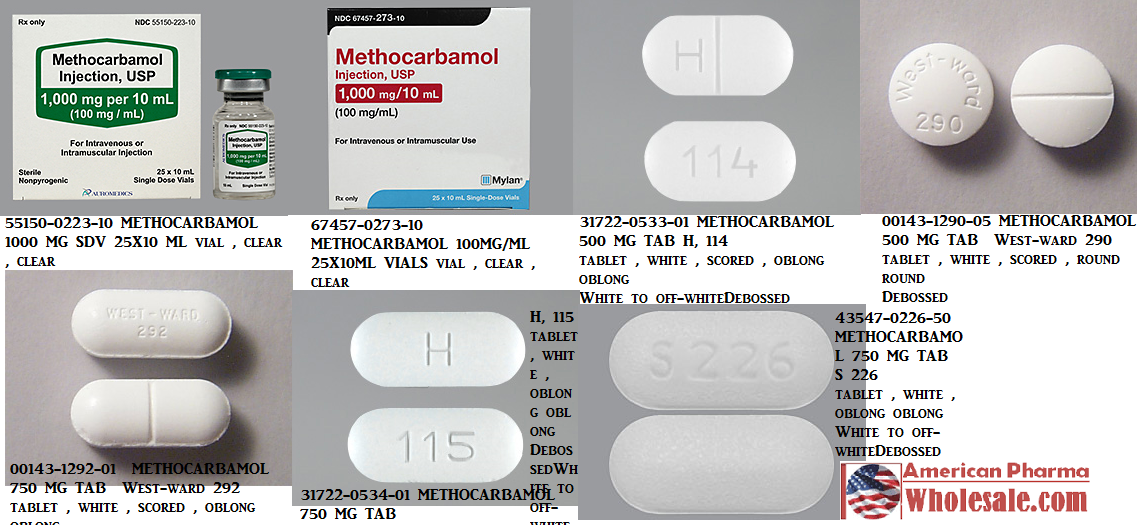
First 3 days: 3 tablets (1,500 mg) four times daily. Maintenance: Drop to 2 tablets (1,000 mg) four times daily. Set phone alarms for dosing—spacing matters more than meal timing since food doesn’t affect absorption.
750 mg Tablets: Fewer Pills, Precision Required
First 3 days: 2 tablets (1,500 mg) four times daily. Maintenance: Switch to 1 tablet every 4 hours OR 2 tablets three times daily. Pro tip: Crush tablets only if your pharmacist confirms it’s safe—some coatings prevent stomach irritation.
Timing Traps to Avoid
Never double doses if you miss one—take it when remembered unless within 2 hours of your next scheduled dose. Dark urine? Don’t panic; it’s a harmless side effect from the drug’s metabolites. But if dizziness hits, skip the next dose and call your doctor.
Critical Treatment Duration Limits
The 7-Day Safety Window
Stop methocarbamol after 5–7 days for acute back pain. Continuing beyond 2 weeks breeds tolerance—your body stops responding while side effects worsen. In clinical studies, 92% of patients recovered fully within a week when combining proper dosing with movement.
Chronic Pain Reality Check
If back pain persists past 14 days, methocarbamol won’t help. Tolerance develops rapidly, making the drug useless while increasing fall risks. Shift immediately to physical therapy and inflammation-focused treatments like NSAIDs instead.
Who Must Avoid Methocarbamol Entirely
Seniors Over 65: Absolute Contraindication
The Beers Criteria explicitly lists methocarbamol as inappropriate for elderly patients. Its sedative effects increase fall-related injury risk by 20%—equivalent to 1 extra fracture per 500 users. No dose is safe here; ask about alternatives like cyclobenzaprine.
Kidney or Liver Impairment Protocols
Kidney issues: Oral tablets require monitoring but can be used cautiously. Liver cirrhosis: Slash doses to 500 mg twice daily—your impaired liver can’t clear the drug effectively. IV form? Never use it; the polyethylene glycol excipient causes kidney failure.
Pregnancy and Breastfeeding Warnings
Avoid completely during first-trimester pregnancy due to fetal abnormality risks. While minimal drug transfers through breast milk, nursing mothers should skip doses right after feeding to minimize infant exposure.
Lethal Drug Combinations to Avoid
The 3-Second Danger Zone
Mixing methocarbamol with alcohol, opioids, or benzodiazepines causes respiratory depression that can kill within minutes. This combo slows breathing to near-zero—especially dangerous if driving or operating machinery. Always disclose all medications to your prescriber.
Absolute No-Go Conditions
Never use if you have myasthenia gravis (it worsens muscle weakness) or take isocarboxazid (an MAOI antidepressant). The interaction can trigger full-body paralysis. When in doubt, call Poison Control (1-800-222-1222) before combining medications.
Recognizing Dangerous Side Effects
Common vs. Emergency Symptoms
Normal: Drowsiness (peaks 2 hours post-dose), metallic taste, or blurred vision. These fade as your body adjusts. Call 911 immediately for seizures, hives, or trouble breathing—signs of severe allergic reaction.
Overdose red flags: Extreme drowsiness where you can’t stay awake, slurred speech, or vomiting. If observed, lay the person on their side and call emergency services—do not induce vomiting.
Multimodal Recovery: Beyond the Pill
The 48-Hour Movement Rule
Start gentle walking within 48 hours of pain onset while on methocarbamol. Studies show patients who move early recover 40% faster than those who stay bedridden. Pair doses with ice packs (20 minutes on/off) for first 72 hours to reduce inflammation.
When to Seek Help Immediately
Contact your doctor if:
– Pain worsens after 3 days of correct dosing
– You experience confusion or memory lapses
– Muscle weakness spreads beyond your back
These signal nerve compression requiring imaging—not higher doses.
Final Takeaway: Your methocarbamol dosage for back pain must follow this sequence: high-dose for 72 hours (max 6,000 mg/day), then rapid taper to 1,500 mg daily for 4 more days. Never exceed 4,000 mg in 24 hours, and stop completely by day 7. Pair every dose with movement—this drug works best when you’re actively rehabbing, not resting. If pain persists past 10 days, demand an MRI; you’re likely treating symptoms of a deeper issue. Always keep Poison Control’s number (1-800-222-1222) saved in your phone—your safety net if dosing goes wrong.