
That sharp ache or persistent throb below your left shoulder blade can transform everyday movements into daily struggles. You might feel it when reaching for your coffee mug, turning to check your blind spot, or even during deep breaths at night. This specific pain pattern—localized deep under the left scapula—often strikes without warning and worsens with prolonged sitting or repetitive motions. Millions experience this discomfort, yet many mistakenly dismiss it as “just muscle strain” when understanding the root cause is critical for effective relief.
Ignoring pain below left shoulder blade symptoms can lead to chronic issues that limit your mobility and disrupt sleep. Whether it’s a stabbing sensation that flares when twisting your torso or a dull ache that lingers after work, this guide cuts through the confusion. You’ll discover immediate home remedies to reduce discomfort within hours, recognize danger signs requiring emergency care, and implement science-backed prevention strategies. Most importantly, you’ll learn how to address the true source—not just mask symptoms—so you can reclaim pain-free movement.
Why Your Left Shoulder Blade Area Aches Constantly
How Desk Jobs Create Deep Muscle Trauma
Hunching over laptops or craning your neck toward phones forces the rhomboids and middle trapezius muscles to work in overdrive. These muscles between your shoulder blades become chronically stretched and strained as your chest tightens forward—a perfect storm for pain below left shoulder blade regions. Repetitive motions like lifting objects overhead or prolonged mouse use create microscopic tears in these overstressed fibers, triggering inflammation that radiates deep under the scapula. You’ll notice this as a knot-like tightness that worsens during computer work and may even refer pain down your left arm.
Nerve Compression Behind Burning or Shooting Pain
When spinal discs bulge or vertebrae shift slightly in your upper back, they can pinch nerves branching toward your shoulder blade. This compression causes distinct symptoms: electric zaps when moving your neck, burning sensations that wrap around your ribcage, or tingling that shoots toward your left hand. Thoracic outlet syndrome—a condition where tight chest muscles squeeze nerves and blood vessels—also refers pain specifically below the left shoulder blade. If you feel arm weakness or numbness alongside your scapular ache, nerve involvement is likely the culprit.
The Posture Trap Aggravating Your Pain
Forward head posture creates a domino effect: your chin juts forward, shoulders round inward, and shoulder blades separate. This stretches the muscles between your scapulae while shortening chest muscles, creating imbalanced tension that targets the left side more severely for many desk workers. The pain below left shoulder blade intensifies as your workday progresses, often becoming unbearable by afternoon. Check your posture now—slumped shoulders and a screen below eye level guarantee this pattern will worsen your discomfort.
Emergency Red Flags You Must Act On Immediately
Life-Threatening Symptoms Masking as Back Pain
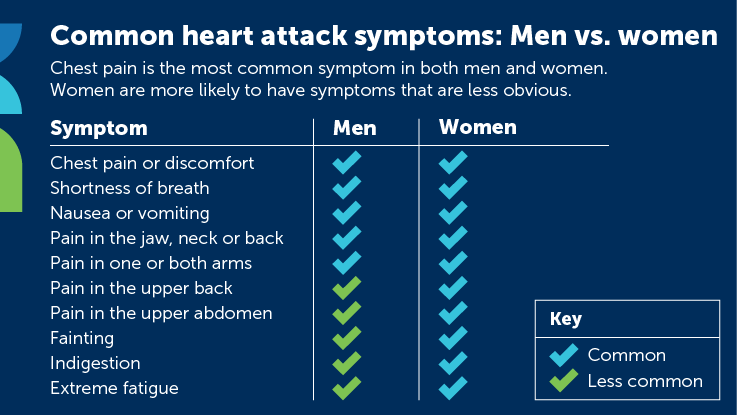
Sudden, crushing pain below your left shoulder blade combined with chest pressure or jaw discomfort demands instant emergency care—it could signal heart complications, especially if accompanied by shortness of breath or nausea. Sharp, stabbing pain that intensifies with each breath might indicate pulmonary embolism or pleurisy, particularly if you’ve had recent surgery or long flights. Never dismiss these combinations as “muscle strain”; your life depends on rapid medical intervention.
Progressive Neurological Warning Signs
If your shoulder blade pain spreads with arm weakness, dropping objects frequently, or persistent numbness in your left hand, nerve damage may be escalating. Progressive symptoms like unexplained weight loss, fever, or night sweats alongside scapular discomfort require urgent evaluation to rule out serious systemic conditions. These aren’t “wait-and-see” scenarios—delaying care risks permanent damage when red flags appear with pain below left shoulder blade.
Immediate Home Relief Tactics That Work in Minutes
Targeted Heat and Pressure Techniques
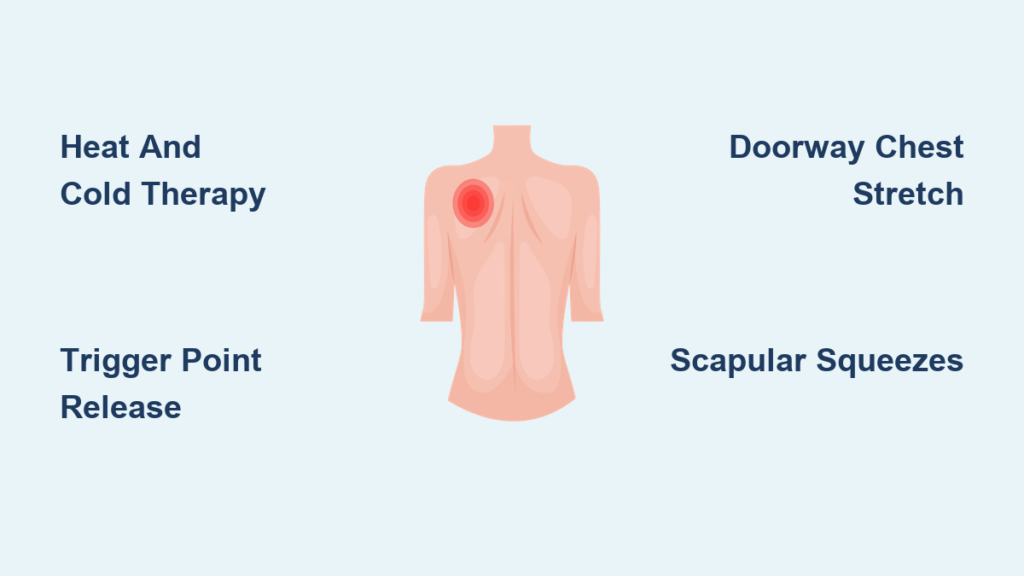
Apply moist heat for 15 minutes using a warm towel to boost blood flow to knotted muscles below your left shoulder blade. For acute inflammation, alternate with 10 minutes of cold therapy using a frozen water bottle wrapped in cloth. Then perform trigger point release: place a tennis ball against the wall, lean your left scapula onto it, and gently roll over tender spots. Hold pressure on each painful knot for 30 seconds—stop when you feel the muscle soften. This often provides noticeable relief within 20 minutes.
Three Stretches for Instant Tension Release
Doorway Chest Opener: Stand in a doorway, place your left forearm flat against the frame, and step forward slowly until you feel a stretch across your chest. Keep your spine tall—don’t arch your back. Hold 30 seconds; repeat three times to counteract rounded shoulders.
Scapular Squeezes: Sit upright in a chair, imagining holding a pencil between your shoulder blades. Squeeze them together firmly for 5 seconds, then release. Complete 15 repetitions hourly to retrain muscle memory.
Child’s Pose Reach: Kneel on the floor, sit back on your heels, and walk your hands to the left while lowering your right shoulder toward the mat. Feel the deep stretch between your shoulder blades. Hold 25 seconds per side to release fascial tension.
Professional Solutions for Stubborn Pain
Physical Therapy Protocols That Target the Source
A physical therapist will perform manual myofascial release directly on the muscles beneath your left shoulder blade to break up adhesions. They’ll assess your thoracic spine mobility and prescribe scapular stabilization exercises tailored to your movement deficiencies. Expect ultrasound therapy to reduce inflammation in deep tissues and neuromuscular re-education to correct faulty movement patterns. Most patients see significant improvement in 4-6 sessions when consistently performing prescribed exercises like prone Y-T-W raises.
Medical Interventions for Severe Cases
If imaging confirms structural issues like a herniated disc compressing nerves, your doctor may recommend trigger point injections. These combine lidocaine for immediate numbing with corticosteroids to reduce inflammation around the painful knot below your left shoulder blade. Prescription muscle relaxants provide short-term relief for debilitating spasms but shouldn’t be used beyond two weeks. Always pursue conservative treatments first—only 5% of scapular pain cases require surgical intervention.
Prevent Recurrence With Daily Habits
Posture Resets You Can Do Anywhere
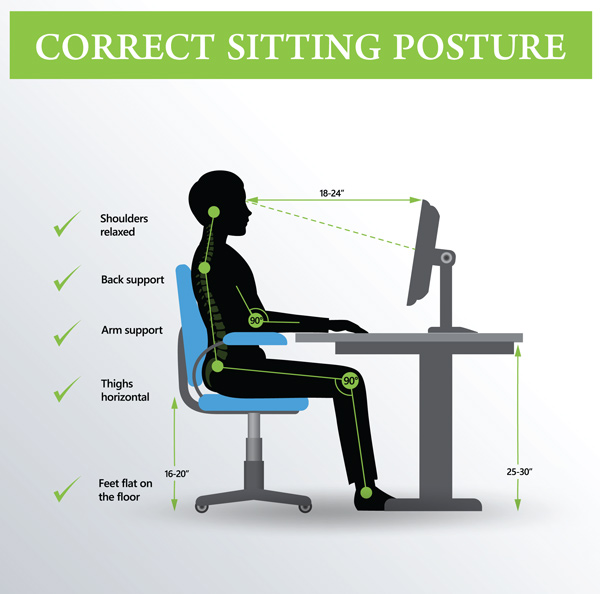
Set phone alarms every 45 minutes to perform the “ear-over-shoulder” check: align your ear directly above your shoulder joint, not jutting forward. At your desk, position your monitor at eye level and keep elbows bent at 90 degrees. When driving, place a small rolled towel in your lower back to maintain spinal curves—this prevents shoulder blade strain during long commutes. These micro-adjustments stop pain below left shoulder blade before it starts.
Essential Strengthening Moves for Long-Term Relief
Resistance Band Rows: Anchor a band at chest height, step back to create tension, and pull handles toward your lower ribs while squeezing shoulder blades together. Complete 3 sets of 12 daily to build postural muscle endurance.
Wall Angels: Stand with your head, shoulders, and hips against a wall. Bend elbows to 90 degrees (like goalposts), then slowly slide arms up and down while maintaining contact. Do 2 sets of 10 to improve thoracic mobility—critical for preventing future pain.
Sustainable Pain-Free Living Strategies
Sleep and Movement Habits That Heal
Avoid stomach sleeping, which twists your neck and strains left scapular muscles all night. Instead, sleep on your back with a pillow under your knees or on your side with a pillow between your knees to maintain spinal alignment. Take movement breaks every 30 minutes: stand, interlace fingers behind your back, and gently lift your arms while squeezing shoulder blades. These micro-movements prevent the stiffness that triggers pain below left shoulder blade.
When Surgery Becomes Necessary (Rare Cases)
Surgery remains a last resort only after failing 6+ months of consistent physical therapy and targeted injections. It’s considered solely for structural issues like severe nerve compression from disc herniation confirmed by MRI. Most patients achieve 80-90% pain reduction through non-invasive methods—focus on posture correction, strengthening, and stress management before considering operations.
Key Takeaway: Pain below left shoulder blade typically resolves within 2-3 weeks using targeted stretches and posture corrections. Start with the tennis ball release and doorway stretch today for immediate relief. If symptoms persist beyond 14 days, worsen with arm numbness, or include chest pressure, seek professional evaluation immediately. Consistently applying these strategies addresses the root cause—not just symptoms—so you can move freely without dreading that familiar ache under your scapula. Remember: your body’s pain signals are messengers, not inconveniences. Respond with action, not resignation.