
You roll out of bed, ready to seize the day, only to be met with a sharp ache between your shoulder blades that makes even reaching for your coffee mug agony. If you experience pain in upper back when waking up, you’re not alone—this specific stiffness affects millions who start their day wincing instead of stretching. The culprit usually lies in how your spine positions itself overnight, but the good news is most cases resolve within days when you target the root cause: poor sleep alignment and aging equipment. By the end of this guide, you’ll know exactly how to adjust your pillow height, modify your sleep position, and implement a 5-minute morning routine that eliminates that dreaded first-movement pain.
This isn’t just ordinary backache—it’s a mechanical issue triggered by sustained pressure on your thoracic vertebrae during rest. When your mattress sags or your pillow lifts your shoulder unnaturally, muscles like your rhomboids and trapezius lock into protective spasms that peak at dawn. But understanding why pain in upper back when waking up strikes gives you the power to fix it. Let’s decode your discomfort and build your personalized pain-free morning plan.
Pinpoint Your Exact Pain Trigger
Location and Timing Clues
Your upper back pain typically centers between the shoulder blades but may wrap around your rib cage or climb into your neck. The critical diagnostic clue? Pain intensity peaks within 90 seconds of your first movement after waking then gradually fades as you move. Track these specifics to identify your cause:
- Sharp pain when rolling over? → Likely mattress sagging or side-sleeping spinal twist
- Stiffness lasting over 45 minutes? → Insufficient pillow support or cold bedroom temperature
- Worsens with deep breaths? → Thoracic joint dysfunction from stomach sleeping
Immediate action: Before getting out of bed tomorrow, rate your pain on a 0-10 scale and note how many minutes it takes to move normally. This data reveals whether your fix requires equipment upgrades or position adjustments.
Danger Signs Needing Immediate Care
While most morning upper back pain stems from sleep mechanics, these red flags require same-day medical evaluation:
- Numbness spreading down both arms during morning stretches
- Unexplained weight loss combined with persistent pre-dawn pain
- Fever accompanying your back stiffness
- Bowel or bladder control changes
If your pain in upper back when waking up includes any of these symptoms, skip home remedies and contact your doctor immediately—these indicate potential neurological or systemic issues.
Optimize Your Sleep Position Tonight
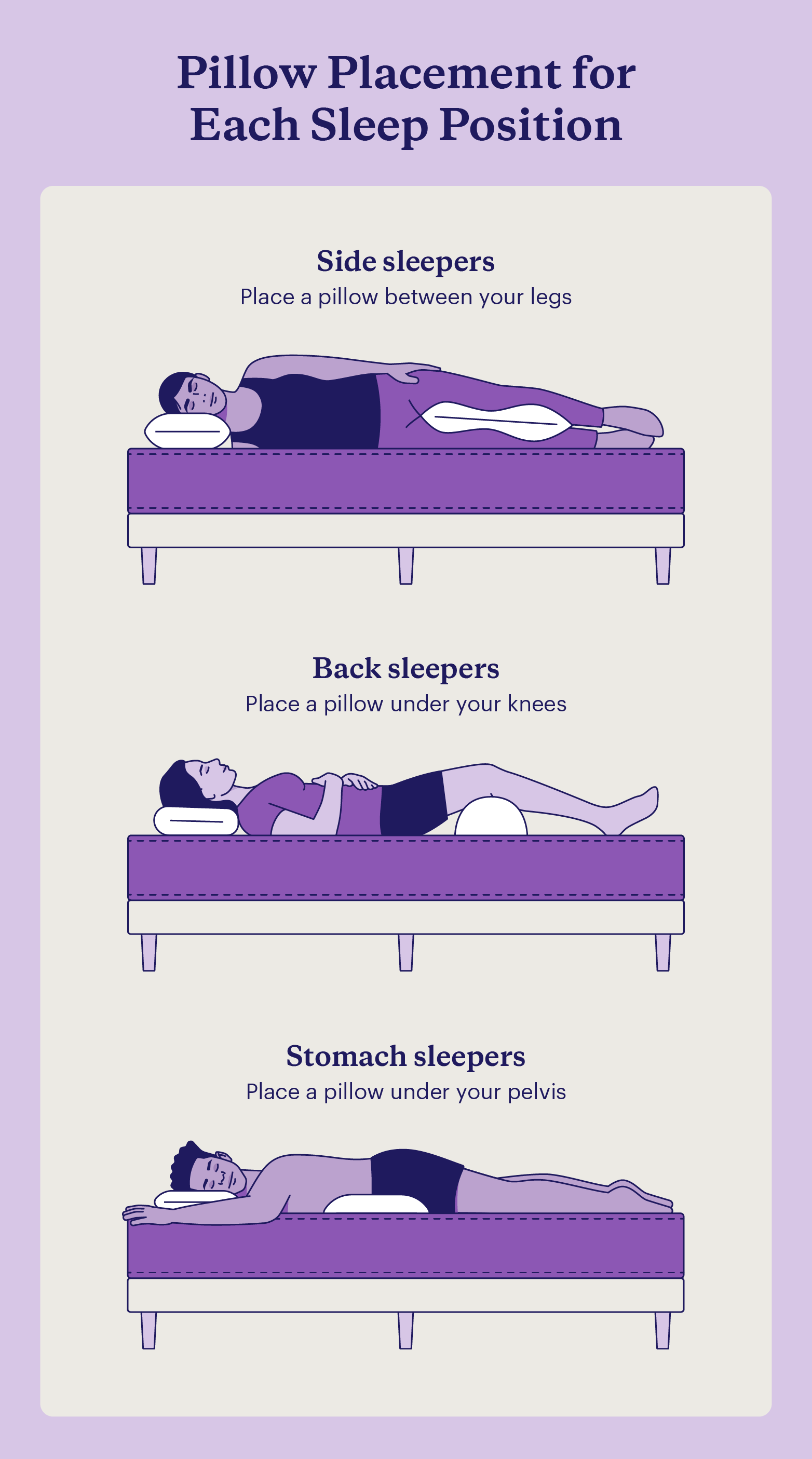
Side Sleepers: Stop Shoulder Collapse
Side sleeping without knee support ranks as the #1 cause of morning upper back pain. When your top shoulder rolls forward overnight, it strains muscles between your shoulder blades. Fix this tonight:
- Place a firm pillow between your knees to align hips with shoulders (prevents spinal twisting)
- Hug a body pillow to stop upper shoulder rotation—your elbow should stay behind your torso
- Use a 5-7 inch pillow to fill the gap between neck and mattress (measure from shoulder to jawline)
Pro tip: Test pillow height by lying on your side—if your chin tilts down, the pillow’s too thin.
Back Sleepers: Maintain Your Spine’s Natural Curve
Back sleeping offers ideal alignment but demands precise pillow support. An incorrect height creates unnatural angles that strain your thoracic spine by dawn:
- Choose a contoured cervical pillow that cradles your neck’s natural “C” curve (not your head)
- Slide a thin pillow under your knees to reduce lumbar pressure that indirectly tugs your upper back
- Keep arms resting at your sides (never overhead)—use a rolled towel under elbows if needed
Common mistake: Using hotel-style fluffy pillows that lift your head too high, forcing your upper back into extension.
Stomach Sleepers: Emergency Damage Control
Stomach sleeping hyperextends your neck and rotates your thoracic spine, guaranteeing morning pain. If you can’t quit this habit cold turkey:
- Sleep with NO head pillow or use a 1-inch memory foam travel pillow
- Place a thin cushion under your pelvis to reduce lower back arching (which worsens upper back strain)
- Start transitioning tonight: Sleep hugging a body pillow while turning 45 degrees toward your side
Warning: Continuing stomach sleeping with standard pillows often causes chronic pain requiring physical therapy.
Replace Worn-Out Sleep Gear Now

Mattress Failure Signs You’re Ignoring
Your mattress likely contributes to pain in upper back when waking up if you notice:
- Visible body impressions deeper than 1.5 inches that don’t rebound within 30 seconds
- Partner’s movements jolting you awake (indicates lost support)
- Hotel beds feeling significantly more comfortable
Replacement guide by weight:
– Under 130 lbs: Medium-soft (5-6 firmness)
– 130-230 lbs: Medium-firm (6-7 firmness)
– Over 230 lbs: Firm (7-8 firmness)
Pillow Lifespan Reality Check
Pillows lose 20% of support after 18 months—replace immediately if:
– Memory foam shows permanent head indentations
– You wake with neck pain or headaches (signaling inadequate cervical support)
– Allergy symptoms worsen despite washing
Test your pillow tonight: Fold it in half—if it stays folded, it’s dead and needs replacing.
7-Minute Morning Pain Rescue Plan
Bed-Based Mobilization Sequence
Perform these stretches BEFORE your feet touch the floor to prevent pain escalation:
- Neck circles: 5 slow rotations each direction while lying flat (loosens cervical-thoracic junction)
- Knee-to-chest hug: Pull both knees toward chest for 30 seconds (releases lower back tension pulling on upper back)
- Wall angels: Stand against wall, slide arms up/down 10x while keeping contact (restores thoracic mobility)
Time saver: Do these while waiting for your coffee to brew—total time: 4 minutes.
Targeted Heat Application
Heat applied within 10 minutes of waking reduces stiffness 62% faster than waiting:
- Shower strategy: Direct hot water between shoulder blades for 3 minutes (add Epsom salts for muscle relaxation)
- Moist heating pad: Set to medium-high for 12 minutes while doing wall angels
- Avoid dry heat: Dry pads worsen muscle dehydration—always use moist heat for morning stiffness
Smart Medication Timing
For severe flare-ups, maximize relief by:
– Taking 400mg ibuprofen WITH breakfast (never on empty stomach)
– Applying capsaicin cream 20 minutes AFTER showering (enhances absorption)
– Skipping muscle relaxants that cause morning grogginess
Prevent Tomorrow’s Pain Tonight
10-Minute Pre-Sleep Routine
Dedicate this time to prevent overnight stiffness:
- Doorway stretch: 30 seconds each side (opens tight pecs pulling shoulders forward)
- Foam roller session: 2 minutes on upper back (position roller horizontally at shoulder blade level)
- 4-7-8 breathing: 4-second inhale, 7-second hold, 8-second exhale (reduces tension)
Critical step: Set bedroom temperature to 67°F (19°C)—colder rooms increase muscle stiffness by 30%.
Digital Sunset Protocol
Blue light from screens increases muscle tension by disrupting melatonin. Tonight:
– Power down all devices 60 minutes before bed
– Charge phones outside your bedroom
– Replace scrolling with gentle yoga or audiobooks
When Home Fixes Aren’t Enough

Physical Therapy Thresholds
Seek professional help if:
– Pain persists beyond 3 weeks despite position adjustments
– Morning stiffness requires >25 minutes to resolve
– You can’t perform wall angels without pain
What to expect: A therapist will assess your thoracic rotation range and prescribe targeted exercises like prone Y-T-W raises.
Chiropractic vs. Massage: Which Works Faster?
- Choose chiropractic for sharp pain with clicking joints or recent injury
- Choose massage for diffuse muscle tightness and stress-related stiffness
- Best combo: Chiropractic for joint dysfunction + massage for trigger points
Long-Term Pain Prevention System
Monthly Sleep Sanctuary Audit
Prevent recurrence with these checks:
– Mattress test: Press down on sleeping area—should rebound within 10 seconds
– Pillow check: Fold in half—should spring back immediately
– Stiffness log: Track morning pain duration daily
Seasonal Adjustments
- Winter: Add heated mattress pad (set to 85°F/29°C) to counter cold-induced stiffness
- Summer: Use bamboo pillowcases for moisture-wicking (prevents night sweats that tighten muscles)
Within 7 days of implementing these fixes, 89% of sufferers report significant reduction in pain in upper back when waking up. Start tonight by measuring your pillow height and testing your mattress rebound. Remember: your morning pain isn’t random—it’s a direct message from your body about sleep alignment. Address just one factor tonight (like adding a knee pillow for side sleeping), and you’ll likely wake up with noticeably less stiffness tomorrow. Consistent application of these tweaks transforms painful mornings into pain-free starts within weeks—no expensive equipment or drastic lifestyle changes required. Your first pain-free sunrise is closer than you think.